



Hawaii's SpeediShuttle to expand Sprinter fleet for exclusive airport contract
All Sprinters are powered by a 3.0-liter BlueTEC diesel engine and all versions are equipped with a number of Mercedes-Benz safety features — ESP stability and rollover control, ABS anti-lock brakes, Brake Assist and traction control.

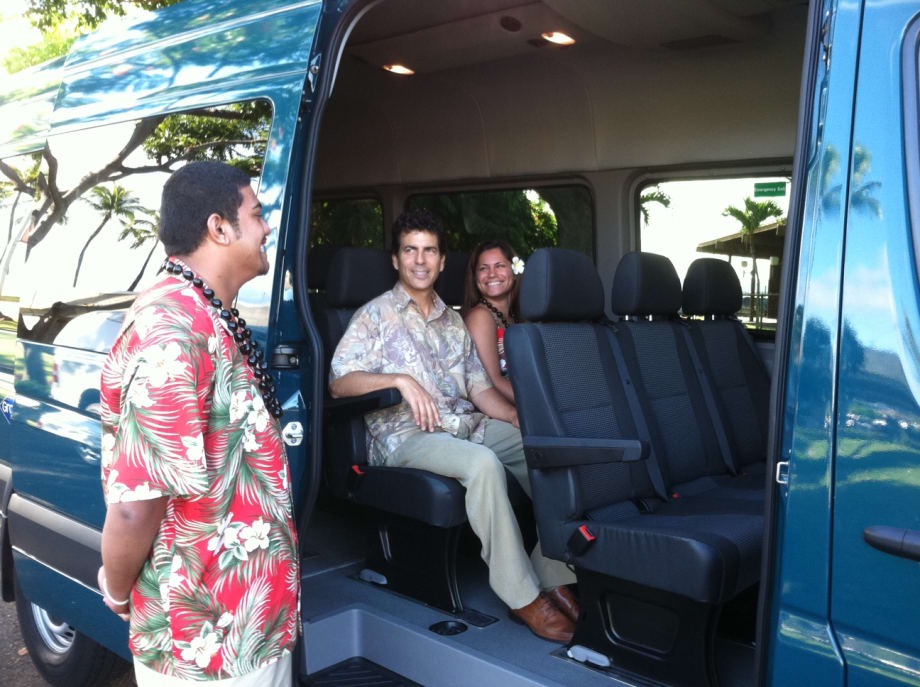

SpeediShuttle was awarded an exclusive contract for on-demand transportation at the Honolulu International Airport, which will involve a dramatic increase in its current fleet of 58 Mercedes-Benz Sprinters. The company has already ordered 29 more.
Founded only 12 years ago when CEO Cecil Morton bought two small Hawaii-based shuttle companies, SpeediShuttle is now poised to become the leading passenger transport company in the Rainbow State, which faces some unusual challenges. First and foremost, its island economy deals with the highest fuel costs in the entire U.S., plus the salt air of its seashore environment means rapid rust for many vehicles.
Morton said, “I used to buy used vans for $5,000 that required lots of expensive maintenance. I replaced them frequently and resigned our operation to getting four to six miles per gallon. Then, when the travel business shrank dramatically in 2001, I looked carefully at the real-world costs to operate a fleet of fuel-efficient Sprinters, which can easily get 20 mpg and hold up far longer than conventional vans. At first, I was shocked at their relatively high initial cost, but our Sprinters have actually reduced our long-term operating expenses.
“Our clients and our drivers love the fact that our Sprinters provide so much room for surfboards and golf clubs. Our employees all refer to them specifically as Sprinters, because they’re so much more than just vans.”
With the outstanding fuel economy and low maintenance costs of its Sprinters, SpeediShuttle’s rates are competitive with other companies that use more basic, utilitarian vans, according to the company. While its biggest operation is currently on the island of Maui, the SpeediShuttle fleet on Oahu will be growing quickly because of the new Honolulu airport contract. The company also boasts vehicles on the small island of Kauai and the “Big Island” of Hawaii.
“The incentive travel industry loves the premium appeal of our Mercedes-Benz Sprinters, and we’ve also expanded into pre-arranged departure service for residents and visitors," Morton said. "It may sound simplistic when I tell you our success is based on providing the best possible service. However, that means working smart, and as an example, all of our drivers are SpeediShuttle employees rather than independent contractors, in spite of the high medical insurance costs."
As another example of working smart, when the company couldn’t get all their new Sprinters in the same color, Morton decided instead to order a full array of colors. SpeediShuttle’s rainbow fleet honors the Rainbow State, and regular customers now even ask for their next Sprinter by color.
All Sprinters are powered by a 3.0-liter BlueTEC diesel engine that marks the first-ever use of super-clean BlueTEC technology in the commercial van market. Making the BlueTEC diesel engine as clean as a modern gasoline engine, a Diesel Exhaust Fluid (DEF) injection system doses a special solution into the exhaust, reducing nitrogen oxides to harmless nitrogen and water in a downstream catalytic converter.
All versions are equipped with a number of Mercedes-Benz safety features — ESP stability and rollover control, ABS anti-lock brakes, Brake Assist and traction control. The driver and front passenger seats are equipped with standard multi-stage front air bags, and side curtain and torso air bags are optionally available.
The Sprinter has been sold in the U.S. since 2001 by Freightliner and through select Mercedes-Benz dealers since 2010. Both MBUSA and Freightliner are divisions of Daimler AG, the world’s largest manufacturer of commercial vehicles. In the U.S., the Mercedes-Benz Sprinter is targeted to small businesses, while the Freightliner version is aimed at its established customer base of commercial vehicle operators.
More Bus
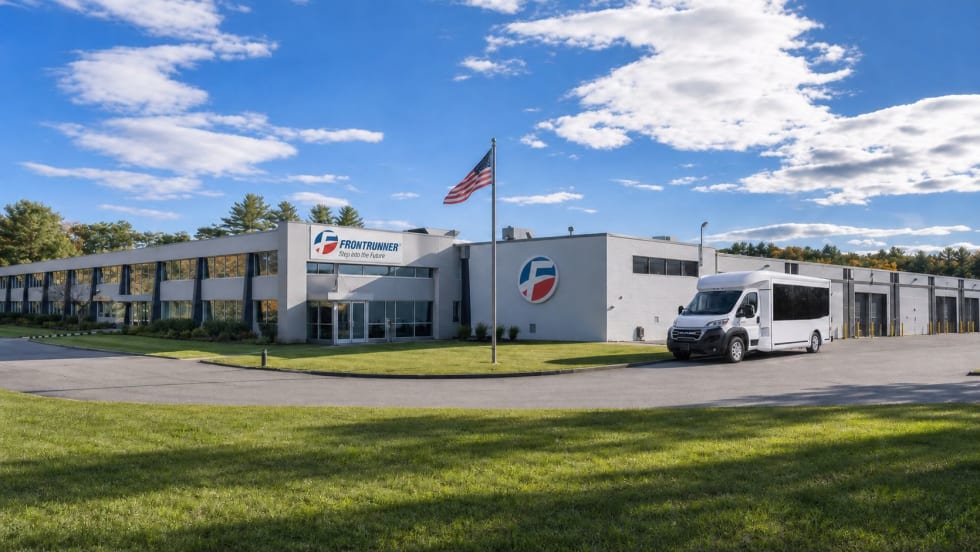
Frontrunner Bus Group Expands with New Massachusetts Headquarters
The significantly larger facility will provide the infrastructure needed to support the company’s growing workforce, advanced technologies, and expanding product line.
Read More →
Joshua Schank on Transportation Innovation, Risk, and the Future of Mobility
In this edition of METROspectives, Joshua Schank discusses lessons from launching LA Metro’s Office of Extraordinary Innovation, the challenges of advancing new mobility technologies, and much more.
Read More →
Reinventing Fleet Maintenance with Real-time Visibility and AI
Transit leaders need to know what needs fixing, where to look, who is responsible, when work is completed, and what it costs without having to chase information across disconnected systems.
Read More →
SamTrans Sets Priorities for Potential Connect Bay Area Revenue
The board-approved framework allocates future funding to maintaining service, rider improvements, equity initiatives, and infrastructure repairs.
Read More →
When Routine Fails: How Public Transit Must Adapt for the World Cup
The 2026 FIFA World Cup will test transit agencies’ ability to manage unpredictable travel patterns, making real-time data and operational flexibility critical to moving millions of visitors efficiently.
Read More →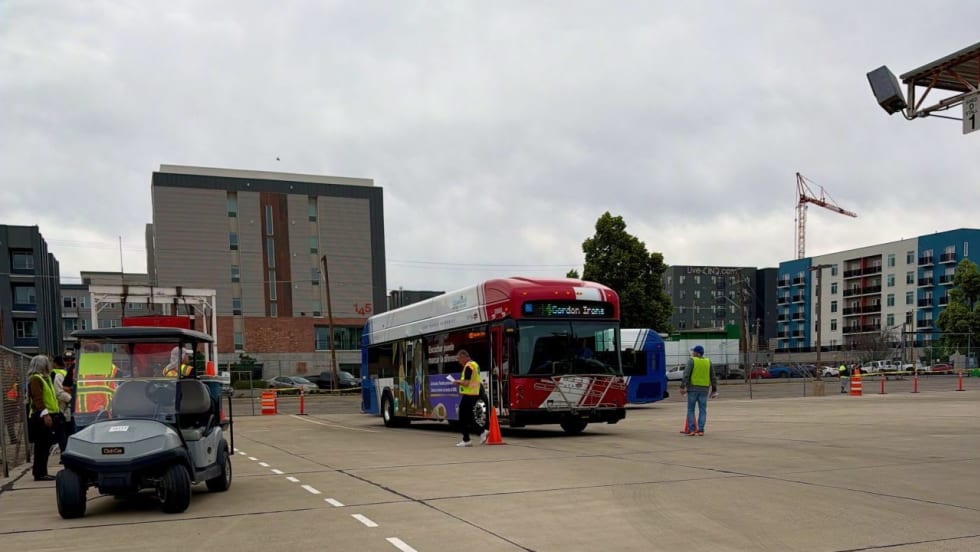
Photo Highlights from APTA's 2026 Mobility Conference
The photo gallery captures scenes from the conference, including the International Bus Roadeo, exhibit hall activities, the Bus Showcase, and much more.
Read More →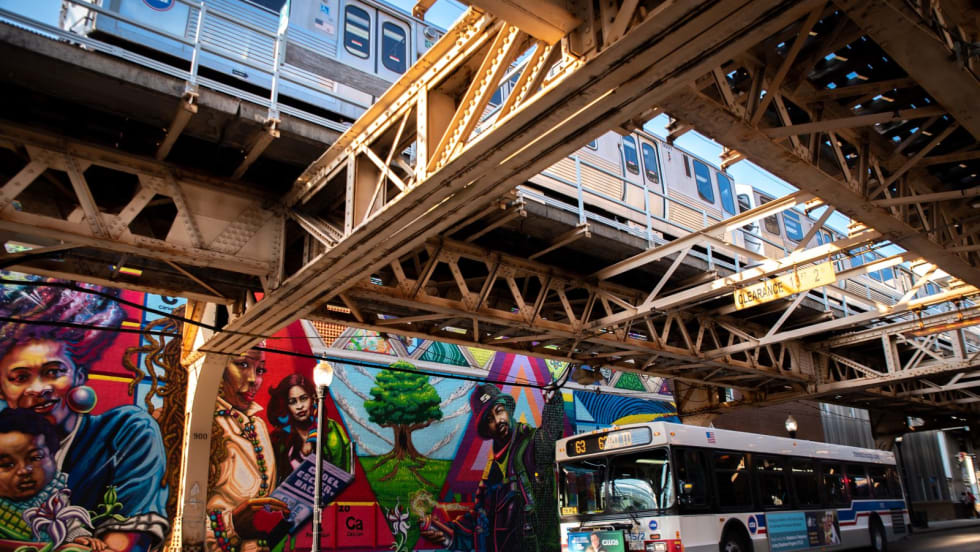
Chicago's NITA Act Moves Into Next Phase as Service Improvements Begin
Rider-focused improvements will begin rolling out across the system immediately as CTA, Metra, and Pace increase service this summer in the six-county region.
Read More →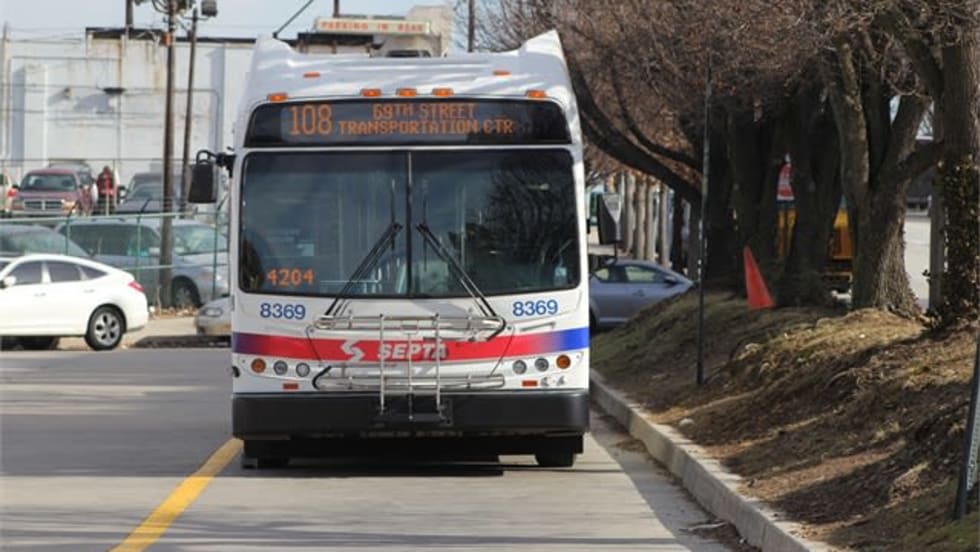
Philadelphia's SEPTA Approves Annual Transit Service Plan
Between 2021 and 2024, SEPTA held more than 200 public meetings — including 144 in-person sessions — throughout the SEPTA service region.
Read More →
A True Low-Floor Minibus Design Delivers Better Accessibility and Efficiency for Everyone
As transit demands evolve, so should your fleet. Download the whitepaper to see how the Low-Floor Frontrunner Minibus compares to traditional options.
Read More →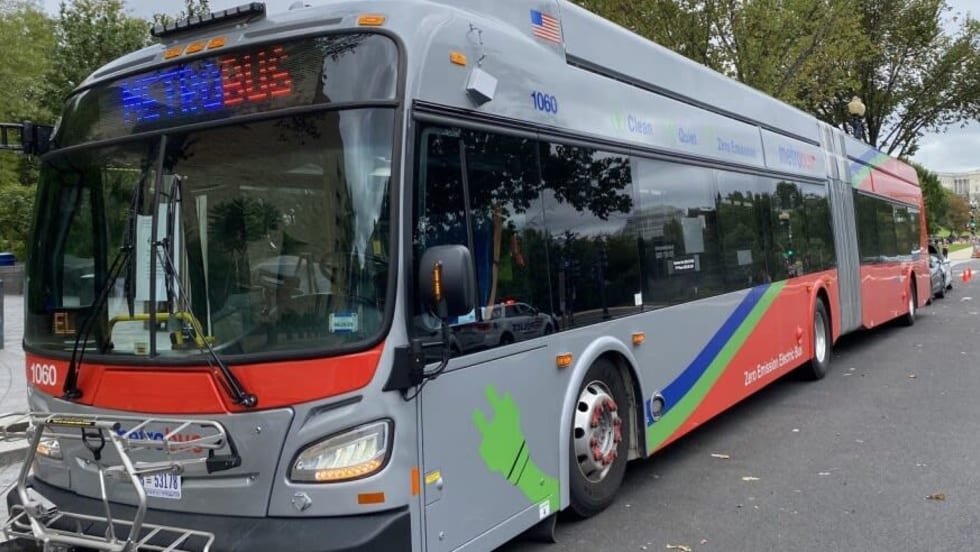
WMATA Debuts 'Fares Pay for Service' Awareness Campaign
The campaign was highlighted during a media event at the Paul S. Sarbanes Transit Center in Silver Spring, where WMATA’s GM/CEO Randy Clarke joined Metro Transit Police officers, WMATA management team, board members, and staff to expand fare enforcement and customer education efforts on Metro Bus routes throughout the region.
Read More →