



Siemens launches new ‘Infrastructure in Cities’ sector
Designed to help customers run their rail operations more efficiently, the sector is organized into five divisions: Building Technologies, Low and Medium Voltage (power distribution for utilities and facilities), Mobility and Logistics (traffic, transport and logistics management), Rail Systems (rail vehicles) and Smart Grid (intelligent power grids).

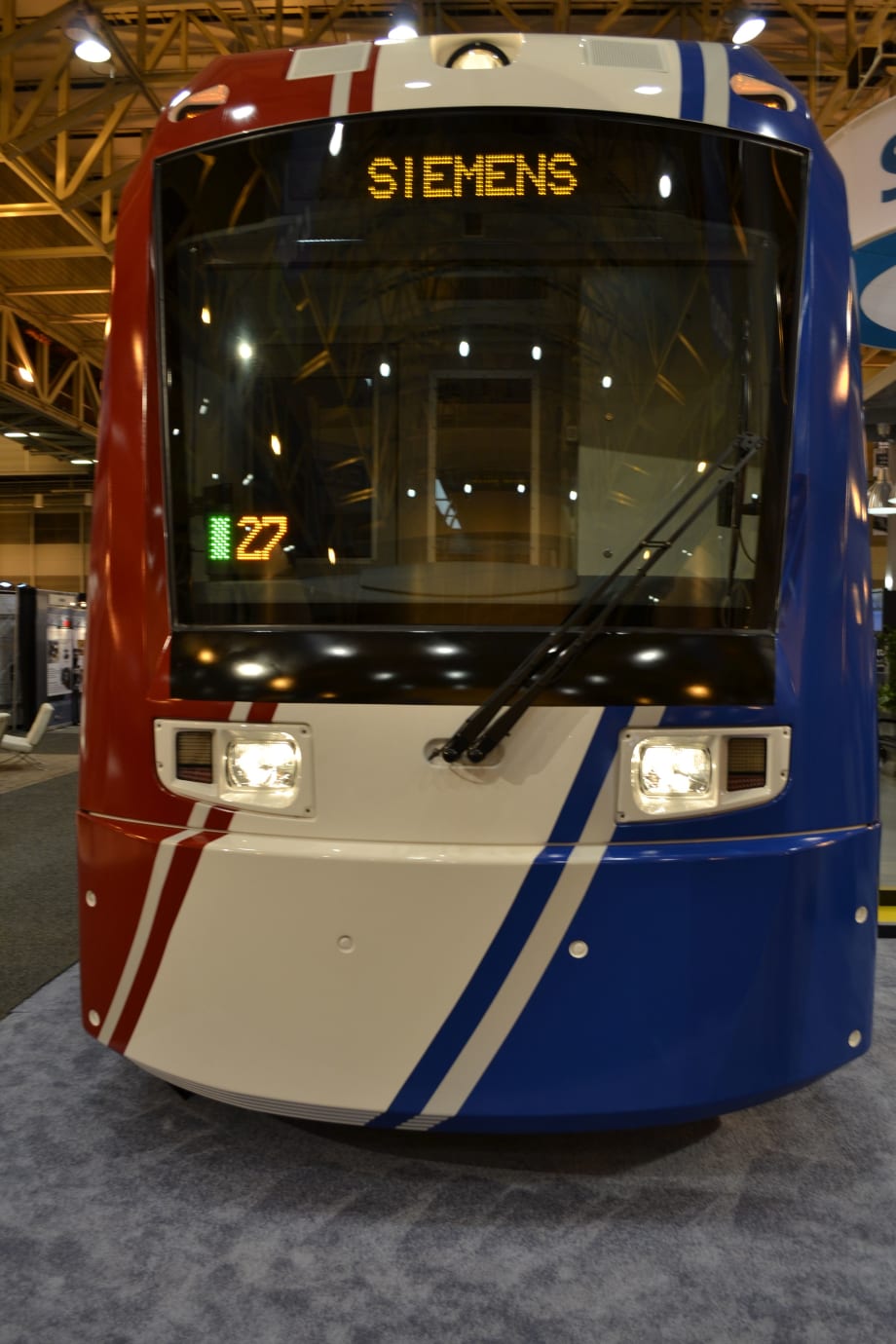
Siemens recently formed an Infrastructure & Cities (IC) in North America sector, which comprises the U.S., Canada, Mexico and Central America. Positive train control, signaling software and a new S70 streetcar, all tools used in the new sector, were on display in Booth # 4133.
Designed to help customers run their rail operations more efficiently, the sector is organized into five divisions: Building Technologies, Low and Medium Voltage (power distribution for utilities and facilities), Mobility and Logistics (traffic, transport and logistics management), Rail Systems (rail vehicles) and Smart Grid (intelligent power grids).
Siemens will continue to serve its established customer base under the new structure. The divisions will more closely align their respective businesses with their target markets, enabling the manufacturer to bundle its solutions for mobility, environmental protection and energy savings into one comprehensive offering.
Transportation is a key driver in cities, and the IC sector directly addresses the needs of city planners and policy makers, Rich Palmieri, director, business development said.
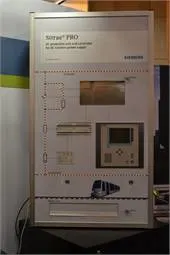
Featured products that serve important functions in the IC divisions included Siemens’ Vicos train control system, which enhances the dispatcher’s ability to monitor trains and set safety, efficiency and command-and-control parameters; Sicas S7 positive train control platform, designed specifically for the U.S. rail market, with interfaces and functionality required by North American operators; Sitras Pro, which protects DC switch gear and contact line systems against critical operating conditions and detects short-circuits, helping rail operators respond to traction events; and its new S70 streetcar, which Siemens shortened for the emerging U.S. market.
The shell on display for the streetcar being built for the Utah Transit Authority features a shorter, concealed coupler, designed for easy replacement to be more street environment-friendly, Palmieri said.
More Bus

New York MTA Plans Largest Bus Fleet Upgrade in More Than a Decade
The agency is seeking manufacturers for 650 new CNG buses to replace aging vehicles, improve reliability, and advance its broader fleet modernization strategy.
Read More →
Building a Flexible Path to Transit Electrification
John Hroncich discusses BAE Systems’ modular and scalable approach, lessons learned from decades of real-world operations, and how agencies can identify electrification strategies that fit their fleets.
Read More →
Bus Tech Talk: Keeping Transit Technicians Ahead of the Technology Curve
LA Metro’s Obed Mejia discusses technician training, evolving maintenance technology, fleet replacement, and strategies for getting the most out of today’s transit fleets.
Read More →
Biz Briefs: RIPTA Unveils New Frontrunners, Clevland RTA Adds New Siemens, and More
In METRO's latest installment, we take a look at recent news from Siemens, Prevost, Dodge, and more partnerships making headlines across the transportation sector.
Read More →
People Movement: Holly Arnold Joins Transdev and More
In this edition, we also cover recent appointments and announcements at Pace, CamTran, MCI, and more, showcasing the individuals helping to shape the future of transportation.
Read More →
The High Cost of Transit Buses: Industry Leaders Look to Procurement Reform
Transit leaders and policymakers examine how standardized bus designs, streamlined procurement, and predictable funding could help agencies stretch budgets and deliver better service.
Read More →
The Business Voice Behind Public Transportation
As chair of APTA’s Business Members Board of Governors, Ray Melleady explains how more than 850 business members are partnering with transit agencies to advance funding, innovation, and industry-wide collaboration.
Read More →
From Surviving to Thriving: Building Stronger Transportation Organizations
Bus Business Consultants founder Brian Dickson shares lessons on leadership, organizational health, and creating options for long-term success in a changing transportation industry.
Read More →
Finding the ‘Happy Medium’: Optimizing Maintenance Without Sacrificing Reliability
The key to maintenance optimization isn’t doing less work—it’s doing the right work at the right time on the right assets.
Read More →
LA Metro, City of West Hollywood, and Partners Advance Smarter Bus Lane Enforcement
The award-winning partnership combines AI-powered detection with human oversight to improve bus reliability, accessibility, and enforcement efficiency.
Read More →