



2-year transportation bill unanimously passed by EPW
The legislation maintains funding at current levels, reforms the nation's transportation programs to make them more efficient and provides robust assistance for transportation projects under the Transportation Infrastructure Finance and Innovation Act (TIFIA) program to leverage state, local and private-sector funding, according to the EPW.

The U.S. Senate Committee on Environment and Public Works (EPW) unanimously passed a bipartisan transportation reauthorization bill, S. 1813 or MAP-21, Moving Ahead for Progress in the 21st Century, which funds projects at current levels plus inflation over the next two years.
The legislation maintains funding at current levels, reforms the nation's transportation programs to make them more efficient and provides robust assistance for transportation projects under the Transportation Infrastructure Finance and Innovation Act (TIFIA) program to leverage state, local and private-sector funding, according to the EPW.
The two-year transportation plan was drafted by the committee's Chairwoman, Sen. Barbara Boxer (D-CA), and Sen. James Inhofe (R-OK). The bill's co-sponsors include the Senate Finance Committee's Chairman Sen. Max Baucus (D-MT) and Sen. David Vitter (R-LA), who are trying to find the money to pay for the plan.
The Senate bill aims to give states more flexibility in choosing what kinds of projects best meet their needs, while also requiring that they show in a more systematic way that they are using their aid to achieve federal goals like relieving traffic congestion, reducing air pollution and keeping roads and bridges in good repair, reported The Washington Post. It would eliminate or collapse 90 separate highway programs, each with its own pot of money, into about 30 mostly larger pots, providing a departure from the current highway program.
"I couldn't be more proud today to be Chairman of this Committee. The bill before us is completely bipartisan, and therefore, nobody will think it is perfect, but it is a very strong commitment to our transportation system and to the health of our businesses, workers and communities who depend on it, said Sen. Boxer. "No nation can be an economic leader if it can't move people and goods; no nation can thrive if its people are trapped in traffic, losing 4.8 billion hours from work and paying the price for polluted air."
The bill would also increase funding for a federal transportation loan guarantee program from $122 million a year to $1 billion a year, while reducing the share of money states have to contribute to projects. The federal guarantees can reduce states' financing cost for large projects through lower interest rates.
"I must point out that our bill still has a $12 billion shortfall," said Sen. Inhofe. "We are very fortunate to have the Chairman of the Finance Committee, Senator Baucus, working so closely with us toward a bipartisan solution. I will continue to support his efforts and work behind the scenes to help him with Republicans. The only way this bill will move forward is if it is fiscally responsible and does not add to the deficit."
Rep. John Mica (R-Fla.), chairman on the House Transportation Committee, has not yet introduced his plan but has outlined some key features that are similar to the Senate's bill, including the elimination or collapse of all 108 existing federal highway and transit programs into a handful of aid programs to give states more flexibility in choosing projects, The Washington Post reported.
House Republicans are expected to release a six-year transportation authorization plan later this month.
"While we would prefer to see a longer-term authorization, this bill is a significant step forward in addressing our nation's vast transportation infrastructure needs," said Building America's Future President Marcia Hale in a statement. "The bill includes many of the critical reforms that Building America's Future has long supported, including consolidating or eliminating programs; taking steps to ensure that projects can be completed faster, such as expanding innovative contracting methods and encouraging early coordination between relevant reviewing agencies; increasing Transportation Infrastructure Finance and Innovation Act (TIFIA) authorization; including greater accountability; and recognizing the importance of reliable goods movement by establishing a new Freight Network Program. However, the bill should have done more to give states greater flexibility to toll their interstates."
More Paratransit

Biz Briefs: RIPTA Unveils New Frontrunners, Clevland RTA Adds New Siemens, and More
In METRO's latest installment, we take a look at recent news from Siemens, Prevost, Dodge, and more partnerships making headlines across the transportation sector.
Read More →
King County Metro Makes ADA Paratransit Easier to Navigate
METRO's Innovative Solutions Award winner replaces complex service-area descriptions with an accessible, interactive map that puts paratransit information directly in customers’ hands.
Read More →
Jacksonville’s NAVI Project Charts a New Course for Autonomous Public Transportation
Through its NAVI program, JTA is showing how autonomous vehicles, intelligent infrastructure, and coordinated operations can work together to deliver everyday public transportation.
Read More →
Driving Smarter Paratransit
John Hanlon shares how AlphaRoute is leveraging AI-powered technology to help paratransit providers optimize operations, support frontline staff, and enhance the rider experience.
Read More →
METRO Magazine Announces 2026 Innovative Solutions Awards Winners
Projects Recognized for Advancing Mobility Through Technology, Accessibility, Workforce Innovation, and Operational Excellence
Read More →
Biz Briefs: STV teams with Amtrak, Motorcoach Operators Boost Fleet and Land Contracts, and More
From manufacturers and suppliers to transit agencies and motorcoach operators, these updates offer a snapshot of the projects, partnerships and business moves driving the industry forward.
Read More →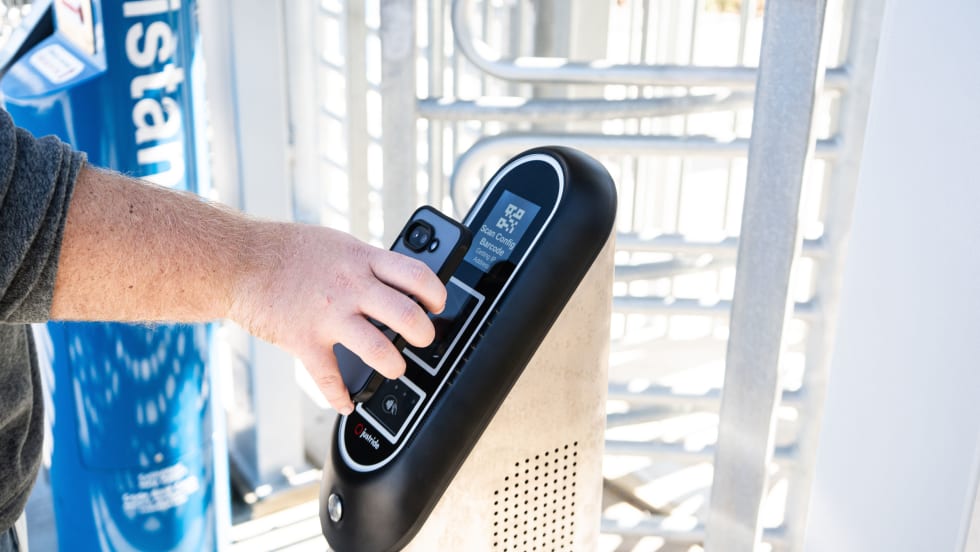
Biz Briefs: Masabi Teams with St. Louis Metro and More
In METRO's latest installment, we take a look at recent news from Transdev, Hitachi, and more partnerships making headlines across the transportation sector.
Read More →
New York MTA Leverages Zoning Program to Advance Station Accessibility
Accessibility enhancements at Nevins St Station will be financed through a development agreement tied to the MTA's Zoning for Accessibility initiative.
Read More →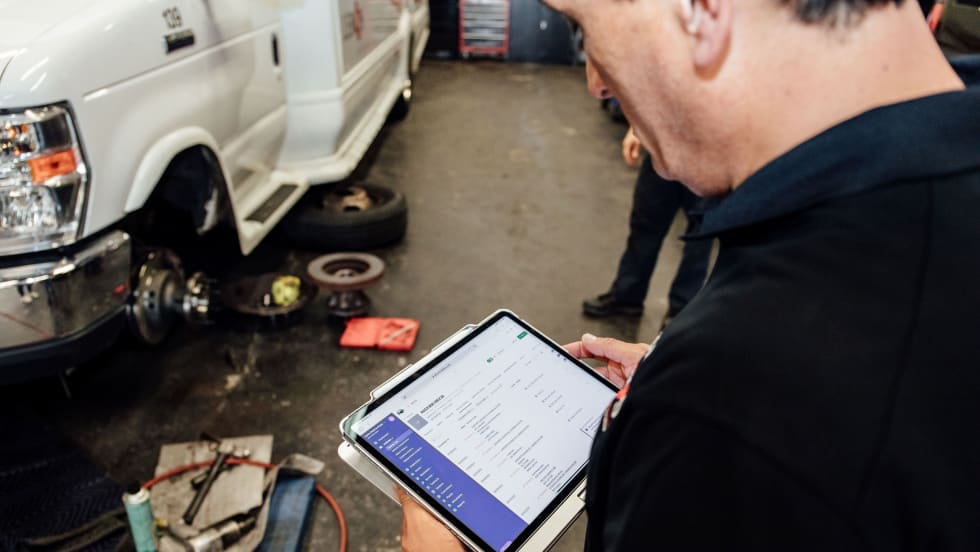
Reinventing Fleet Maintenance with Real-time Visibility and AI
Transit leaders need to know what needs fixing, where to look, who is responsible, when work is completed, and what it costs without having to chase information across disconnected systems.
Read More →
SamTrans Sets Priorities for Potential Connect Bay Area Revenue
The board-approved framework allocates future funding to maintaining service, rider improvements, equity initiatives, and infrastructure repairs.
Read More →