



NTSB: Curbside carriers pose safety oversight challenge
The fatal accident rate for curbside carriers from January 2005 to March 2011 was 7 times that of conventional bus operations: 1.4 fatal accidents per 100 vehicles for curbside carriers compared with 0.2 fatal accidents per 100 vehicles for conventional scheduled carriers.

In general, motorcoach travel is safe, according to a newly released study, however, the report found that curbside carriers with ten or fewer buses and carriers who have been in business for ten years or less, have higher accident rates and higher roadside inspection violation rates.
The report, the results of a six-month study on curbside motorcoach safety initiated following a series of accidents in this rapidly growing industry, was released Monday by the National Transportation Safety Board (NTSB).
The study — requested by U.S. Senator Charles E. Schumer and U.S. Congresswoman Nydia M. Velázquez following the March 12, 2011, bus crash in the Bronx that killed 15 and injured 18 more — highlights key safety issues related to this fast-growing segment of the transportation industry.
"Business and safety practices within the growing curbside bus industry create challenges for enforcement authorities and consumers alike when it comes to separating the safe operators from the unsafe operators," Chairman Deborah A.P. Hersman said during Monday's press conference.
"It's abundantly clear that the oversight of this industry has not kept pace with its growth and the consequences have been deadly," said Sen. Schumer. "The NTSB report is a wake-up call that we need a more rigorous regulatory regime and it provides a blueprint for how to fill the gaps."
This report is the first comprehensive evaluation of the motorcoach industry, with an emphasis on what are commonly known as curbside carriers. Curbside motorcoach operations consist of scheduled trips that begin or end at locations other than traditional bus terminals; most of these operations pick up or discharge passengers at one or more curbside locations. The study analyzed the Federal Motor Carrier Safety Administration's (FMCSA) data and conducted field work, which included interviews, focus groups, and observations of compliance reviews and inspections.
Key study findings include:
In general, motorcoach travel is safe. However, curbside carriers with ten or fewer buses AND carriers who have been in business for ten years or less have higher accident rates and higher roadside inspection violation rates.
The fatal accident rate for curbside carriers from January 2005 to March 2011 was 7 times that of conventional bus operations: 1.4 fatal accidents per 100 vehicles for curbside carriers compared with 0.2 fatal accidents per 100 vehicles for conventional scheduled carriers.
The exclusion of buses from routine enroute inspections — especially of curbside carriers that don't operate from terminals — reduces opportunities to discover safety violations.
The FMCSA is overburdened. For example, 878 FMCSA and state personnel are responsible for compliance reviews for more than 765,000 U.S. motor carriers, a ratio of 1.15 investigators per 1,000 motor carriers.
Bus driver fatigue, a contributing factor in many accidents, is a continuing safety concern.
There is a lack of transparency in ticket sales. More than conventional carriers, curbside operators use online bus brokers. FMCSA has no authority to regulate these brokers.
"Motorcoach safety is on the NTSB's Most Wanted List because of the potential for high-consequence accidents like we saw in the Bronx," said Chairman Hersman. "It's time to recognize that traditional transportation services have morphed into new business models that challenge existing regulatory constructs. I want to thank Senator Schumer and Congresswoman Velázquez for their leadership on this important safety issue."
Since March 2011, the NTSB has initiated investigations into two curbside bus crashes and has been assessing safety issues in three others. These five accidents resulted in 22 fatalities and 159 injuries.
This study and its Executive Summary are available online.
More Motorcoach
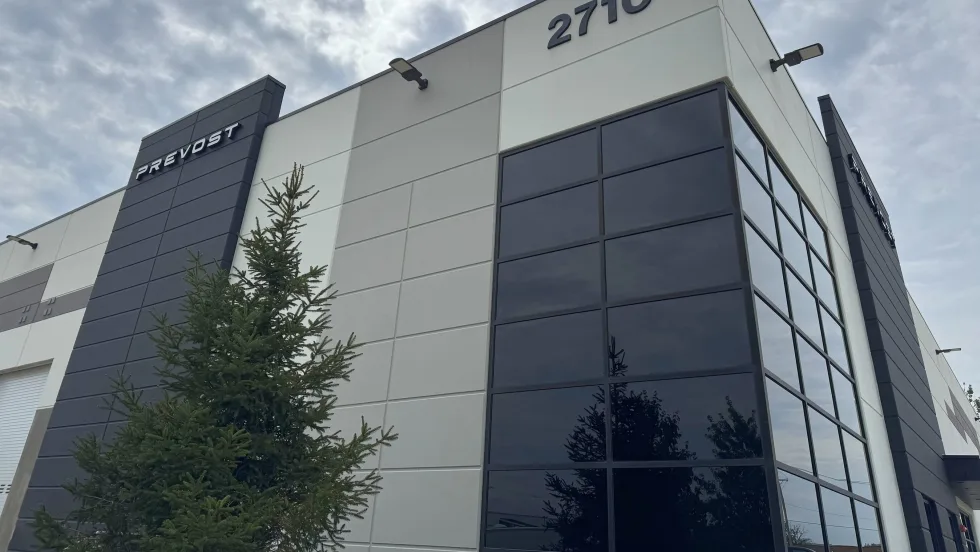
Prevost Opens Expanded Chicago-Area Service Center
The $8.1 million Elk Grove Village investment nearly triples facility space while adding service capacity, parts storage, and customer amenities.
Read More →
People Movement: Dan Dipert Coaches Adds Third-Generation Leader, Keolis Names New Valley Metro VP/GM, and More
In this edition, we also cover recent appointments and announcements at the Wabtec, SilverRide, HNTB, and more, showcasing the individuals helping to shape the future of transportation.
Read More →
METRO Opens Submissions for 2026 Motorcoach Awards
Nominations are now being accepted for METRO Magazine’s Operator of the Year and Innovative Operator of the Year awards.
Read More →
Biz Briefs: Alstom Lands Canadian Contract, LYT to Supply California TSP, and More
In METRO's latest installment, we take a look at recent news from Complete Coach Works, Beep, FlixBus, and more partnerships making headlines across the transportation sector.
Read More →
Biz Briefs: RIPTA Unveils New Frontrunners, Clevland RTA Adds New Siemens, and More
In METRO's latest installment, we take a look at recent news from Siemens, Prevost, Dodge, and more partnerships making headlines across the transportation sector.
Read More →
People Movement: Holly Arnold Joins Transdev and More
In this edition, we also cover recent appointments and announcements at Pace, CamTran, MCI, and more, showcasing the individuals helping to shape the future of transportation.
Read More →
ABA Report: Motorcoach Travel Generates $161.6B Economic Impact
The 2025 analysis finds motorcoach travel supported nearly 900,000 jobs and generated $28 billion in federal, state, and local taxes.
Read More →
CharterUP’s Armir Harris on Technology, AI, and the Future of Group Mobility
In a recent episode of METROspectives, CharterUP Founder/CEO Armir Harris discussed the company’s evolution from an online charter bus marketplace into a technology platform supporting public- and private-sector mobility and much more.
Read More →
People Movement: ABC Names John Walsh as Chief Commercial Officer
In this edition, METRO also covers recent appointments and announcements at the DART, STV, and more, showcasing the individuals helping to shape the future of transportation.
Read More →
From Surviving to Thriving: Building Stronger Transportation Organizations
Bus Business Consultants founder Brian Dickson shares lessons on leadership, organizational health, and creating options for long-term success in a changing transportation industry.
Read More →