



Cubic wins $454M Chicago open payment system contract
Company will transition the agency from its current agency-issued fare media to an open payment system where customers can use their existing credit or debit cards as a ticket, bringing the retail experience to transit ticketing.

Cubic Transportation Systems, a business unit of San Diego-based Cubic Corp., has been selected for contract award by the Chicago Transit Authority (CTA) to integrate, deliver, operate and maintain the agency’s next-generation open payments system that will accept bank cards and, ultimately, mobile phone payments.
The contract has an estimated value of $454 million, making it the largest automated fare collection contract ever placed in North America, according to a company statement. Cubic will operate and maintain the entire system, resulting in an overall 12-year partnership between Cubic and the CTA.
To create the CTA Open Standards Fare System (OSFS), Cubic will transition the agency from its current agency-issued fare media to an open payment system where customers can use their existing credit or debit cards as a ticket, bringing the retail experience to transit ticketing. Like most transit agencies today, the CTA operates a “closed loop” fare collection system, selling its own magnetic tickets and smart cards that can be used only on CTA and Pace.
Riders without credit or debit cards will be issued reloadable prepaid debit cards that can be used for everyday purchases and CTA rides.
“The CTA is taking a revolutionary approach that will transform travel for the more than 1.6 million rides citizens take each day on the CTA to get to their jobs, schools and other destinations,” said Richard Wunderle, senior vice president and general manager of Cubic Transportation Systems North America.
Cubic will be the systems integrator and services provider, leading a team that will also include First Data Corporation, Carolyn Grisko & Associates, Americaneagle.com, Bank of America and Bank of America Merchant Services.
“In taking this action, the Chicago Transit Authority will upgrade its fare equipment, save additional money over time, improve the customer experience, grow ridership and keep abreast of rapidly-changing technology. It’s a major step forward, and we and our partners are eager to begin,” said Cubic Transportation Systems vice president John Satterfield.
Cubic is the transit industry’s leading provider of revenue management and business information systems and services. The CTA — which has been a Cubic customer since 1993 when Cubic was awarded the contract to deliver Chicago’s current system — is among major customers that include London, Washington, D.C., San Francisco Bay Area, Atlanta, Miami/South Florida, Los Angeles, New York/New Jersey, Brisbane, Sydney and Vancouver.
The contract award culminates the CTA’s competitive procurement that included several major competitors in the transit industry. Cubic expects to execute the contract in the near future.
The estimated contract value of $454 million is made up of both fixed and variable revenue components. The payments under the contract will begin when the commercial service status of the system is achieved, which is expected to be within the first two years of the contract. The company will not likely recognize revenues from the contract until that milestone is reached.
More Bus

Frontrunner Bus Group Expands with New Massachusetts Headquarters
The significantly larger facility will provide the infrastructure needed to support the company’s growing workforce, advanced technologies, and expanding product line.
Read More →
Joshua Schank on Transportation Innovation, Risk, and the Future of Mobility
In this edition of METROspectives, Joshua Schank discusses lessons from launching LA Metro’s Office of Extraordinary Innovation, the challenges of advancing new mobility technologies, and much more.
Read More →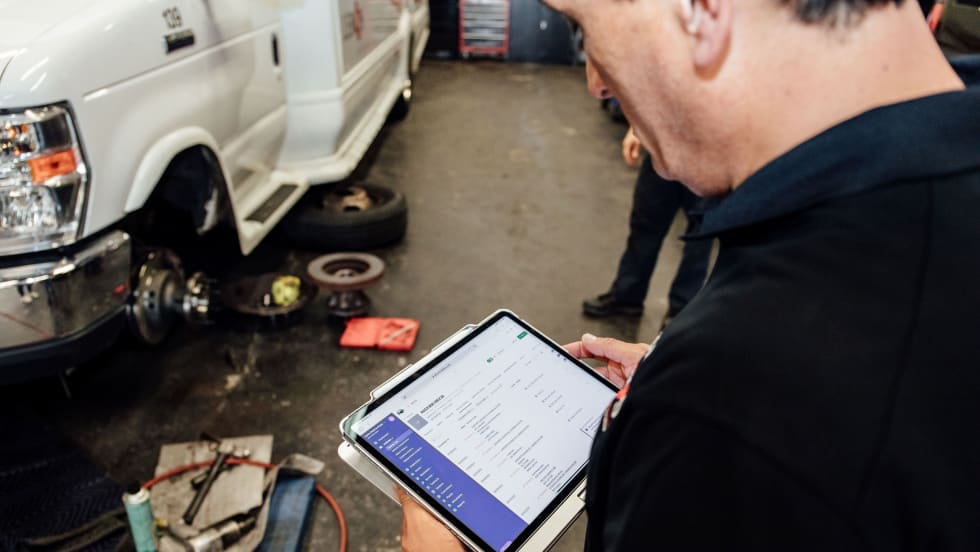
Reinventing Fleet Maintenance with Real-time Visibility and AI
Transit leaders need to know what needs fixing, where to look, who is responsible, when work is completed, and what it costs without having to chase information across disconnected systems.
Read More →
SamTrans Sets Priorities for Potential Connect Bay Area Revenue
The board-approved framework allocates future funding to maintaining service, rider improvements, equity initiatives, and infrastructure repairs.
Read More →
When Routine Fails: How Public Transit Must Adapt for the World Cup
The 2026 FIFA World Cup will test transit agencies’ ability to manage unpredictable travel patterns, making real-time data and operational flexibility critical to moving millions of visitors efficiently.
Read More →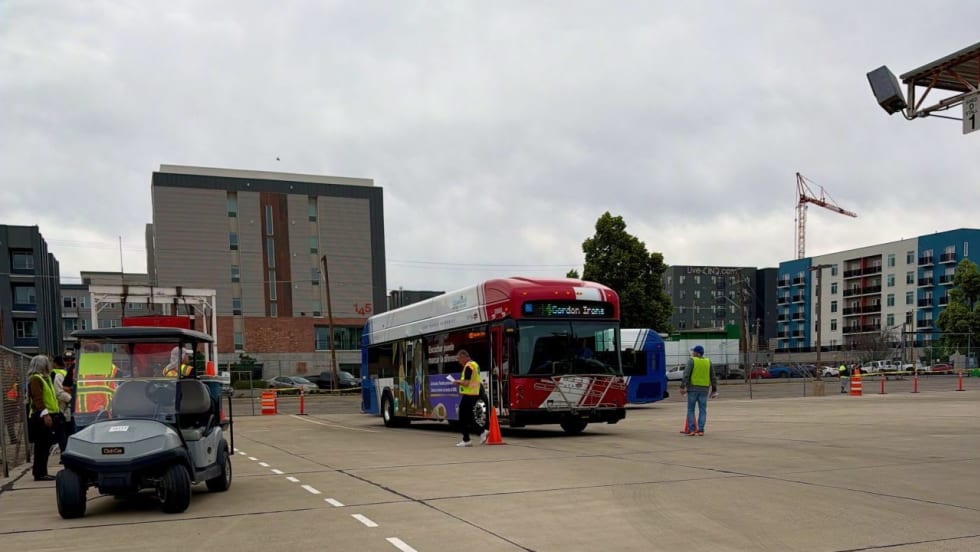
Photo Highlights from APTA's 2026 Mobility Conference
The photo gallery captures scenes from the conference, including the International Bus Roadeo, exhibit hall activities, the Bus Showcase, and much more.
Read More →
Chicago's NITA Act Moves Into Next Phase as Service Improvements Begin
Rider-focused improvements will begin rolling out across the system immediately as CTA, Metra, and Pace increase service this summer in the six-county region.
Read More →
Philadelphia's SEPTA Approves Annual Transit Service Plan
Between 2021 and 2024, SEPTA held more than 200 public meetings — including 144 in-person sessions — throughout the SEPTA service region.
Read More →
A True Low-Floor Minibus Design Delivers Better Accessibility and Efficiency for Everyone
As transit demands evolve, so should your fleet. Download the whitepaper to see how the Low-Floor Frontrunner Minibus compares to traditional options.
Read More →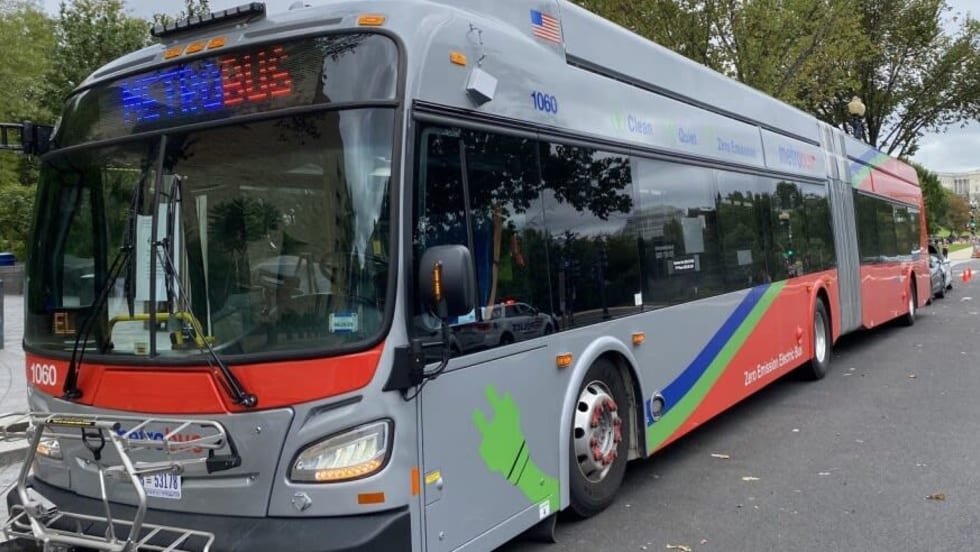
WMATA Debuts 'Fares Pay for Service' Awareness Campaign
The campaign was highlighted during a media event at the Paul S. Sarbanes Transit Center in Silver Spring, where WMATA’s GM/CEO Randy Clarke joined Metro Transit Police officers, WMATA management team, board members, and staff to expand fare enforcement and customer education efforts on Metro Bus routes throughout the region.
Read More →