



NTSB: 34,925 transportation deaths in 2010
Rail fatalities increased from 742 to 813, with the majority at grade crossings, though deaths on light, heavy and commuter rail rose from 229 to 253.

Despite an overall downward trend in transportation fatalities in the U.S., estimates for 2010 released by the National Transportation Safety Board (NTSB) reveal a rise in several categories, including motorcycles, medium and heavy trucks, buses and rail.
"Though the NTSB continues to advocate for changes to address human factors, equipment and infrastructure improvements to prevent crashes, we continue to see far too many deaths each year," said NTSB Chairman Deborah A.P. Hersman.
The data indicate that overall transportation fatalities decreased to 34,925 in 2010 from 35,994 in 2009.
The total number of fatalities on U.S. roadways dropped by about 1,000 (33,883 to 32,885) with the majority of vehicle-related deaths involving passenger cars and light trucks and vans.
Motorcycle-related deaths saw the largest increase (4,469 to 4,502), but deaths also rose for occupants in medium- and heavy-duty trucks (499 to 529) and buses (26 to 44).
Meanwhile, rail fatalities increased from 742 to 813, with the majority at grade crossings, though deaths on light, heavy and commuter rail rose from 229 to 253.
For the full numbers, click here.
More Bus
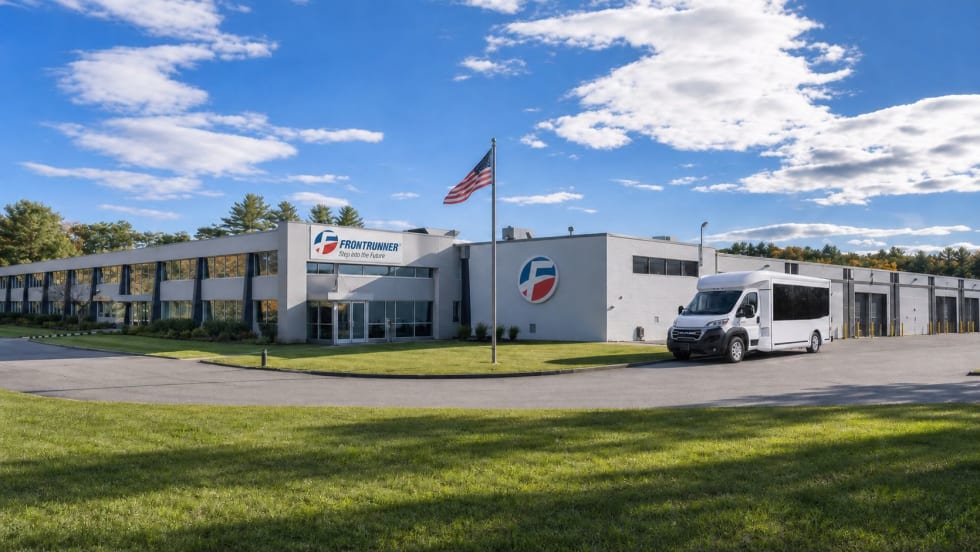
Frontrunner Bus Group Expands with New Massachusetts Headquarters
The significantly larger facility will provide the infrastructure needed to support the company’s growing workforce, advanced technologies, and expanding product line.
Read More →
Joshua Schank on Transportation Innovation, Risk, and the Future of Mobility
In this edition of METROspectives, Joshua Schank discusses lessons from launching LA Metro’s Office of Extraordinary Innovation, the challenges of advancing new mobility technologies, and much more.
Read More →
Reinventing Fleet Maintenance with Real-time Visibility and AI
Transit leaders need to know what needs fixing, where to look, who is responsible, when work is completed, and what it costs without having to chase information across disconnected systems.
Read More →
SamTrans Sets Priorities for Potential Connect Bay Area Revenue
The board-approved framework allocates future funding to maintaining service, rider improvements, equity initiatives, and infrastructure repairs.
Read More →
When Routine Fails: How Public Transit Must Adapt for the World Cup
The 2026 FIFA World Cup will test transit agencies’ ability to manage unpredictable travel patterns, making real-time data and operational flexibility critical to moving millions of visitors efficiently.
Read More →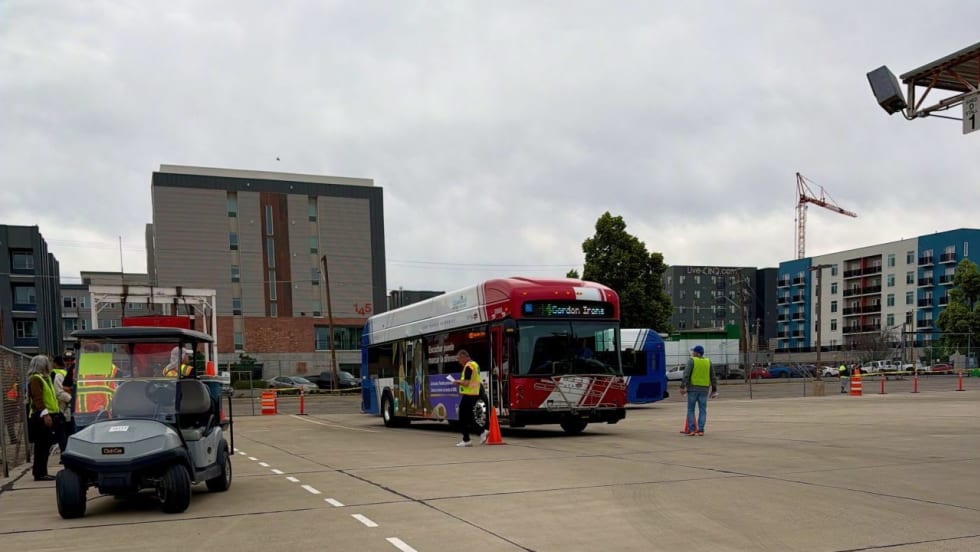
Photo Highlights from APTA's 2026 Mobility Conference
The photo gallery captures scenes from the conference, including the International Bus Roadeo, exhibit hall activities, the Bus Showcase, and much more.
Read More →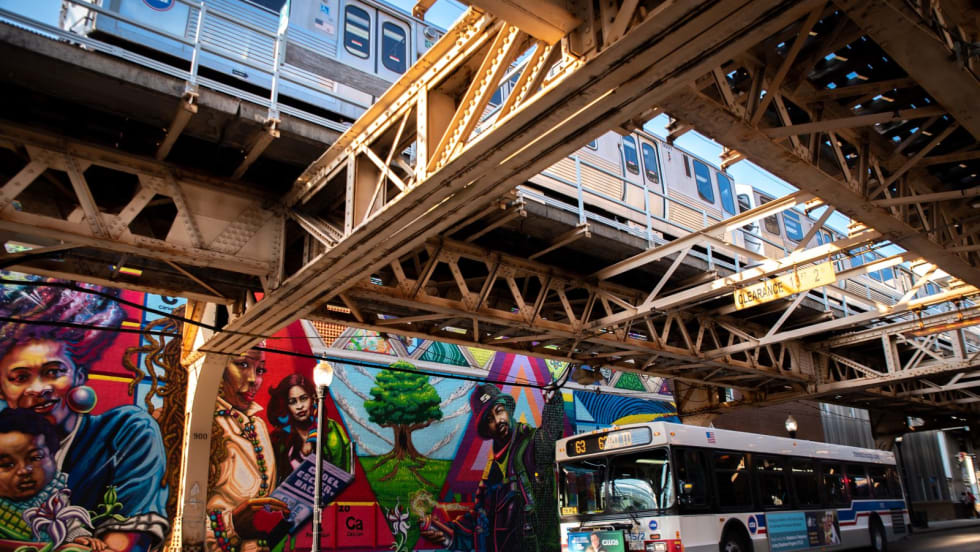
Chicago's NITA Act Moves Into Next Phase as Service Improvements Begin
Rider-focused improvements will begin rolling out across the system immediately as CTA, Metra, and Pace increase service this summer in the six-county region.
Read More →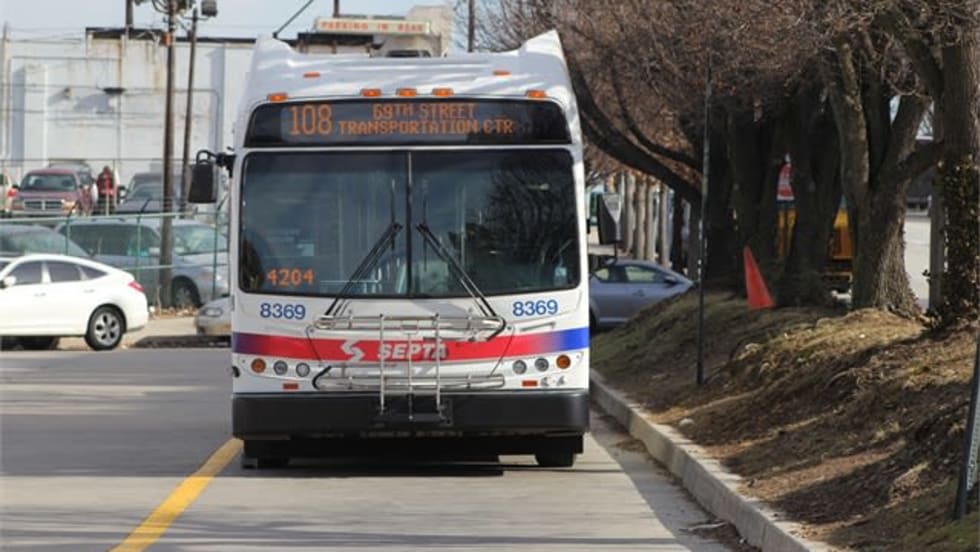
Philadelphia's SEPTA Approves Annual Transit Service Plan
Between 2021 and 2024, SEPTA held more than 200 public meetings — including 144 in-person sessions — throughout the SEPTA service region.
Read More →
A True Low-Floor Minibus Design Delivers Better Accessibility and Efficiency for Everyone
As transit demands evolve, so should your fleet. Download the whitepaper to see how the Low-Floor Frontrunner Minibus compares to traditional options.
Read More →
WMATA Debuts 'Fares Pay for Service' Awareness Campaign
The campaign was highlighted during a media event at the Paul S. Sarbanes Transit Center in Silver Spring, where WMATA’s GM/CEO Randy Clarke joined Metro Transit Police officers, WMATA management team, board members, and staff to expand fare enforcement and customer education efforts on Metro Bus routes throughout the region.
Read More →