



Senate coalition urges extension of mass-transit benefits
Issued a letter to Senate Finance Committee Chairman Max Baucus (D-Mont.) and Ranking Member Orrin Hatch (R-Utah) stressing the importance of the benefit.

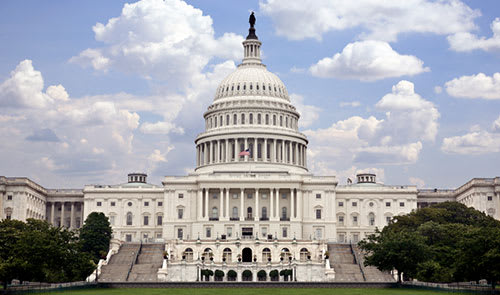

A bipartisan coalition of 22 Senators are urging the Senate Finance Committee to include an extension of the widely used mass-transit commuter tax credit in any relevant legislation taken up by the Senate before it expires at the end of the year.
The tax credit has an immediate impact on the region’s federal workforce and middle-class commuters across the nation. At a savings of more than $1,000 per year, it eases the burden of high travel costs on families, allowing them to invest it in the local economy.
“Congress should not keep chipping away at essential benefits that help Federal employees do the work of the American people. Eliminating the mass-transit credit would take a cut out of the paychecks of hardworking middle-class families trying to get by in an already tough economy,” said U.S. Sen. Ben Cardin (D-MD). “Promoting the use of mass transit helps our workers but it also helps reduce traffic congestion on our region’s highways and improve air quality by taking thousands of cars off the road.”
In 2009, Congress raised the tax-free benefit that workers could apply toward monthly commuting costs from $120 per month up to $230 per month, putting mass-transit benefits on the same level as parking benefits. Nationally, more than 2.5 million commuters utilize the transit credit, with more than 250,000 spending more than $125 per month. If this tax credit, which is set to expire December 31, is not renewed, the cost of commuting will rise by up to 22 percent for these commuters with high monthly costs.
Earlier this year, Senators Barbara Mikulski (D-MD) and Cardin cosponsored the Commuter Benefits Equity Act of 2011, legislation by Senator Chuck Schumer (D-NY) that would make the mass-transit tax credit permanent, and on the same level as parking benefits.
In their letter to Senate Finance Committee Chairman Max Baucus (D-Mont.) and Ranking Member Orrin Hatch (R-Utah), the Senators wrote, “Commuter benefits are one of the core benefits offered by employers, after health, retirement and disability benefits. This important benefit eases the burden of commuting costs on families, relieves congestion, reduces the stress on our highway system and decreases our reliance on foreign oil.”
In addition to Senators Mikulski and Cardin, the letter is signed by Senators Robert Menendez (D-N.J.), John Kerry (D-Mass.), Joseph Lieberman (I-Conn.), Jeff Merkley (D-Ore.), Frank Lautenberg (D-N.J.), Tom Carper (D-Del.), Ron Wyden (D-Ore.), Richard Durbin (D-Ill.), Chuck Schumer (D-N.Y.), Patty Murray (D-Wash.), Barbara Boxer (D-Calif.), Chris Coons (D-Del.), Tom Udall (D-N.M.), Daniel Akaka (D-Hawaii), Richard Blumenthal (D-Conn.), Scott Brown (R-Mass.), Kirsten Gillibrand (D-N.Y.), Mark Kirk (R-Ill.), Mark Warner (D-Va.) and Sheldon Whitehouse (D-R.I.).
The full text of the Senators’ letter follows:
December 9, 2011
Senator Max Baucus, Chairman
Senate Committee on Finance
219 Dirksen Office Building
Washington, DC 20510
Senator Orrin Hatch, Ranking Member
Senate Committee on Finance
219 Dirksen Office Building
Washington, DC 20510
Dear Chairman Baucus and Ranking Member Hatch,
We are writing to you today to urge the Senate to include an extension of the tax-free benefit for mass-transit users in any tax legislation that may pass the Senate this year. Unlike other tax cuts, the higher mass transit benefit is one that impacts employers and employees immediately and cannot be extended retroactively.
As you know, in 2009 Congress raised the tax-free benefit that workers could apply toward monthly commuting costs, from $120 per month up to $230 per month, putting transit benefits on par with parking benefits. This important benefit eases the burden of commuting costs on families, relieves congestion, reduces the stress on our highway system and decreases our reliance on foreign oil.
The increase in the transit benefit cap to $230 per month is set to expire at the end of 2011 and return to $125 per month with the recent IRS cost of living adjustment. That would represent a significant tax increase for middle-class commuters and their employers, who currently do not have to pay federal payroll taxes on the amount of the benefit.
Commuter benefits are one of the core benefits offered by employers, after health, retirement, and disability benefits. Nationally, more than 2.5 million people now use the transit benefit, with over 250,000 of those users spending more than $125 per month. For these commuters with high monthly costs, the imminent drop in the benefit cap will result in an increase in the cost of commuting of up to 22%.
Given the context of the underlying tax debate, we stress the importance of extending this benefit in the most fiscally responsible way possible. There are a number of different permutations by which this policy could be extended. It is possible to extend this benefit in a way that carries little to no net cost to the taxpayer. Ultimately, we believe very strongly that parity with the parking benefit should be retained.
Thank you for your consideration of this matter. We are ready to work with you to formulate an affordable long-term policy on the transit benefit that will prevent tax increases for hundreds of thousands of our constituents and their employers.
More Bus

Frontrunner Bus Group Expands with New Massachusetts Headquarters
The significantly larger facility will provide the infrastructure needed to support the company’s growing workforce, advanced technologies, and expanding product line.
Read More →
Joshua Schank on Transportation Innovation, Risk, and the Future of Mobility
In this edition of METROspectives, Joshua Schank discusses lessons from launching LA Metro’s Office of Extraordinary Innovation, the challenges of advancing new mobility technologies, and much more.
Read More →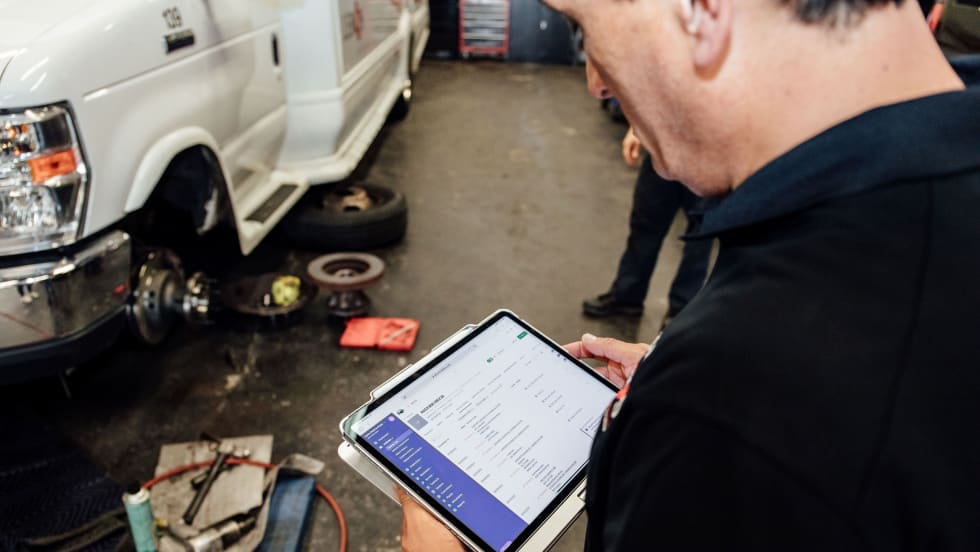
Reinventing Fleet Maintenance with Real-time Visibility and AI
Transit leaders need to know what needs fixing, where to look, who is responsible, when work is completed, and what it costs without having to chase information across disconnected systems.
Read More →
SamTrans Sets Priorities for Potential Connect Bay Area Revenue
The board-approved framework allocates future funding to maintaining service, rider improvements, equity initiatives, and infrastructure repairs.
Read More →
When Routine Fails: How Public Transit Must Adapt for the World Cup
The 2026 FIFA World Cup will test transit agencies’ ability to manage unpredictable travel patterns, making real-time data and operational flexibility critical to moving millions of visitors efficiently.
Read More →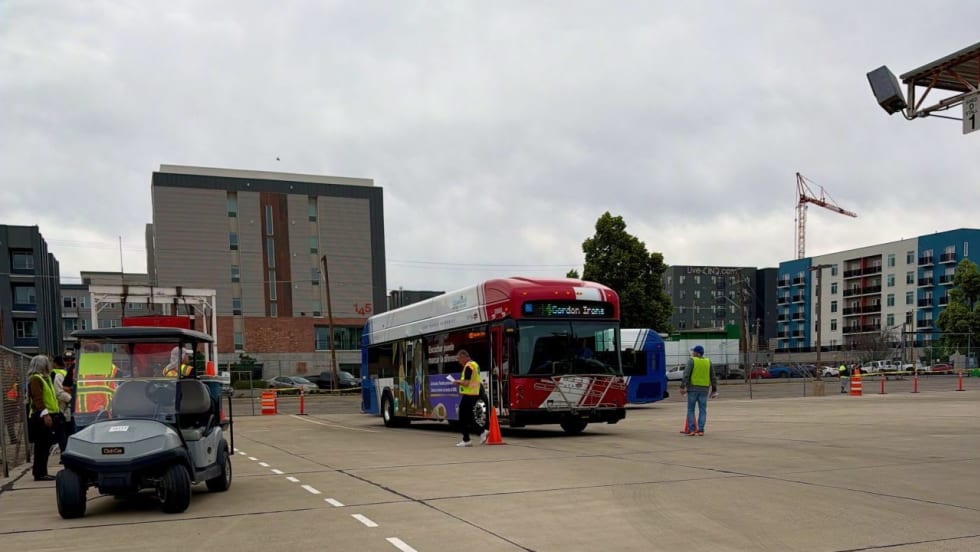
Photo Highlights from APTA's 2026 Mobility Conference
The photo gallery captures scenes from the conference, including the International Bus Roadeo, exhibit hall activities, the Bus Showcase, and much more.
Read More →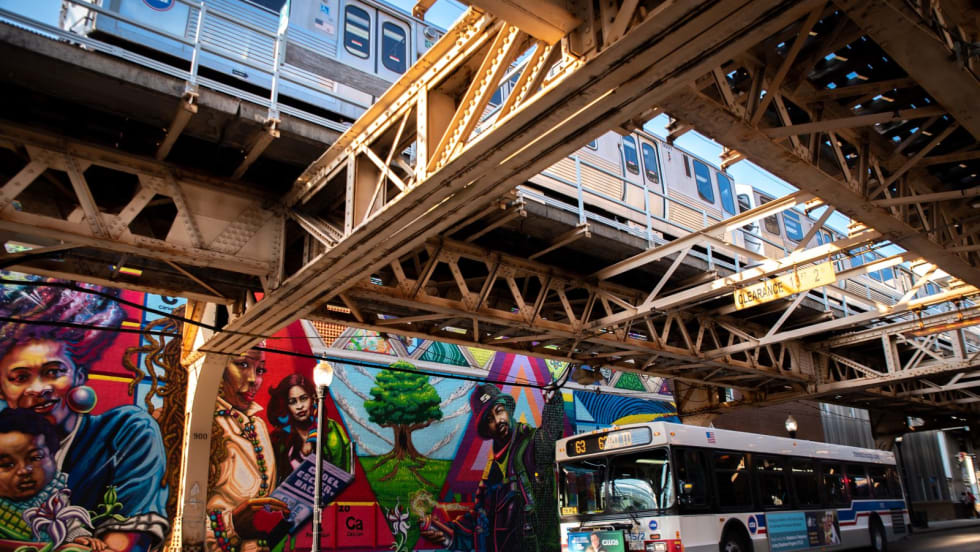
Chicago's NITA Act Moves Into Next Phase as Service Improvements Begin
Rider-focused improvements will begin rolling out across the system immediately as CTA, Metra, and Pace increase service this summer in the six-county region.
Read More →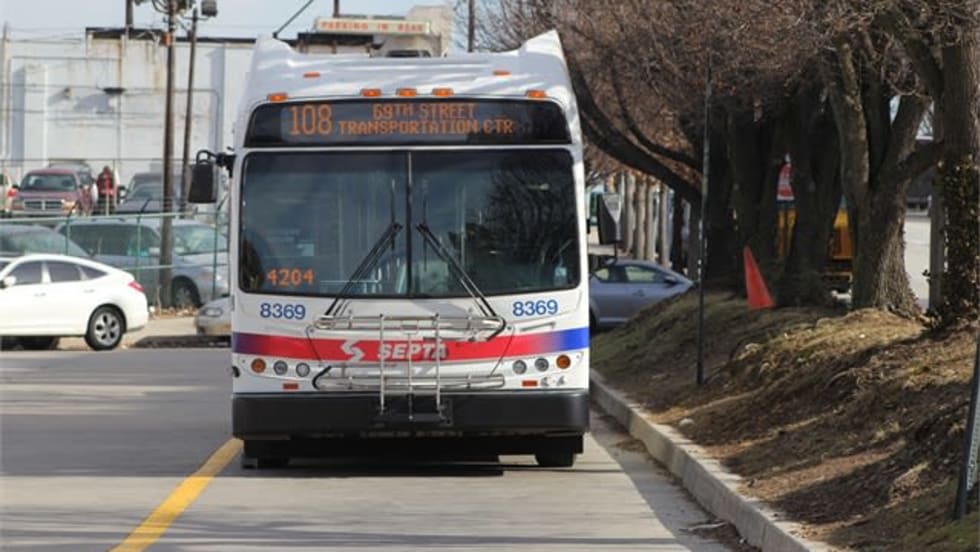
Philadelphia's SEPTA Approves Annual Transit Service Plan
Between 2021 and 2024, SEPTA held more than 200 public meetings — including 144 in-person sessions — throughout the SEPTA service region.
Read More →
A True Low-Floor Minibus Design Delivers Better Accessibility and Efficiency for Everyone
As transit demands evolve, so should your fleet. Download the whitepaper to see how the Low-Floor Frontrunner Minibus compares to traditional options.
Read More →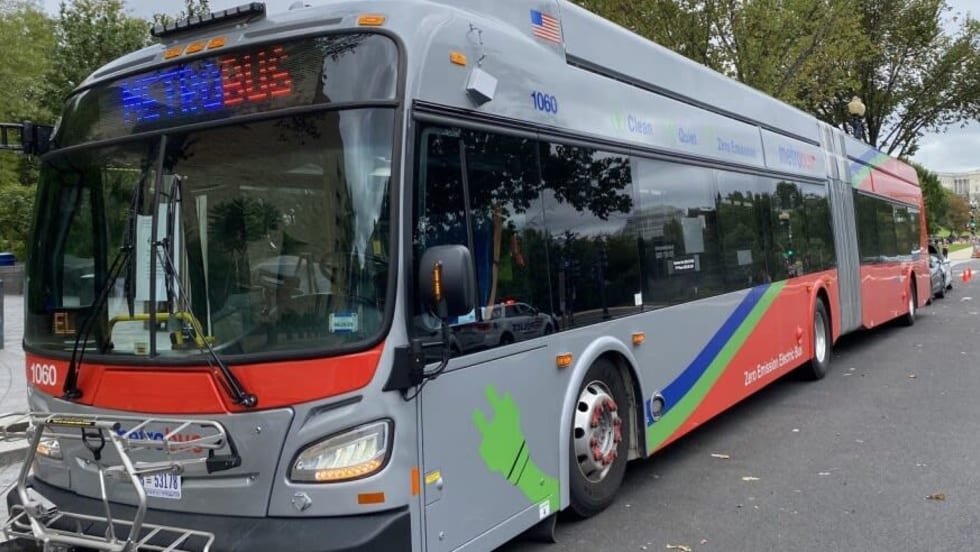
WMATA Debuts 'Fares Pay for Service' Awareness Campaign
The campaign was highlighted during a media event at the Paul S. Sarbanes Transit Center in Silver Spring, where WMATA’s GM/CEO Randy Clarke joined Metro Transit Police officers, WMATA management team, board members, and staff to expand fare enforcement and customer education efforts on Metro Bus routes throughout the region.
Read More →