



Nashville study finds BRT half as costly as streetcars
Estimates a BRT system would cost $136 million to construct, less than half the $275 million required for streetcars. The number of trips riders would make on either system would be about the same, 4,500 average weekday trips on BRT versus 4,800 on streetcars in the first year.

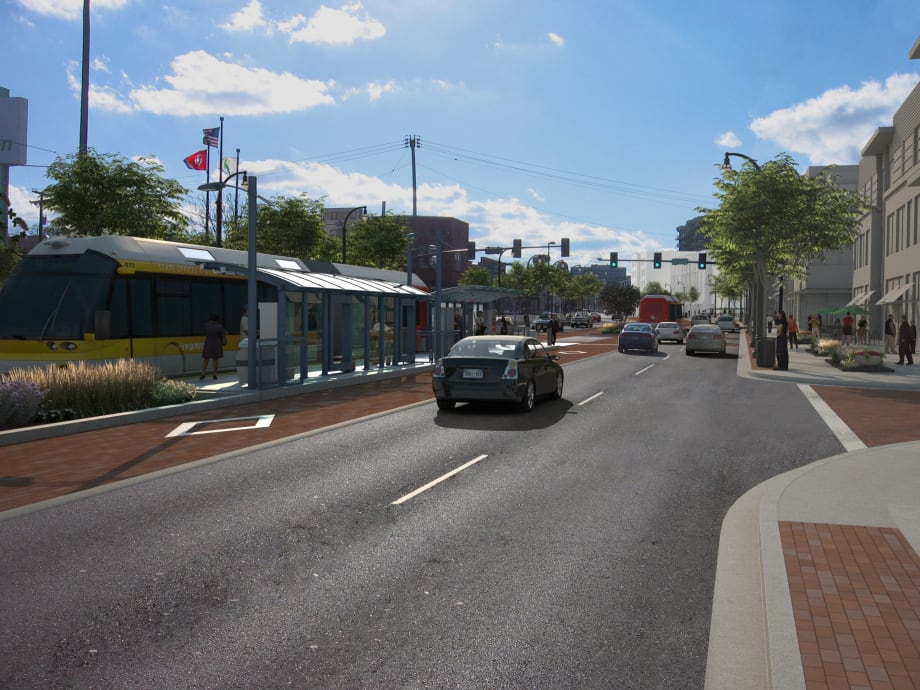
Rendering of BRT corridor courtesy Metropolitan Government of Nashville and Davidson County, Tenn.

A study of the East-West corridor from Five Points in East Nashville to White Bridge Road in West Nashville found that a bus rapid transit (BRT) system will cost half as much to build as streetcars but still attract the same number of riders.
The report of mass transit options for an East-West Connector by consultants from Parsons Brinckerhoff found that both streetcars and BRT have positive benefits. BRT, however, merits special consideration because it serves the same purpose as streetcars, but it costs significantly less, is faster to construct and likely will be eligible for more federal funding, the report says.
At a Steering Committee meeting of the Broadway-West End Corridor Study, Dean and committee members decided to move forward with BRT as a pragmatic solution for traffic congestion and rising gas prices.
Without any transit improvements, traffic along the East-West Connector is anticipated to increase by nearly 50 percent by 2035, and travelers will be stuck in traffic approximately eight minutes longer than today. Already, the average person in the Nashville area loses about 35 hours and wastes 10 gallons of fuel per year sitting in traffic.
The study estimates a BRT system would cost $136 million to construct, less than half the $275 million required for streetcars. The number of trips riders would make on either system would be about the same, 4,500 average weekday trips on BRT versus 4,800 on streetcars in the first year.
In both cases, the vehicles would likely run in dedicated lanes not open to cars and likely stop every ten minutes during peak weekday hours at permanent transit stations. Stations would include real-time arrival and departure information.
Economic development benefits of a rapid transit system are substantial as the areas surrounding the transit stations become desirable locations for companies seeking an easy commute for their workers and ideal locations for coffee shops, condominiums and other types of development that thrive on a regular influx of riders, the report says. Through the use of hybrid or other alternative-fuel vehicles, BRT can reduce emissions and help improve air quality, the report says.
Earlier this year, Dean directed the Metropolitan Transit Authority to initiate a study to identify next steps for mass transit along Broadway-West End. The scope extended to encompass a true East-West Connector from Five Points in East Nashville that connects to downtown via Woodland Street and/or Main Street and continues up Broadway to West End and Harding Road before terminating in West Nashville at White Bridge Road. This vital corridor connects universities, hospitals, businesses, tourist and cultural attractions, key residential areas and centers of federal, state and local government.
The full study will be available in January, and the MTA board will meet and vote on it early next year. A series of community meetings, facilitated by the Transit Alliance of Middle Tennessee, will be held in early 2012.
More Bus
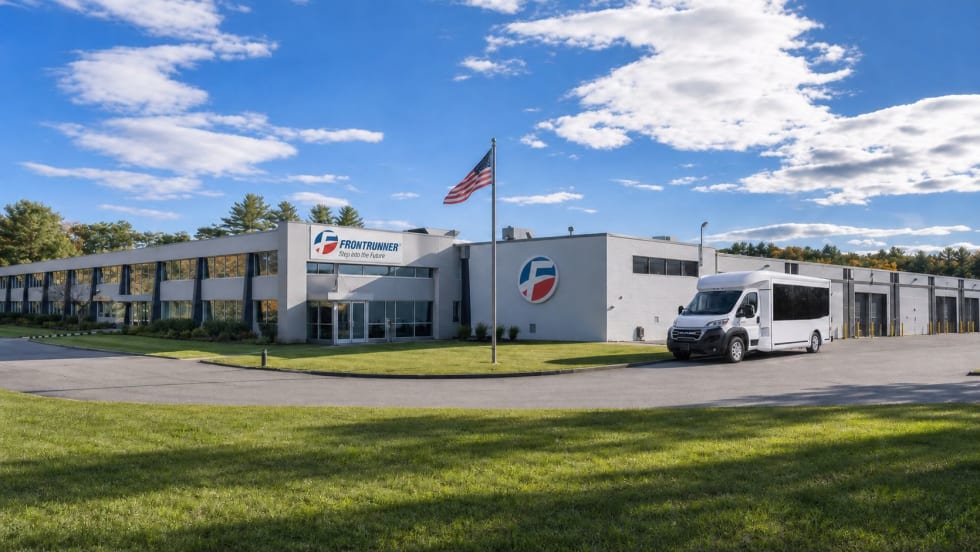
Frontrunner Bus Group Expands with New Massachusetts Headquarters
The significantly larger facility will provide the infrastructure needed to support the company’s growing workforce, advanced technologies, and expanding product line.
Read More →
Joshua Schank on Transportation Innovation, Risk, and the Future of Mobility
In this edition of METROspectives, Joshua Schank discusses lessons from launching LA Metro’s Office of Extraordinary Innovation, the challenges of advancing new mobility technologies, and much more.
Read More →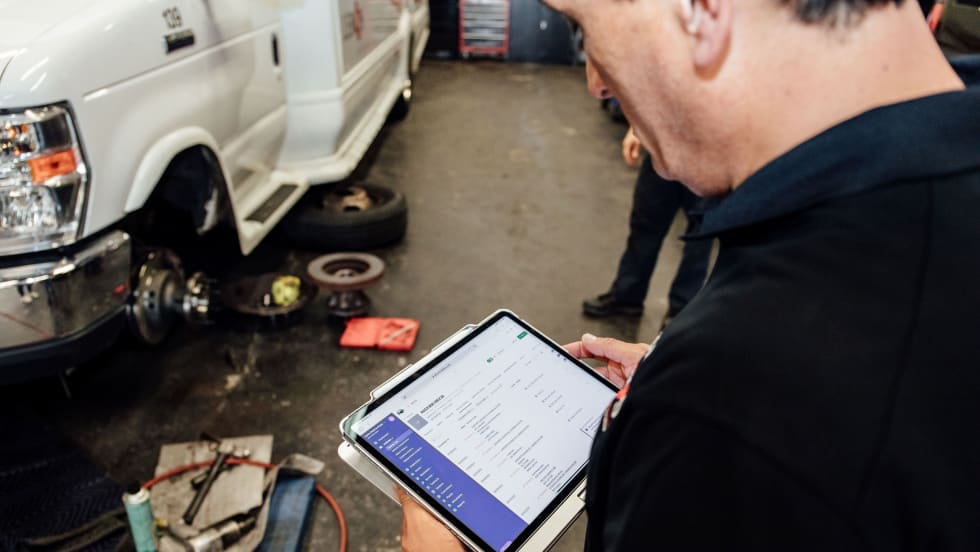
Reinventing Fleet Maintenance with Real-time Visibility and AI
Transit leaders need to know what needs fixing, where to look, who is responsible, when work is completed, and what it costs without having to chase information across disconnected systems.
Read More →
SamTrans Sets Priorities for Potential Connect Bay Area Revenue
The board-approved framework allocates future funding to maintaining service, rider improvements, equity initiatives, and infrastructure repairs.
Read More →
When Routine Fails: How Public Transit Must Adapt for the World Cup
The 2026 FIFA World Cup will test transit agencies’ ability to manage unpredictable travel patterns, making real-time data and operational flexibility critical to moving millions of visitors efficiently.
Read More →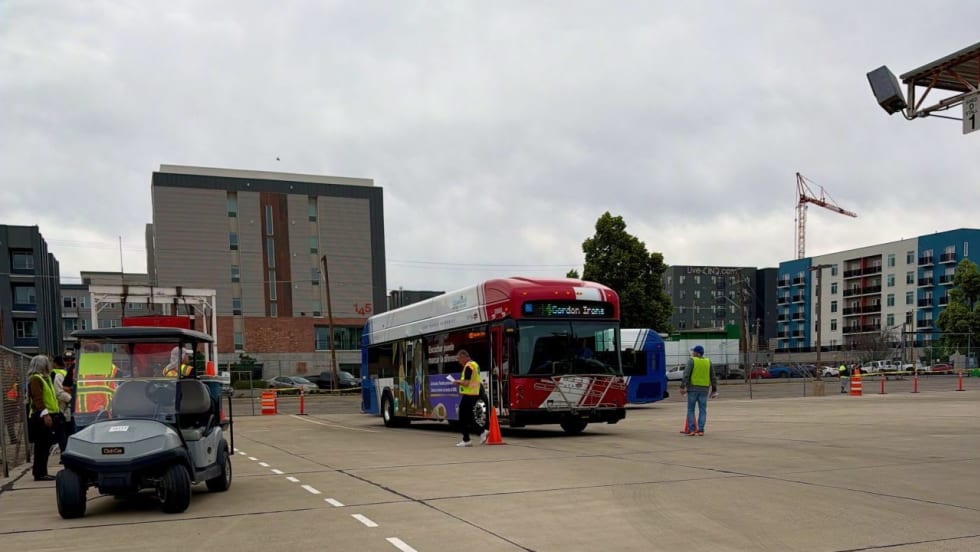
Photo Highlights from APTA's 2026 Mobility Conference
The photo gallery captures scenes from the conference, including the International Bus Roadeo, exhibit hall activities, the Bus Showcase, and much more.
Read More →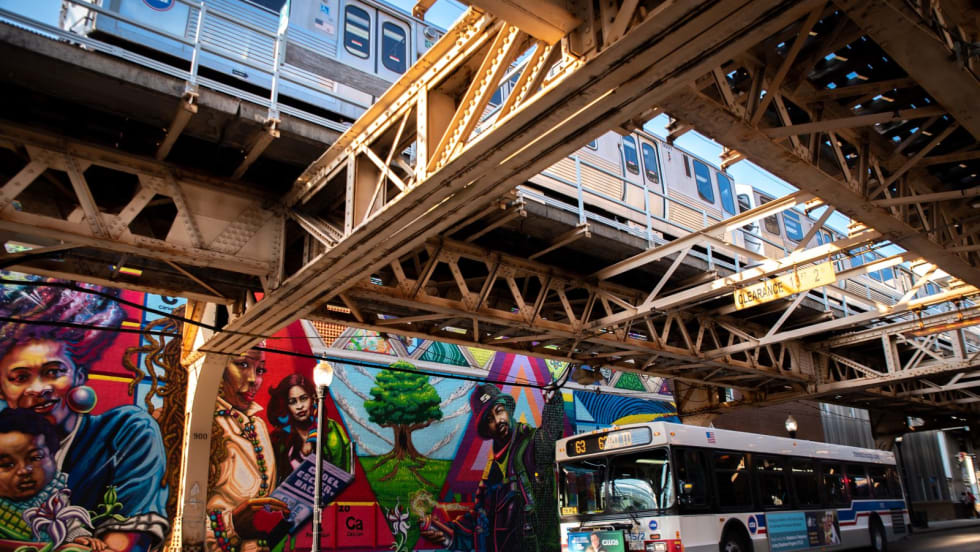
Chicago's NITA Act Moves Into Next Phase as Service Improvements Begin
Rider-focused improvements will begin rolling out across the system immediately as CTA, Metra, and Pace increase service this summer in the six-county region.
Read More →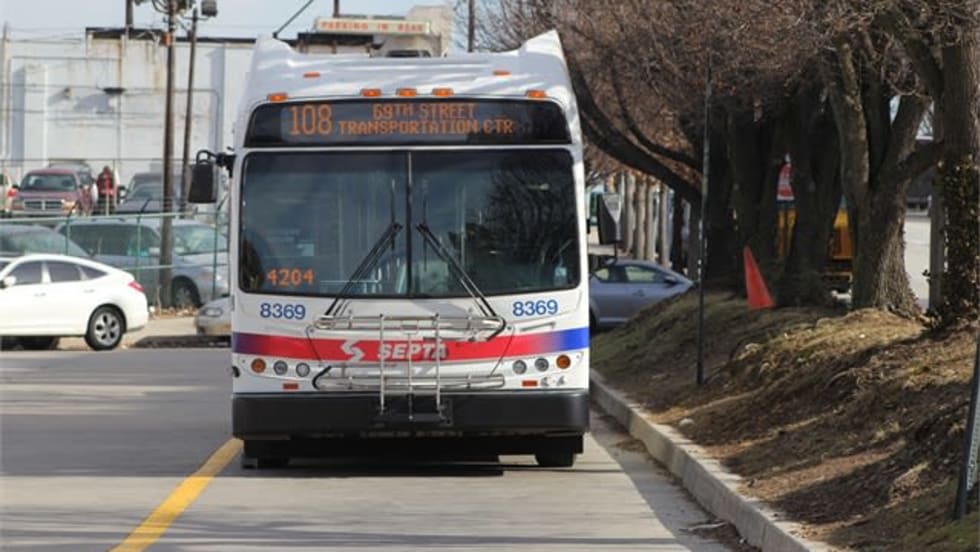
Philadelphia's SEPTA Approves Annual Transit Service Plan
Between 2021 and 2024, SEPTA held more than 200 public meetings — including 144 in-person sessions — throughout the SEPTA service region.
Read More →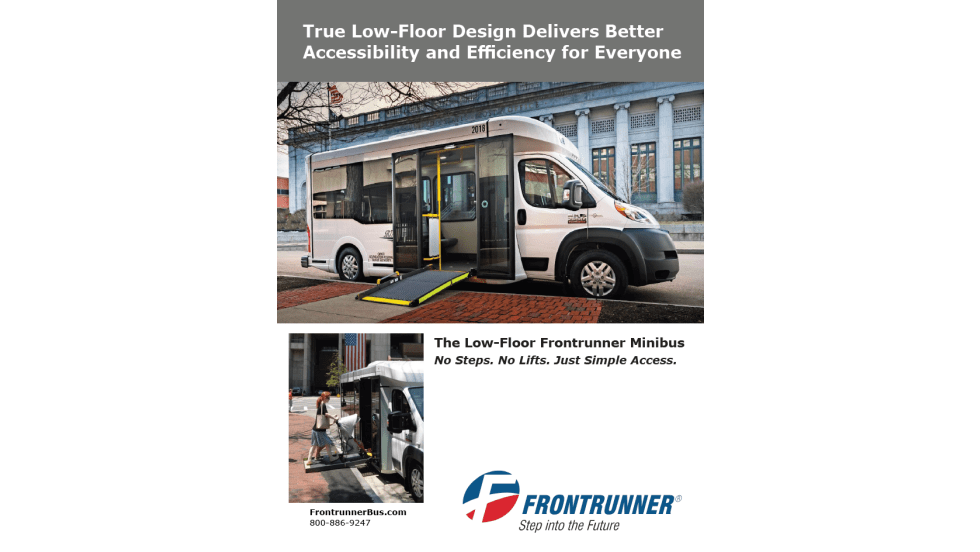
A True Low-Floor Minibus Design Delivers Better Accessibility and Efficiency for Everyone
As transit demands evolve, so should your fleet. Download the whitepaper to see how the Low-Floor Frontrunner Minibus compares to traditional options.
Read More →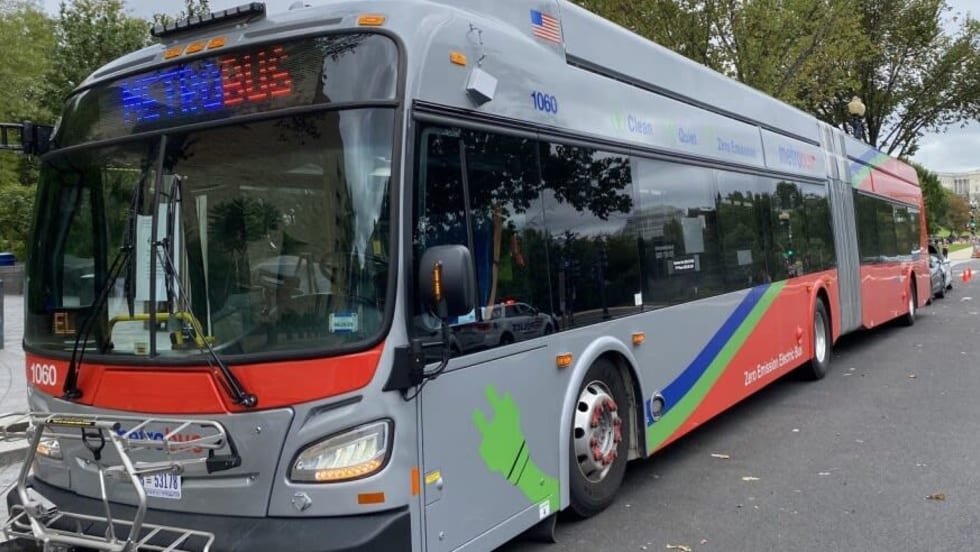
WMATA Debuts 'Fares Pay for Service' Awareness Campaign
The campaign was highlighted during a media event at the Paul S. Sarbanes Transit Center in Silver Spring, where WMATA’s GM/CEO Randy Clarke joined Metro Transit Police officers, WMATA management team, board members, and staff to expand fare enforcement and customer education efforts on Metro Bus routes throughout the region.
Read More →