



Web Extra: How are you preparing your alt-fuel fleet for winter?
University transit system operators from Illinois, Indiana and Virginia discuss fuel storage and heating.

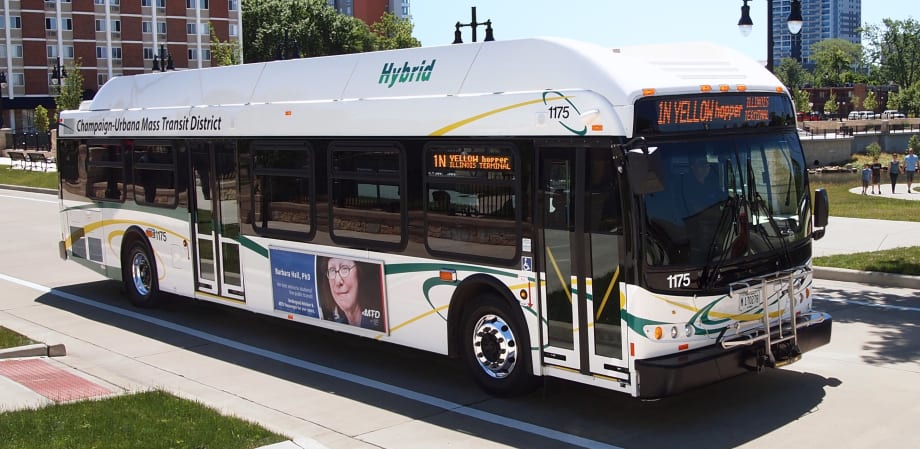
Champaign Urbana Mass Transit District, which serves the University of Illinois at Champaign-Urbana, has 32 hybrid diesel-electric buses. The agency keeps bulk tanks of DEF in a heated wash bay area.

Winter is upon us and temperatures are dropping, even here in Southern California. In colder climates that have actual weather, transit agencies such as New York City Transit are bolstering their equipment and service strategies for the inevitable snow, ice and freezing temps.
Since many university transit systems incorporate alternative-fuel and hybrid vehicles in their fleets, we asked system operators how they are preparing these vehicles to keep them running in top condition over the next few months.
Here are their responses:
“There are no issues expected for fueling [our] hybrid coaches during the winter months. However, the new 2010 DEF engines which are in the hybrid buses do require diesel exhaust fluid to be added. This fluid will freeze. Therefore, the bulk tanks of DEF are kept in our wash bay area which is heated. That fluid is dispensed to the fleet from there. There is a heating system on each coach that keeps the DEF tank from freezing and this will be a another preventive maintenance step that will have to be performed on a scheduled basis.
Currently, [Champaign Urbana Mass Transit District] has 32 hybrid diesel-electric buses: five 30-foot Gillig buses, four 60-foot articulated New Flyer buses, and 23 40-foot New Flyer buses. We have an order in place with New Flyer for an additional 13 40-foot buses and have begun receiving these vehicles; we expect to receive the full complement in the next month or so. After receipt of that order of 13, we’ll have a total of 45 diesel-electric hybrid buses.”
Jan Kijowski, marketing director
Champaign-Urbana Mass Transit District
Urbana, Ill.
“Blacksburg Transit (BT) has nine hybrid-electric vehicles; seven, 40-foot and two 60-foot articulated. We’ve operated these vehicles for almost 18 months and have not had any fueling issues to date. BT is fortunate enough to be able to store all vehicles inside year-round so this obviously helps keep them in good running condition. Out of the nine hybrids, [so far] one is wrapped to identify it as hybrid-electric. We have a grant to develop creative for the rest of the hybrid vehicles, but haven’t completed this yet.”
Fiona Rhodes, marketing specialist
Blacksburg Transit
Blacksburg, Va.
“We operate with 20% soy biodiesel. Our fleet is stored inside overnight. We didn't have any special fuel problems last winter and don't anticipate any this year either.”
Mary Gaston, assistant general manager
Muncie Indiana Transit System
Muncie, Ind.
“We use biodiesel and we change our formulation in the winter, plus use additive to make sure it does not gel. Also we limit the percentage in the formulation to help.”
Jude Kiah, director
Go West Transit
Macomb, Ill.
"Our vehicles are hybrid electric. They have a gasoline engine with an integrated battery component and therefore do not require any changes in fuel for winter use."
Executive Director of University Relations
Western Michigan University
Kalamazoo, Mich.
More Bus
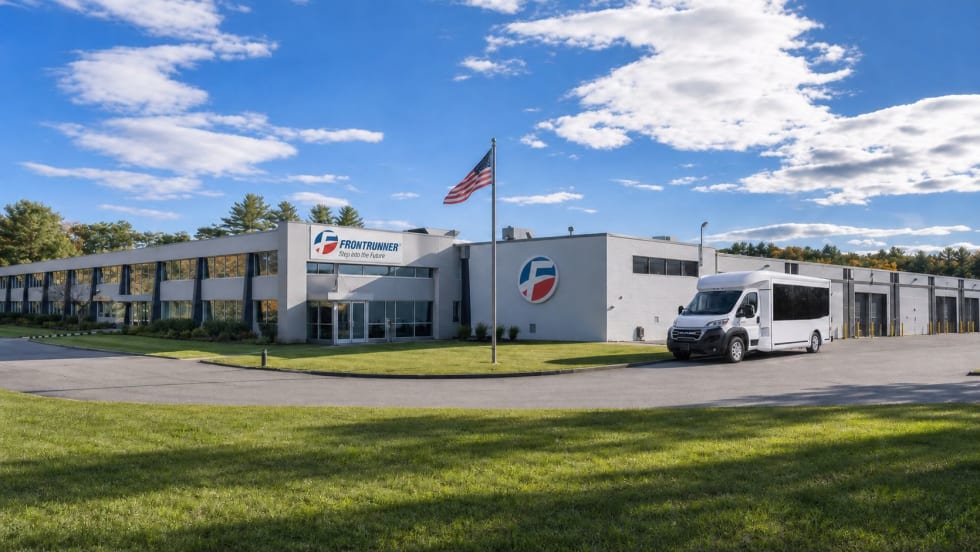
Frontrunner Bus Group Expands with New Massachusetts Headquarters
The significantly larger facility will provide the infrastructure needed to support the company’s growing workforce, advanced technologies, and expanding product line.
Read More →
Joshua Schank on Transportation Innovation, Risk, and the Future of Mobility
In this edition of METROspectives, Joshua Schank discusses lessons from launching LA Metro’s Office of Extraordinary Innovation, the challenges of advancing new mobility technologies, and much more.
Read More →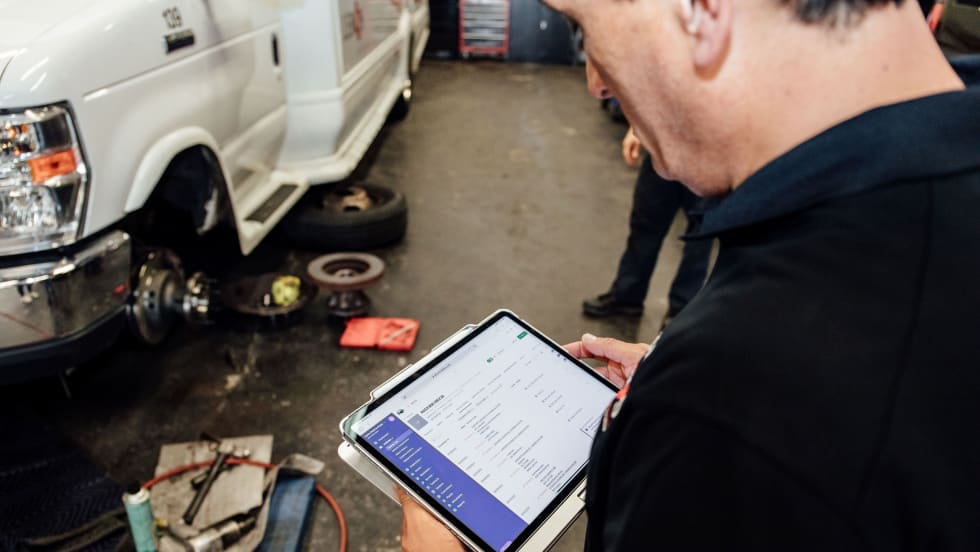
Reinventing Fleet Maintenance with Real-time Visibility and AI
Transit leaders need to know what needs fixing, where to look, who is responsible, when work is completed, and what it costs without having to chase information across disconnected systems.
Read More →
SamTrans Sets Priorities for Potential Connect Bay Area Revenue
The board-approved framework allocates future funding to maintaining service, rider improvements, equity initiatives, and infrastructure repairs.
Read More →
When Routine Fails: How Public Transit Must Adapt for the World Cup
The 2026 FIFA World Cup will test transit agencies’ ability to manage unpredictable travel patterns, making real-time data and operational flexibility critical to moving millions of visitors efficiently.
Read More →
Photo Highlights from APTA's 2026 Mobility Conference
The photo gallery captures scenes from the conference, including the International Bus Roadeo, exhibit hall activities, the Bus Showcase, and much more.
Read More →
Chicago's NITA Act Moves Into Next Phase as Service Improvements Begin
Rider-focused improvements will begin rolling out across the system immediately as CTA, Metra, and Pace increase service this summer in the six-county region.
Read More →
Philadelphia's SEPTA Approves Annual Transit Service Plan
Between 2021 and 2024, SEPTA held more than 200 public meetings — including 144 in-person sessions — throughout the SEPTA service region.
Read More →
A True Low-Floor Minibus Design Delivers Better Accessibility and Efficiency for Everyone
As transit demands evolve, so should your fleet. Download the whitepaper to see how the Low-Floor Frontrunner Minibus compares to traditional options.
Read More →
WMATA Debuts 'Fares Pay for Service' Awareness Campaign
The campaign was highlighted during a media event at the Paul S. Sarbanes Transit Center in Silver Spring, where WMATA’s GM/CEO Randy Clarke joined Metro Transit Police officers, WMATA management team, board members, and staff to expand fare enforcement and customer education efforts on Metro Bus routes throughout the region.
Read More →