



Coach America files for Chapter 11
Decision was made with a focus on reducing its debt and advancing the best interests of the company and its stakeholders. Coach America has obtained a commitment for $30 million in financing, subject to approval by the Bankruptcy Court, which will support the company's fleet investment and help ensure the continuation of normal operations.

Coach America Holdings Inc. announced the company and its subsidiaries have filed a voluntary petition for Chapter 11 reorganization in the U.S. Bankruptcy Court for the District of Delaware.
This decision was made with a focus on reducing its debt and advancing the best interests of the company and its stakeholders.
Headquartered in Dallas, Coach America is the largest tour and charter bus operator and the second largest motorcoach service provider in the U.S. Services include motorcoach charters, tours and sightseeing, commuter transportation, airport and casino shuttles, rail crew transportation, and contract services for municipalities and corporations.
Coach America operates the second largest fleet in the U.S. with more than 3,000 vehicles, including over 1,600 motorcoaches, primarily under the Coach America, American Coach Lines and Gray Line brands.
In connection with the filing, Coach America has obtained a commitment for $30 million of debtor-in-possession (DIP) financing from a steering committee of its existing senior lenders. This financing, subject to approval by the Bankruptcy Court, will support the company's fleet investment and help ensure the continuation of normal operations, including:
Providing uninterrupted transportation services safely and reliably.
Honoring all tickets and reservations, including making exchanges and refunds in the normal course.
Providing employee wages, healthcare coverage, vacation, and other benefits, without interruption.
Paying suppliers for goods and services received during the reorganization process.
Coach America is continuing accelerated discussions with its lenders on a restructuring that will position it for future growth and competitive success.
"Coach America has, for too long, been constrained by our capital structure, and today's decision will ensure a stronger company focused on delivering critical transportation services to our customers across the country," George Maney, president/CEO of Coach America, said. "I want to emphasize that it is business as usual for Coach America throughout the Chapter 11 process, and we look forward to a right-sized capital structure that will enhance our competitiveness and ability to serve our customers going forward."
Brian Cejka, Coach America's chief restructuring officer, added: "We appreciate the support and commitment of our lending group and debt holders and are focused on an effective, expeditious process to enhance Coach America's competitiveness and value for all stakeholders."
Coach America is filing motions with the court seeking interim relief that will ensure the company's continued ability to conduct normal operations.
Coach America's investment banker is Rothschild Inc., legal counsel is Lowenstein Sandler PC, and its financial advisor is Alvarez & Marsal North America LLC.
More information about Coach America's Chapter 11 filing, including resources for customers and suppliers, is available on the Internet at www.coachamerica.com/restructure.
More Motorcoach
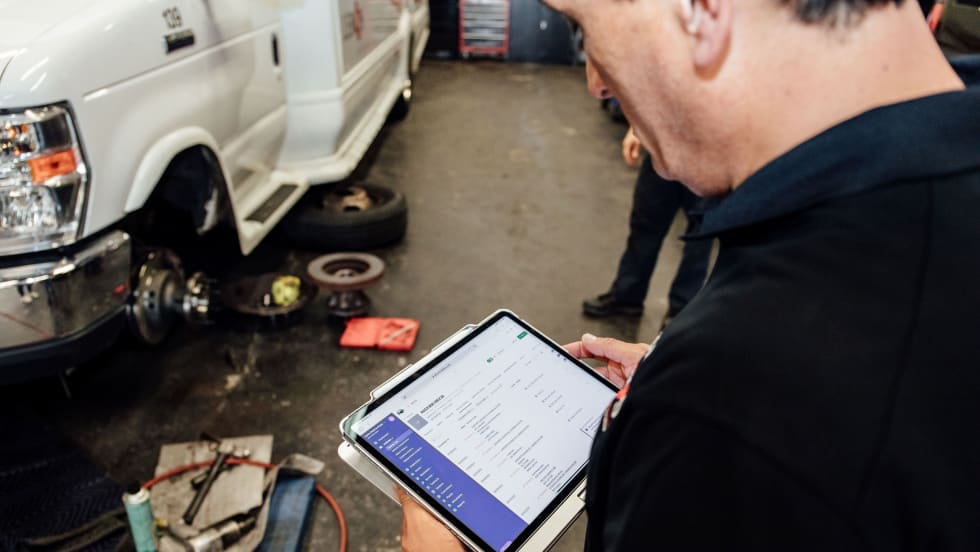
Reinventing Fleet Maintenance with Real-time Visibility and AI
Transit leaders need to know what needs fixing, where to look, who is responsible, when work is completed, and what it costs without having to chase information across disconnected systems.
Read More →
ABA's Ferguson Testifies in Support of BUS Act, National Standards for Bus Operators
The BUSES Act would create a nationwide framework preventing state and local governments from enforcing bus idling restrictions of less than 15 minutes, a threshold consistent with existing Environmental Protection Agency guidance.
Read More →
A True Low-Floor Minibus Design Delivers Better Accessibility and Efficiency for Everyone
As transit demands evolve, so should your fleet. Download the whitepaper to see how the Low-Floor Frontrunner Minibus compares to traditional options.
Read More →
2026 METRO Buyer’s Guide & Directory
Searching for the right vehicles, technology, equipment, or services for your public transit or motorcoach operation? This industry guide brings together manufacturers and suppliers from across the transportation market — all in one place. Download it to connect with the companies that help agencies and operators improve mobility, enhance operations, and move their organizations forward.
Read More →
ABA Foundation’s 2025 Motorcoach Census Highlights Industry Growth, 77K Jobs
Conducted annually by Tourism Economics, the study found that 1,769 companies operating 49,543 motorcoaches are based in the US, while 122 companies operating 1,425 motorcoaches are located in Canada.
Read More →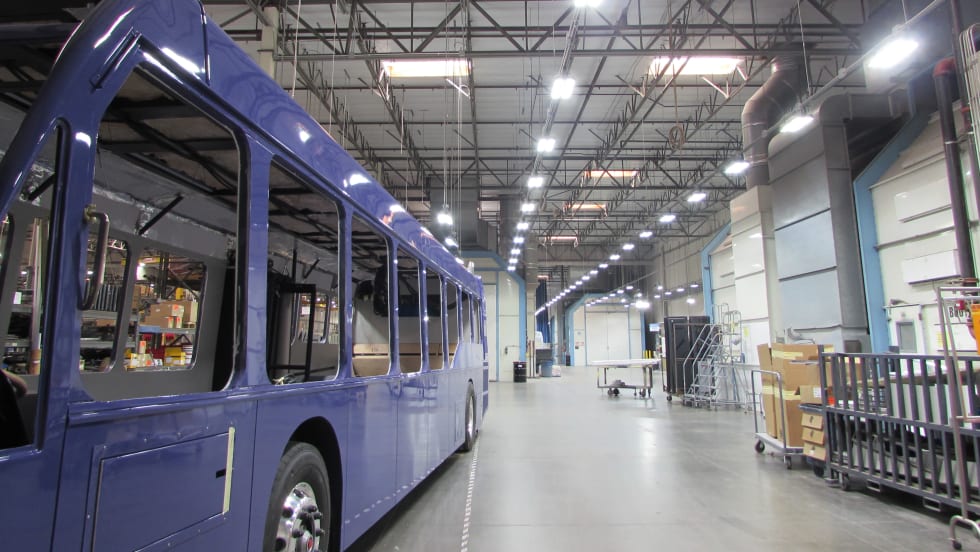
ENC Lands Additional 10-Bus Order From Academy Bus
The latest purchase brings Academy Bus’ AXESS fleet orders to 35 vehicles as ENC continues expanding its heavy-duty transit lineup.
Read More →
American Bus Association Files Lawsuit Against NYC Over Bus Idling Rules
The lawsuit, filed in the U.S. District Court for the Southern District of New York, challenges the City’s use of its Citizens Air Complaint program.
Read More →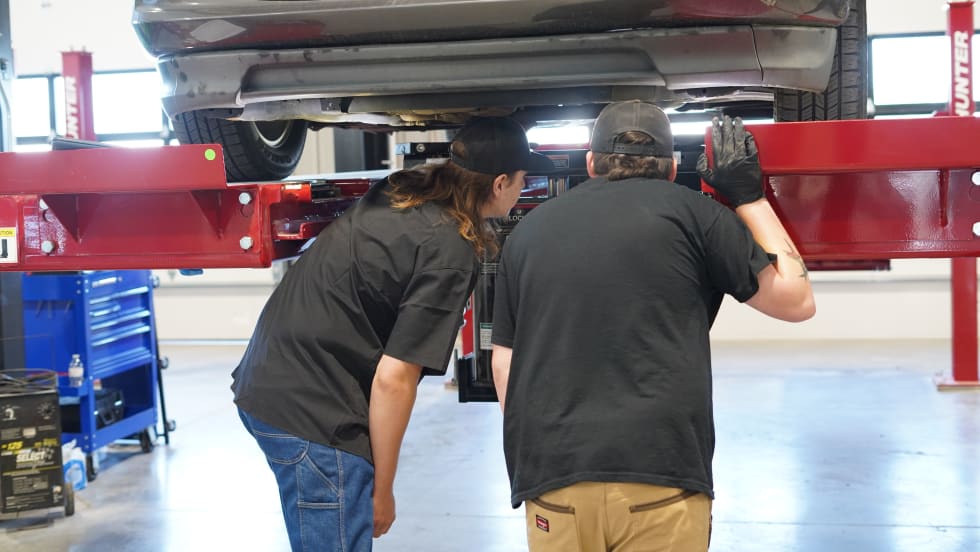
Avoiding Mid-Season Breakdowns: A Fleet Readiness Q&A
John Hatman, COO of Master’s Transportation, breaks down the priorities, warning signs and common mistakes fleet managers should address now to stay ahead of summer demand.
Read More →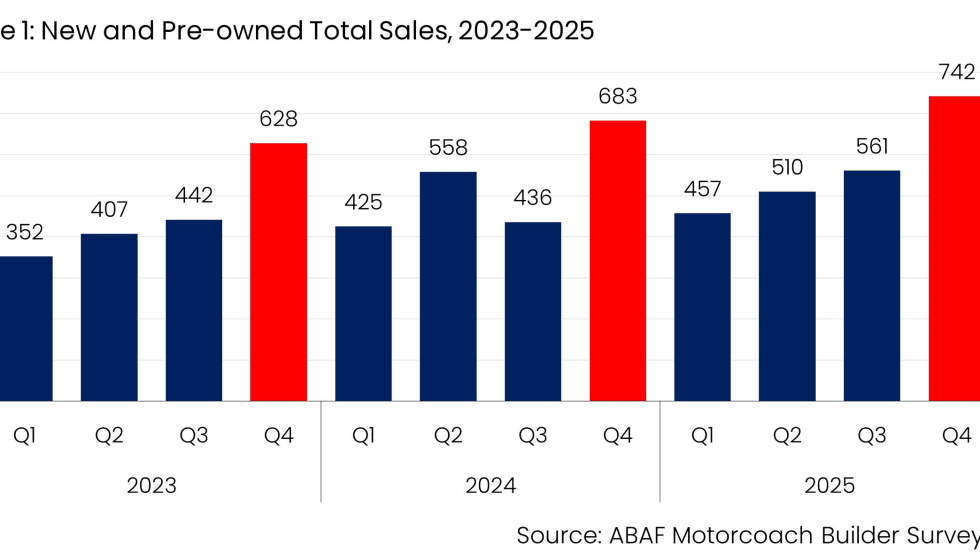
ABA Report: Motorcoach Sales Tick Up in Q1 2026 as Market Stabilizes
The Foundation produces the report each quarter, using data collected from surveys of major motorcoach manufacturers that sell vehicles in the US and Canada.
Read More →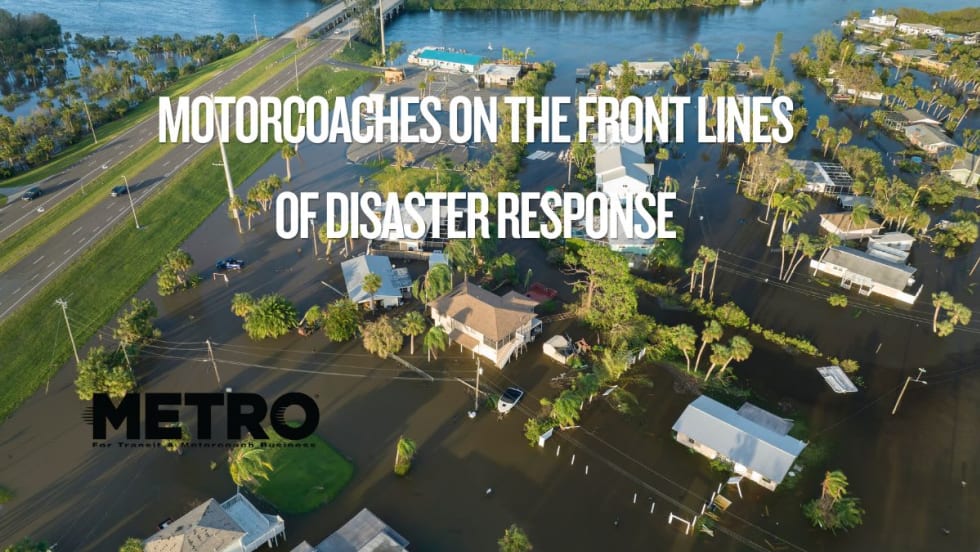
How the Motorcoach Industry Supports Disaster Response and National Preparedness
Fred Ferguson, president and CEO of the American Bus Association (ABA), discussed how the industry prepares for emergencies, the growing recognition of motorcoaches as critical infrastructure, and steps operators can take to strengthen disaster readiness.
Read More →