



House leaders unveil long-term transportation bill
On Tuesday, House Transportation and Infrastructure Committee Chairman John L. Mica (R-FL) and Members of the Committee unveiled the long-awaited American Energy & Infrastructure Jobs Act, which looks to authorize approximately $260 billion over five years to fund federal highway, transit and safety programs at current funding levels.

On Tuesday, House Transportation and Infrastructure Committee Chairman John L. Mica (R-FL) and Members of the Committee unveiled the long-awaited American Energy & Infrastructure Jobs Act, which looks to authorize approximately $260 billion over five years to fund federal highway, transit and safety programs at current funding levels.
"The American Energy & Infrastructure Jobs Act is the largest transportation reform bill since the creation of the Interstate Highway System in 1956," Mica said. "This is a five-year bill that reforms our federal transportation programs, cuts the red tape and bureaucracy that delays projects across the country, gives states more flexibility to determine their most critical infrastructure needs, provides states with the long-term stability to undertake major improvements and encourages private sector participation in helping to finance transportation projects."
Similar to the Senate Committee on Environment and Public Works' (EPW) MAP-21, Moving Ahead for Progress in the 21st Century, the proposed bill suggests significant policy changes, including the consolidation or elimination of several federal programs and the ability for states to approve projects and decide how federal transportation aid is spent. It also makes it easier and quicker for road construction and other transportation projects to meet the requirements of federal environmental laws.
"The average federal highway project takes 15 years from concept to completion in the U.S. because of excessive regulations," said Highways and Transit Subcommittee Chairman John J. Duncan Jr. (R-TN). "This is far more than any other Nation. This bill will streamline the way we approach infrastructure projects by cutting red tape and reducing federal bureaucracy, all while creating millions of jobs for hard working Americans right here in the United States."
Mica also noted that the new legislation contains no earmarks. The previous long-term law authorizing federal surface transportation programs, known as SAFETEA-LU, contained over 6,300 earmarks.
The Committee is scheduled to begin consideration of the transportation reauthorization portion of the American Energy and Infrastructure Jobs Act on Thursday. To view the bill, click here.
In related news, Banking Committee Chair Tim Johnson (D-SD) and Ranking Member Richard Shelby (R-AL) released a summary of the Federal Public Transportation Act of 2012, which will serve as the transit component of the Senate's two-year MAP-21reauthorization bill, late Monday.
The bill reauthorizes close to $21 billion in transit funding over two years, protecting many popular programs while also expanding new ones, according to StreetBlog.
Some of the points listed in the summary include:
Protection of the Job Access and Reverse Commute (JARC) program.
Creation of a new pilot program to support transit-oriented development with planning grants.
Streamlining the New Starts program, eliminating duplicative steps and allowing smaller projects ($100 million or less) to complete an expedited review process.
Expanding the Rail Modernization program to include "high-intensity bus" networks, renaming it the State of Good Repair Grant program.
To date, neither the Senate or the House bill has identified a new funding source to supplement the Highway Trust Fund, however, House Republicans have suggested using tax dollars generated by expanding oil exploration in the Arctic and off the U.S. coast, according to several sources including the Washington Post.
"Instead of going the bipartisan route taken by the Senate, House Republican leaders have loaded the bill with environmental protection rollbacks, extreme measures that mandate oil drilling just about everywhere, and a permit for the Keystone XL tar sands pipeline, said Natural Resources Defense Council (NRDC) President Frances Beinecke in a statement. "The American people need a transportation bill; this bill will prevent them from getting one."
To read NRDC Federal Transportation Policy Director Deron Lovaas' blog on the bill, click here.
A statement by American Public Transportation Association President/CEO Michael Melaniphy said in full:
"On behalf of the 1,500 members of the American Public Transportation Association, we are pleased that the U.S. House Transportation and Infrastructure Committee and the U.S. Senate Banking Committee introduced multi-year bills to address the nation's public transportation. We support the efforts of both these legislative bodies moving forward because investing in public transit and roads is essential to creating jobs and boosting our economy.
"Our initial analysis of both the House and Senate bills shows that they include positive policy changes that the public transit industry sought. These include improvements in project delivery, innovative financing and public/private sector partnerships.
"Both houses of Congress will need to address the financing required to support the legislation and it is important to the public transit industry that revenues for the Mass Transit Account continue to be dedicated to public transportation investment.
"We are committed to working with both the House of Representatives and the Senate committees to move this legislation forward to create American jobs and ensure that the United States remains economically competitive."
More Bus
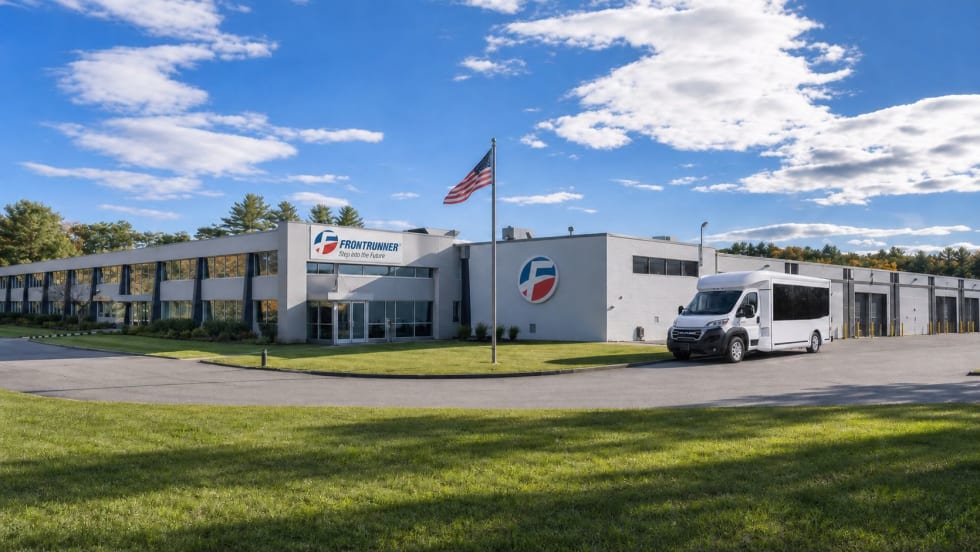
Frontrunner Bus Group Expands with New Massachusetts Headquarters
The significantly larger facility will provide the infrastructure needed to support the company’s growing workforce, advanced technologies, and expanding product line.
Read More →
Joshua Schank on Transportation Innovation, Risk, and the Future of Mobility
In this edition of METROspectives, Joshua Schank discusses lessons from launching LA Metro’s Office of Extraordinary Innovation, the challenges of advancing new mobility technologies, and much more.
Read More →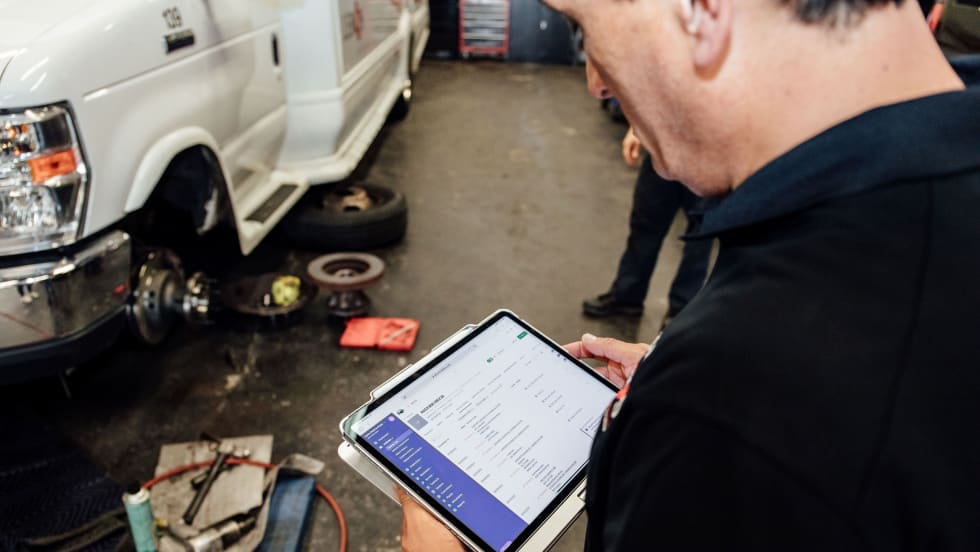
Reinventing Fleet Maintenance with Real-time Visibility and AI
Transit leaders need to know what needs fixing, where to look, who is responsible, when work is completed, and what it costs without having to chase information across disconnected systems.
Read More →
SamTrans Sets Priorities for Potential Connect Bay Area Revenue
The board-approved framework allocates future funding to maintaining service, rider improvements, equity initiatives, and infrastructure repairs.
Read More →
When Routine Fails: How Public Transit Must Adapt for the World Cup
The 2026 FIFA World Cup will test transit agencies’ ability to manage unpredictable travel patterns, making real-time data and operational flexibility critical to moving millions of visitors efficiently.
Read More →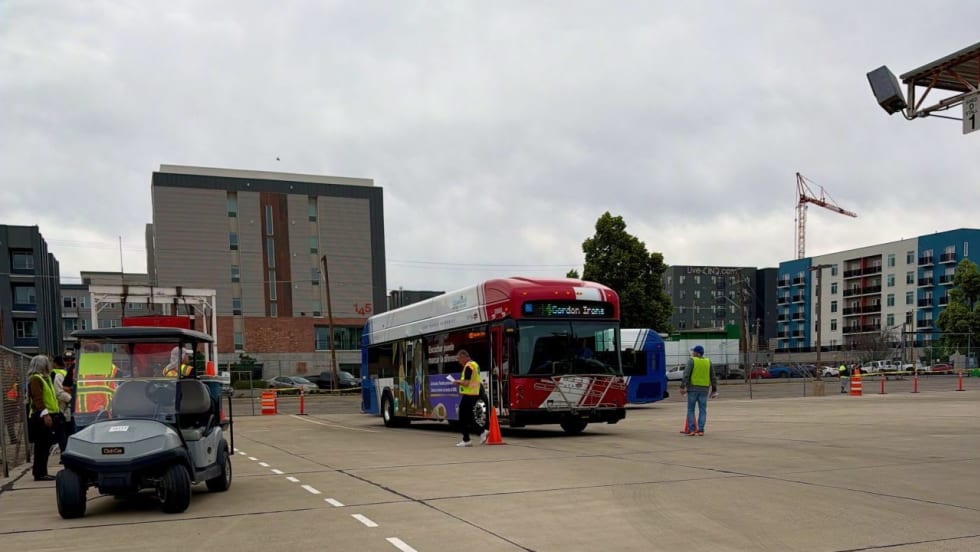
Photo Highlights from APTA's 2026 Mobility Conference
The photo gallery captures scenes from the conference, including the International Bus Roadeo, exhibit hall activities, the Bus Showcase, and much more.
Read More →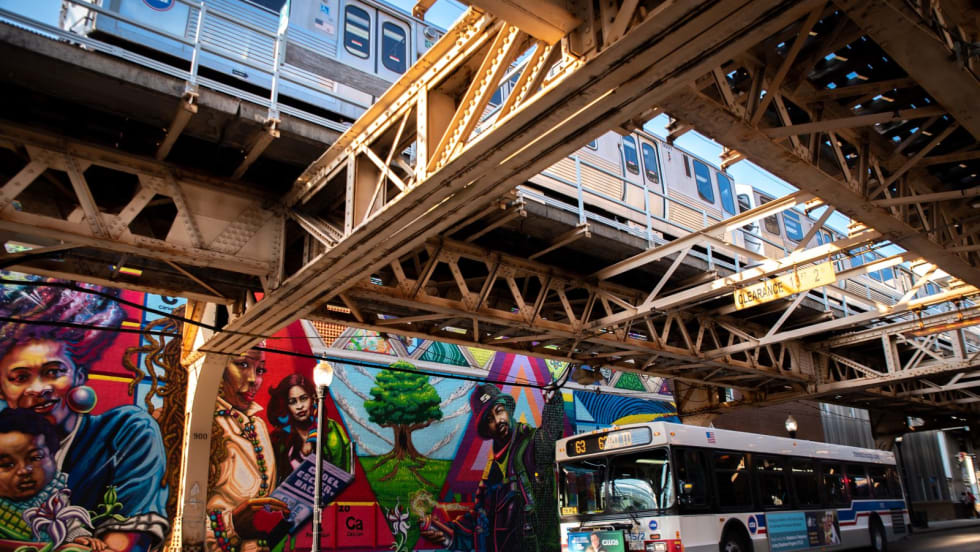
Chicago's NITA Act Moves Into Next Phase as Service Improvements Begin
Rider-focused improvements will begin rolling out across the system immediately as CTA, Metra, and Pace increase service this summer in the six-county region.
Read More →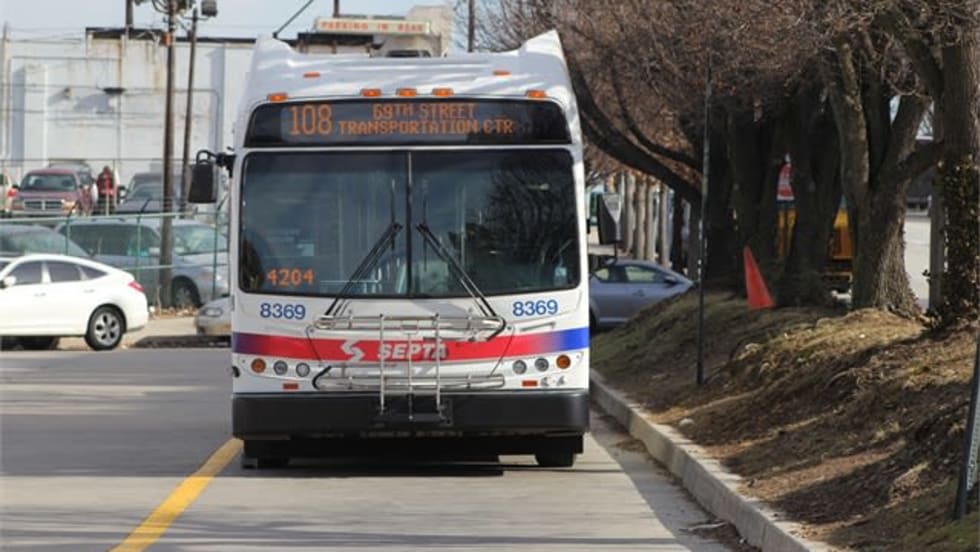
Philadelphia's SEPTA Approves Annual Transit Service Plan
Between 2021 and 2024, SEPTA held more than 200 public meetings — including 144 in-person sessions — throughout the SEPTA service region.
Read More →
A True Low-Floor Minibus Design Delivers Better Accessibility and Efficiency for Everyone
As transit demands evolve, so should your fleet. Download the whitepaper to see how the Low-Floor Frontrunner Minibus compares to traditional options.
Read More →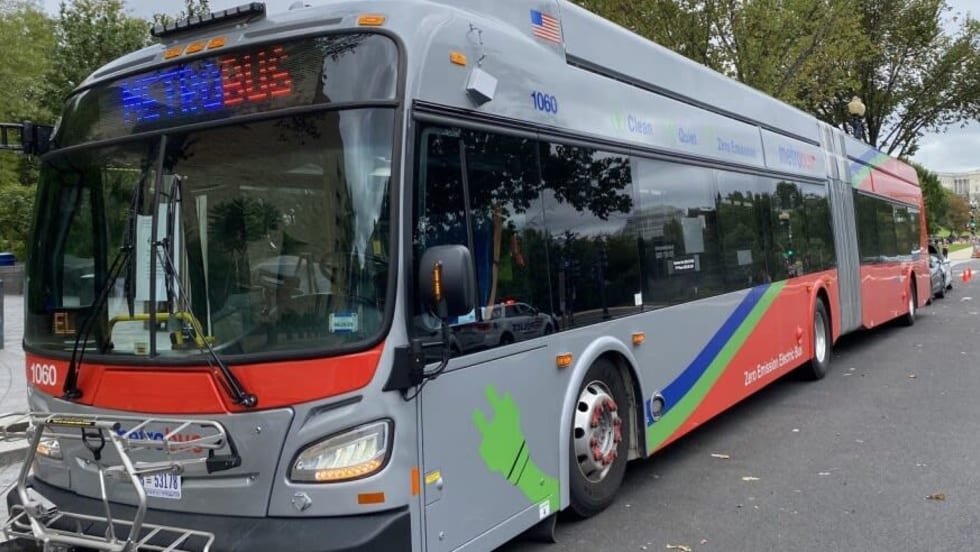
WMATA Debuts 'Fares Pay for Service' Awareness Campaign
The campaign was highlighted during a media event at the Paul S. Sarbanes Transit Center in Silver Spring, where WMATA’s GM/CEO Randy Clarke joined Metro Transit Police officers, WMATA management team, board members, and staff to expand fare enforcement and customer education efforts on Metro Bus routes throughout the region.
Read More →