



Web Extra: What features do your transit apps offer?
University transit system operators from Connecticut, Delaware, Illinois, Indiana, Pennsylvania and Wisconsin shared information about apps they use to enhance bus tracking.

University systems provide transportation to a population, primarily students, that is unique in age group and expectations. Offering the most up-to-date information through smart phone apps is becoming more and more crucial for many systems to maintain ridership. We asked university transit operators across the U.S. about apps they are developing and using to enhance bus tracking.
Here are their responses:
“We have a fully featured app for android and iPhone (as well as simple internet access) at gowesttransit.com. It is contracted and designed through Ride Systems. It also features real time arrival information by text at every stop in the system. We started the system two years ago (Fall 2009). It was two separate systems then (online tracking , and at that time, scheduled texts). Last August, we made it one system (one company), and the texts now report real-time locations. Last April, the iPhone and Android apps came out.”
Jude Kiah, director
Go West Transit
Macomb, Ill.
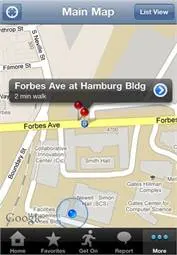
“Last year, Carnegie Mellon University’s Traffic 21 Initiative produced an iPhone app, and subsequently an Android app, for crowdsourcing of bus tracking for the Port Authority of Allegheny County’s transit system.”
Byron Spice, director of media relations,
Carnegie Mellon School of Computer Science
Carnegie Mellon University
Pittsburgh, Pa.
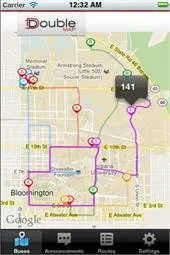
“Indiana University Campus Bus Service has bus tracking provided by DoubleMap LLC. Their tracking system, also called DoubleMap, was installed in all of the buses two years ago during the Academic Year 2009-2010. DoubleMap is available through both an iPhone app and Android app. [The app] began as a project of Indiana University Student Association (IUSA) the student government on the IU Bloomington campus.”
Perry J. Maull, operations manager
Indiana University
Bloomington, Ind.
“MTD has a mobile website and a desktop widget available, [but] has not developed any apps in-house. There are a variety of applications available to MTD customers developed outside MTD. We are currently in the midst of an App Challenge to encourage the development of even more apps. MTD’s software developers released an improved API at the end of November to facilitate great apps. The developers of the three best apps, as determined by a slate of judges, will win prizes: $1,000 for first place, $600 for second, and $200 for third. After the Challenge is over, MTD will link to all available applications in a special AppGarage on its website.”
Jan Kijowski, marketing director
Champaign-Urbana Mass Transit District
Urbana, Ill.
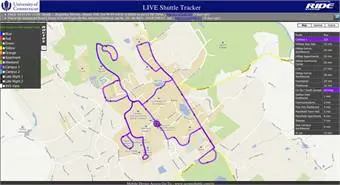
“We are just starting with Ride Systems this upcoming semester. We installed all of the GPS units on the buses and paratransit vans over winter break and it [went] ‘live’ when the students returned to classes on Jan. 17.”
Janet Freniere, manager, transportation services
University of Connecticut
Storrs, Conn.
“We have recently started promoting apps developed by third parties. Once a developer meets our service criteria, we then begin directing riders towards their use. We’ve been doing this since June of 2011 and since then the developers we’ve been working with have come from the University of Wisconsin. The most recent example is UW Mobile. Along with information related to the university, UW Mobile provides scheduled and live bus location/arrival estimates per individual bus stops.”
Mick Rusch, transit marketing and customer services manager
Madison Metro
Madison, Wis.
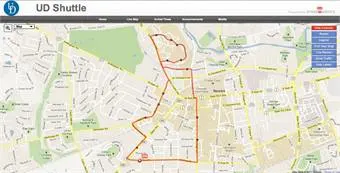
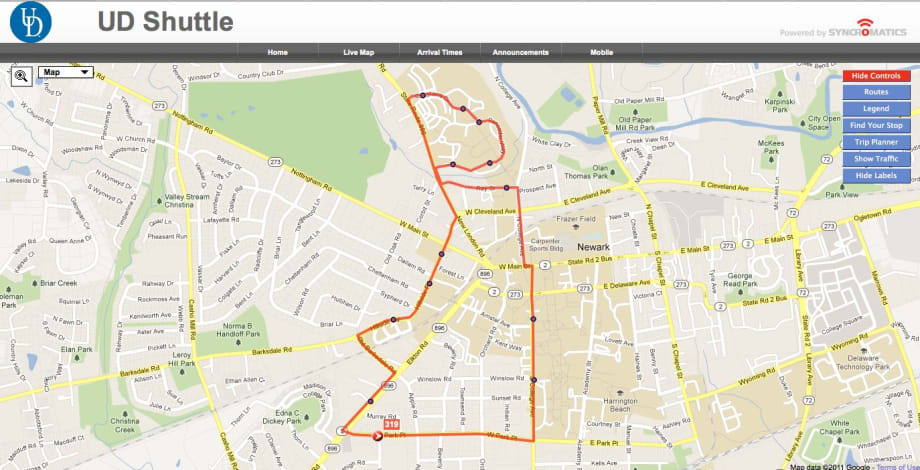
“In February, 2010, University of Delaware (UD) Transportation Services launched a real-time bus tracking information service for UD shuttle bus riders. Transportation Services developed the system in conjunction with Syncromatics, a provider of intelligent transportation solutions. Real-time information provides schedule and route information using wireless technology, enabling riders to see if their bus will arrive as scheduled or if traffic, weather conditions or an accident will cause it to arrive late. Passengers can access route and schedule information in one of four ways: text, mobile Web, phone and on the regular Web.”
Rich Rind, director of parking & transportation services
University of Delaware
Newark, Del.
Tell us about your university transit apps in the comments section.
More Bus

New York MTA Plans Largest Bus Fleet Upgrade in More Than a Decade
The agency is seeking manufacturers for 650 new CNG buses to replace aging vehicles, improve reliability, and advance its broader fleet modernization strategy.
Read More →
Building a Flexible Path to Transit Electrification
John Hroncich discusses BAE Systems’ modular and scalable approach, lessons learned from decades of real-world operations, and how agencies can identify electrification strategies that fit their fleets.
Read More →
Bus Tech Talk: Keeping Transit Technicians Ahead of the Technology Curve
LA Metro’s Obed Mejia discusses technician training, evolving maintenance technology, fleet replacement, and strategies for getting the most out of today’s transit fleets.
Read More →
Biz Briefs: RIPTA Unveils New Frontrunners, Clevland RTA Adds New Siemens, and More
In METRO's latest installment, we take a look at recent news from Siemens, Prevost, Dodge, and more partnerships making headlines across the transportation sector.
Read More →
People Movement: Holly Arnold Joins Transdev and More
In this edition, we also cover recent appointments and announcements at Pace, CamTran, MCI, and more, showcasing the individuals helping to shape the future of transportation.
Read More →
The High Cost of Transit Buses: Industry Leaders Look to Procurement Reform
Transit leaders and policymakers examine how standardized bus designs, streamlined procurement, and predictable funding could help agencies stretch budgets and deliver better service.
Read More →
The Business Voice Behind Public Transportation
As chair of APTA’s Business Members Board of Governors, Ray Melleady explains how more than 850 business members are partnering with transit agencies to advance funding, innovation, and industry-wide collaboration.
Read More →
From Surviving to Thriving: Building Stronger Transportation Organizations
Bus Business Consultants founder Brian Dickson shares lessons on leadership, organizational health, and creating options for long-term success in a changing transportation industry.
Read More →
Finding the ‘Happy Medium’: Optimizing Maintenance Without Sacrificing Reliability
The key to maintenance optimization isn’t doing less work—it’s doing the right work at the right time on the right assets.
Read More →
LA Metro, City of West Hollywood, and Partners Advance Smarter Bus Lane Enforcement
The award-winning partnership combines AI-powered detection with human oversight to improve bus reliability, accessibility, and enforcement efficiency.
Read More →