



T&I approves 'Jobs Act,' Ways and Means votes to abolish tax
Authorizes approximately $260 billion over five years to fund federal highway, transit and safety programs, consistent with current funding levels.

UPDATE:
In a party-line vote, with two dissenting Republican members, the House Ways and Means Committee voted Friday to end a 30-year federal commitment to dedicated funding for public transportation. The measure takes from transit the 2.86 cents of the federal gas tax and eliminates the Mass Transit trust fund, forcing public transit to compete for general funds that are in line for tough budget cuts.
James Corless, director of Transportation for America, offered this statement in response:
"The late-hour move to revoke a promise to transit riders made under President Ronald Reagan is surely a historical low point in transportation policy-making in this country. It was clear from the debate that most committee members were given very little time or information to help them understand the implications of such a precipitous move," said James Corless, director of Transportation For America. "The committee acted despite the loud, bipartisan outcry against the measure, as represented by the more than 600 organizations across the country who signed on to a letter of opposition in a matter of hours yesterday. This move is sure to make it extremely difficult to adopt a multi-year transportation authorization during this session of Congress, a development that will continue to cloud the future of our transportation infrastructure."
The original story is below:
On Friday, the House Transportation and Infrastructure Committee (T&I) approved legislation to reauthorize and reform federal surface transportation programs and rebuild the nation's roads, bridges and infrastructure by a 29 to 24 vote.
On Wednesday, the committee began consideration of the American Energy & Infrastructure Jobs Act, a bill introduced in the House by Transportation Committee Chairman John L. Mica (R-FL) and Highways and Transit Subcommittee Chairman John J. Duncan Jr. (R-TN).
"The American Energy & Infrastructure Jobs Act will be the most significant reform of transportation programs in decades," Mica continued. "This bill will cut red tape, reduce the federal bureaucracy, move major infrastructure projects forward, attract more private sector participation and give states the flexibility they need to address their most critical transportation needs."
The American Energy & Infrastructure Jobs Act authorizes approximately $260 billion over five years to fund federal highway, transit and safety programs, consistent with current funding levels. This will provide long-term stability for states to undertake major infrastructure projects, according to Chairman Mica. The bill also includes provisions to improve programs for freight and passenger rail transportation and calls for funds collected for maintaining the nation's harbors to be invested for that purpose. In addition, the bill cuts funding for high-speed rail.
The American Energy & Infrastructure Jobs Act also includes several new aspects including:
Program Reform & Consolidation-The American Energy & Infrastructure Jobs Act reforms surface transportation programs by consolidating or eliminating approximately 70 programs that are duplicative or do not serve a federal purpose.
Increased State Flexibility- The bill ensures that states will no longer be required to spend highway funding on non-highway activities, although they will be permitted to fund such activities if deemed to be priorities. The bill also delegates more project approval authority to states.
Cutting Red Tape & Streamlining Project Delivery -The American Energy & Infrastructure Jobs Act streamlines and condenses the project review process by cutting bureaucratic red tape, allowing federal agencies to review transportation projects concurrently, and setting hard deadlines for federal agencies to approve projects, in addition to providing states with more approval authority.
"A year ago, the Committee began holding bipartisan hearings and meetings around the country to gather input from state and local officials for a bill to reform and improve federal transportation programs. Since then, we have worked to incorporate as many ideas from our Republican and Democratic colleagues as possible," said Mica. "With today's extensive and open debate, we have adopted many amendments, including 21 Democratic amendments, and we will continue to work with our colleagues as this bill moves forward.
"Some thought our committee would never complete a long-term FAA bill, but we have reached a bipartisan bicameral agreement on that critical measure. The President also recently signed a bipartisan pipeline safety bill that we sent him. We can also find common ground on this essential legislation to move our country and economy forward," he concluded.
As reported earlier this week, several groups including the American Public Transportation Association, the National Resources Defense Council and Transportation for America are critical of the bill.
The House is expected to consider H.R. 7 later this month.
For more information from the markup of H.R.7, including information regarding amendments, click here.
More Bus

More Than a Summer Job: Building the Next Generation of Transit Talent
The Delaware River Port Authority and PATCO have transformed their internship program into a hands-on professional development experience that introduces students to the breadth of transportation careers — and creates a pipeline for future employees.
Read More →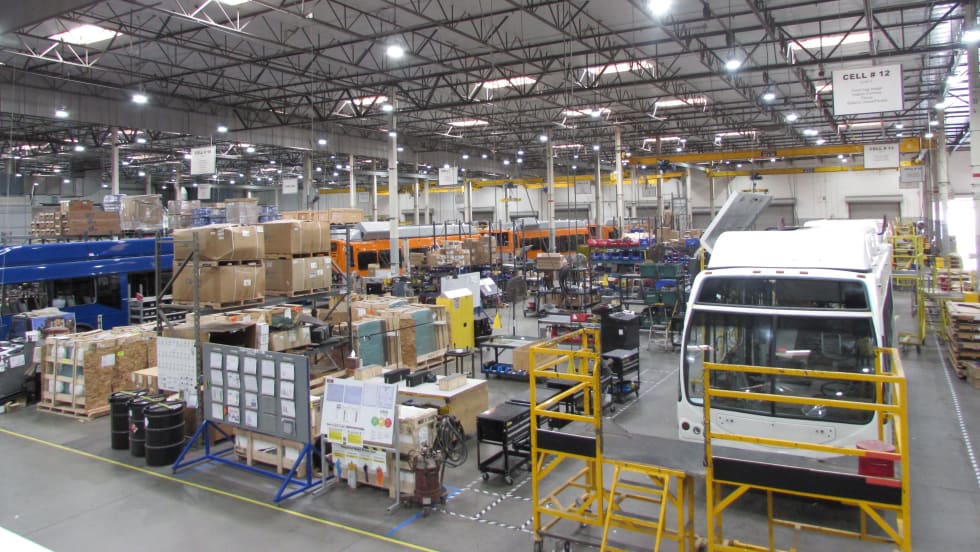
LA Metro Board Awards 220 Battery-Electric Bus Contract to ENC
The contract, which is the largest base award of battery-electric buses by a U.S. transit agency, will be built in Southern California, sustaining good jobs as LA prepares to welcome the world in 2028
Read More →
Public Transit Conference Returning to GFX in 2027, Call for Papers Now Open
The Call for Papers is now open, allowing transit agency professionals and industry experts to help shape the PTC educational program by submitting session ideas for consideration.
Read More →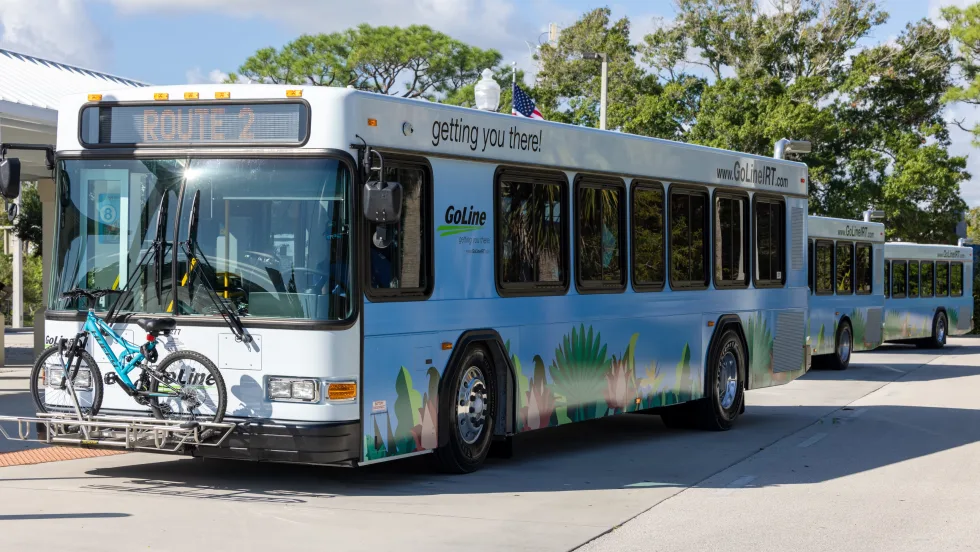
Indian River Transit’s Community-Focused Approach Earns National Recognition
Named APTA’s 2026 Outstanding Public Transportation System in its size category, Florida’s Indian River County transit system continues to grow ridership through fare-free service and a focus on evolving community needs.
Read More →
ENC Lands MATA Contract and More in Biz Briefs
In this edition of Biz Briefs, we spotlight the latest developments shaping the future of mobility.
Read More →
From Surviving to Thriving: Building Stronger Transportation Organizations
Bus Business Consultants founder Brian Dickson shares lessons on leadership, organizational health, and creating options for long-term success in a changing transportation industry.
Read More →
Everett Transit, Community Transit Outline Consolidation Agreement
The proposed agreement calls for a 50% increase in bus service in Everett, a new microtransit zone, continued paratransit service, and the transfer of Everett Transit operations to Community Transit.
Read More →
SEPTA Details Accelerate Vision for Transit System
The plan outlines investments in trolley modernization, new Metro and Regional Rail vehicles, accessible stations, and more frequent bus and rail service.
Read More →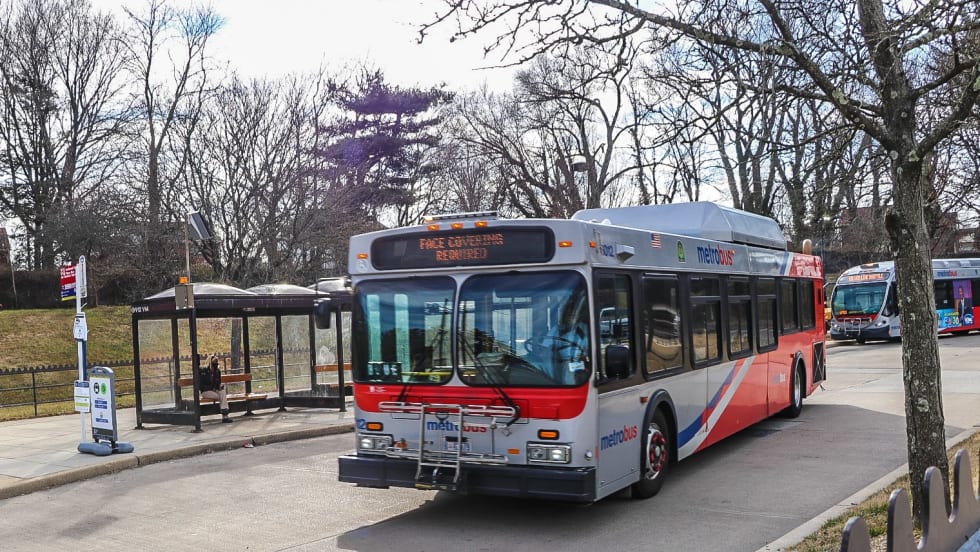
Report: Transit Bus Manufacturing Supports 34,100 Jobs, $5.1B in GDP
The “Buses Mean Business” report examines the transit bus manufacturing industry’s economic footprint, supply chain, and rising demand for vehicle replacements.
Read More →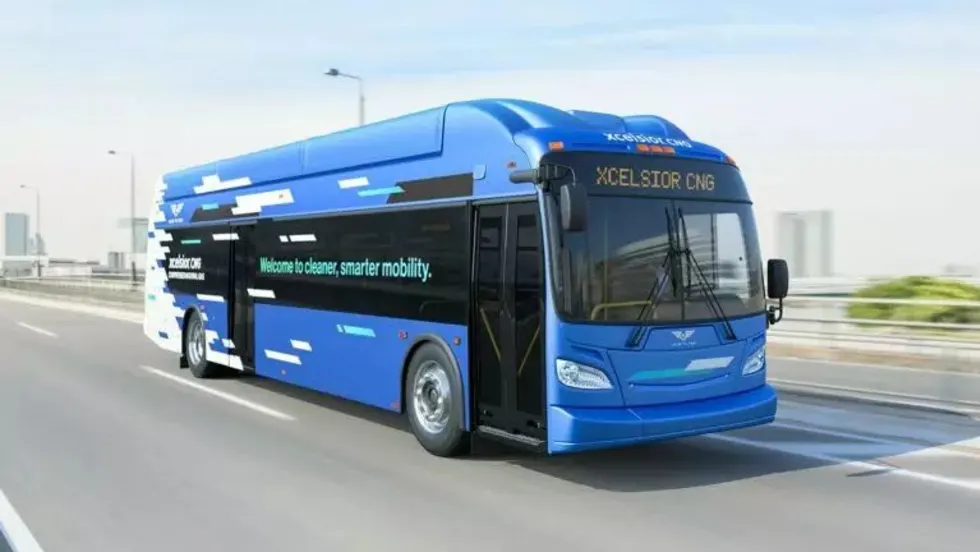
Biz Briefs: New Flyer Delivers in Columbus, Houston, Beep and Freebee Merge, and More
In this edition of Biz Briefs, we spotlight the latest developments shaping the future of mobility.
Read More →