



Web Extra: Have you integrated Zipcar with transit?
Transit operators from universities in Pennsylvania, Texas and Michigan share how they are combining Zipcar with their transit systems.


With the announcement in the news of yet another college campus — University of Massachusetts, Dartmouth — partnering with Zipcar, it seems like school systems are increasingly blending the popular service into their transit systems. We asked university transit operators about their Zipcar services and transit systems and how they have integrated them.
Here are their responses:

“The University of Texas partnered with Zipcar last Spring semester. We have not measured transit ridership and Zipcar usage, [but] all of our Zipcar locations are within walking distance of major transit stops on campus.”
Blanca Juarez, alternative transportation manager, parking and transportation services
The University of Texas at Austin
Austin, Texas
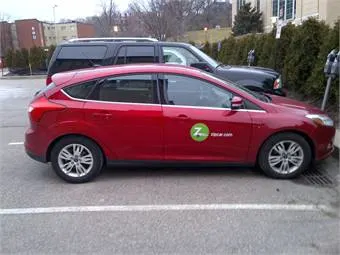
“Carnegie Mellon has been in partnership with Zipcar since August, 2007. Our fleet went from two to four cars in just a few years, and we are currently in talks with Zipcar to add additional vehicles. The partnership with Zipcar has not impacted ridership on our shuttle system. Our shuttle system is vastly used by our student body. Zipcar’s presence adds another transportation option for our community. Carnegie Mellon University has also been in partnership with Pittsburgh’s local transit, Port Authority, since 2008.”
Michelle Porter, director, parking & transportation services
Carnegie Mellon University
Pittsburgh, Pa.
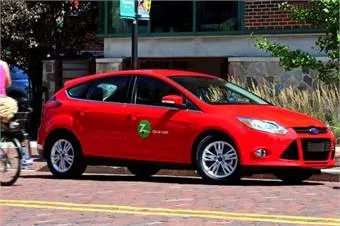
“The University of Michigan (U-M) began its agreement with Zipcar in November, 2006. The car-sharing program started with six cars in three locations [and grew]to now 18 cars in eight locations. Our U-M Zipcar members number approximately 3,000. That equates to approximately 167 members per Zipcar. All of our Zipcar locations on campus are within a short walk of our main transit route. So, the members can get to their reserved Zipcar with minimal travel. In addition, if the car a member wants is not available, he [or] she can take a bus to another location which has an available car.”
Grant Winston, associate director, customer service in parking & transportation services
University of Michigan
Ann Arbor, Mich.
“WSU partnered with Zipcar in August 2011. We currently have a three-vehicle fleet with a 45% utilization rate. There have been no correlated impacts on transit ridership. Zipcars serve as an additional mobility option versus one that is incorporated as a segment of a multi-modal trip.”
Darin Watkins, executive director of external communications
Washington State University
Pullman, Wash.
More Bus

People Movement: Dan Dipert Coaches Adds Third-Generation Leader, Keolis Names New Valley Metro VP/GM, and More
In this edition, we also cover recent appointments and announcements at the Wabtec, SilverRide, HNTB, and more, showcasing the individuals helping to shape the future of transportation.
Read More →
New York MTA Plans Largest Bus Fleet Upgrade in More Than a Decade
The agency is seeking manufacturers for 650 new CNG buses to replace aging vehicles, improve reliability, and advance its broader fleet modernization strategy.
Read More →
Building a Flexible Path to Transit Electrification
John Hroncich discusses BAE Systems’ modular and scalable approach, lessons learned from decades of real-world operations, and how agencies can identify electrification strategies that fit their fleets.
Read More →
Bus Tech Talk: Keeping Transit Technicians Ahead of the Technology Curve
LA Metro’s Obed Mejia discusses technician training, evolving maintenance technology, fleet replacement, and strategies for getting the most out of today’s transit fleets.
Read More →
Biz Briefs: RIPTA Unveils New Frontrunners, Clevland RTA Adds New Siemens, and More
In METRO's latest installment, we take a look at recent news from Siemens, Prevost, Dodge, and more partnerships making headlines across the transportation sector.
Read More →
People Movement: Holly Arnold Joins Transdev and More
In this edition, we also cover recent appointments and announcements at Pace, CamTran, MCI, and more, showcasing the individuals helping to shape the future of transportation.
Read More →
The High Cost of Transit Buses: Industry Leaders Look to Procurement Reform
Transit leaders and policymakers examine how standardized bus designs, streamlined procurement, and predictable funding could help agencies stretch budgets and deliver better service.
Read More →
The Business Voice Behind Public Transportation
As chair of APTA’s Business Members Board of Governors, Ray Melleady explains how more than 850 business members are partnering with transit agencies to advance funding, innovation, and industry-wide collaboration.
Read More →
From Surviving to Thriving: Building Stronger Transportation Organizations
Bus Business Consultants founder Brian Dickson shares lessons on leadership, organizational health, and creating options for long-term success in a changing transportation industry.
Read More →
Finding the ‘Happy Medium’: Optimizing Maintenance Without Sacrificing Reliability
The key to maintenance optimization isn’t doing less work—it’s doing the right work at the right time on the right assets.
Read More →