



President's budget proposal includes $74B for U.S. DOT
The centerpiece of the President's FY 2013 budget for the department is a six-year $476 billion surface transportation reauthorization proposal that will improve America's highways and transit networks, continue to ensure that these systems are safe, and give travelers new options by enhancing and expanding passenger rail service.

President Barack Obama proposed a $74 billion budget for the U.S. Department of Transportation (US DOT) that will lay a new foundation for economic growth and competitiveness by investing in the country's national infrastructure network, building on recent safety achievements, and modernizing transportation systems through research and innovation.
The proposal was praised by Secretary of Transportation Ray LaHood.
"President Obama's budget for the Department of Transportation reflects our commitment to investing in an America that is built to last," said Secretary LaHood. "A strong American economy depends on the roadways, runways, and railways that move people and goods from coast to coast and around the globe. President Obama's plan will enable us to build the American infrastructure we need for tomorrow while putting people back to work today."
The centerpiece of the President's FY 2013 budget for the department is a six-year $476 billion surface transportation reauthorization proposal that will improve America's highways and transit networks, continue to ensure that these systems are safe, and give travelers new options by enhancing and expanding passenger rail service. This proposed budget would be fully paid for using half the six-year savings achieved from ramping down the wars in Iraq and Afghanistan, with the other half used to pay down the national debt.
To strengthen the backbone of America's transportation network, the six-year budget includes $305 billion to rebuild America's roads and bridges, a 34% increase over the previous authorization. To help meet growing demand, the proposal also includes $108 billion in funding for affordable, sustainable and efficient transit options, a 105% increase over the previous authorization.
The Administration's national high-speed rail proposal is another critical part of its vision for modernizing America's transportation network. The budget provides $2.5 billion for the first year of a six-year, $47 billion rail investment plan. This will help the Federal Railroad Administration continue to work with states as they plan and develop high-speed and intercity passenger rail corridors across the country. It will also place high-speed rail on equal footing with other transportation programs, revitalize domestic rail manufacturing and ensure that the nation can reach President Obama's goal of providing 80% of Americans access to high-speed rail within 25 years.
The new budget also reaffirms Secretary LaHood's strong commitment to maintaining the highest safety standards for Americans traveling by any mode of transportation. While road, transit and air travel are currently the safest they have ever been in America, the U.S. DOT will build on previous successes to make them even safer. To accomplish that goal, the budget provides nearly $30 billion over the next six years for surface transportation safety programs, an increase of 137% over the previous authorization. This includes $330 million over six years for the department's ongoing campaign against distracted driving. The reauthorization proposal would also give the Federal Transit Administration authority to oversee rail transit safety in cities across the country.
The FY 2013 budget also proposes a series of Pipeline Safety initiatives that will strengthen oversight of our Nation's pipelines.
To view the budget summary document, click here.
More Bus
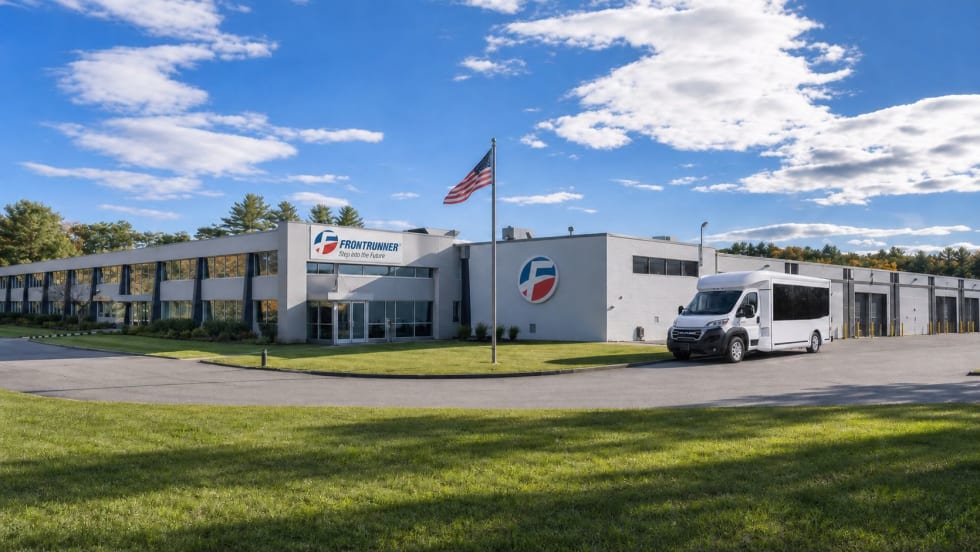
Frontrunner Bus Group Expands with New Massachusetts Headquarters
The significantly larger facility will provide the infrastructure needed to support the company’s growing workforce, advanced technologies, and expanding product line.
Read More →
Joshua Schank on Transportation Innovation, Risk, and the Future of Mobility
In this edition of METROspectives, Joshua Schank discusses lessons from launching LA Metro’s Office of Extraordinary Innovation, the challenges of advancing new mobility technologies, and much more.
Read More →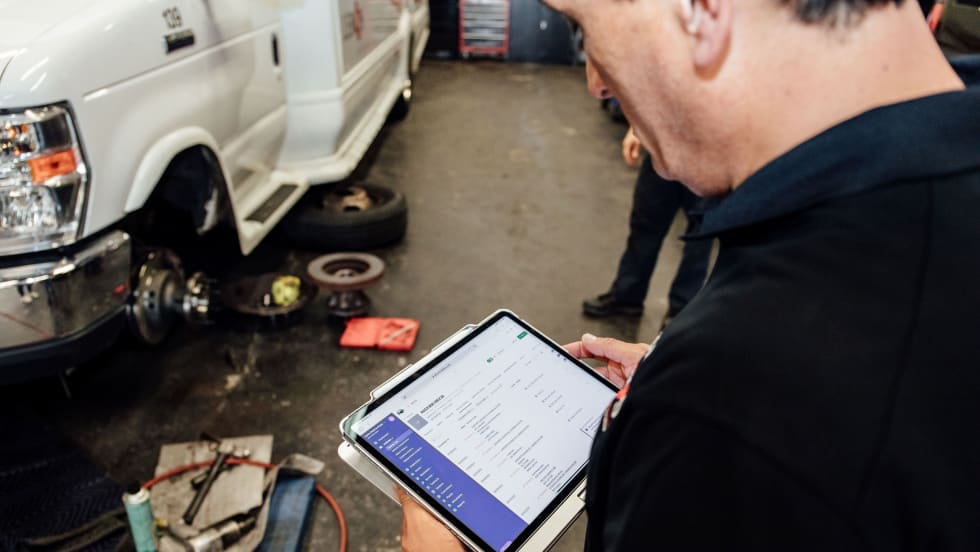
Reinventing Fleet Maintenance with Real-time Visibility and AI
Transit leaders need to know what needs fixing, where to look, who is responsible, when work is completed, and what it costs without having to chase information across disconnected systems.
Read More →
SamTrans Sets Priorities for Potential Connect Bay Area Revenue
The board-approved framework allocates future funding to maintaining service, rider improvements, equity initiatives, and infrastructure repairs.
Read More →
When Routine Fails: How Public Transit Must Adapt for the World Cup
The 2026 FIFA World Cup will test transit agencies’ ability to manage unpredictable travel patterns, making real-time data and operational flexibility critical to moving millions of visitors efficiently.
Read More →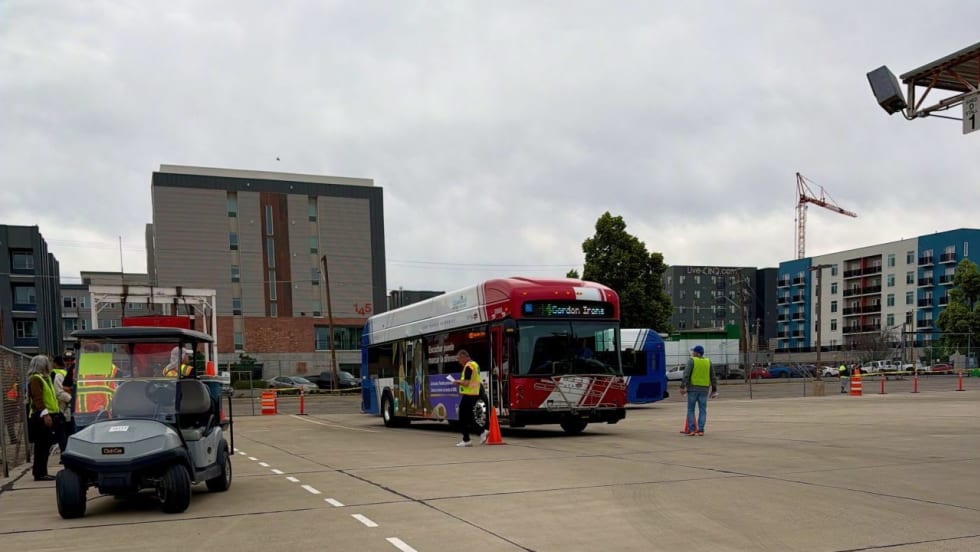
Photo Highlights from APTA's 2026 Mobility Conference
The photo gallery captures scenes from the conference, including the International Bus Roadeo, exhibit hall activities, the Bus Showcase, and much more.
Read More →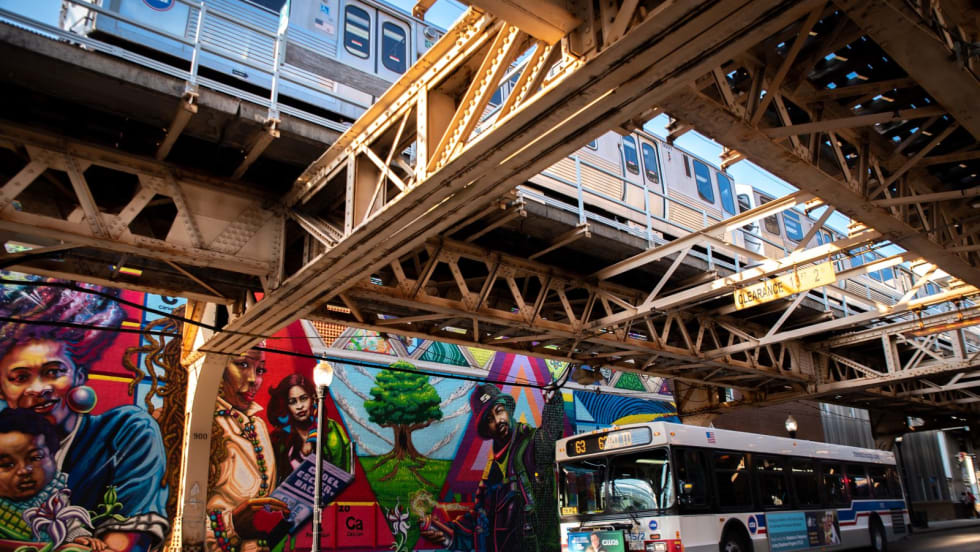
Chicago's NITA Act Moves Into Next Phase as Service Improvements Begin
Rider-focused improvements will begin rolling out across the system immediately as CTA, Metra, and Pace increase service this summer in the six-county region.
Read More →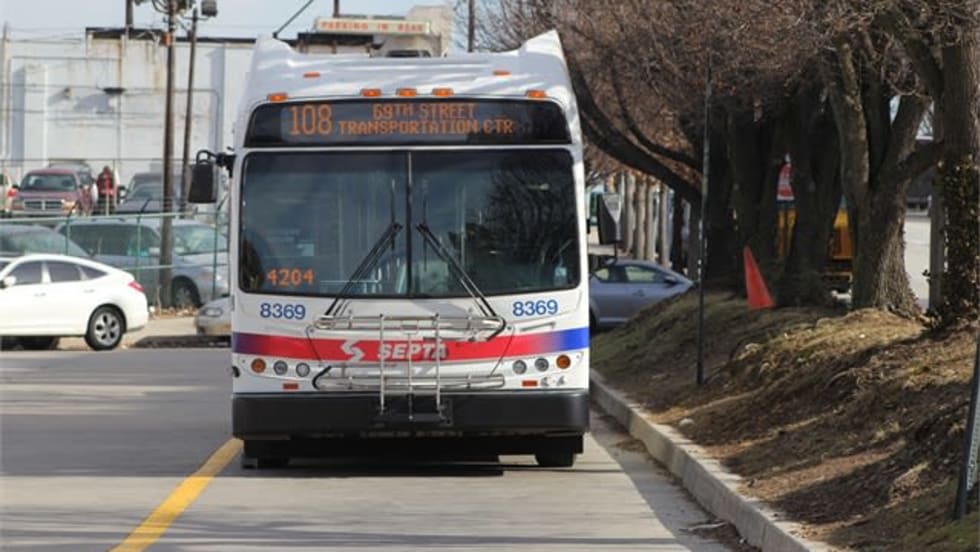
Philadelphia's SEPTA Approves Annual Transit Service Plan
Between 2021 and 2024, SEPTA held more than 200 public meetings — including 144 in-person sessions — throughout the SEPTA service region.
Read More →
A True Low-Floor Minibus Design Delivers Better Accessibility and Efficiency for Everyone
As transit demands evolve, so should your fleet. Download the whitepaper to see how the Low-Floor Frontrunner Minibus compares to traditional options.
Read More →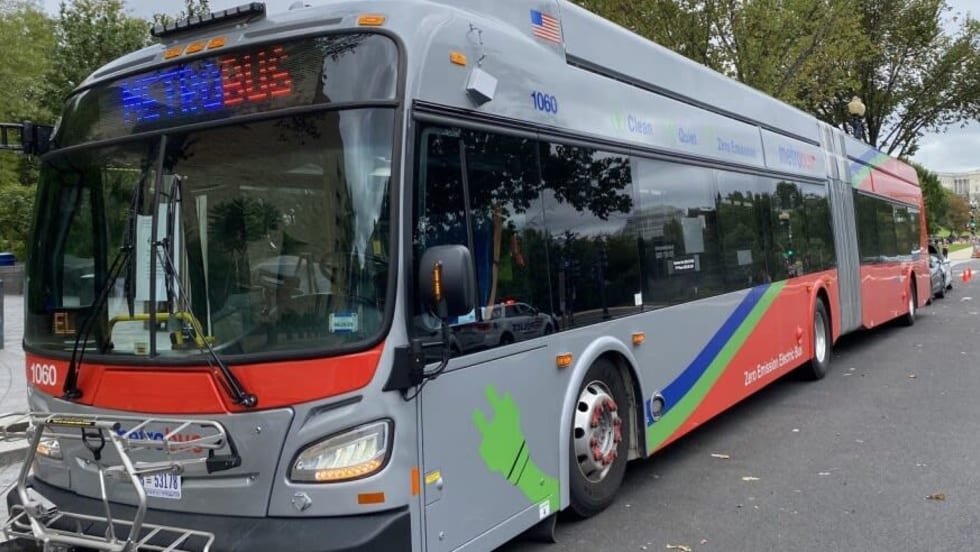
WMATA Debuts 'Fares Pay for Service' Awareness Campaign
The campaign was highlighted during a media event at the Paul S. Sarbanes Transit Center in Silver Spring, where WMATA’s GM/CEO Randy Clarke joined Metro Transit Police officers, WMATA management team, board members, and staff to expand fare enforcement and customer education efforts on Metro Bus routes throughout the region.
Read More →