



TriMet revises proposal to close budget shortfall
Targeted $12 million in cuts and changes, which will take effect in September 2012. Changes include enacting internal efficiencies, providing $1.2 million in savings. The original proposal from February called for $500,000 in savings.

After five weeks of public comment and outreach, TriMet released a refined proposal to close the $12 million to $17 million shortfall in its upcoming Fiscal Year 2013 (FY13) budget that begins July 1, 2012. The full proposal is available at trimet.org/choices.
TriMet has targeted $12 million in cuts and changes to take effect in September 2012. The changes have been scaled back for two key reasons. The agency is required by state law to adopt a balanced budget in June, but the unsettled labor contract with the Amalgamated Transit Union Local 757 (ATU) will not be resolved until after the budget begins. TriMet is proposing $12 million in cuts and changes now, and depending on the outcome of the arbitration of the contract, may need to cut an additional $5 million during the FY13 budget.
With the slow economic recovery, TriMet expects to receive about $3 million less in payroll tax revenues than previously anticipated. Additionally, TriMet estimates a $4 million cut in federal formula funds that are used for preventive maintenance; the agency receives $40 million to $45 million annually.
The unresolved union contract adds $5 million to $10 million to the FY13 budget shortfall. The contract expired in 2009 and both parties are heading to interest arbitration scheduled for May 2012. A recent Employee Relations Board decision removed certain cost-saving proposals from TriMet's final offer.
The refined budget proposal includes:
• Eliminating fare zones/move to flat fare system, providing $6 million in additional revenue.
• Eliminating the Free Rail Zone, providing $2.7 million in additional revenue. This change would eliminate free rides on MAX in Downtown Portland and the Lloyd District.
• Selling ads on the TriMet website, bringing in $300,000 in additional revenue.
• Enacting internal efficiencies, providing $1.2 million in savings. The original proposal from February called for $500,000 in savings. By identifying these internal efficiencies and program cuts it will minimize service cuts and impact to riders. During this recession, TriMet has already cut 200 positions, frozen salaries for non-union employees now in its fourth year and required greater cost sharing for health care benefits.
• Service cuts, providing $1.1 million in savings. The original proposal from February totaled $2 million in cuts. No elimination will be made to weekend bus or MAX service, except for the elimination of free rides in the Free Rail Zone.
• Adjusting the LIFT paratransit service boundary, providing $400,000 in savings. TriMet's current LIFT door-to-door paratransit service exceeds Americans with Disabilities Act (ADA) regulations.
• Reducing TriMet contribution to the Portland Streetcar, providing $300,000 in savings.
"Our revised proposal reflects the priorities we clearly heard from the public, which was to preserve service as the highest priority," said TriMet General Manager Neil McFarlane.
More Bus
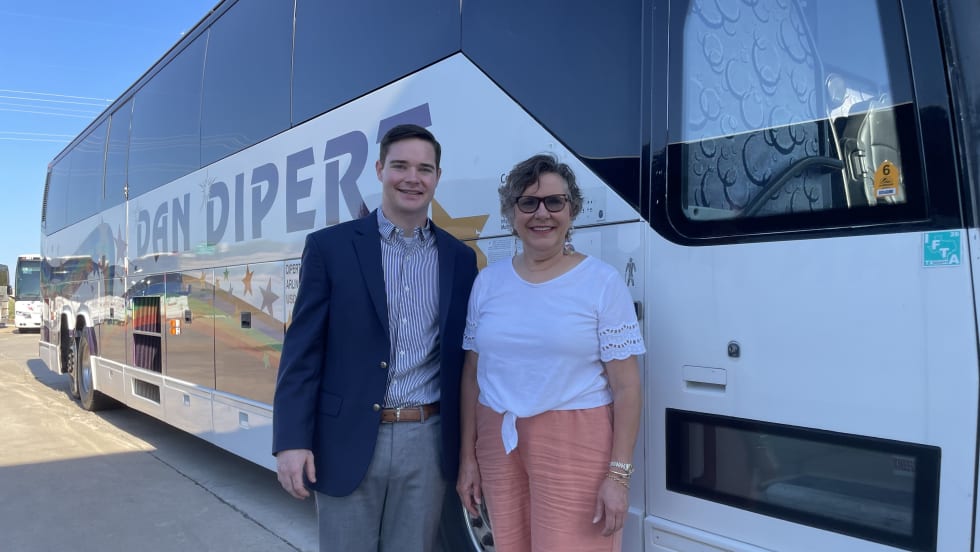
People Movement: Dan Dipert Coaches Adds Third-Generation Leader, Keolis Names New Valley Metro VP/GM, and More
In this edition, we also cover recent appointments and announcements at the Wabtec, SilverRide, HNTB, and more, showcasing the individuals helping to shape the future of transportation.
Read More →
New York MTA Plans Largest Bus Fleet Upgrade in More Than a Decade
The agency is seeking manufacturers for 650 new CNG buses to replace aging vehicles, improve reliability, and advance its broader fleet modernization strategy.
Read More →
Building a Flexible Path to Transit Electrification
John Hroncich discusses BAE Systems’ modular and scalable approach, lessons learned from decades of real-world operations, and how agencies can identify electrification strategies that fit their fleets.
Read More →
Bus Tech Talk: Keeping Transit Technicians Ahead of the Technology Curve
LA Metro’s Obed Mejia discusses technician training, evolving maintenance technology, fleet replacement, and strategies for getting the most out of today’s transit fleets.
Read More →
Biz Briefs: RIPTA Unveils New Frontrunners, Clevland RTA Adds New Siemens, and More
In METRO's latest installment, we take a look at recent news from Siemens, Prevost, Dodge, and more partnerships making headlines across the transportation sector.
Read More →
People Movement: Holly Arnold Joins Transdev and More
In this edition, we also cover recent appointments and announcements at Pace, CamTran, MCI, and more, showcasing the individuals helping to shape the future of transportation.
Read More →
The High Cost of Transit Buses: Industry Leaders Look to Procurement Reform
Transit leaders and policymakers examine how standardized bus designs, streamlined procurement, and predictable funding could help agencies stretch budgets and deliver better service.
Read More →
The Business Voice Behind Public Transportation
As chair of APTA’s Business Members Board of Governors, Ray Melleady explains how more than 850 business members are partnering with transit agencies to advance funding, innovation, and industry-wide collaboration.
Read More →
From Surviving to Thriving: Building Stronger Transportation Organizations
Bus Business Consultants founder Brian Dickson shares lessons on leadership, organizational health, and creating options for long-term success in a changing transportation industry.
Read More →
Finding the ‘Happy Medium’: Optimizing Maintenance Without Sacrificing Reliability
The key to maintenance optimization isn’t doing less work—it’s doing the right work at the right time on the right assets.
Read More →