



Prevost announces spring webinars
The 2012 line-up will include in-depth education on the Volvo 9700 and Prevost motorcoaches. Sessions will also include presentations on the Prevost Parts eCommerce site and Prevost Liaison telematics system.

Prevost announced the Spring 2012 schedule for Prevost Connection, their series of webinars focused on customer education.
The 2012 line-up will include in-depth education on the Volvo 9700 and Prevost motorcoaches. Sessions will also include presentations on the Prevost Parts eCommerce site and Prevost Liaison telematics system.
Prevost Connection is a continuing series of online presentations and discussions for motorcoach operators, drivers and maintenance personnel. The program educates, reviews and reminds customers about important topics regarding new and existing Prevost vehicles, vehicle maintenance and customer service programs. Each session also allows for discussion between Prevost product and service experts and webinar attendees.
During webinar registration, attendees can submit questions for the presenter to address during the session and can offer suggestions for specific areas of concentration. During the webinar, attendees view and listen to the presentation by connecting to the webinar through a simple internet link and calling in to a toll free number. Attendees can ask questions throughout the presentation and discuss points of interest with the subject expert. Following the webinar, attendees are invited to offer suggestions and topics of interest for future webinars.
The Prevost Connection schedule of webinars for Spring 2012 can be accessed directly, here.
More Management
Joshua Schank on Transportation Innovation, Risk, and the Future of Mobility
In this edition of METROspectives, Joshua Schank discusses lessons from launching LA Metro’s Office of Extraordinary Innovation, the challenges of advancing new mobility technologies, and much more.
Read More →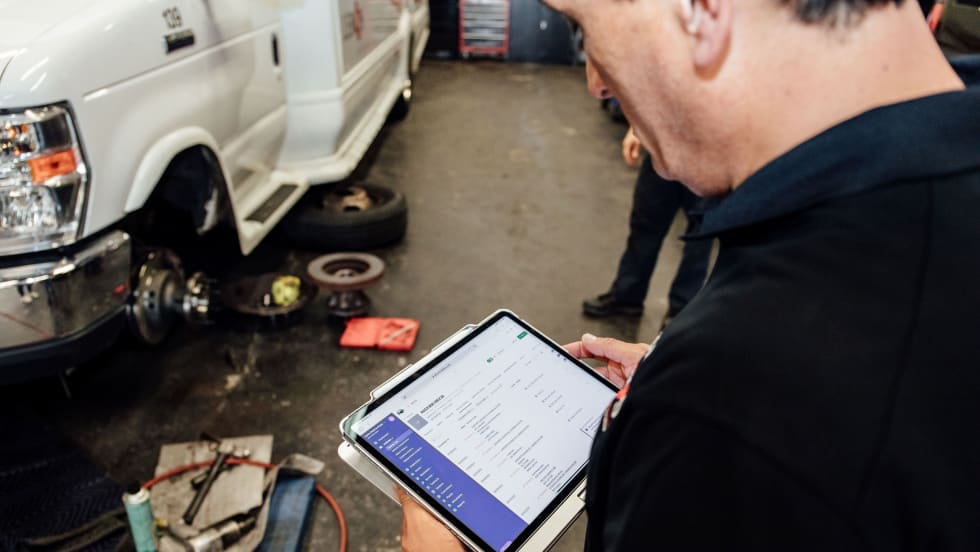
Reinventing Fleet Maintenance with Real-time Visibility and AI
Transit leaders need to know what needs fixing, where to look, who is responsible, when work is completed, and what it costs without having to chase information across disconnected systems.
Read More →
Alstom Acquires Delaware Site to Support Amtrak NextGen Acela Fleet
The company is investing more than $55 million to acquire and improve the property and will employ approximately 100 people at this site once it is operational.
Read More →
SamTrans Sets Priorities for Potential Connect Bay Area Revenue
The board-approved framework allocates future funding to maintaining service, rider improvements, equity initiatives, and infrastructure repairs.
Read More →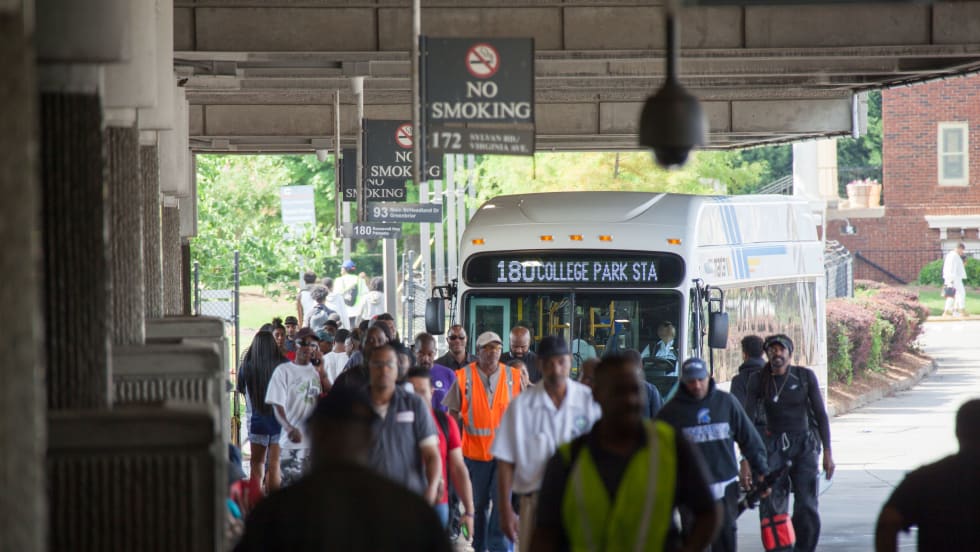
Federal Transit Officials Launch MARTA Safety Probe
FTA has given MARTA 15 days to provide records on crime prevention, fare evasion enforcement, and security funding as part of a broader safety investigation.
Read More →
ABA's Ferguson Testifies in Support of BUS Act, National Standards for Bus Operators
The BUSES Act would create a nationwide framework preventing state and local governments from enforcing bus idling restrictions of less than 15 minutes, a threshold consistent with existing Environmental Protection Agency guidance.
Read More →
When Routine Fails: How Public Transit Must Adapt for the World Cup
The 2026 FIFA World Cup will test transit agencies’ ability to manage unpredictable travel patterns, making real-time data and operational flexibility critical to moving millions of visitors efficiently.
Read More →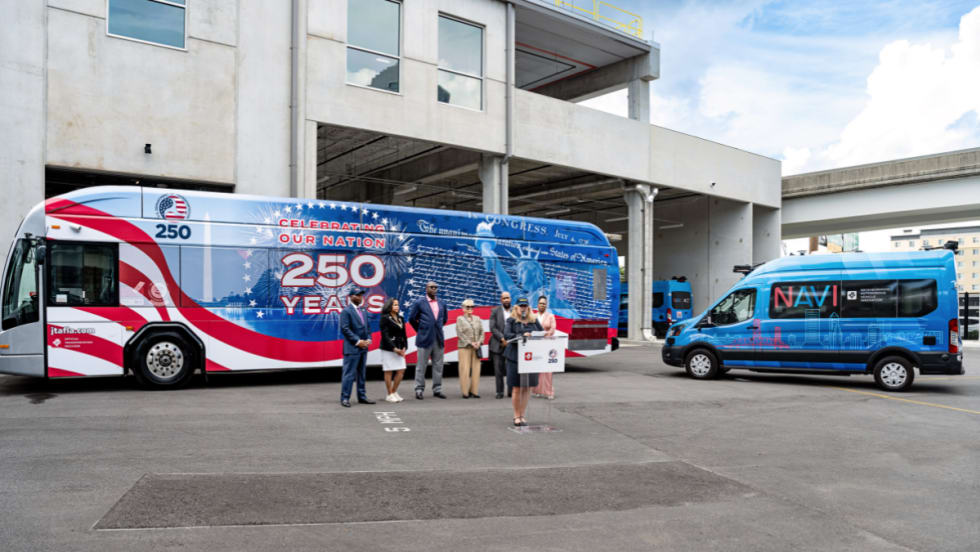
Florida’s JTA Puts Innovation in Motion Ahead of America250
The agency unveiled a commemorative America250 bus during a visit from U.S. DOT's Seval Oz and showcased its autonomous mobility programs.
Read More →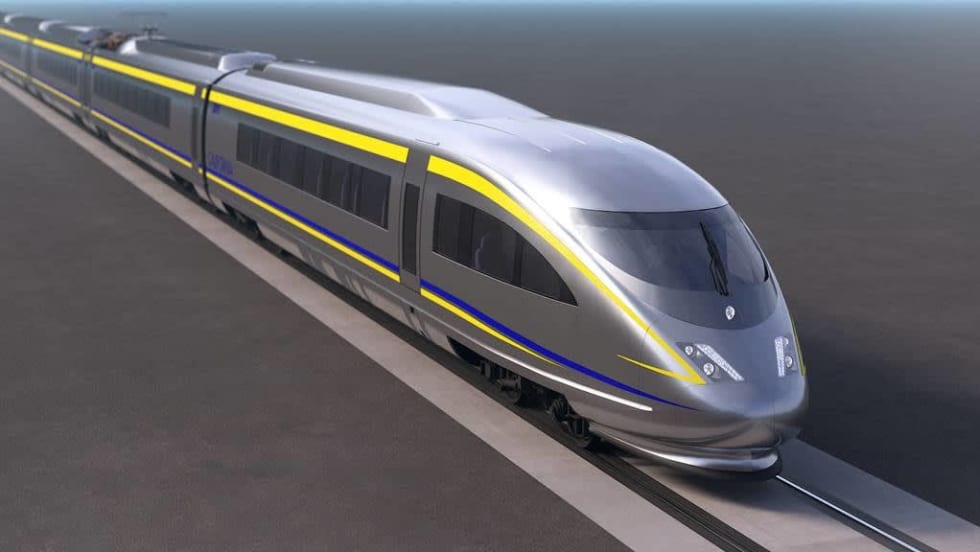
California Selects Team for Nation’s First True High-Speed Rail Track and Systems Contract
The board action follows completion of track installation at the 150-acre southern railhead in Kern County, which will serve as the staging and distribution hub for high-speed track and systems installation.
Read More →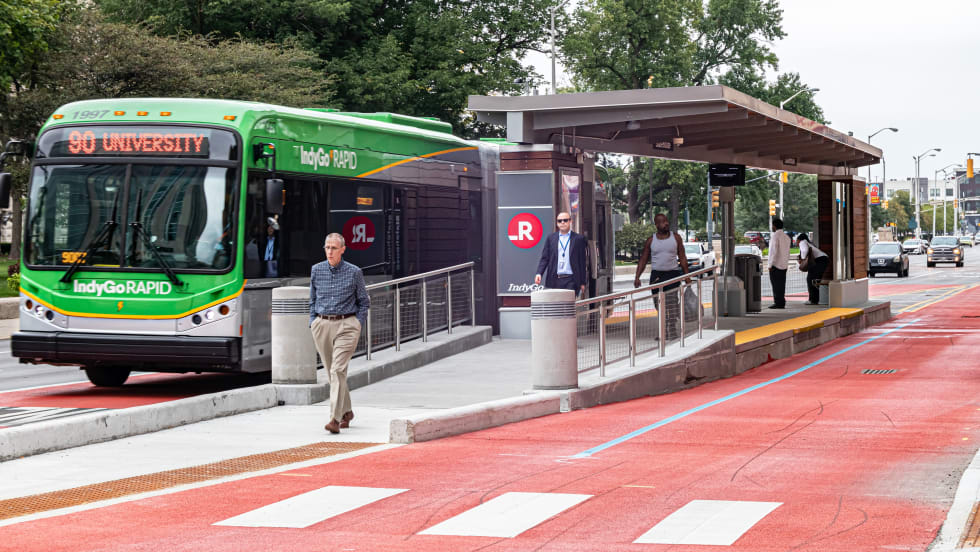
IndyGo, Cleveland RTA Expand Digital Fare Payment Options with Masabi
The new systems combine mobile apps, smart cards, and automatic fare capping to simplify payments, expand flexibility, and help riders access the lowest available fares.
Read More →