



Report: Railcar manufacturing down last 5 years
The moderate annualized decrease in industry revenue of 1.7% masks the sharp demand declines experienced during the recession. However, locomotives and railcars are built when ordered, which causes order backlogs that can last an average of three years.

In the midst of the global recession, the train, subway and transit car manufacturing industry experienced a slight decline during the five years to 2012, according to an IBISWorld report.
The moderate annualized decrease in industry revenue of 1.7% masks the sharp demand declines experienced during the recession. However, locomotives and railcars are built when ordered, which causes order backlogs that can last an average of three years. Before the recession, the expanding economy led to a large backlog of railcar orders as rail transport companies ordered more industry products in response to growing demand for commodities. In 2009, says IBISWorld industry analyst Lauren Setar, "Most industry players did not receive any orders but were able to generate revenue from backlog railcar production." As such, revenue is expected to reach $13.2 billion in 2012.
The recession hit railroad operators particularly hard. As the U.S. economy entered the downturn, banks were reluctant to hand out loans. Meanwhile, capital-intensive businesses pulled back on investments, waiting on the sidelines for a better investing environment. Additionally, trade slowed to minimal levels, according to the report.
Railroad operators derive most of their revenue from shipping industrial products, including coal, machinery and other industrial mainstays. With dropping demand for shipping industrial products, railroad operators left unused railcars for storage and stopped ordering new locomotives and railcars. The end of the backlog will continue to result in revenue declines for the train, subway and transit car manufacturing industry, and revenue is estimated to decrease 2.9% from 2011 to 2012.
The next five years are expected to be even worse for the industry. Despite expected gains in industrial production and a shift toward sustainable infrastructure like railroads, major players, most of which operate outside the U.S., are increasingly looking overseas for growth opportunities. Emerging economies that were left relatively unscathed from the global recession are growing at much faster rates than developed Western economies. China, which presents the largest growth opportunity for manufacturers, has a booming energy and industrial market and its railroads will continue to increase demand for freight shipments across the country. These shifts to emerging economies will limit U.S. industry growth prospects, leading revenue to fall in the five years to 2017, according to the report.
For more about the "Train, Subway and Transit Car Manufacturing" report, click here.
More Rail

The Invisible Infrastructure of Passenger Flow
What a seat reservation system on Austria’s Railjet trains reveals about the future of rider experience, and why U.S. agencies should pay attention.
Read More →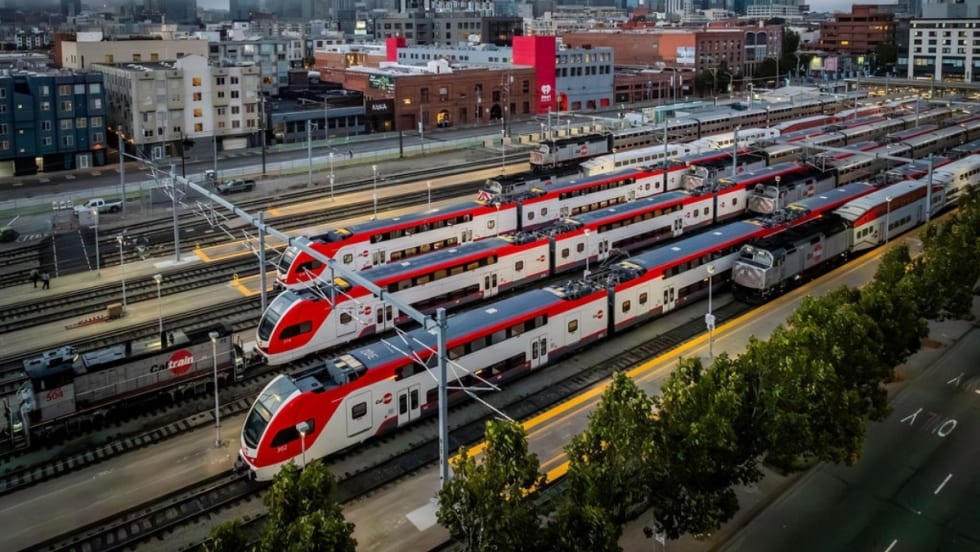
Caltrain Board Approves FY27 Budget, Endorses Efficiency Measures
The move ensures Caltrain service will continue operating as usual in the near term, but long-term financial challenges remain for the rail agency absent a new revenue source.
Read More →
Alstom Acquires Delaware Site to Support Amtrak NextGen Acela Fleet
The company is investing more than $55 million to acquire and improve the property and will employ approximately 100 people at this site once it is operational.
Read More →
When Routine Fails: How Public Transit Must Adapt for the World Cup
The 2026 FIFA World Cup will test transit agencies’ ability to manage unpredictable travel patterns, making real-time data and operational flexibility critical to moving millions of visitors efficiently.
Read More →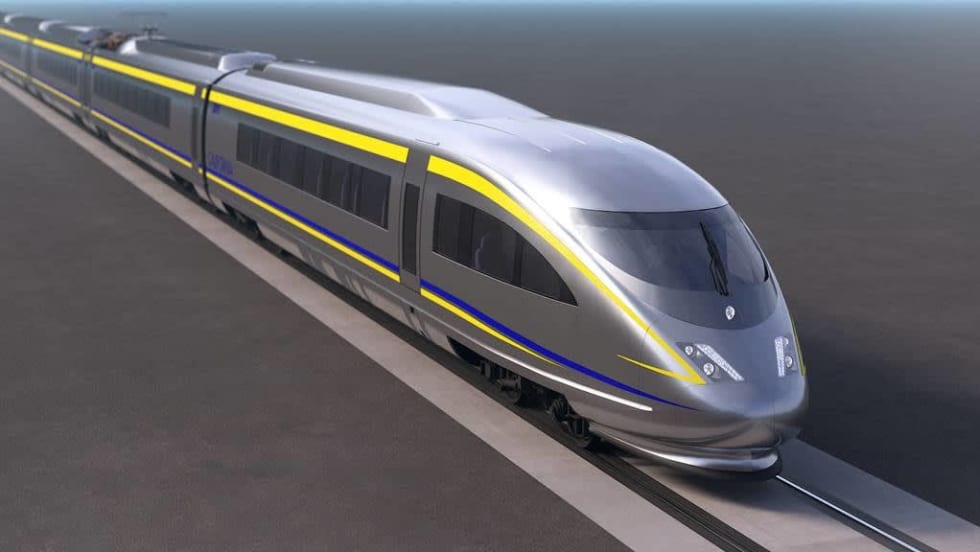
California Selects Team for Nation’s First True High-Speed Rail Track and Systems Contract
The board action follows completion of track installation at the 150-acre southern railhead in Kern County, which will serve as the staging and distribution hub for high-speed track and systems installation.
Read More →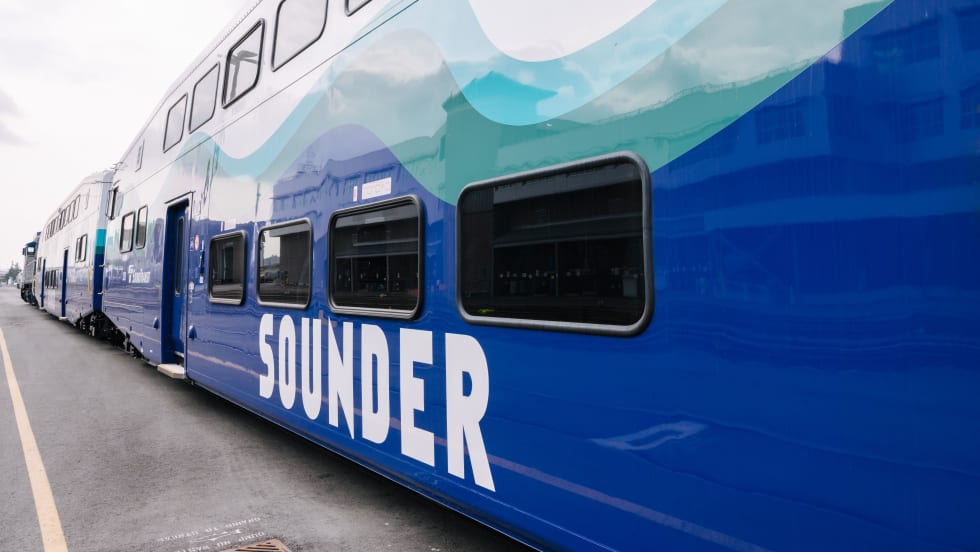
Seattle's Sound Transit Launches New Sounder Railcars into Service
Alstom manufactured all the cars under a $46.5 million contract and came into service in anticipation of summer crowds for soccer and baseball.
Read More →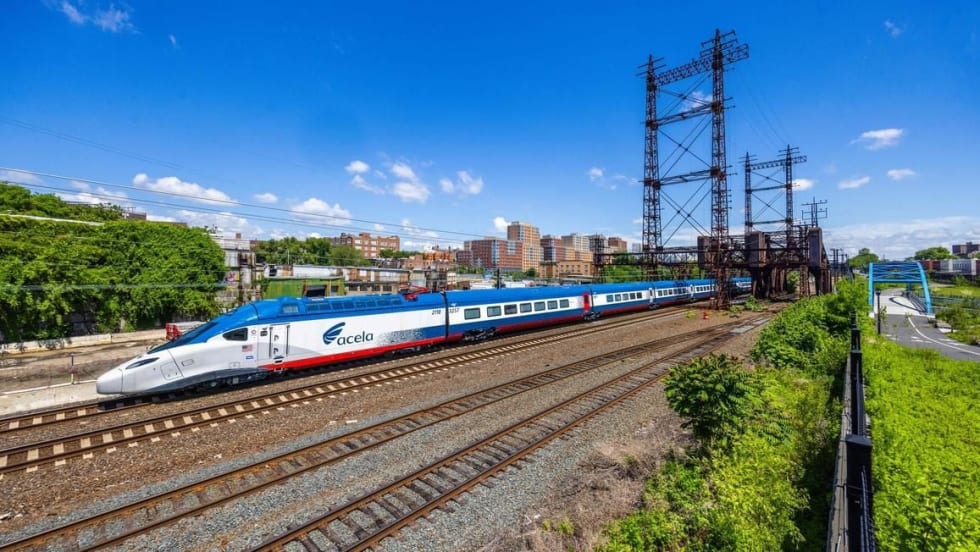
Alstom Partners With Universities to Build Rail Talent Pipeline
The partnerships include a new engineering scholarship fund at Alfred State College in Western New York and collaborations with transportation centers at the University of Pennsylvania and New York University.
Read More →
Chicago's NITA Act Moves Into Next Phase as Service Improvements Begin
Rider-focused improvements will begin rolling out across the system immediately as CTA, Metra, and Pace increase service this summer in the six-county region.
Read More →
Seattle’s Sound Transit Adopts Updated ST3 System Plan
The updated system plan incorporates cost savings across the agency, including new revenue sources and financial policies, to set the agency on a sustainable path for the future.
Read More →
Inside Look: EMBARK Expands Fare-Free Transit Program Through New Public-Private Partnership
The OKC transit agency says sponsorship helps subsidize the Third Friday Free initiative while reducing barriers for first-time riders and boosting ridership across buses, streetcars, and river cruises.
Read More →