



Web Extra: U. transit operators upgrade their driver training programs
University transit operators from Wisconsin and Illinois weigh in on recent updates they have made to their driver training programs, including bringing training in-house and adding bus simulators.

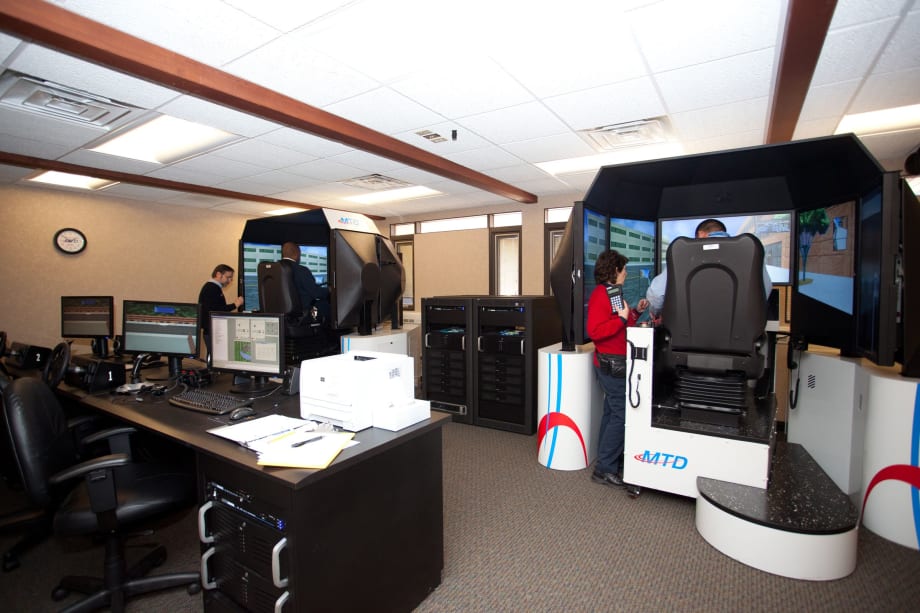
Ensuring that drivers have the necessary knowledge and skill to get students to and from class safely and efficiently is a top priority for university and college transit systems. We checked in with operators to get an update on changes they are implementing to their driver training programs.
Here are their responses:

“The Champaign-Urbana Mass Transit District (MTD) introduced bus simulators into its training and retraining curricula. The two FAAC simulators are beneficial in many ways. Use of the simulator environment for new hire training reduces the number of trainers needed and the consumption of fuel. The driver's seat and controls are identical to those on MTD buses allowing inexperienced operators to become comfortable with the environment in the safety of the training room. Custom programming recreates the challenges of operating on the University of Illinois campus where narrow roads and heavy auto, pedestrian and bicycle traffic create hazards. New operators can be introduced to the driving difficulties that inclement weather creates. Simulations are also used for accident reconstruction and summer retraining of veteran operators.”
Jan Kijowski, marketing director
Champaign-Urbana Mass Transit District
Urbana, Ill.
“The first major change we have made is bringing all of our training in-house. All of our driving and behind-the-wheel training was consulted out before. Through this process we have been able to save over $500 per trainee. Not only have we saved money, but through the process of the drivers' supervisor — myself — facilitating training we have seen better results in their driving after the completion of training and performing better on their exams.
Another major change we made when bringing the training in-house was to implement four hours of classroom instruction on how to handle larger vehicles. I am working to make this longer for our next round. To include the classroom aspect, I attended a week-long training by the Transportation Safety Institute. This training has prepared me well to be an instructor and provided me with the materials (slideshow, instructor manuals, participant manuals and tests) necessary to teach how to safely operate and handle our vehicles.
The other major change I have made recently includes a discussion about distracted driving. Before, we would talk about driving distracted and mention it was against company policy to use a cellphone, text, change the radio, etc., while the vehicle is in motion and we have it as a part of their employment agreement. However, what has been implemented is an actual discussion about the dangers of driving distracted and the three different types of distractions that drivers encounter (manual, cognitive, visual). We talk about why it is so important to stay focused on the road due to the fact that they have the potential to affect a large number of lives since they are transporting a large number of individuals on their bus.
The last thing I am still working on to implement is quarterly training at our staff meetings. This refresher training would center on seasonal-specific driving conditions.”
Paul Merkey, residential administration manager, shuttle & emergency procedures
University of Wisconsin-Milwaukee
Milwaukee, Wis.

“We added Smith System training to all drivers' curriculum, a monthly refresher on same, and also put mandatory off bus wheelchair securement stations in for our drivers to practice on. We hold optional weekend training on these platforms as well. We have also begun to add additional training personnel from within the driving ranks to more fully train our drivers behind the wheel.”
Jude Kiah, director, Go West Transit
Western Illinois University
Macomb, Ill.
More Bus
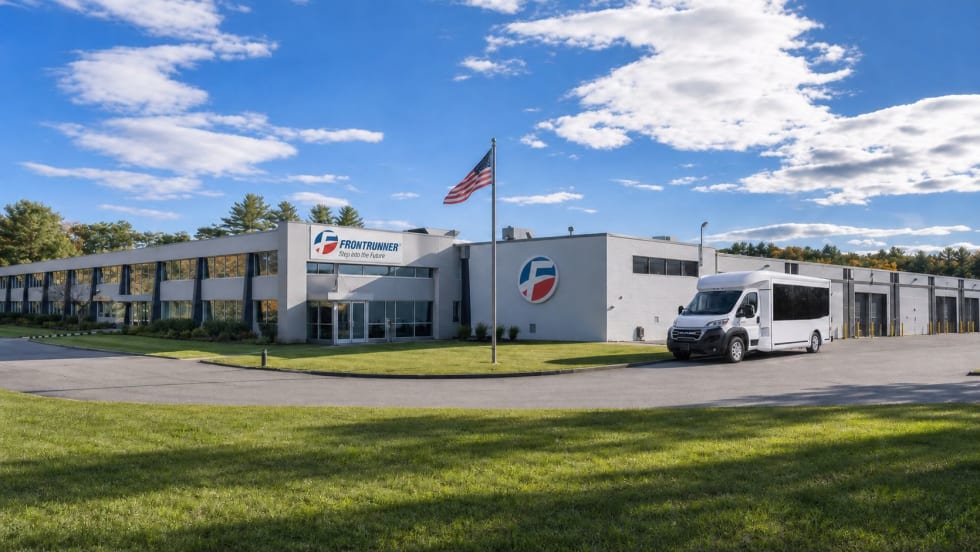
Frontrunner Bus Group Expands with New Massachusetts Headquarters
The significantly larger facility will provide the infrastructure needed to support the company’s growing workforce, advanced technologies, and expanding product line.
Read More →
Joshua Schank on Transportation Innovation, Risk, and the Future of Mobility
In this edition of METROspectives, Joshua Schank discusses lessons from launching LA Metro’s Office of Extraordinary Innovation, the challenges of advancing new mobility technologies, and much more.
Read More →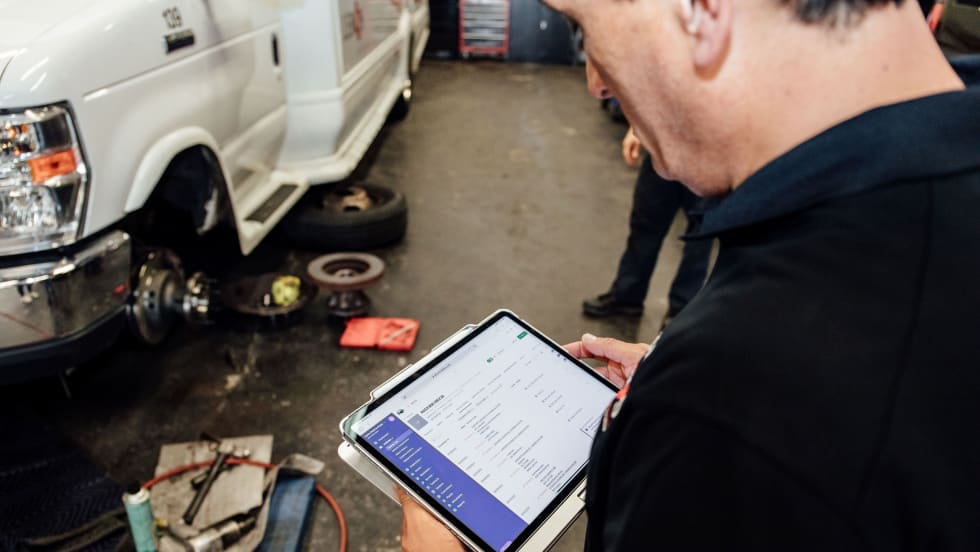
Reinventing Fleet Maintenance with Real-time Visibility and AI
Transit leaders need to know what needs fixing, where to look, who is responsible, when work is completed, and what it costs without having to chase information across disconnected systems.
Read More →
SamTrans Sets Priorities for Potential Connect Bay Area Revenue
The board-approved framework allocates future funding to maintaining service, rider improvements, equity initiatives, and infrastructure repairs.
Read More →
When Routine Fails: How Public Transit Must Adapt for the World Cup
The 2026 FIFA World Cup will test transit agencies’ ability to manage unpredictable travel patterns, making real-time data and operational flexibility critical to moving millions of visitors efficiently.
Read More →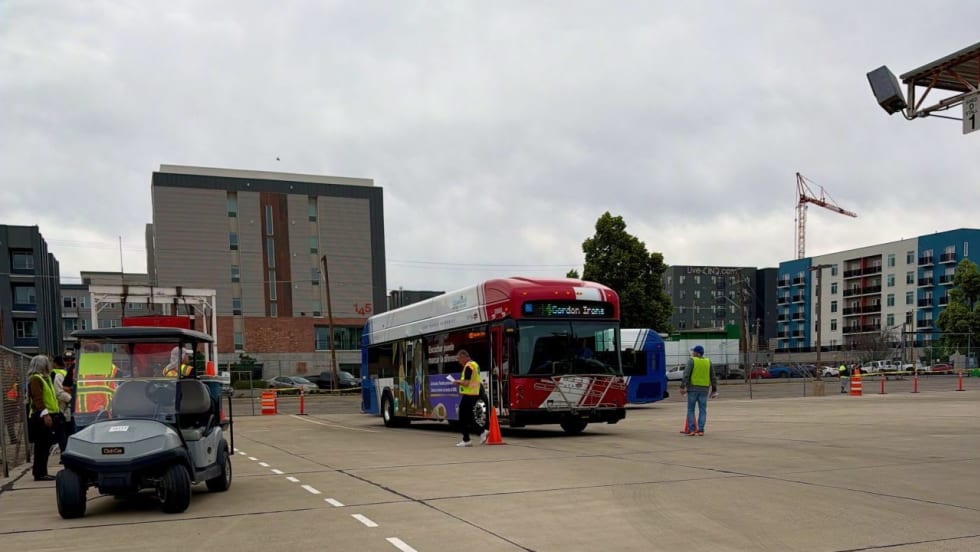
Photo Highlights from APTA's 2026 Mobility Conference
The photo gallery captures scenes from the conference, including the International Bus Roadeo, exhibit hall activities, the Bus Showcase, and much more.
Read More →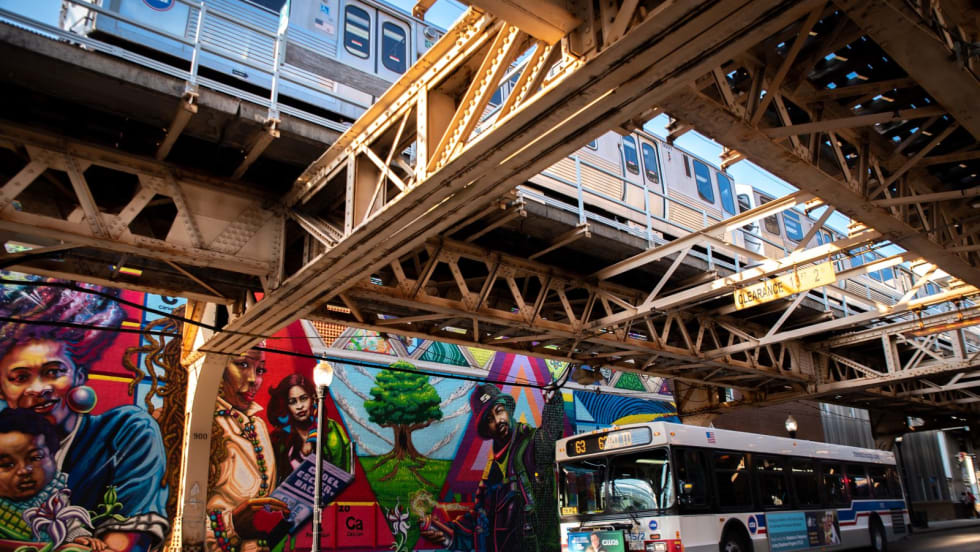
Chicago's NITA Act Moves Into Next Phase as Service Improvements Begin
Rider-focused improvements will begin rolling out across the system immediately as CTA, Metra, and Pace increase service this summer in the six-county region.
Read More →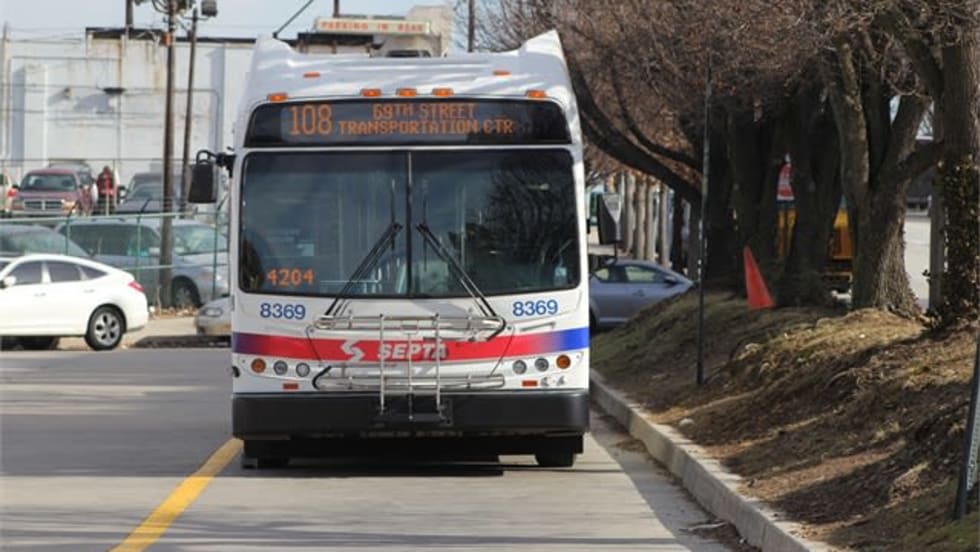
Philadelphia's SEPTA Approves Annual Transit Service Plan
Between 2021 and 2024, SEPTA held more than 200 public meetings — including 144 in-person sessions — throughout the SEPTA service region.
Read More →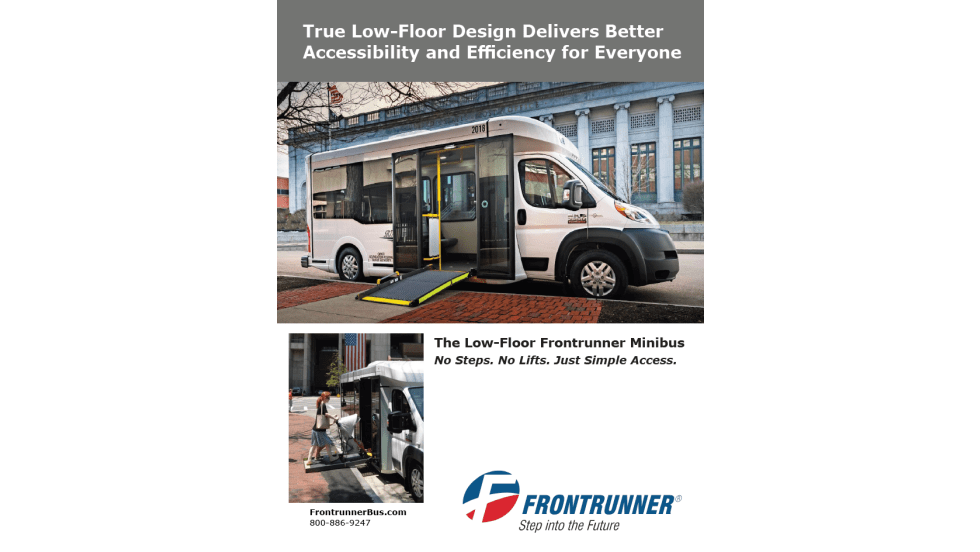
A True Low-Floor Minibus Design Delivers Better Accessibility and Efficiency for Everyone
As transit demands evolve, so should your fleet. Download the whitepaper to see how the Low-Floor Frontrunner Minibus compares to traditional options.
Read More →
WMATA Debuts 'Fares Pay for Service' Awareness Campaign
The campaign was highlighted during a media event at the Paul S. Sarbanes Transit Center in Silver Spring, where WMATA’s GM/CEO Randy Clarke joined Metro Transit Police officers, WMATA management team, board members, and staff to expand fare enforcement and customer education efforts on Metro Bus routes throughout the region.
Read More →