



Web Extra: Streetcar project adds to U of Arizona's transit options
The Tucson streetcar line will serve a population of more than 85,000 people who live and work within walking distance of 17 planned stops. The service also fills a gap by offering direct, high-capacity transit connections between downtown Tucson, the University of Arizona, the Arizona Health Sciences Center and points in between.

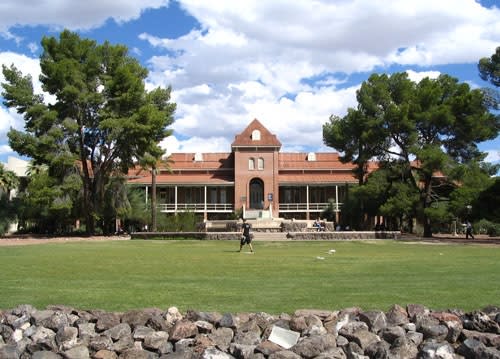

Earlier this month, Tucson, Ariz. broke ground on a new 3.9-mile modern streetcar line project that will directly connect thousands of commuters with the University of Arizona (UA) and Tucson’s major downtown employers, health care facilities and regional attractions.
“We’re excited for the streetcar for a number of reasons,” said David Heineking, CPP, director of UA’s Parking & Transportation Services (PTS). “One of the largest benefits of the streetcar for the University community is that it will connect major centers of activities, including major research and health care facilities. This is especially true of the programs located in downtown Tucson.”
The Tucson streetcar line will serve a population of more than 85,000 people who live and work within walking distance of 17 planned stops. The service also fills a gap by offering direct, high-capacity transit connections between downtown Tucson, the University of Arizona, the Arizona Health Sciences Center and points in between. Travel times between the University District and downtown are expected to improve significantly over current bus service, once the streetcar line is operational.
“As a University, we are also excited at the potential for expansion that the streetcar will open up for us — not only for our programs, but also for our student housing,” said Heineking. “We predict that the streetcar will also alleviate the demand for on-campus parking and, by encouraging members of the community to use alternative modes of transportation, reduce greenhouse gases.”
The U.S. Department of Transportation (U.S. DOT) committed $78.7 million to the $196.6 million project thus far, including $63 million in TIGER funds awarded in 2010 and $15.7 million from other U.S. DOT funding sources. It is slated to open in late 2013.
The streetcar project will become another aspect of UA’s transportation program, which includes car sharing, carpool/vanpool, and bicycle programs, as well as a U-Pass program with Sun Tran, Tucson’s local transit agency.
“Our department subsidizes the U-Pass program; PTS pays for 40% of the U-Pass,” said Heineking. “Students and employees may buy passes at PTS.”

The largest service providing campus transportation, perhaps, is UA’s Cat Tran, which has 16 shuttles and 6 routes — the Orange, Purple, Teal, Green, USA and Nightcat Route. The shuttles run Monday thru Friday, with service running from about 6:30 am — 6:30 pm, depending on the route. The Night Cat late evening shuttle runs from 6:00 pm to 12:30 am, with a break from 8:00 am to 8:30 pm, according to Heineking.
“Our Cat Tran program currently has Schedules and routes on the Cat Tran are usually modified once a year,” he said. “This year, however, with the streetcar, we have to modify as we go along. As of right now there are no major changes planned for next year.”
The growth of public transportation to UA’s campus could be right on time. Over the past decade the average number of miles driven by people younger than 35 fell by almost 25%, according to survey data compiled by the U.S. DOT. The same group walked, biked and rode transit more.
Additionally, two-thirds of Y-Generation respondents said they preferred living in walkable or transit-connected urban neighborhoods, the Urban Land Institute and the National Association of Realtors independently reported last year.
The trend is also taking shape in Arizona, however it is less pronounced, according to the state’s Department of Transportation.
“If it is true, we’re glad to hear it,” said Heineking. “One of our main missions at PTS is to increase sustainable practices throughout the community. We are committed to reducing congestion and increasing air quality through the promotion of alternative transportation programs and expanding the use of commuter options.”
More Bus
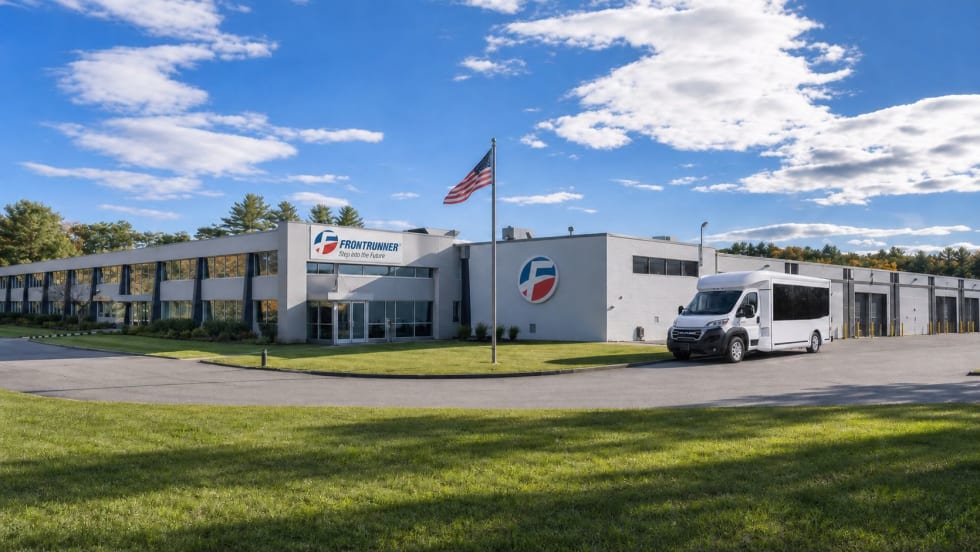
Frontrunner Bus Group Expands with New Massachusetts Headquarters
The significantly larger facility will provide the infrastructure needed to support the company’s growing workforce, advanced technologies, and expanding product line.
Read More →
Joshua Schank on Transportation Innovation, Risk, and the Future of Mobility
In this edition of METROspectives, Joshua Schank discusses lessons from launching LA Metro’s Office of Extraordinary Innovation, the challenges of advancing new mobility technologies, and much more.
Read More →
Reinventing Fleet Maintenance with Real-time Visibility and AI
Transit leaders need to know what needs fixing, where to look, who is responsible, when work is completed, and what it costs without having to chase information across disconnected systems.
Read More →
SamTrans Sets Priorities for Potential Connect Bay Area Revenue
The board-approved framework allocates future funding to maintaining service, rider improvements, equity initiatives, and infrastructure repairs.
Read More →
When Routine Fails: How Public Transit Must Adapt for the World Cup
The 2026 FIFA World Cup will test transit agencies’ ability to manage unpredictable travel patterns, making real-time data and operational flexibility critical to moving millions of visitors efficiently.
Read More →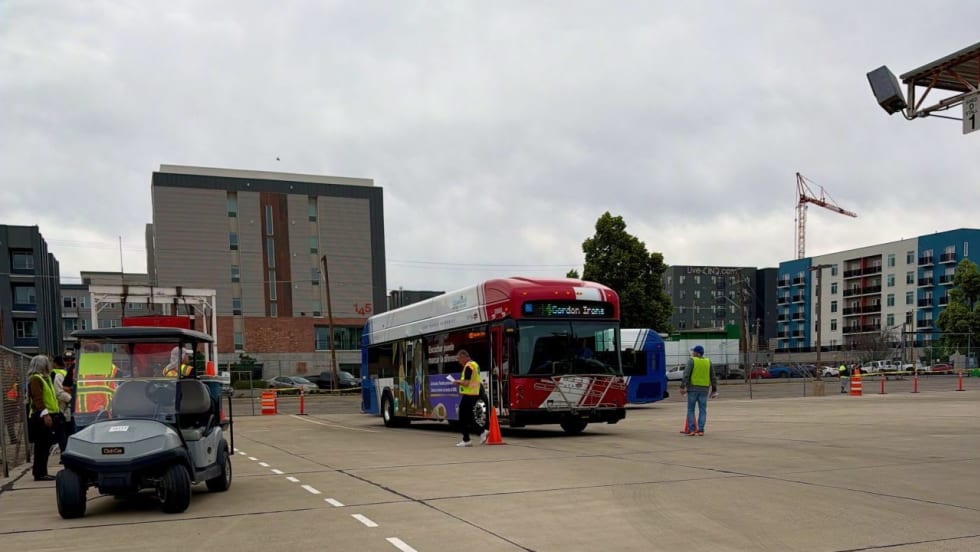
Photo Highlights from APTA's 2026 Mobility Conference
The photo gallery captures scenes from the conference, including the International Bus Roadeo, exhibit hall activities, the Bus Showcase, and much more.
Read More →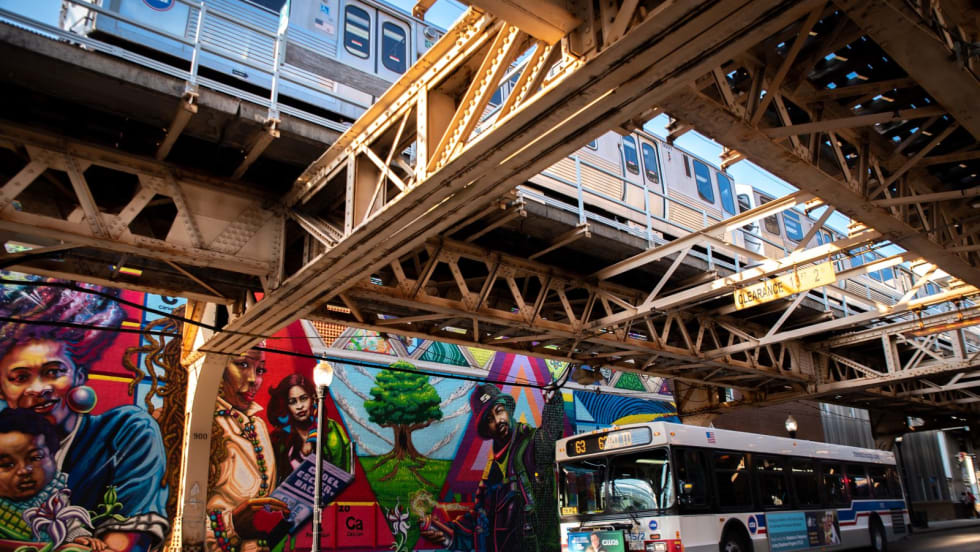
Chicago's NITA Act Moves Into Next Phase as Service Improvements Begin
Rider-focused improvements will begin rolling out across the system immediately as CTA, Metra, and Pace increase service this summer in the six-county region.
Read More →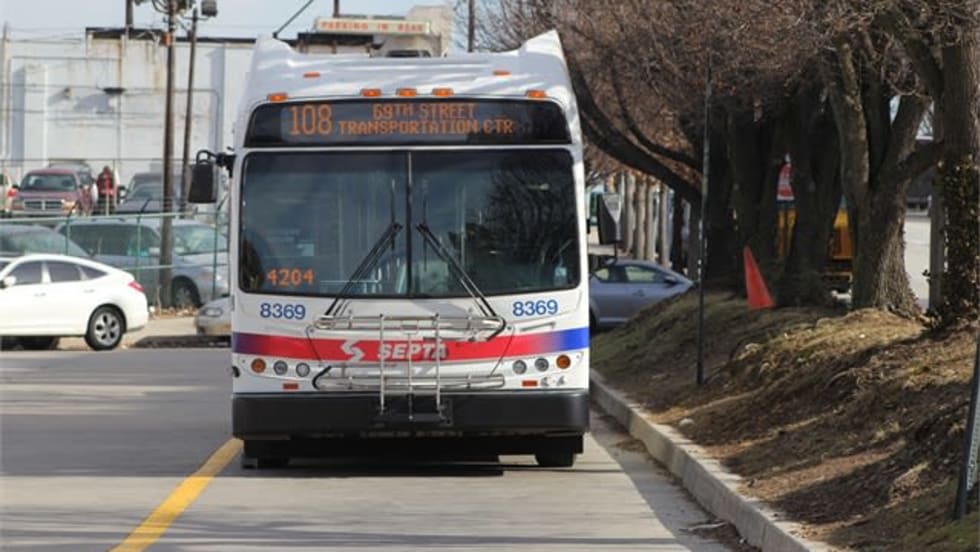
Philadelphia's SEPTA Approves Annual Transit Service Plan
Between 2021 and 2024, SEPTA held more than 200 public meetings — including 144 in-person sessions — throughout the SEPTA service region.
Read More →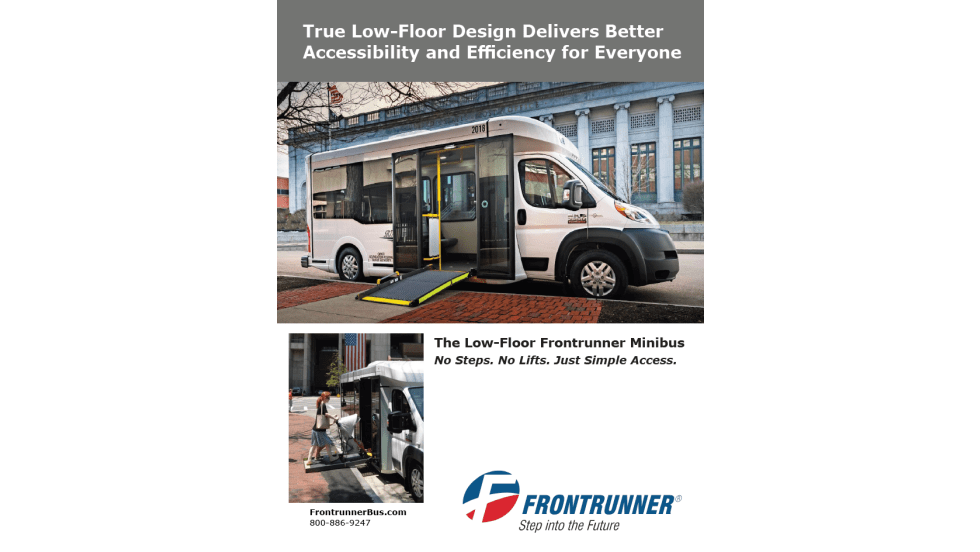
A True Low-Floor Minibus Design Delivers Better Accessibility and Efficiency for Everyone
As transit demands evolve, so should your fleet. Download the whitepaper to see how the Low-Floor Frontrunner Minibus compares to traditional options.
Read More →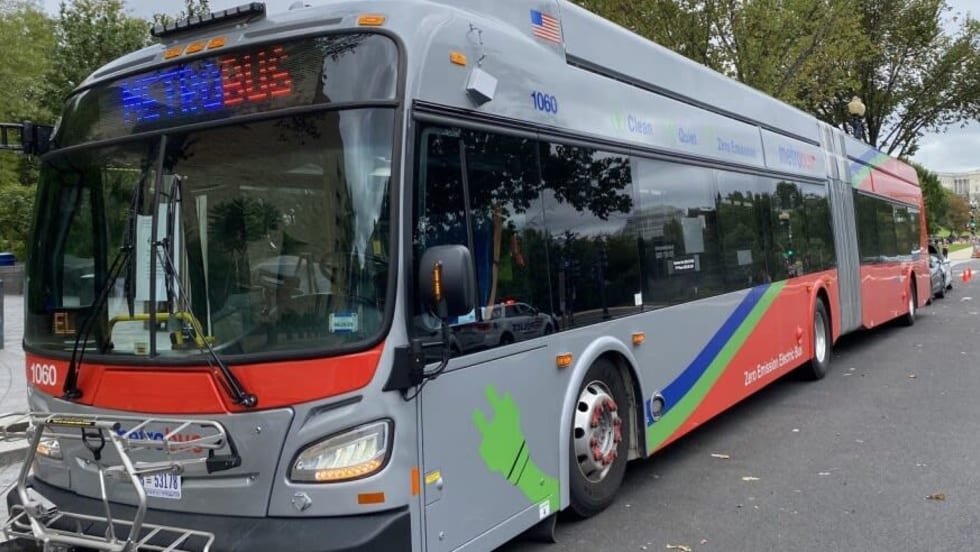
WMATA Debuts 'Fares Pay for Service' Awareness Campaign
The campaign was highlighted during a media event at the Paul S. Sarbanes Transit Center in Silver Spring, where WMATA’s GM/CEO Randy Clarke joined Metro Transit Police officers, WMATA management team, board members, and staff to expand fare enforcement and customer education efforts on Metro Bus routes throughout the region.
Read More →