



Connecticut breaks ground on first BRT line
The 9.4-mile line will include 11 stations in New Britain, Newington, West Hartford and Hartford, with buses running every three to six minutes during peak commuting hours.

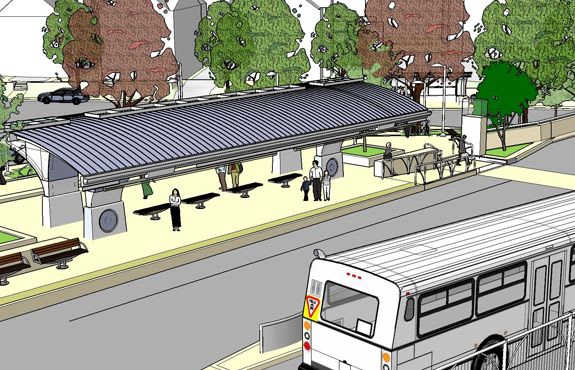
Rendering of the future Parkville Station in Hartford, looking north.

Federal, state and local officials held a ceremonial groundbreaking
for Connecticut’s first bus rapid transit system, CTfastrak, in Hartford on Tuesday.
The 9.4-mile line will include 11 stations in New Britain, Newington, West Hartford and Hartford, with buses running every three to six minutes during peak commuting hours.
“The busway is an important part of Connecticut’s overall investment
in transportation,” said Connecticut Gov. Dannel P. Malloy. “For years Connecticut public transit has languished — outdated systems and antiquated infrastructure have slowed travelers, commuters and commerce. With the investment in bus rapid transit, putting new railcars in service in southern Connecticut and moving forward to build interstate high speed rail, we are well on our way to turning the page on years of neglect.”
CTfastrak is being constructed on an abandoned railroad corridor from
New Britain to Hartford Union Station alongside the active Amtrak
rail right of way. Buses will operate from approximately 4:30 a.m. to
1:30 a.m. In addition to regular service, express bus services from west
of New Britain will use CTfastrak to improve service and travel times
between New Britain and Hartford by way of a dedicated bus exit onto
CTfastrak from Interstate 84/Route 72.
Buses will also use the 9.4-mile corridor to provide direct service to major employment sites such as the UConn Medical Center, Westfarms Mall, Central Connecticut State University, and throughout downtown New Britain and Hartford.
The federal government will cover $455 million of the $567 million
project cost, with the remaining $112 million coming from the
state. Service is expected to begin in late 2014. An estimated 4,000
construction jobs and at least 100 permanent jobs will result.
The first construction segment of the project will begin on a 5.8-mile
stretch that begins near Cedar Street, Newington and runs north to
Sigourney Street, Hartford. The $130 million contract for this segment
also includes the construction of seven stations, a new $19.9 million
bridge at Flatbush Avenue in West Hartford and the construction of a
new gravel maintenance road for Amtrak.

CTfastrak will link all local routes in the New Britain and Hartford
areas. With express and feeder routes that directly access the dedicated
roadway, the CTfastrak system will benefit a large geographic area and
provide a one-seat, no transfer ride to regional employment, shopping
and healthcare destinations.
Eleven landscaped transit stations along the way will enhance local
communities with increased access and development opportunities.
A five-mile multi-use trail for pedestrians and cyclists offers more
transportation choices.
Service goes well beyond the dedicated roadway, connecting to more than 110 miles of local and express transit routes and the interstate rail system, with destinations throughout the entire region – from New Haven to Springfield, Waterbury and beyond.
More Bus
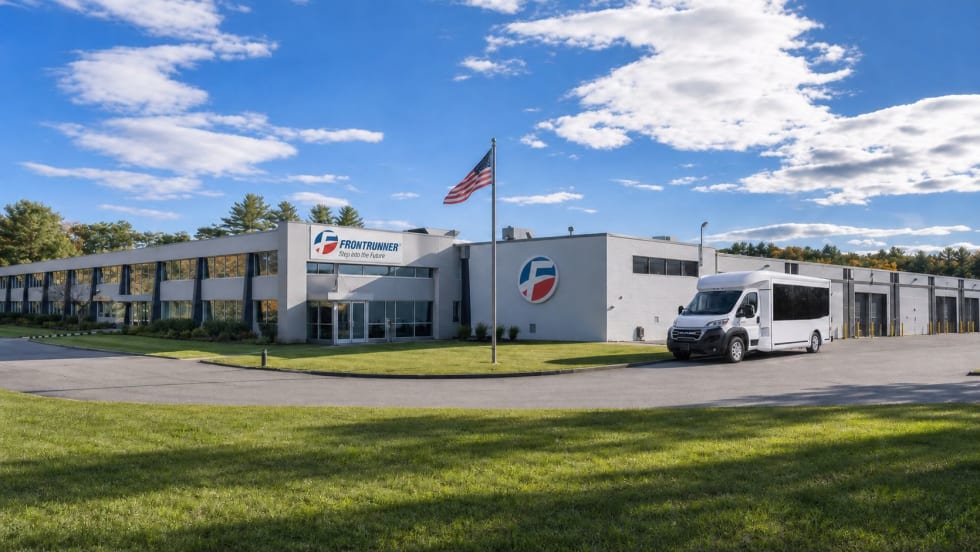
Frontrunner Bus Group Expands with New Massachusetts Headquarters
The significantly larger facility will provide the infrastructure needed to support the company’s growing workforce, advanced technologies, and expanding product line.
Read More →
Joshua Schank on Transportation Innovation, Risk, and the Future of Mobility
In this edition of METROspectives, Joshua Schank discusses lessons from launching LA Metro’s Office of Extraordinary Innovation, the challenges of advancing new mobility technologies, and much more.
Read More →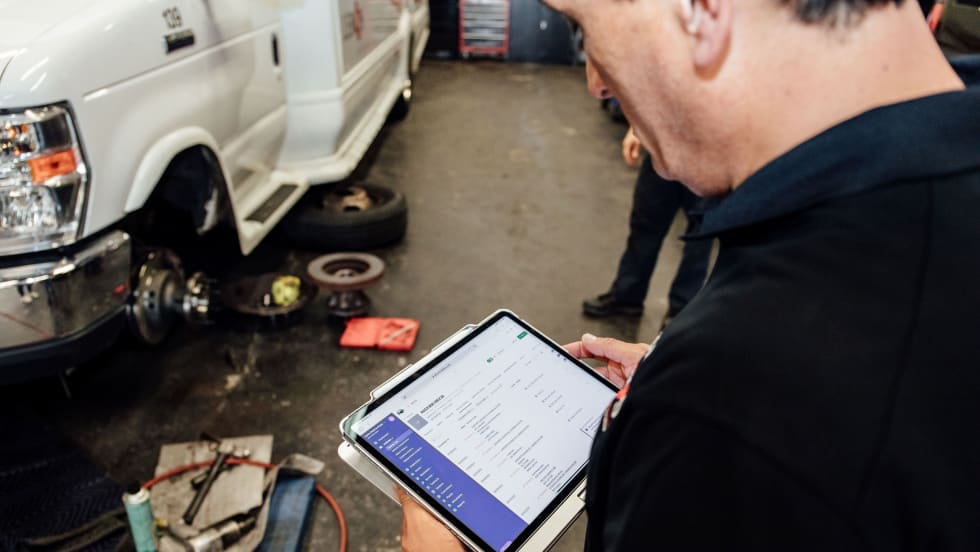
Reinventing Fleet Maintenance with Real-time Visibility and AI
Transit leaders need to know what needs fixing, where to look, who is responsible, when work is completed, and what it costs without having to chase information across disconnected systems.
Read More →
SamTrans Sets Priorities for Potential Connect Bay Area Revenue
The board-approved framework allocates future funding to maintaining service, rider improvements, equity initiatives, and infrastructure repairs.
Read More →
When Routine Fails: How Public Transit Must Adapt for the World Cup
The 2026 FIFA World Cup will test transit agencies’ ability to manage unpredictable travel patterns, making real-time data and operational flexibility critical to moving millions of visitors efficiently.
Read More →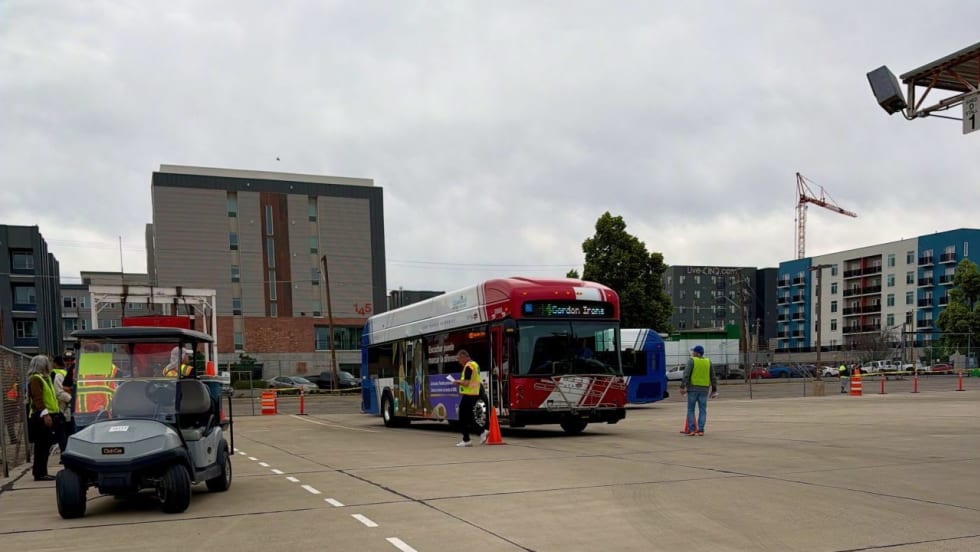
Photo Highlights from APTA's 2026 Mobility Conference
The photo gallery captures scenes from the conference, including the International Bus Roadeo, exhibit hall activities, the Bus Showcase, and much more.
Read More →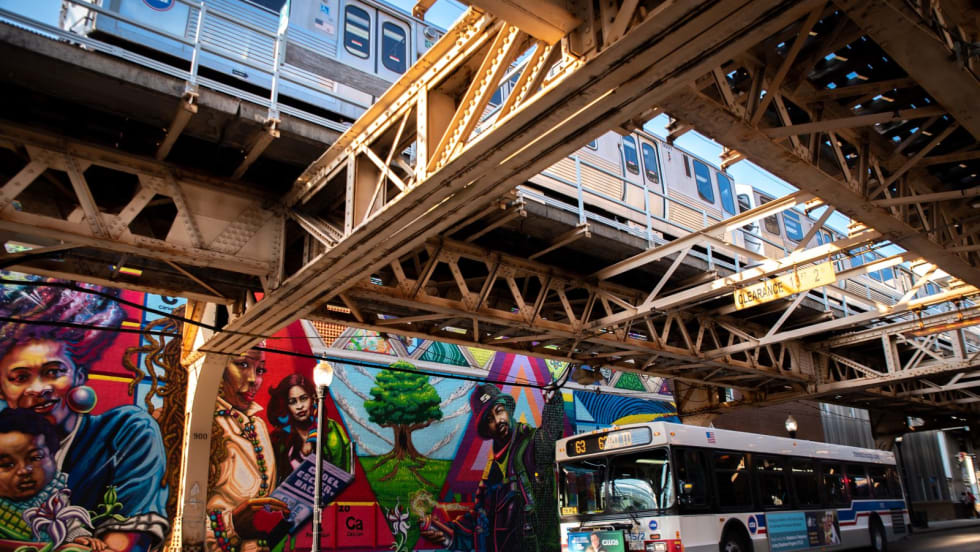
Chicago's NITA Act Moves Into Next Phase as Service Improvements Begin
Rider-focused improvements will begin rolling out across the system immediately as CTA, Metra, and Pace increase service this summer in the six-county region.
Read More →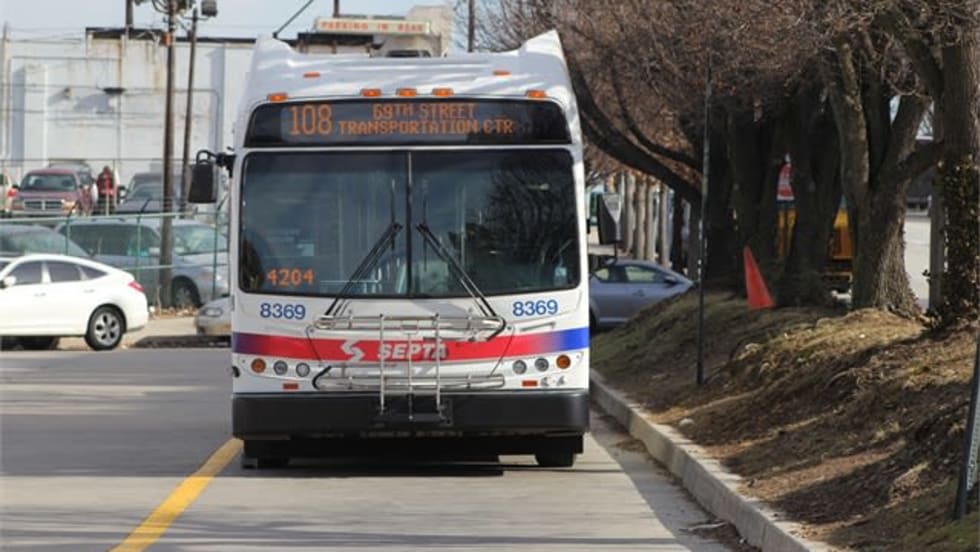
Philadelphia's SEPTA Approves Annual Transit Service Plan
Between 2021 and 2024, SEPTA held more than 200 public meetings — including 144 in-person sessions — throughout the SEPTA service region.
Read More →
A True Low-Floor Minibus Design Delivers Better Accessibility and Efficiency for Everyone
As transit demands evolve, so should your fleet. Download the whitepaper to see how the Low-Floor Frontrunner Minibus compares to traditional options.
Read More →
WMATA Debuts 'Fares Pay for Service' Awareness Campaign
The campaign was highlighted during a media event at the Paul S. Sarbanes Transit Center in Silver Spring, where WMATA’s GM/CEO Randy Clarke joined Metro Transit Police officers, WMATA management team, board members, and staff to expand fare enforcement and customer education efforts on Metro Bus routes throughout the region.
Read More →