



NJ Transit unveils customer satisfaction results
Rail customers gave the agency an overall score of 5.3, a significant increase from last quarter’s score of 4.1. Customers ranked fares, mechanical reliability, the handling of service disruptions and information during service disruptions as the most important attributes that need improvement.

New Jersey Transit (NJ Transit) revealed the results of the agency’s latest customer satisfaction survey as part of “Scorecard,” an initiative designed to provide the public with a clear measurement of how the organization is performing, while driving strategic decisions to improve the overall customer experience.
“By measuring ourselves in critical areas and seeking regular input from our customers, Scorecard is effectively transforming NJ Transit into a more transparent, accountable and results-driven organization,” said Chairman and New Jersey Department of Transportation Commissioner James Simpson. “Through this ground-breaking initiative, NJ Transit continues to focus on providing an enhanced customer experience that keeps faith with the taxpayers of the Garden State.”
The third quarter surveys were conducted online at njtransit.com and in the field between February 21 and March 12, a period in which customers experienced two major Northeast Corridor rail disruptions on March 5 and 6. The survey asked bus, rail, light rail and Access Link customers to rate NJ Transit on a scale of 0 to 10.
Customers also considered 41 attributes of the system related to facilities, service, vehicles, communications and the overall experience using NJ Transit. In addition, customers were asked to identify the most important aspects of NJ Transit service among the items they rated.
Regarding customer loyalty, nearly 75% of the customers surveyed said they would recommend NJ Transit to a friend, relative or neighbor (up from 66% from the previous quarter).
For the third quarter of FY12, customers rated their overall satisfaction with NJ Transit service as “acceptable” or “satisfactory,” with a score of 5.8, an increase of 13.7% over last quarter’s score of 5.1, making substantial progress toward the agency’s FY 2012 goal of 6.0.
Current customer satisfaction ratings on NJ Transit’s four service modes are as follows:
Rail customers gave NJ Transit an overall score of 5.3, a significant increase from last quarter’s score of 4.1. Customers ranked fares, mechanical reliability, the handling of service disruptions and information during service disruptions as the most important attributes that need improvement. Approximately 136,000 customers ride NJ Transit trains on a typical weekday, comprising about 31% of all customers.
Light rail customers gave NJ Transit an overall satisfaction rating of 6.9, a slight improvement over the previous score of 6.7. Customers indicated that fares, seating availability, safety and security, and weekend/holiday schedules are the most important aspects of service to improve. About 36,000 customers use NJ Transit’s three light rail lines on a typical weekday, making up about 8% of total customers.
Bus customers rated their overall satisfaction with service at a 5.9, higher than the 5.4 rating from the previous quarter. The most important areas for the agency to improve again included on-time performance, fares and the weekday PM peak schedule. About 269,000 customers use NJ Transit’s interstate and local bus system on a typical weekday, representing 61% of all customers.
More Rail
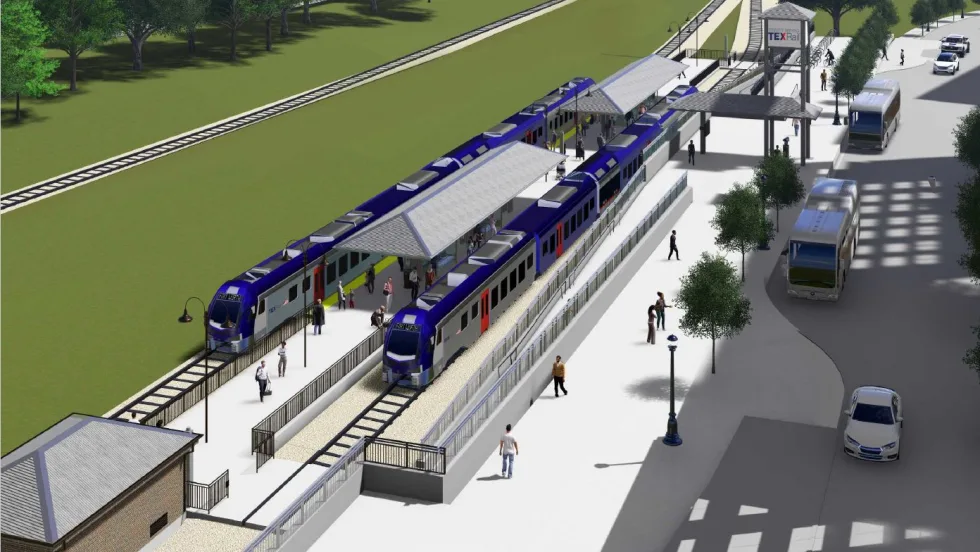
Trinity Metro Breaks Ground on $270M TEXRail Extension
The 2.1-mile extension will connect Fort Worth’s Medical District and Near Southside to downtown, surrounding communities, and Dallas-Fort Worth International Airport.
Read More →
Bringing Austin’s First Light Rail System to Life
Austin Transit Partnership CEO Greg Canally discusses the city's nearly 10-mile light rail project, its collaborative approach to project delivery, the importance of community engagement, and the milestones ahead as construction approaches in 2027.
Read More →
Metra Draft Plan Outlines Costs, Service Improvements for Regional Rail
The Systemwide Network Plan identifies infrastructure needs and potential investments to expand all-day, bidirectional rail service across the Chicago region.
Read More →
Amtrak Completes First Street Tunnel Upgrades, Restores Service
The nine-day construction project included replacing aging track infrastructure and modernizing switch systems near Washington Union Station.
Read More →
FRA Announces $2.3B for Passenger, Freight Rail Projects Nationwide
The CRISI Grant Program funding will support rail infrastructure improvements, safety upgrades, and projects aimed at improving freight and passenger rail service across 45 states and Washington, D.C.
Read More →
Caltrain’s Electrification Drives a New Era of Ridership Growth
The railroad’s shift to electric service has brought more frequent trains, stronger customer satisfaction, and increased ridership, earning it APTA’s Outstanding Public Transportation System award.
Read More →
FTA Advances $164M Broward County Commuter Rail Project
The proposed 10.5-mile commuter rail extension would connect Fort Lauderdale and Aventura, expanding passenger rail options in South Florida.
Read More →
New York MTA Launches Historic $1.9B Signal, Track Modernization Project
Funded in part by congestion pricing revenue, the project will replace nearly century-old signals along the A and C lines in Brooklyn and Queens.
Read More →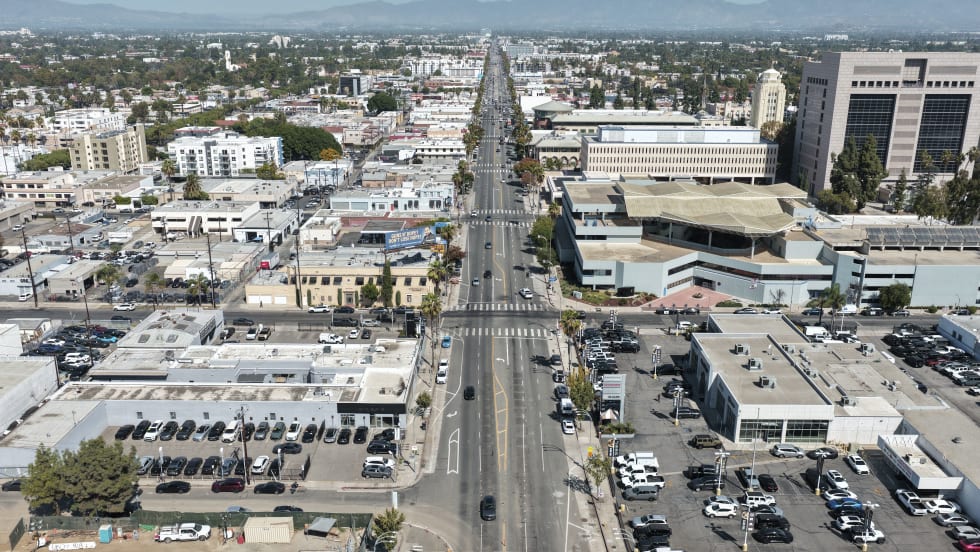
LA Metro Breaks Ground on East San Fernando Valley Light Rail Project
The 6.7-mile line will add 11 stations along Van Nuys Boulevard, expand access to jobs and regional transit connections, and support Metro’s broader efforts to improve mobility as rail ridership grows.
Read More →
CSA Group Releases Climate Resilience Standard for Transit, Passenger Rail
Developed with support from the Standards Council of Canada, CSA D700 guides assessing climate-related risks and planning adaptation measures for transit and passenger rail systems.
Read More →