



Translink, INIT partner for real-time bus info system
The bus location information and predicted departure times at stops comes from the Transit Management and Communication System that INIT provided through MOBILE-ITCS and is accessible to TransLink’s Web interface through a standardized Service Interface for Real-time Information.

TransLink, the regional transportation authority in Metro Vancouver, Canada, recently launched Version 1.0 of their RTTI (Real Time Transit Information) system, which includes the long-awaited predicted departure of buses from the stop. This product provides passengers with the exact time a bus will leave a given stop.
The bus location information and predicted departure times at stops comes from the transit management and communication system (TMAC) that INIT provided through MOBILE-ITCS and is accessible to TransLink’s web interface through a standardized service interface for real-time information (SIRI). Based on this real time data stream, TransLink has developed its own passenger Web GUI. The agency trademarked the name of the real-time service in 2011 calling it “Next Bus” (not to be confused with the U.S.-based company with a similar name).
The first phase of RTTI (launched in Beta in September 2011) provided passengers with real-time bus location information displayed on an interactive map. After completing 11 Beta releases and incrementally adding significant new functionality, TransLink introduced predicted bus departures with the launch of V1.0 on April 17, 2012.
Before the launch of the new service, the agency spent a considerable amount of time analyzing the predicted departure data from the INIT fleet management system to determine the accuracy level of this information.
“We compared the predictions in our RTTI system to INIT’s MOBILEstatistics data which, of course, provided the actual departure time of the bus at the stop,” says Patricia Sharp, TransLink’s assistant manager of business applications — transit systems and a member of TransLink’s RTTI project team. The result is a real-time service which significantly enhances the transit experience for customers in the Greater Vancouver service region.
The agency is now working toward upgrading the existing SMS Service (which to date has allowed customers to receive up to six scheduled departure times for a given stop) to a real-time service. This service has been phenomenally successful with typically 50,000 requests processed every day. As well, TransLink is actively working on releasing an API which allows the development of smart phone apps by external developers.
The Next Bus service is part of TransLink’s larger mobile web offerings (which includes Trip planning, Alerts, and many other tools, accessed from http://m.translink.ca). Next Bus is not a smart phone app, but rather a website optimized for mobile users (Android 2.3 smart phones, iPhones and newer versions of BlackBerry are fully supported). It can also be accessed using a standard desktop browser directly at http://nb.translink.ca.
With the new service, a customer can obtain the location of their bus in a number of ways: using the unique bus stop code — the five-digit yellow number printed on each bus stop sign, by keying in an intersection, searching by bus route number or even using the GPS location on their smart phone. The system then takes the customer to a street map showing the bus stop and the actual departure times of all upcoming buses for that stop, as well as the real-time location of each bus equipped with the TMAC system. Real-time location date and departure time predictions are updated every 30 seconds. The real-time service also lets passengers know when service for a trip or stop is cancelled.
More Bus
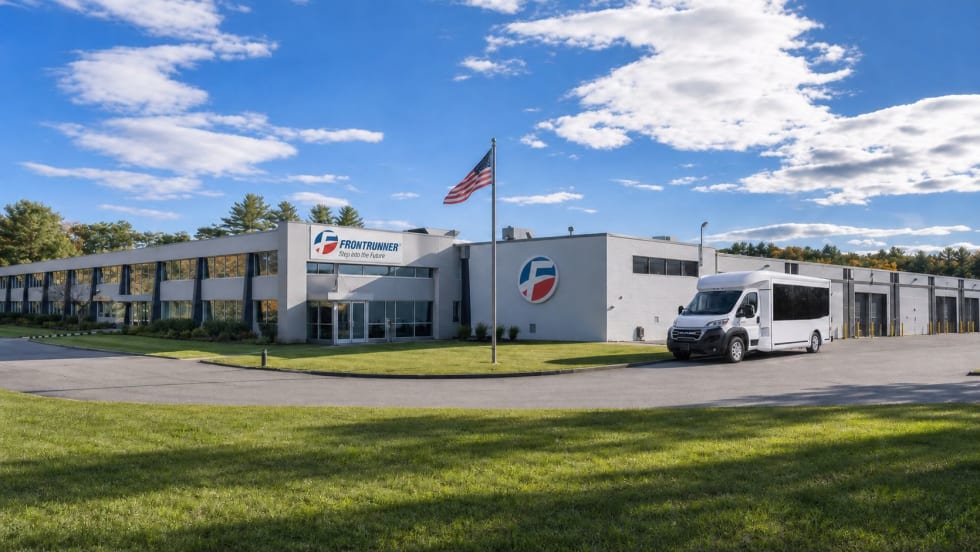
Frontrunner Bus Group Expands with New Massachusetts Headquarters
The significantly larger facility will provide the infrastructure needed to support the company’s growing workforce, advanced technologies, and expanding product line.
Read More →
Joshua Schank on Transportation Innovation, Risk, and the Future of Mobility
In this edition of METROspectives, Joshua Schank discusses lessons from launching LA Metro’s Office of Extraordinary Innovation, the challenges of advancing new mobility technologies, and much more.
Read More →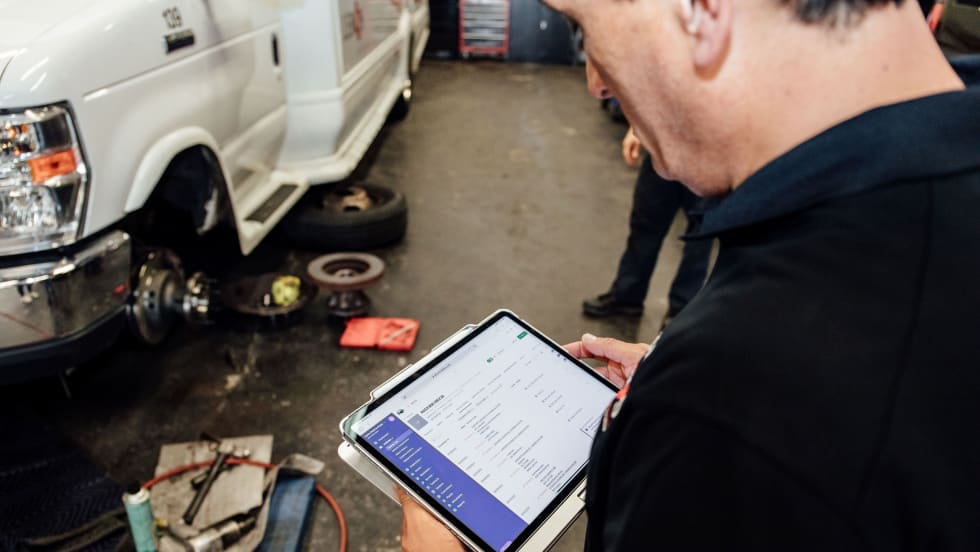
Reinventing Fleet Maintenance with Real-time Visibility and AI
Transit leaders need to know what needs fixing, where to look, who is responsible, when work is completed, and what it costs without having to chase information across disconnected systems.
Read More →
SamTrans Sets Priorities for Potential Connect Bay Area Revenue
The board-approved framework allocates future funding to maintaining service, rider improvements, equity initiatives, and infrastructure repairs.
Read More →
When Routine Fails: How Public Transit Must Adapt for the World Cup
The 2026 FIFA World Cup will test transit agencies’ ability to manage unpredictable travel patterns, making real-time data and operational flexibility critical to moving millions of visitors efficiently.
Read More →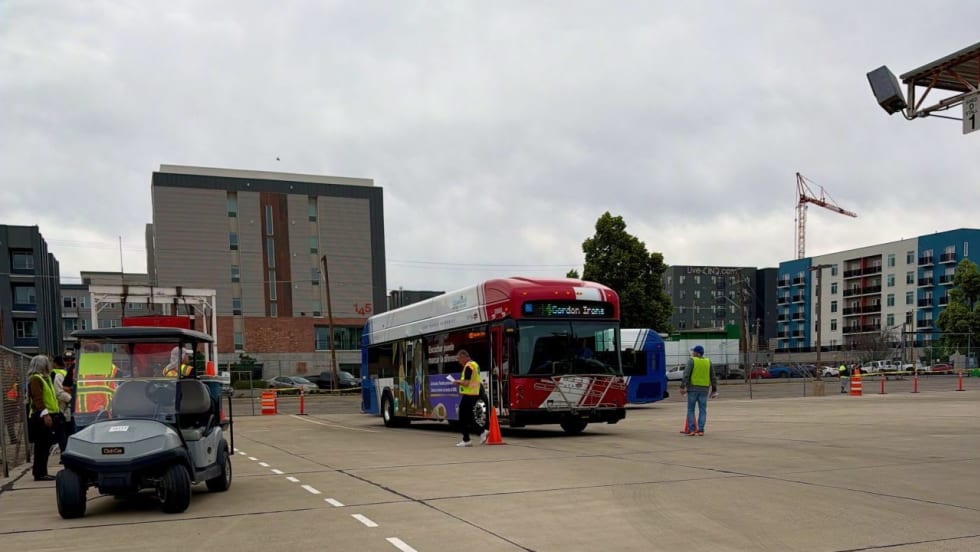
Photo Highlights from APTA's 2026 Mobility Conference
The photo gallery captures scenes from the conference, including the International Bus Roadeo, exhibit hall activities, the Bus Showcase, and much more.
Read More →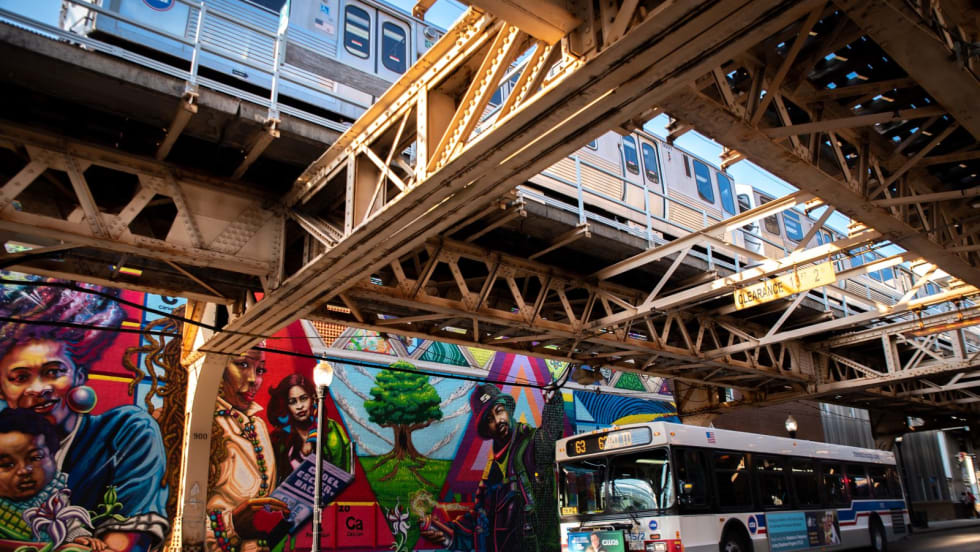
Chicago's NITA Act Moves Into Next Phase as Service Improvements Begin
Rider-focused improvements will begin rolling out across the system immediately as CTA, Metra, and Pace increase service this summer in the six-county region.
Read More →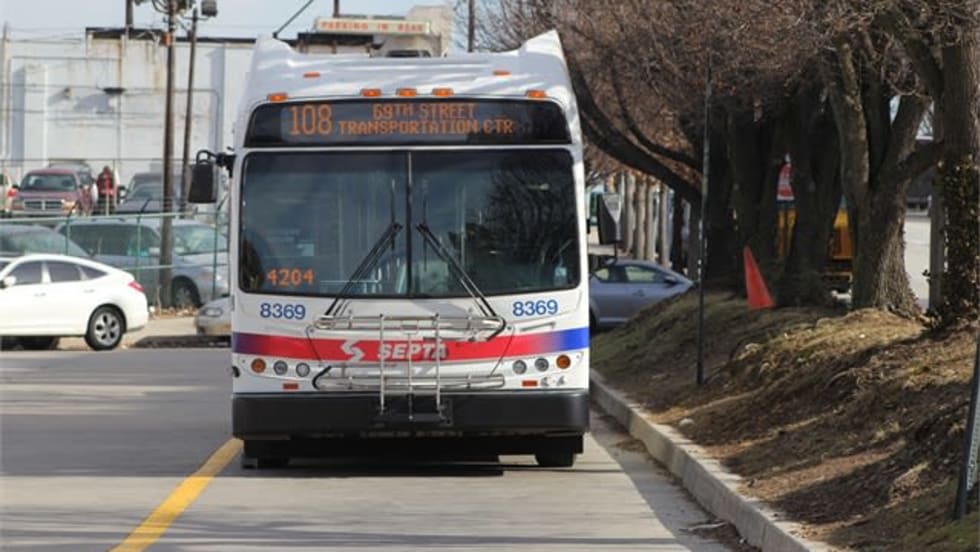
Philadelphia's SEPTA Approves Annual Transit Service Plan
Between 2021 and 2024, SEPTA held more than 200 public meetings — including 144 in-person sessions — throughout the SEPTA service region.
Read More →
A True Low-Floor Minibus Design Delivers Better Accessibility and Efficiency for Everyone
As transit demands evolve, so should your fleet. Download the whitepaper to see how the Low-Floor Frontrunner Minibus compares to traditional options.
Read More →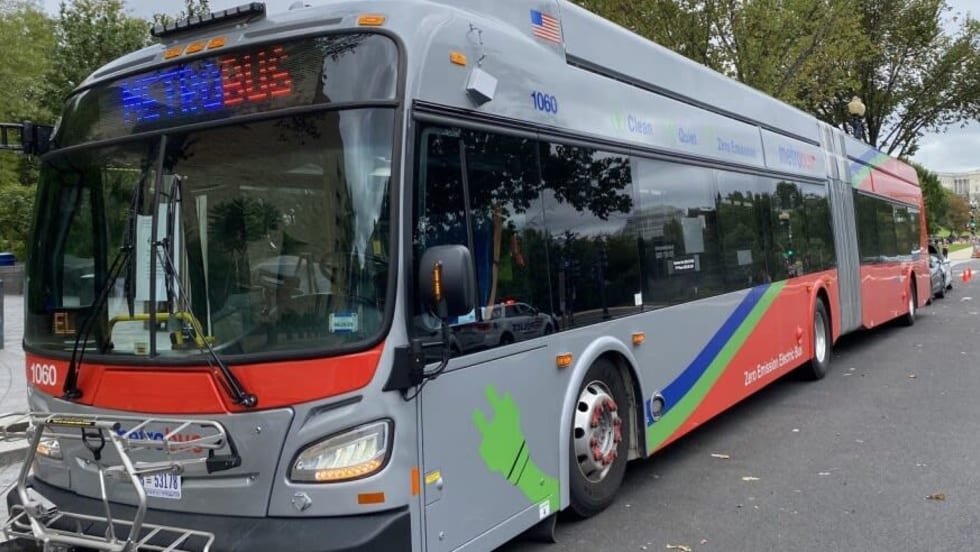
WMATA Debuts 'Fares Pay for Service' Awareness Campaign
The campaign was highlighted during a media event at the Paul S. Sarbanes Transit Center in Silver Spring, where WMATA’s GM/CEO Randy Clarke joined Metro Transit Police officers, WMATA management team, board members, and staff to expand fare enforcement and customer education efforts on Metro Bus routes throughout the region.
Read More →