



FMCSA, CVSA wrap up ‘Roadcheck’ for 2012
Placed specific attention on enforcing compliance with Hours-of-Service regulations, educating drivers about preventing driver fatigue, and checking brake system operations and brake adjustment.

The Commercial Vehicle Safety Alliance (CVSA) and its members across the U.S., Canada and Mexico enforced compliance with commercial vehicle safety regulations, and removed high-risk carriers from the roads to ensure the public’s safety from June 5 to 7.
This year, Roadcheck placed specific attention on enforcing compliance with Hours-of-Service regulations, educating drivers and fleets about preventing driver fatigue, and checking brake system operations and brake adjustment.
“Consistently, every year we are seeing hours-of-service logbook violations leading by an overwhelming percentage of all driver violations cited – a total of 52.5% of all driver out-of-service violations,” said CVSA President David Palmer. “Hours-of-service rules are designed to reduce driver fatigue which can be a contributing factor in many large truck and bus crashes. Enforcement of hours-of-service limits is essential to ensuring compliance and combating driver fatigue.”
To do this, law enforcement during Roadcheck emphasized checking driver logbooks and underscored to drivers the importance of maintaining their logbooks, taking breaks, preventing fatigue, and driving without distractions. CVSA members conducted Level I inspections and recorded results for later comparison with past years’ results.
“For 25 years, the Federal Motor Carrier Safety Administration (FMCSA) has joined forces with CVSA to support the world’s largest targeted inspection and enforcement effort aimed at commercial vehicles and their drivers,” said FMCSA Administrator Anne Ferro. “Trucking is a difficult job and a big rig can be deadly when a driver is tired and overworked. We want to prevent fatigue-related crashes and save lives by enforcing the hours-of-service requirements.”
Several jurisdictions also used Roadcheck as an opportunity to address an alarming trend of poor vehicle maintenance and non-compliance with driver hours of service in oilfield, and especially, natural gas hydraulic fracturing operations, which have increased in number because of higher oil and gas prices and customer demand. These operations require significant commercial vehicle support, often in areas unaccustomed to heavy truck traffic. Many of these vehicles have been found to be poorly maintained, and drivers are oftentimes in violation of the legal hours of service limits. Some jurisdictions have already been conducting these kinds of activities for some time. This effort should give enforcement a bigger picture of issues previously known only on a more regional or local basis.
One of the top contributing factors in large truck and bus crashes is insufficient brake system maintenance. Brake system-related violations consistently appear at the top of the Roadcheck list of serious vehicle related violations—those that result in the vehicle being placed out of service. They account for a little more than half of the total vehicle out-of-service defects found.
CVSA posted a safety tip sheet which helps to educate drivers on what they can do to ensure they are thorough in their pre-trip inspections. Examples include suggestions to check for missing, non-functioning, loose, contaminated or cracked parts on the brake system; listen for audible air leaks around brake components and lines; and check brake adjustment; among several other areas.
Results from Roadcheck 2012 will be announced August 7 at CVSA’s North American Inspectors Championship in Minneapolis.
More Motorcoach
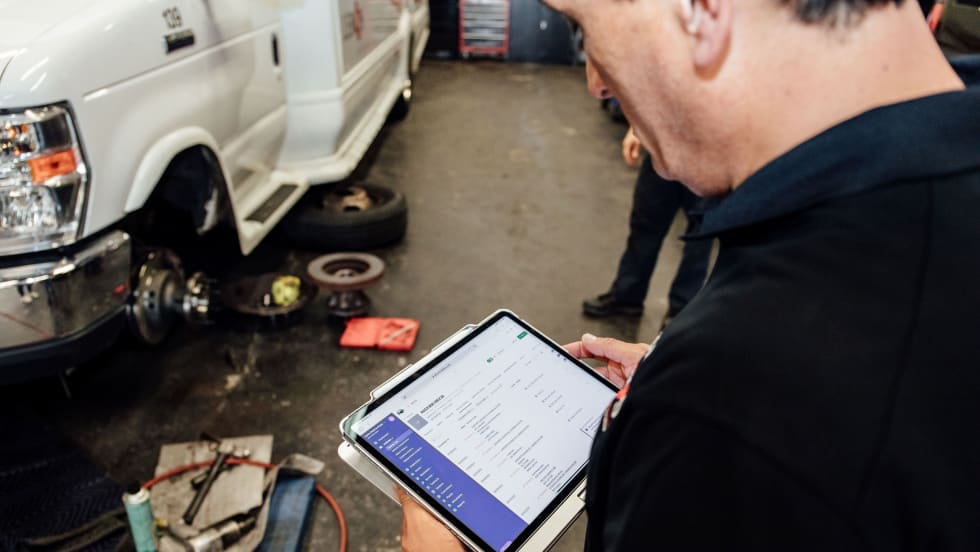
Reinventing Fleet Maintenance with Real-time Visibility and AI
Transit leaders need to know what needs fixing, where to look, who is responsible, when work is completed, and what it costs without having to chase information across disconnected systems.
Read More →
ABA's Ferguson Testifies in Support of BUS Act, National Standards for Bus Operators
The BUSES Act would create a nationwide framework preventing state and local governments from enforcing bus idling restrictions of less than 15 minutes, a threshold consistent with existing Environmental Protection Agency guidance.
Read More →
A True Low-Floor Minibus Design Delivers Better Accessibility and Efficiency for Everyone
As transit demands evolve, so should your fleet. Download the whitepaper to see how the Low-Floor Frontrunner Minibus compares to traditional options.
Read More →
2026 METRO Buyer’s Guide & Directory
Searching for the right vehicles, technology, equipment, or services for your public transit or motorcoach operation? This industry guide brings together manufacturers and suppliers from across the transportation market — all in one place. Download it to connect with the companies that help agencies and operators improve mobility, enhance operations, and move their organizations forward.
Read More →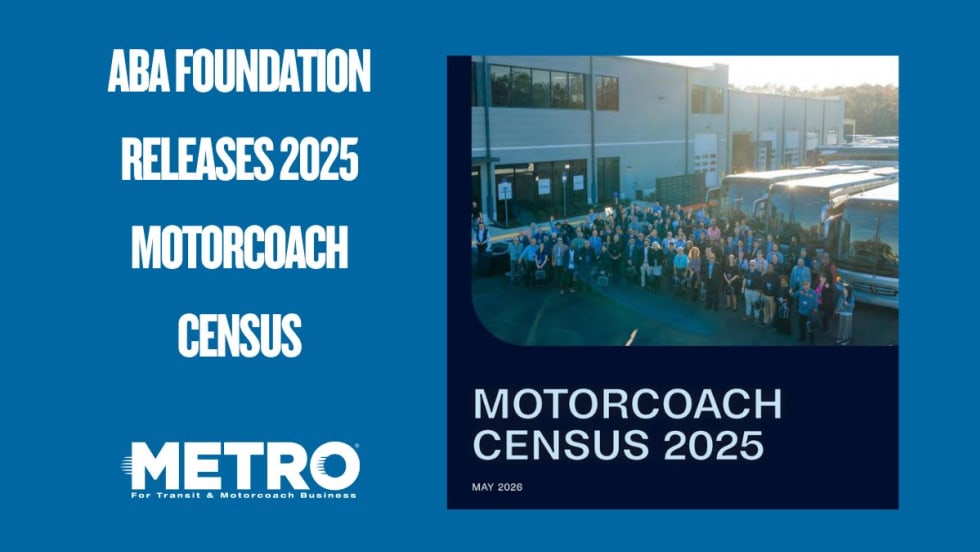
ABA Foundation’s 2025 Motorcoach Census Highlights Industry Growth, 77K Jobs
Conducted annually by Tourism Economics, the study found that 1,769 companies operating 49,543 motorcoaches are based in the US, while 122 companies operating 1,425 motorcoaches are located in Canada.
Read More →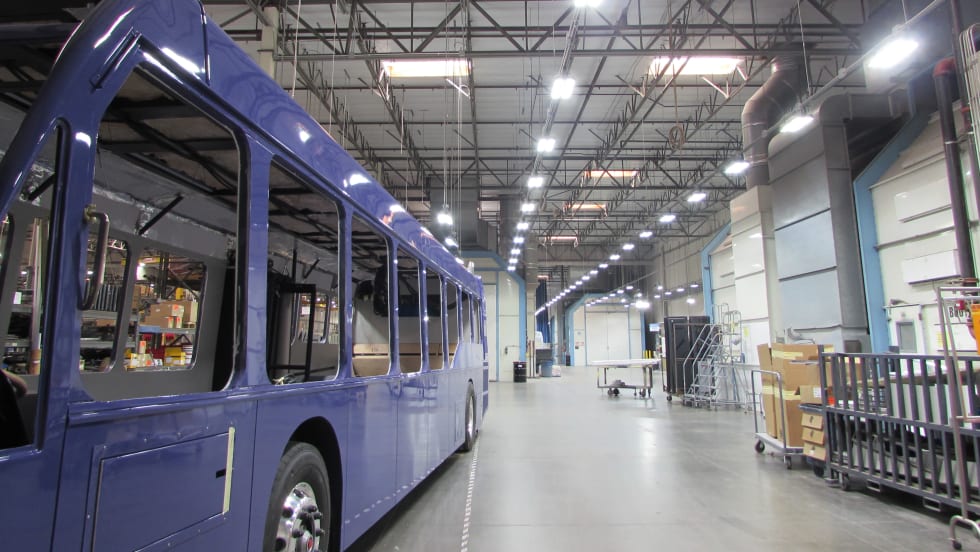
ENC Lands Additional 10-Bus Order From Academy Bus
The latest purchase brings Academy Bus’ AXESS fleet orders to 35 vehicles as ENC continues expanding its heavy-duty transit lineup.
Read More →
American Bus Association Files Lawsuit Against NYC Over Bus Idling Rules
The lawsuit, filed in the U.S. District Court for the Southern District of New York, challenges the City’s use of its Citizens Air Complaint program.
Read More →
Avoiding Mid-Season Breakdowns: A Fleet Readiness Q&A
John Hatman, COO of Master’s Transportation, breaks down the priorities, warning signs and common mistakes fleet managers should address now to stay ahead of summer demand.
Read More →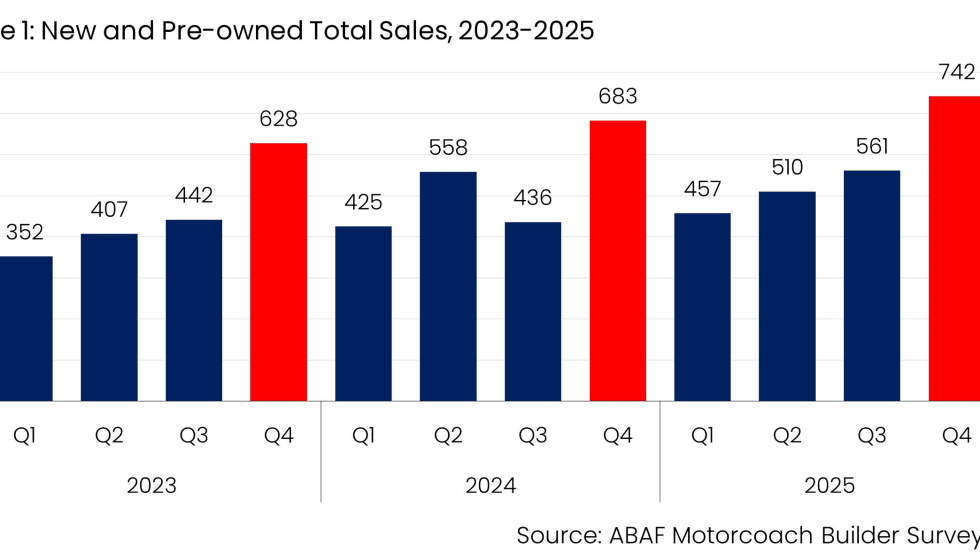
ABA Report: Motorcoach Sales Tick Up in Q1 2026 as Market Stabilizes
The Foundation produces the report each quarter, using data collected from surveys of major motorcoach manufacturers that sell vehicles in the US and Canada.
Read More →
How the Motorcoach Industry Supports Disaster Response and National Preparedness
Fred Ferguson, president and CEO of the American Bus Association (ABA), discussed how the industry prepares for emergencies, the growing recognition of motorcoaches as critical infrastructure, and steps operators can take to strengthen disaster readiness.
Read More →