



Pittsburgh Port Authority to cut 13 light rail stops
Stops selected for elimination were identified due to their low boarding counts and proximity to other stops. The longest distance any rider affected by the change would have to travel to reach another light rail stop is about 650 yards.

Thirteen stops on the Port Authority of Allegheny County’s light rail lines will be eliminated on June 25 in an effort to make light rail service more direct for current riders and more attractive to potential riders.
The stops selected for elimination were identified due to their low boarding counts and proximity to other stops. The longest distance any rider affected by the change would have to travel to reach another light rail stop is about 650 yards.
Allegheny County Executive Rich Fitzgerald last month called on Port Authority to make several changes to improve the efficiency of the system, including consolidation of light rail stops.
"I’m glad to see the Authority work proactively to address this issue. I understand that these stops were selected because the ridership was low and because there are alternative stops relatively close," said Fitzgerald. "While our bus lines have gone through numerous changes involving consolidations of routes and stops to improve efficiency and productivity, this is the first time that attention has been paid to the stops on the light rail system. These changes should result in transit trips that are not interrupted by unnecessary stops, which benefits both riders today and those who might consider using public transportation."
Overall, this move will affect less than 1% of Port Authority's total daily ridership and roughly 5% of its rail ridership. However, service will be more attractive and practical for the roughly 30,000 light rail riders traveling between the North Shore, Downtown and the South Hills each weekday.
"We've long heard complaints from many of our light rail riders that there are too many stops, which can be frustrating," said Port Authority CEO Steve Bland. "We also know that when transit lines appear slow and inconvenient, people are less likely to try them. So this also has hindered our ability to serve more people."
There are more stops on the Red Line than other light rail systems. The Red Line has more than five stops per mile. In comparison, Philadelphia has 3.2 stops per mile, Cleveland 2.5, Boston 1.1 and Los Angeles 0.9. At two locations along the Red Line, the stop spacing is about 422 feet (the length of a two-car train is about 160 feet).
Signs will be posted by Monday, June 11 at the affected stops to alert riders to the upcoming change and direct them to the next nearest light rail boarding location. Light rail cars will no longer serve the discontinued stops starting on Monday, June 25.
The Authority's light rail system carried about 30,000 riders on an average weekday in April and provides service between the North Shore, Downtown and the South Hills. Three routes provide service on the 26-mile light rail system.
More Rail
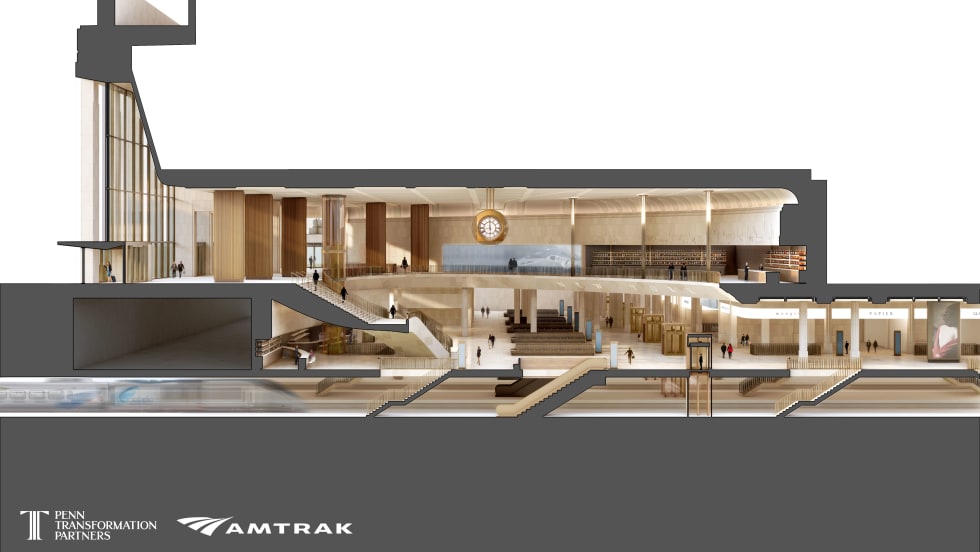
Penn Station Transformation Advances with Design Unveiling
The historic redesign will transform the busiest transit hub in the Western Hemisphere from the tracks to the street level, creating a more efficient, cleaner, and functional experience for more than 600,000 daily commuters and millions of visitors.
Read More →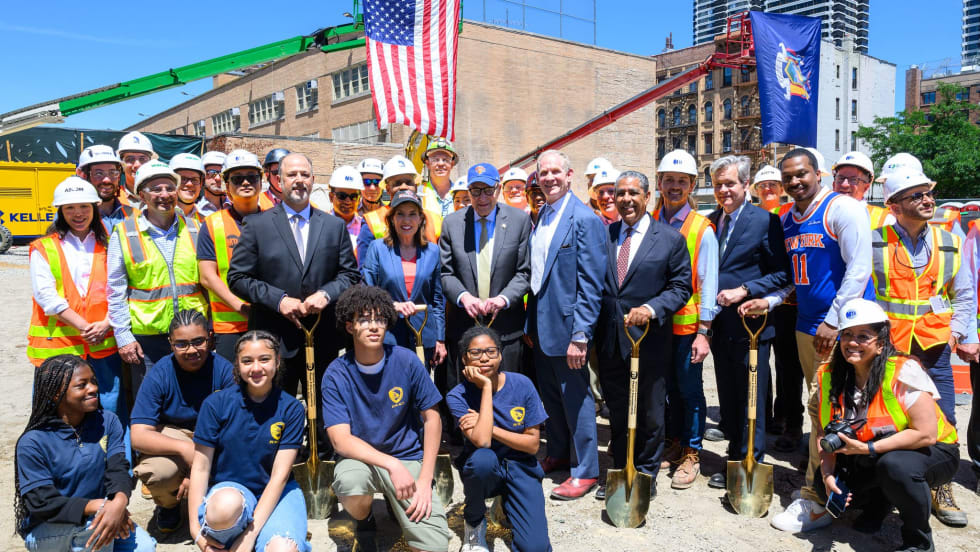
Second Avenue Subway Phase 2 Advances into Major Construction Stage
New York Governor Kathy Hochul joined leadership from the MTA, elected officials, and Harlem community leaders to break ground on the major construction stage of the transformative Second Avenue Subway Phase 2 project.
Read More →
The Invisible Infrastructure of Passenger Flow
What a seat reservation system on Austria’s Railjet trains reveals about the future of rider experience, and why U.S. agencies should pay attention.
Read More →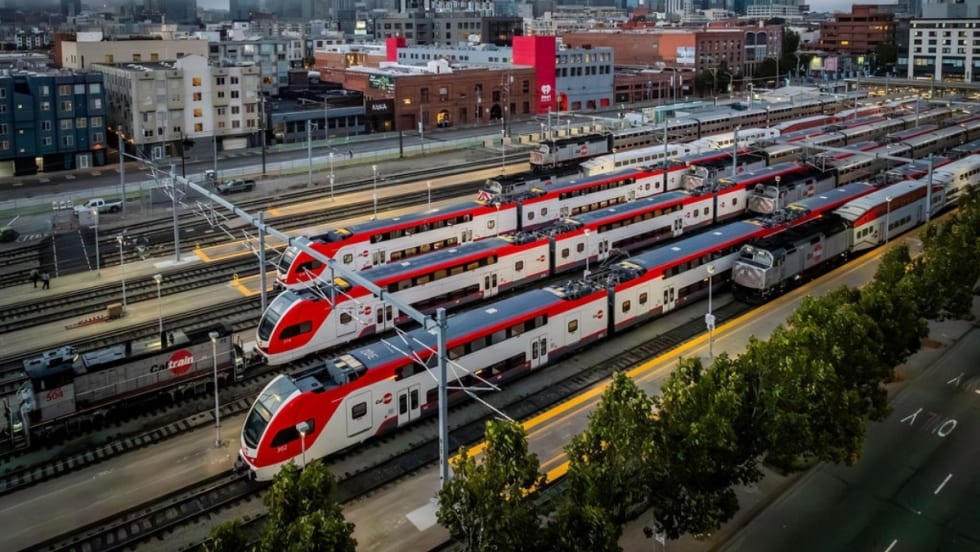
Caltrain Board Approves FY27 Budget, Endorses Efficiency Measures
The move ensures Caltrain service will continue operating as usual in the near term, but long-term financial challenges remain for the rail agency absent a new revenue source.
Read More →
Alstom Acquires Delaware Site to Support Amtrak NextGen Acela Fleet
The company is investing more than $55 million to acquire and improve the property and will employ approximately 100 people at this site once it is operational.
Read More →
When Routine Fails: How Public Transit Must Adapt for the World Cup
The 2026 FIFA World Cup will test transit agencies’ ability to manage unpredictable travel patterns, making real-time data and operational flexibility critical to moving millions of visitors efficiently.
Read More →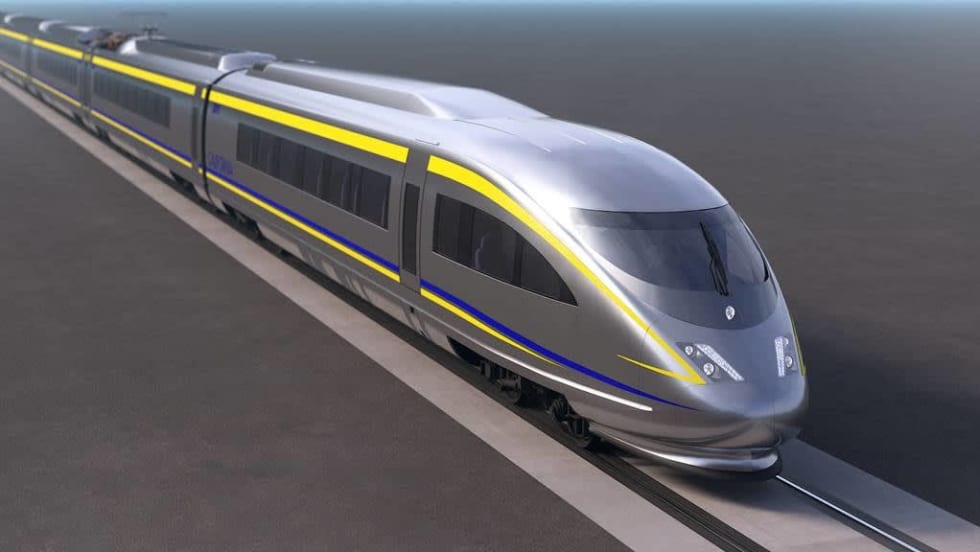
California Selects Team for Nation’s First True High-Speed Rail Track and Systems Contract
The board action follows completion of track installation at the 150-acre southern railhead in Kern County, which will serve as the staging and distribution hub for high-speed track and systems installation.
Read More →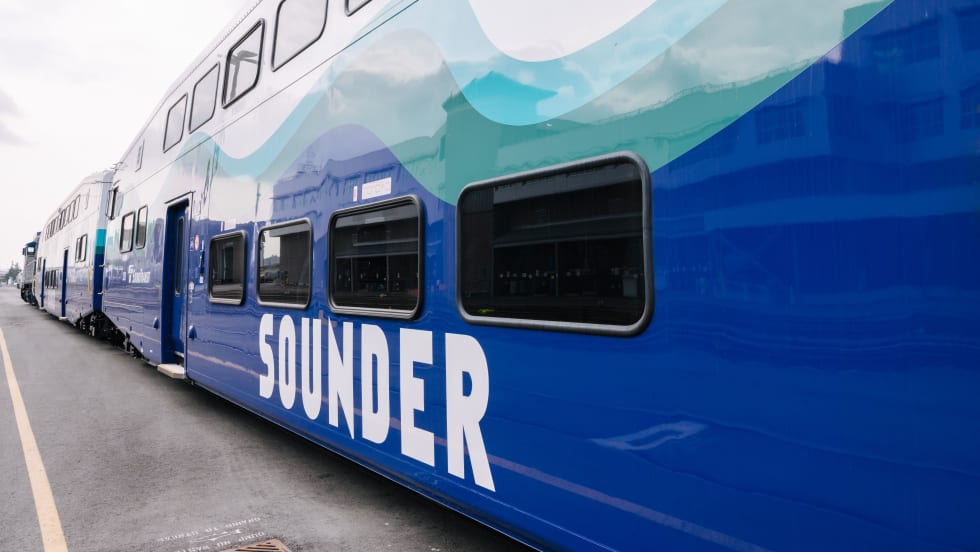
Seattle's Sound Transit Launches New Sounder Railcars into Service
Alstom manufactured all the cars under a $46.5 million contract and came into service in anticipation of summer crowds for soccer and baseball.
Read More →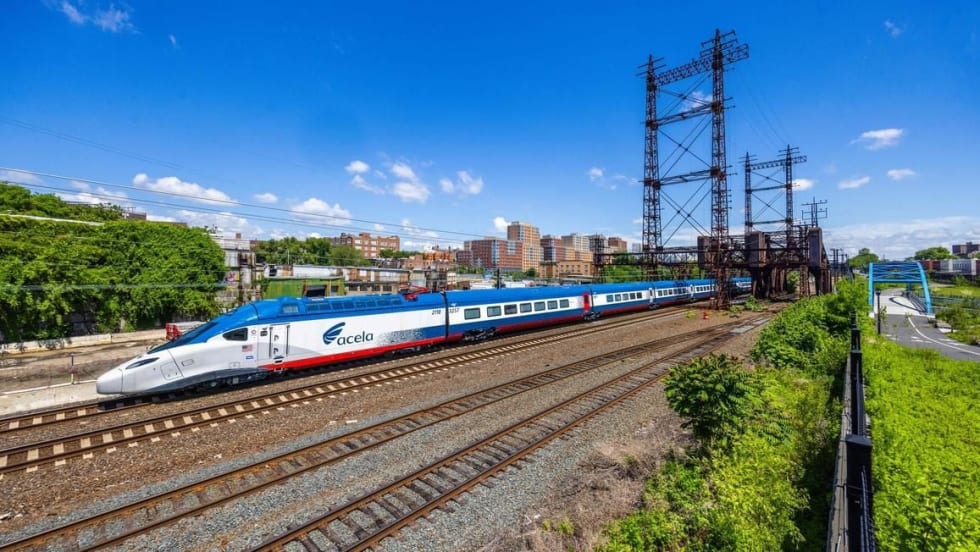
Alstom Partners With Universities to Build Rail Talent Pipeline
The partnerships include a new engineering scholarship fund at Alfred State College in Western New York and collaborations with transportation centers at the University of Pennsylvania and New York University.
Read More →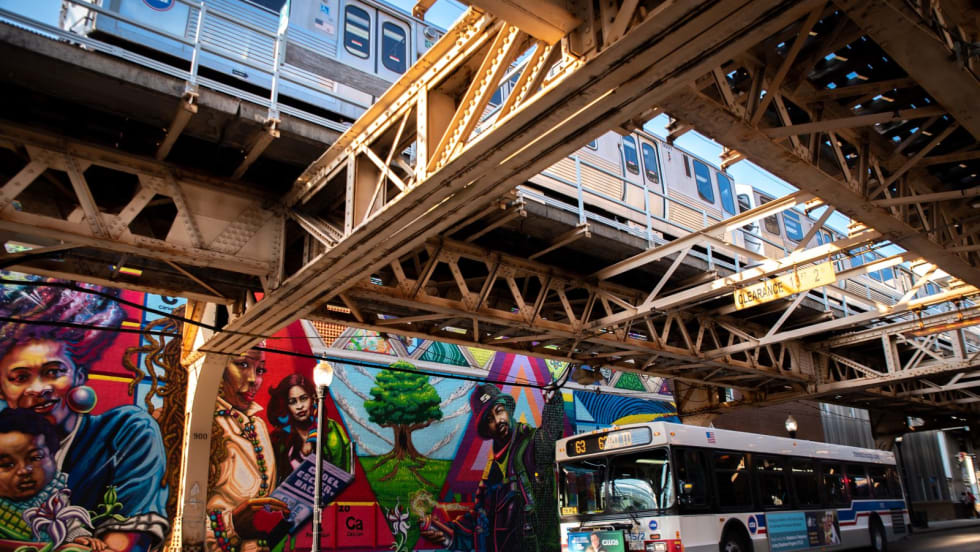
Chicago's NITA Act Moves Into Next Phase as Service Improvements Begin
Rider-focused improvements will begin rolling out across the system immediately as CTA, Metra, and Pace increase service this summer in the six-county region.
Read More →