



U. of Utah orders BYD electric bus
Will supply one all-electric bus to be retrofitted with WAVE's wireless charging pad under the bus, developed by the Utah State University Energy Dynamics Laboratory.

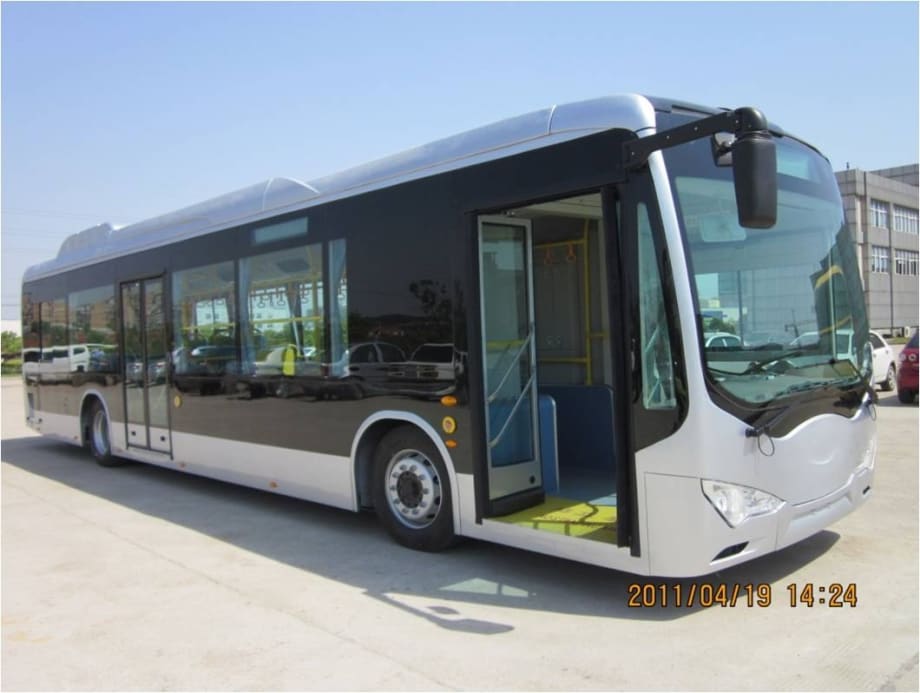
The new 40-foot electric bus will be the first shuttle to be allowed to run across the heart of campus — a 1.7-mile loop route between the South Campus TRAX station north to the Warnock Engineering building with midway stops at the Student Union buildings.
The University of Utah has placed an order for a 40-foot, all-electric transit bus with BYD Company Ltd. (BYD) the largest manufacture of all-electric buses in the world.
BYD's long-range, all-electric, "GreenCity" buses have been running worldwide in commercial fleet service for the last two years. BYD's GreenCity fleets (which include both eTaxi's and eBUSes) have accumulated over 14 million miles using BYD's internally developed electric drive technologies and Iron-Phosphate battery systems.
The manufacturer will supply one all-electric bus to be retrofitted with WAVE's wireless charging pad under the bus, developed by the Utah State University Energy Dynamics Laboratory.
This technology will allow the electric buses to pull up over an embedded charger in the asphalt with a maximum of 10 inches clearance and "opportunity charge" the waiting bus with no moving parts or unsightly wires required. The funds to test a full in-service operation of WAVE's wireless power charging system were provided through a Federal Transit Administration grant awarded to the Utah Transit Authority.
The new 40-foot electric bus will be the first shuttle to be allowed to run across the heart of campus — a 1.7-mile loop route between the South Campus TRAX station north to the Warnock Engineering building with midway stops at the Student Union buildings. The bus runs will be timed to pick up passengers coming off eastbound trains on a 15-minute cycle. The driver will position the bus over the charging pad during several minute wait periods between runs. The embedded charge pads measure about three feet square and pose no danger to the public. Nothing protrudes above the surface to be damaged by cars, snow plows or vandals.
"We will be the model of zero emissions rapid transit for the Nation," said Alma Allred, the University of Utah's Director of Commuter services. "We want to be in the forefront of technology that reduces the need for fossil fuels and has zero noise and zero pollution."
More Bus
Report: Transit Bus Manufacturing Supports 34,100 Jobs, $5.1B in GDP
The “Buses Mean Business” report examines the transit bus manufacturing industry’s economic footprint, supply chain, and rising demand for vehicle replacements.
Read More →
Biz Briefs: New Flyer Delivers in Columbus, Houston, Beep and Freebee Merge, and More
In this edition of Biz Briefs, we spotlight the latest developments shaping the future of mobility.
Read More →
People Movement: Dan Dipert Coaches Adds Third-Generation Leader, Keolis Names New Valley Metro VP/GM, and More
In this edition, we also cover recent appointments and announcements at the Wabtec, SilverRide, HNTB, and more, showcasing the individuals helping to shape the future of transportation.
Read More →
New York MTA Plans Largest Bus Fleet Upgrade in More Than a Decade
The agency is seeking manufacturers for 650 new CNG buses to replace aging vehicles, improve reliability, and advance its broader fleet modernization strategy.
Read More →
Building a Flexible Path to Transit Electrification
John Hroncich discusses BAE Systems’ modular and scalable approach, lessons learned from decades of real-world operations, and how agencies can identify electrification strategies that fit their fleets.
Read More →
Bus Tech Talk: Keeping Transit Technicians Ahead of the Technology Curve
LA Metro’s Obed Mejia discusses technician training, evolving maintenance technology, fleet replacement, and strategies for getting the most out of today’s transit fleets.
Read More →
Biz Briefs: RIPTA Unveils New Frontrunners, Clevland RTA Adds New Siemens, and More
In METRO's latest installment, we take a look at recent news from Siemens, Prevost, Dodge, and more partnerships making headlines across the transportation sector.
Read More →
People Movement: Holly Arnold Joins Transdev and More
In this edition, we also cover recent appointments and announcements at Pace, CamTran, MCI, and more, showcasing the individuals helping to shape the future of transportation.
Read More →
The High Cost of Transit Buses: Industry Leaders Look to Procurement Reform
Transit leaders and policymakers examine how standardized bus designs, streamlined procurement, and predictable funding could help agencies stretch budgets and deliver better service.
Read More →
The Business Voice Behind Public Transportation
As chair of APTA’s Business Members Board of Governors, Ray Melleady explains how more than 850 business members are partnering with transit agencies to advance funding, innovation, and industry-wide collaboration.
Read More →