



UT Survey: Student government crucial to university transit systems
Student groups in the forms of the student Senate, board, Resident Housing Association and advisory committees work closely with transit planners on routes, frequencies, and levels of service.

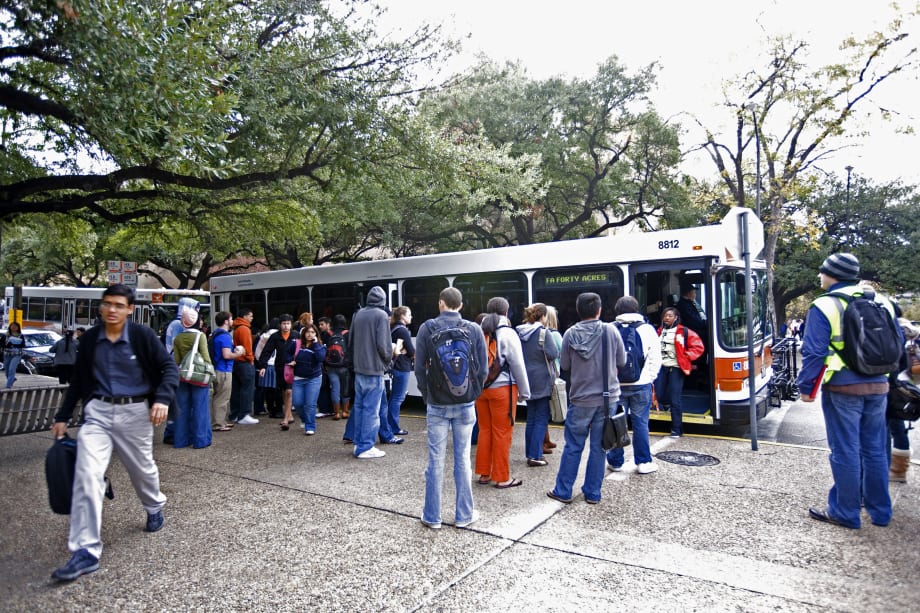
The most important step in planning bus route service and fees for university and college transit systems is considering the needs of students and how to tap their feedback. How do universities seek this out? We asked a handful of university transit system operators about the role student government plays in their planning process.
Here are their responses:

“The Undergraduate Student Government and Graduate Student Senate have representation on the Parking Advisory Committee. Before we make any major changes, as we are doing with four of our six routes for the upcoming academic year, we always present our thoughts, plans and data to this committee well in advance. We also have an ongoing/open line of communication with them for feedback throughout the academic year.”
Janet Freniere, manager, transportation services
University of Connecticut
Storrs, Conn.

“At the University of Texas at Austin, Parking and Transportation Services works very closely with Student Government representatives to provide a more efficient and effective shuttle bus service for the campus community. The student government representatives that are appointed to the shuttle bus committee provide valuable feedback to transit planners regarding routes, frequencies and levels of service each academic year. With the help of student government, Parking and Transportation Services is able to operate a program that has grown into one of the largest collegiate shuttle bus programs in the nation.”
Blanca Juarez, alternative transportation manager, parking and transportation services
The University of Texas at Austin
Austin, Texas

“Our Transportation Services division coordinates with the Resident Housing Association, which is the student government for residence halls on campus. Our Buff Bus service specifically services students living in off-campus dormitories. Transportation coordinates frequently to ensure quality service. Parking Services hosts an organization called Parking Management Advisory Committee, on which two Colorado University Student Government members serve. This committee is responsible for the oversight and input of amendments to parking regulations and other systematic structural implementation.”
Jena Cafiero, communications manager, parking & transportation services
University of Colorado Boulder
Boulder, Colo.
“We are run by student government. We have an eight-member student board. Two of the members are part of the student senate and the rest are students at large. This office is run on a $30 per semester student fee. A small portion of our funding comes from Main Hall — $35,000 annually. Otherwise the funding is a direct student fee overseen by students. This is a great way to run university transit and other transportation options on campus.”
Nancy Wilson, director, Associated Students of The University of Montana, Office of Transportation
University of Montana
Missoula, Mont.
RELATED ARTICLE: Click here, to read our previous UT survey on how universities are creating bike-friendly campuses.
More Bus
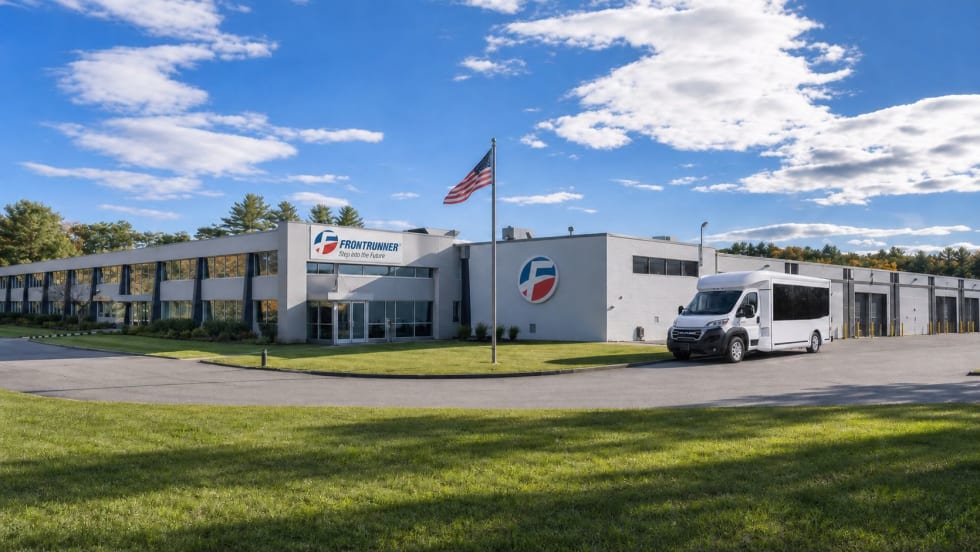
Frontrunner Bus Group Expands with New Massachusetts Headquarters
The significantly larger facility will provide the infrastructure needed to support the company’s growing workforce, advanced technologies, and expanding product line.
Read More →
Joshua Schank on Transportation Innovation, Risk, and the Future of Mobility
In this edition of METROspectives, Joshua Schank discusses lessons from launching LA Metro’s Office of Extraordinary Innovation, the challenges of advancing new mobility technologies, and much more.
Read More →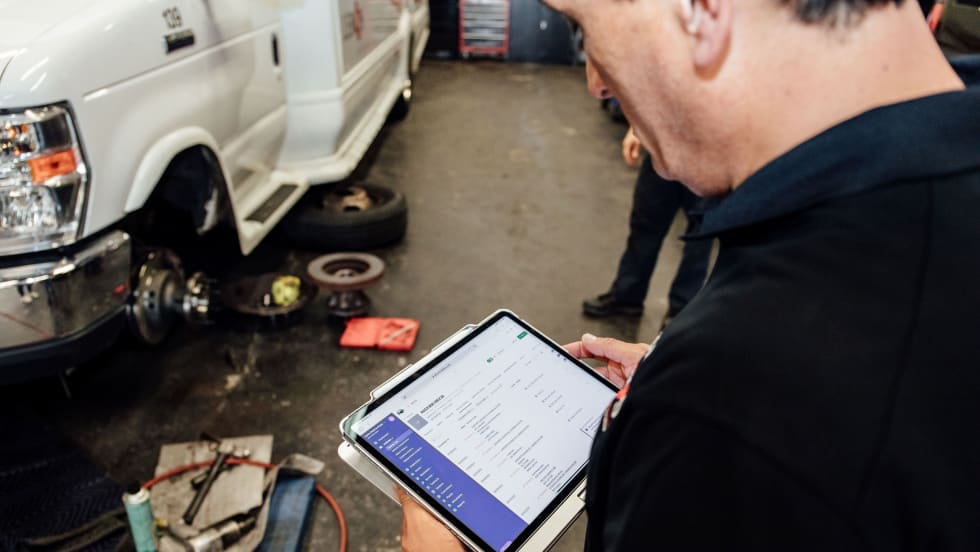
Reinventing Fleet Maintenance with Real-time Visibility and AI
Transit leaders need to know what needs fixing, where to look, who is responsible, when work is completed, and what it costs without having to chase information across disconnected systems.
Read More →
SamTrans Sets Priorities for Potential Connect Bay Area Revenue
The board-approved framework allocates future funding to maintaining service, rider improvements, equity initiatives, and infrastructure repairs.
Read More →
When Routine Fails: How Public Transit Must Adapt for the World Cup
The 2026 FIFA World Cup will test transit agencies’ ability to manage unpredictable travel patterns, making real-time data and operational flexibility critical to moving millions of visitors efficiently.
Read More →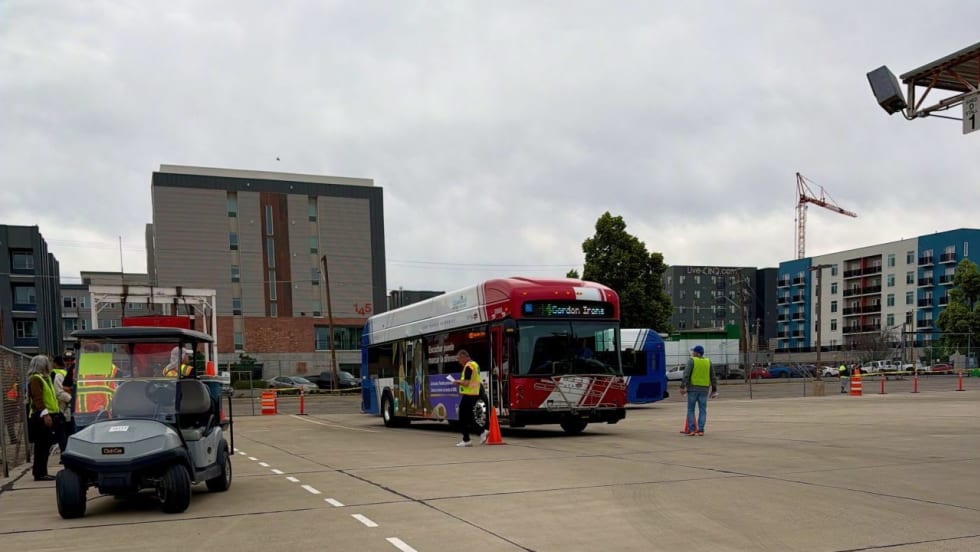
Photo Highlights from APTA's 2026 Mobility Conference
The photo gallery captures scenes from the conference, including the International Bus Roadeo, exhibit hall activities, the Bus Showcase, and much more.
Read More →
Chicago's NITA Act Moves Into Next Phase as Service Improvements Begin
Rider-focused improvements will begin rolling out across the system immediately as CTA, Metra, and Pace increase service this summer in the six-county region.
Read More →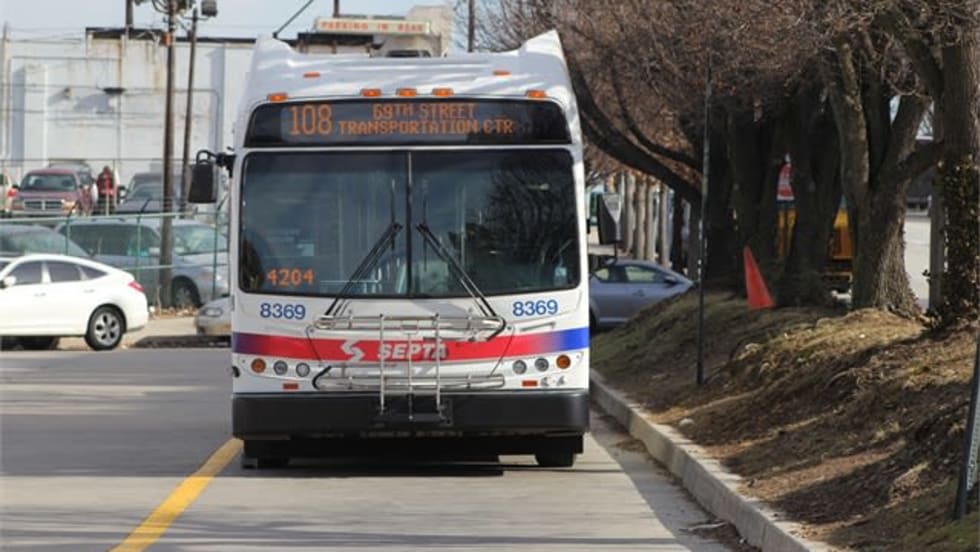
Philadelphia's SEPTA Approves Annual Transit Service Plan
Between 2021 and 2024, SEPTA held more than 200 public meetings — including 144 in-person sessions — throughout the SEPTA service region.
Read More →
A True Low-Floor Minibus Design Delivers Better Accessibility and Efficiency for Everyone
As transit demands evolve, so should your fleet. Download the whitepaper to see how the Low-Floor Frontrunner Minibus compares to traditional options.
Read More →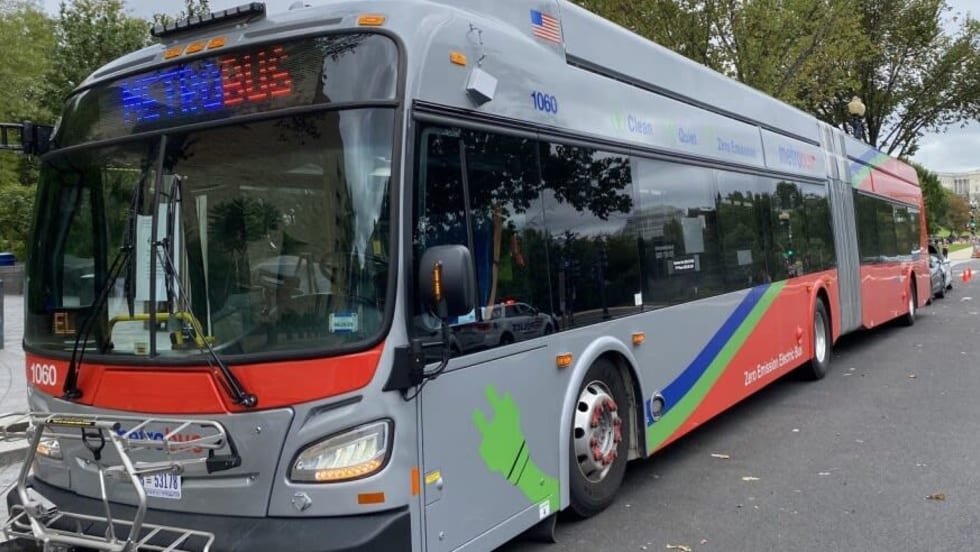
WMATA Debuts 'Fares Pay for Service' Awareness Campaign
The campaign was highlighted during a media event at the Paul S. Sarbanes Transit Center in Silver Spring, where WMATA’s GM/CEO Randy Clarke joined Metro Transit Police officers, WMATA management team, board members, and staff to expand fare enforcement and customer education efforts on Metro Bus routes throughout the region.
Read More →