



Amtrak releases Northeast Corridor expansion plan
Forecasts a 25% increase in ridership and revenue over 2010 projections. Also discusses key findings from the recently completed NEC Business and Financial Plan to guide Amtrak on how to potentially fund and finance its integrated vision for the NEC.

A new report issued by Amtrak summarizes and updates the ongoing planning efforts to expand capacity on the Northeast Corridor (NEC) rail network to accommodate more trains operating at faster speeds with significantly reduced trip-times and improved service reliability while also developing 220 mph next generation high-speed rail (NextGen HSR).
The Amtrak Vision for the Northeast Corridor: 2012 Update Report describes the current stage of conceptual development and planning for the future of the NEC rail network. It details actions taken by Amtrak and other stakeholders since the release of two major NEC planning reports in 2010 and highlights the key findings of a recently completed NEC business and financial plan. It also provides input for a new NEC environmental analysis and planning process led by the Federal Railroad Administration (FRA).
Recent Amtrak studies continue to indicate that improvement and expansion of the NEC, including the development of segments of NextGen HSR, is feasible and achievable using an integrated capital investment program and incremental implementation strategy.
The FRA-led PRCIP will develop a new long-term service plan and related environmental analysis to create a NEC investment plan for the next 30 years.
The PRCIP is a critical step in defining and realizing future improvements to the NEC and will provide necessary information to support future FRA investment decisions. It is comprised of two components: a Service Development Plan that articulates the overall scope and approach for future intercity passenger rail service along the NEC and a National Environmental Policy Act (NEPA) programmatic environmental impact assessment that addresses the broad environmental impacts for the entire Corridor along the route of proposed service. It is to be completed in 2015.
Since the release in 2010 of The Northeast Corridor Infrastructure Master Plan and A Vision for High-Speed Rail in the Northeast Corridor, Amtrak has continued its work and has now integrated these two plans into a single, coherent $151 billion service and investment program called the NEC Capital Investment Program. It calls for investments to be made over the coming several decades to improve and expand the NEC, and affirms the Amtrak commitment to implementing critically needed near-term Master Plan projects while advancing the long-term development of a 220 mph NextGen HSR network through incremental “Stair-Step” improvements to its current high-speed rail service.
Amtrak received feedback from states, commuter rail agencies and other NEC users and stakeholders, and has made several changes to its planning since 2010, including: announcement of the Gateway Program to increase track, bridge, station and tunnel capacity from Newark, N.J., to New York Penn Station; a revised alignment of the proposed NextGen HSR route to travel through Providence, R.I., rather than Woonsocket; and changes to various proposed stations.
The 2012 Update Report also discusses key findings from the recently completed NEC Business and Financial Plan to guide Amtrak on how to potentially fund and finance its integrated vision for the NEC. Scientifically, the B&F Plan finds greater than anticipated ridership demand for, and associated revenue from, the planned Amtrak services levels supported by the NEC Capital Investment Program, forecasting a 25% increase in ridership and revenue over 2010 projections. However, the B&F Plan also finds that the schedule and large annual capital expenditures in the peak period of planned construction should be modified to strengthen opportunities for public and private sector funding, to take into account resource constraints and to ensure effective management and delivery of the program.
To advance the program, the B&F Plan concludes that Amtrak should pursue a phased approach and strategically advance specific elements with the biggest impacts on improved reliability, increased capacity and reduced trip-time as quickly as funding allows, while deferring remaining elements to subsequent phases. This approach will help Amtrak achieve early successes that strengthen revenue and financial performance and create additional capital funding to support other program elements.
The B&F Plan also recommends that a combination of funding, policy decisions and cooperation from federal, state, and local governments, NEC users, regional partners, the private sector and Amtrak are necessary to advance a program of this size and regional and national significance. Further, public sector leadership and funding is essential during the early years.
While the B&F Plan finds that current federal, state, and local transportation investment programs are insufficient to support the program presently, strategies are available to generate funding, including enhanced access fees paid by NEC users to support state of good repair other improvement projects to the existing corridor that provide the greatest benefits to their services.
Several major projects are now under way that will improve existing services and support the Amtrak NEC vision, including $15 million for Gateway Program planning, design and preliminary environmental review and utility relocation to support construction of a new Portal Bridge in New Jersey, which itself is currently in the final design stage.
Another major ongoing effort is a $450 million project funded by the FRA high-speed and intercity passenger rail program to improve service reliability for intercity and commuter trains, modernize the electrical system and boost top speeds from 135 mph to 160 mph along a 24-mile section of the NEC between Trenton and New Brunswick, N.J. — making it the fastest passenger track in North America. It also will reconfigure track switches at the western entrance to New York Penn Station to mitigate congestion issues. Major construction work is to begin in 2013 with anticipated project completion in 2017.
In addition, Amtrak is nearing the completion of a $140 million project to replace the 104-year old movable Niantic River Bridge in East Lyme, Conn., to improve reliability, increase speeds on and near the bridge and minimize traffic delays. Rail traffic will begin to shift to the new structure in late summer 2012 with full project completion scheduled for spring 2013.
More Rail

The Invisible Infrastructure of Passenger Flow
What a seat reservation system on Austria’s Railjet trains reveals about the future of rider experience, and why U.S. agencies should pay attention.
Read More →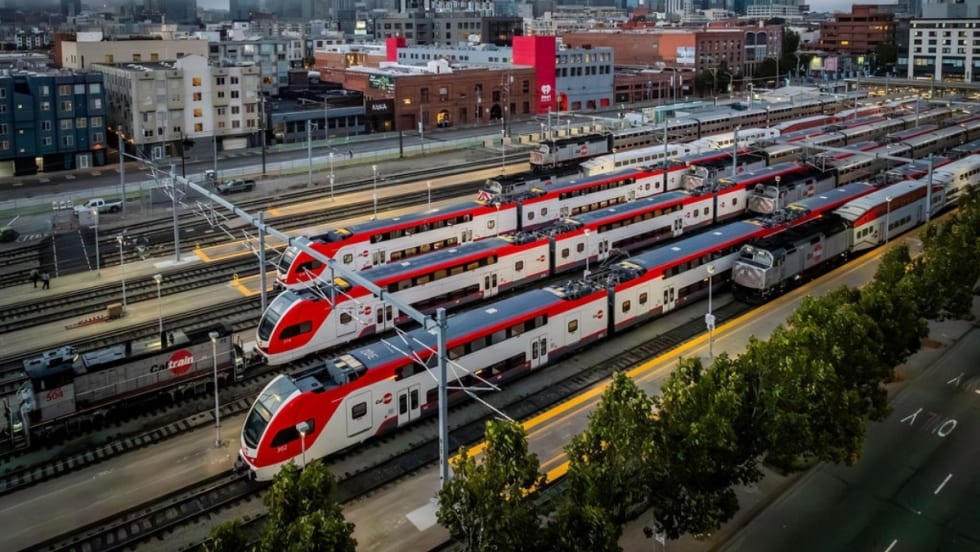
Caltrain Board Approves FY27 Budget, Endorses Efficiency Measures
The move ensures Caltrain service will continue operating as usual in the near term, but long-term financial challenges remain for the rail agency absent a new revenue source.
Read More →
Alstom Acquires Delaware Site to Support Amtrak NextGen Acela Fleet
The company is investing more than $55 million to acquire and improve the property and will employ approximately 100 people at this site once it is operational.
Read More →
When Routine Fails: How Public Transit Must Adapt for the World Cup
The 2026 FIFA World Cup will test transit agencies’ ability to manage unpredictable travel patterns, making real-time data and operational flexibility critical to moving millions of visitors efficiently.
Read More →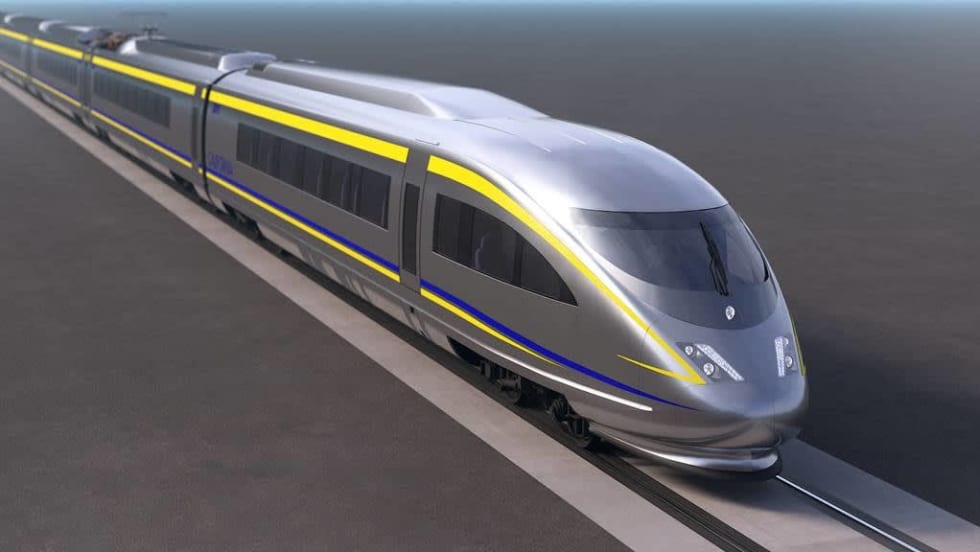
California Selects Team for Nation’s First True High-Speed Rail Track and Systems Contract
The board action follows completion of track installation at the 150-acre southern railhead in Kern County, which will serve as the staging and distribution hub for high-speed track and systems installation.
Read More →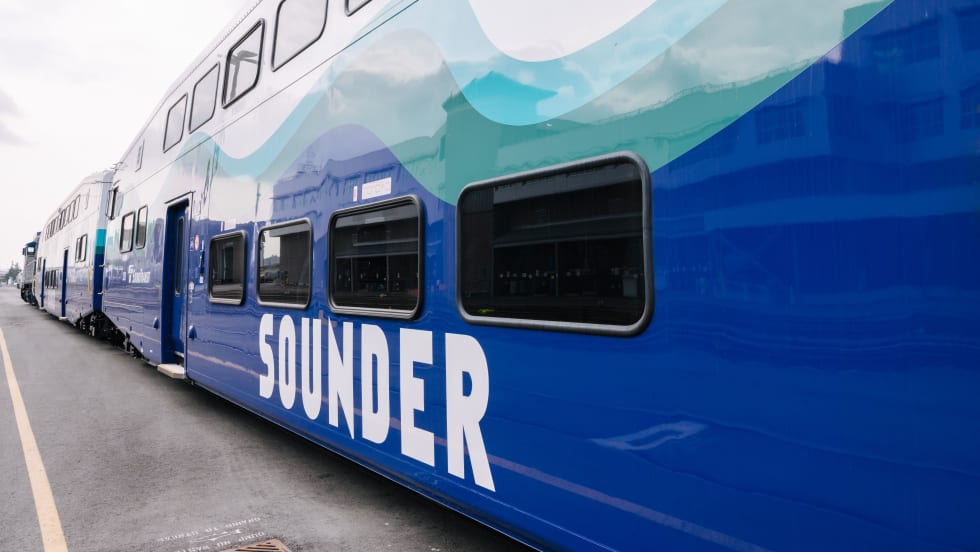
Seattle's Sound Transit Launches New Sounder Railcars into Service
Alstom manufactured all the cars under a $46.5 million contract and came into service in anticipation of summer crowds for soccer and baseball.
Read More →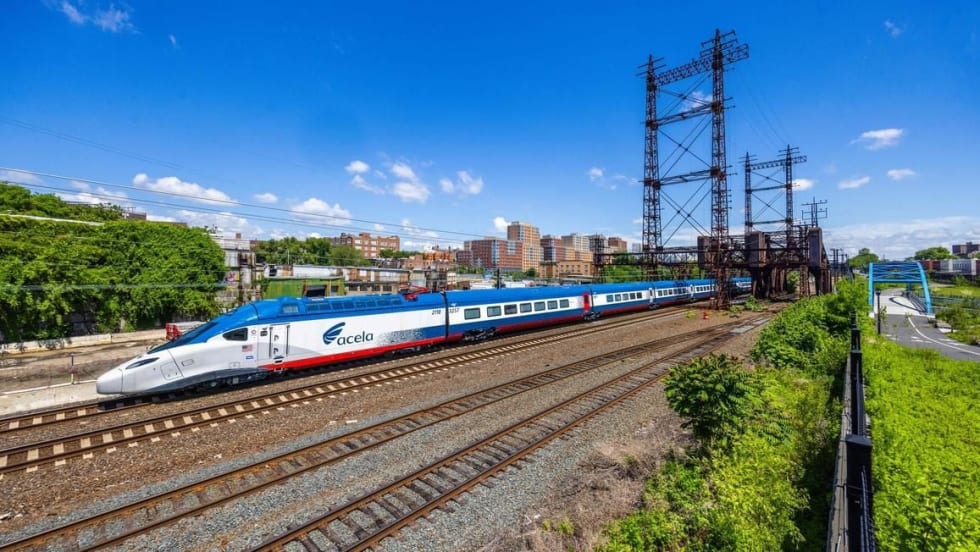
Alstom Partners With Universities to Build Rail Talent Pipeline
The partnerships include a new engineering scholarship fund at Alfred State College in Western New York and collaborations with transportation centers at the University of Pennsylvania and New York University.
Read More →
Chicago's NITA Act Moves Into Next Phase as Service Improvements Begin
Rider-focused improvements will begin rolling out across the system immediately as CTA, Metra, and Pace increase service this summer in the six-county region.
Read More →
Seattle’s Sound Transit Adopts Updated ST3 System Plan
The updated system plan incorporates cost savings across the agency, including new revenue sources and financial policies, to set the agency on a sustainable path for the future.
Read More →
Inside Look: EMBARK Expands Fare-Free Transit Program Through New Public-Private Partnership
The OKC transit agency says sponsorship helps subsidize the Third Friday Free initiative while reducing barriers for first-time riders and boosting ridership across buses, streetcars, and river cruises.
Read More →