



APTA: Investing in U.S. high-speed rail to net $26.4B
Association’s report says that the net benefits will extend over the next 40 years, as the population grows by more than 100 million people, according to the U.S. Census.

A new American Public Transportation Association (APTA) report, “Opportunity Cost of Inaction: High-Speed Rail and High Performance Passenger Rail Service,” released at a Congressional briefing by APTA on Tuesday, shows that building a high-speed rail program in the U.S. results in $26.4 billion in net benefits over the next 40 years.
According to the report, the U.S. Census estimates the population will grow by more than 100 million people in the next 40 years. As the population grows, increased pressure will be placed on the nation’s already crumbling infrastructure. With a complementary high-speed rail service, this will help mitigate the cost of maintenance, replacement and the capacity expansion needs of airport runways, highways and roadways. In many cases expansion will be difficult because of the lack of land mass.
“As we look at the implementation of high-speed rail in America, we must recognize the value it brings to help sustain and complement our other modes of transportation,” said APTA President and CEO Michael Melaniphy. “It is critical that policy makers take a leadership role in moving high-speed rail forward to capture the billions of dollars of economic, mobility, energy and environmental benefits.”
The report shows investment in high-speed and high performance passenger rail not only aids in solving our capacity issues, but helps mitigate overall transportation costs and helps our roadways and airports work more efficiently.
The strain on our transportation system by travelers will result in increased congestion and delays which will lead to billions of dollars lost in a globally competitive market.
“By building high-speed rail, we not only offer mobility benefits to those who ride the rails, but to those who continue to fly or drive by helping to alleviate the strain on our overburdened network,” said Melaniphy.
The net benefit to investing in the California region is $8.2 billion over 40 years; the Midwest is $11.7 billion; the Northwest Corridor is $5.5 billion; and the Pacific Northwest is $1.1 billion.
Additional factors in determining the net benefits include economic output generated, tax revenue generated, emissions savings and others. Numerous additional social and mobility benefits are not quantified in the report.
“This study quantifies just the tip of the iceberg and is a very conservative estimate of the net benefits resulting from implementing high performance trains in America,” said Melaniphy. “We must recognize the positive growth potential and benefits high-speed rail can provide to our citizens.”
In addition to APTA releasing the report to Congress, railway representatives from eight countries were on Capitol Hill Tuesday to brief members of Congress on the high-speed rail industry worldwide. These leaders were in Washington, D.C. as part of the UIC 8th World Congress on High-Speed Rail, which begins the following day in Philadelphia.
More Rail

The Invisible Infrastructure of Passenger Flow
What a seat reservation system on Austria’s Railjet trains reveals about the future of rider experience, and why U.S. agencies should pay attention.
Read More →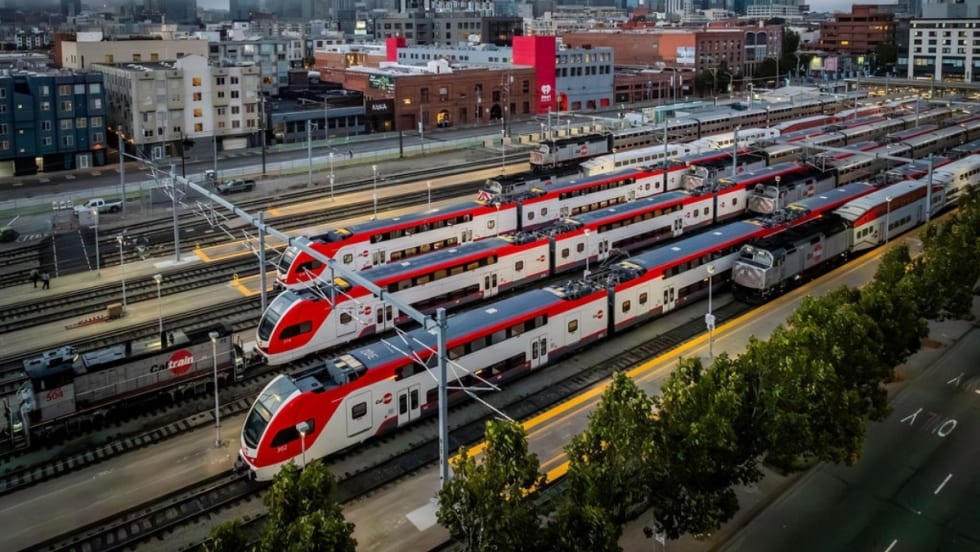
Caltrain Board Approves FY27 Budget, Endorses Efficiency Measures
The move ensures Caltrain service will continue operating as usual in the near term, but long-term financial challenges remain for the rail agency absent a new revenue source.
Read More →
Alstom Acquires Delaware Site to Support Amtrak NextGen Acela Fleet
The company is investing more than $55 million to acquire and improve the property and will employ approximately 100 people at this site once it is operational.
Read More →
When Routine Fails: How Public Transit Must Adapt for the World Cup
The 2026 FIFA World Cup will test transit agencies’ ability to manage unpredictable travel patterns, making real-time data and operational flexibility critical to moving millions of visitors efficiently.
Read More →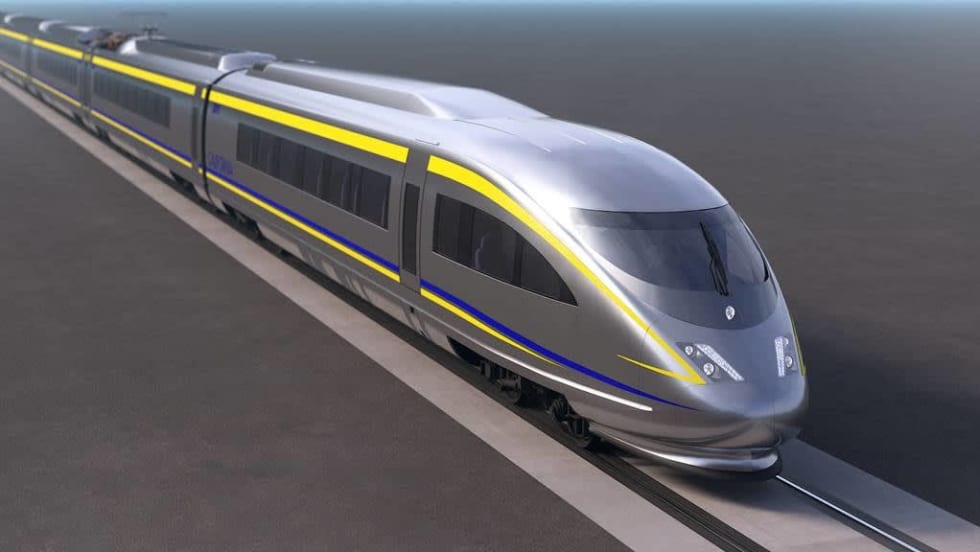
California Selects Team for Nation’s First True High-Speed Rail Track and Systems Contract
The board action follows completion of track installation at the 150-acre southern railhead in Kern County, which will serve as the staging and distribution hub for high-speed track and systems installation.
Read More →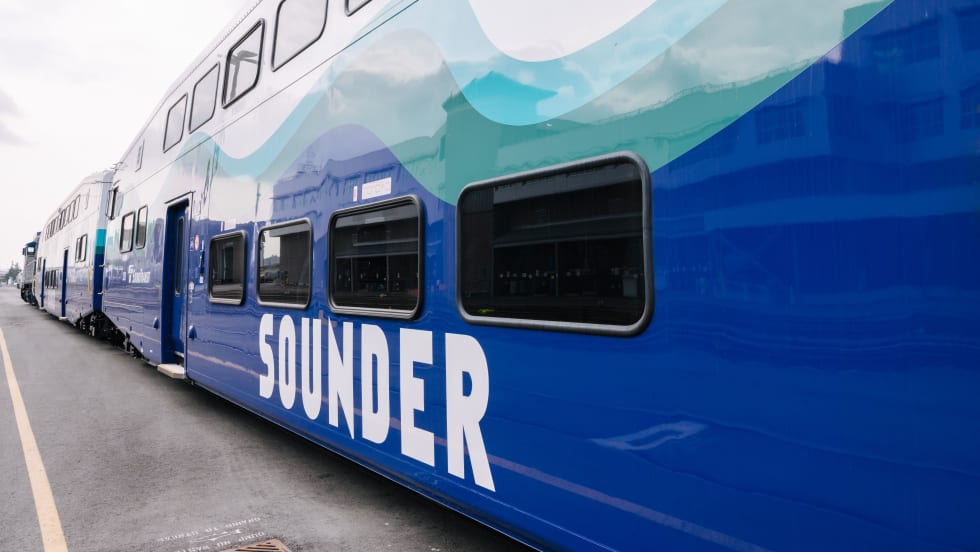
Seattle's Sound Transit Launches New Sounder Railcars into Service
Alstom manufactured all the cars under a $46.5 million contract and came into service in anticipation of summer crowds for soccer and baseball.
Read More →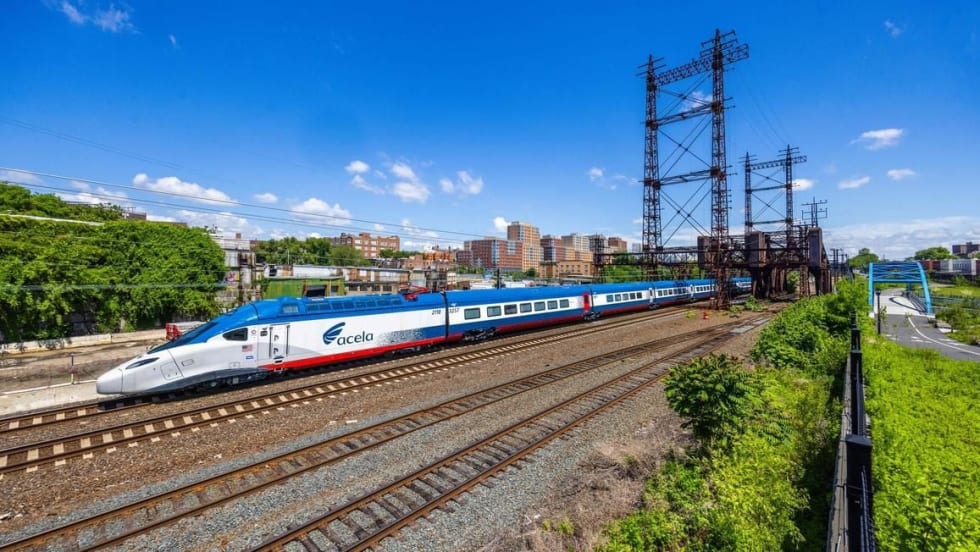
Alstom Partners With Universities to Build Rail Talent Pipeline
The partnerships include a new engineering scholarship fund at Alfred State College in Western New York and collaborations with transportation centers at the University of Pennsylvania and New York University.
Read More →
Chicago's NITA Act Moves Into Next Phase as Service Improvements Begin
Rider-focused improvements will begin rolling out across the system immediately as CTA, Metra, and Pace increase service this summer in the six-county region.
Read More →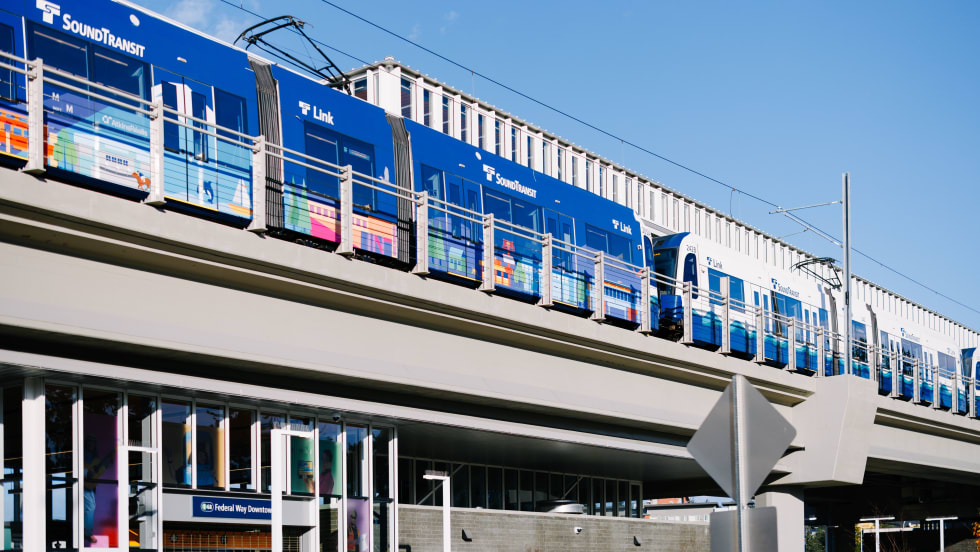
Seattle’s Sound Transit Adopts Updated ST3 System Plan
The updated system plan incorporates cost savings across the agency, including new revenue sources and financial policies, to set the agency on a sustainable path for the future.
Read More →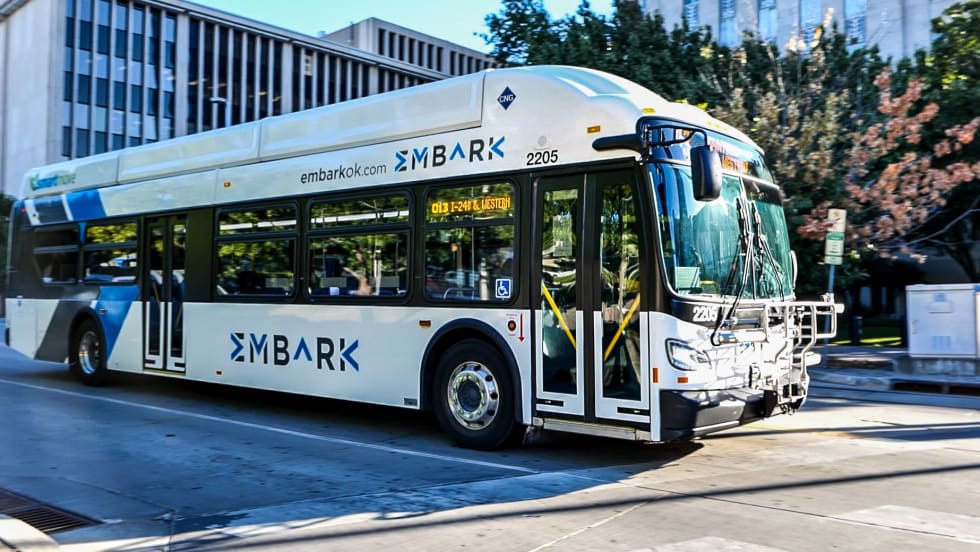
Inside Look: EMBARK Expands Fare-Free Transit Program Through New Public-Private Partnership
The OKC transit agency says sponsorship helps subsidize the Third Friday Free initiative while reducing barriers for first-time riders and boosting ridership across buses, streetcars, and river cruises.
Read More →