



DHS continues testing MBTA subway airflow
Involves releasing non-toxic, inert, odorless gas and particle tracers into the subway system and nearby locations. Particle and gas concentrations will be sampled in more than 20 stations covering the entirety of the underground portion of the MBTA subway system as well as numerous locations in Boston and Cambridge.

Researchers with the U.S. Department of Homeland Sescurity (DHS) are continuing their study of airflow throughout the Massachusetts Bay Transportation Authority (MBTA) underground subway system and surrounding urban areas this week by releasing non-toxic, inert, odorless gas and particle tracers.
Commuters will notice scientific equipment and researchers with electronic monitoring devices throughout the MBTA subway system and nearby urban areas of Boston and Cambridge from July 29 through August 5, while the DHS continues the scientific study.
Led by the DHS Science and Technology Directorate (S&T), this continuing study will gather data on the behavior of airborne contaminants if they were to be released into the subway system.
“Previous phases of this study focused on the behavior of airborne contaminants within the subway system. This follow-on study will help us better understand how airborne contaminants released into the subway impact surrounding urban areas,” said S&T Program Manager Teresa Lustig. “With a clear understanding of how contaminants from the subway may spread to above-ground city centers we can use that information to enhance emergency planning and coordination across multiple jurisdictions in the response to emergency events.”
“Our customers and employees should know that the MBTA is working closely with our federal partners in order to make the transit system as safe as possible,” MBTA Transit Police Chief Paul MacMillan added.
The study involves releasing non-toxic, inert, odorless gas and particle tracers into the subway system and nearby locations. Particle and gas concentrations will be sampled in more than 20 stations covering the entirety of the underground portion of the MBTA subway system as well as numerous locations in Boston and Cambridge.
While the deliberate release of chemical or biological agents is of primary concern, the study will also help researchers understand airflow characteristics for smoke or unintentional spills of chemicals or fuels —providing information for MBTA to develop evacuation, ventilation and other incident response strategies. The information will also aid in the design of next generation chemical and biological agent detection systems.
Although the equipment will be visible, the study will not disrupt normal activities or present any inconvenience to the public. Commuters may notice a variety of electronic equipment positioned in subway stations, aboveground in Boston and Cambridge, or being carried by researchers.
The study will be conducted by researchers from Argonne National Laboratory, Lawrence Berkeley National Laboratory, FLIR Systems Inc., and an international team from Defence Science and Technology Laboratory of the United Kingdom.
The tests will use sulfur hexafluoride and perfluorocarbon gas tracers, both innocuous, non-toxic, inert gases that have been used in dispersion experiments since the 1960s. Sulfur hexafluoride is a harmless, common tracer gas used for indoor and outdoor air testing. Perfluorocarbons are used in eye surgery and other medical applications. Inert particle tracers, tagged with rare earth elements and a common optical brightener, will also be used. The optical brightener is used in many laundry detergents and in paper manufacturing. These tests will not use any biological materials, only inert particle tracers.
More Rail

The Invisible Infrastructure of Passenger Flow
What a seat reservation system on Austria’s Railjet trains reveals about the future of rider experience, and why U.S. agencies should pay attention.
Read More →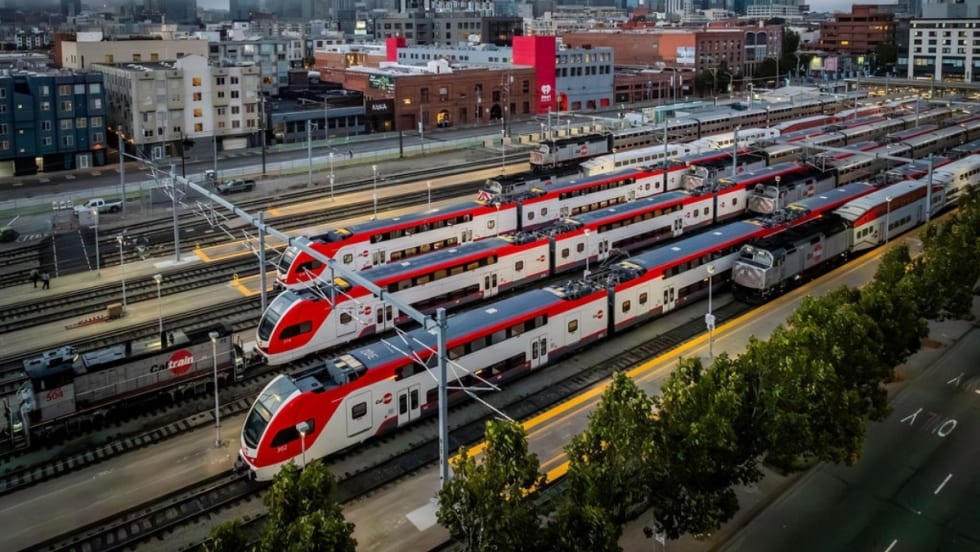
Caltrain Board Approves FY27 Budget, Endorses Efficiency Measures
The move ensures Caltrain service will continue operating as usual in the near term, but long-term financial challenges remain for the rail agency absent a new revenue source.
Read More →
Alstom Acquires Delaware Site to Support Amtrak NextGen Acela Fleet
The company is investing more than $55 million to acquire and improve the property and will employ approximately 100 people at this site once it is operational.
Read More →
When Routine Fails: How Public Transit Must Adapt for the World Cup
The 2026 FIFA World Cup will test transit agencies’ ability to manage unpredictable travel patterns, making real-time data and operational flexibility critical to moving millions of visitors efficiently.
Read More →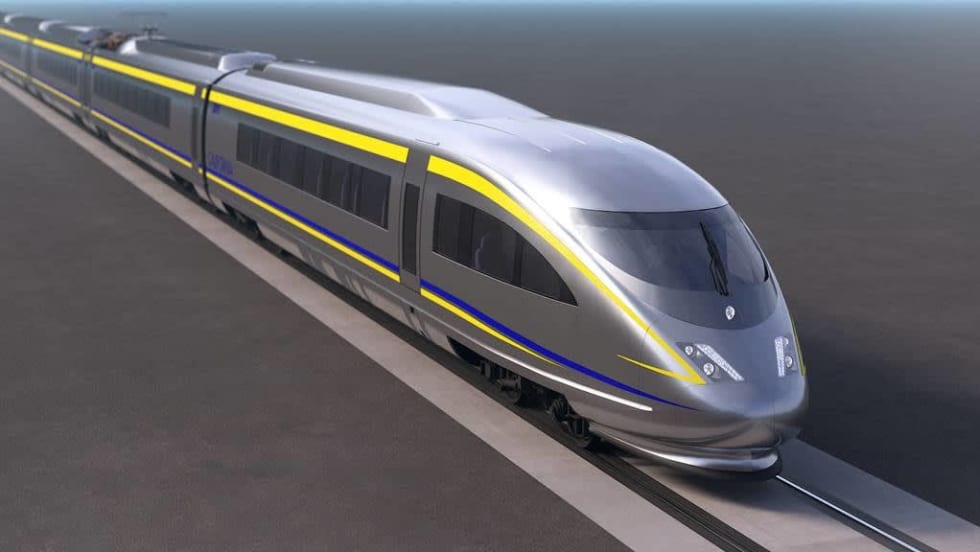
California Selects Team for Nation’s First True High-Speed Rail Track and Systems Contract
The board action follows completion of track installation at the 150-acre southern railhead in Kern County, which will serve as the staging and distribution hub for high-speed track and systems installation.
Read More →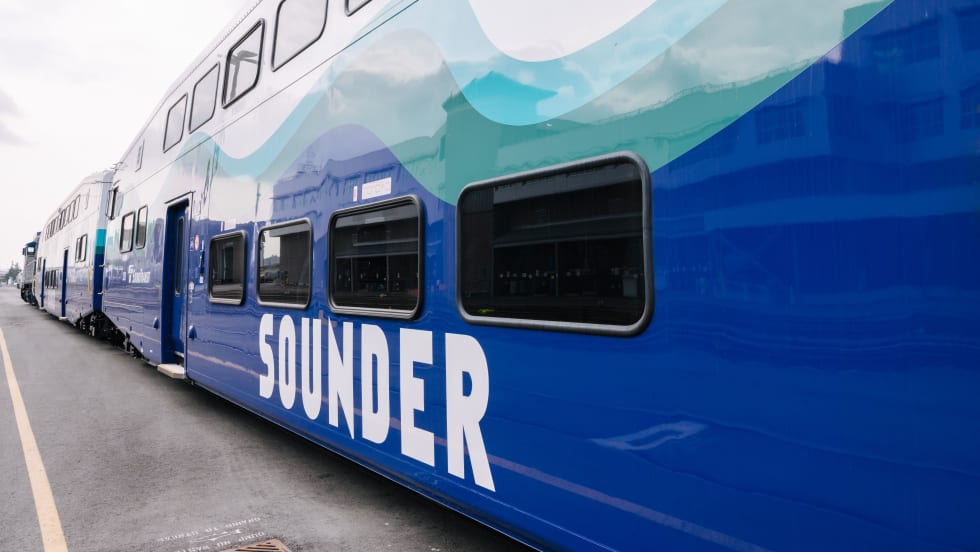
Seattle's Sound Transit Launches New Sounder Railcars into Service
Alstom manufactured all the cars under a $46.5 million contract and came into service in anticipation of summer crowds for soccer and baseball.
Read More →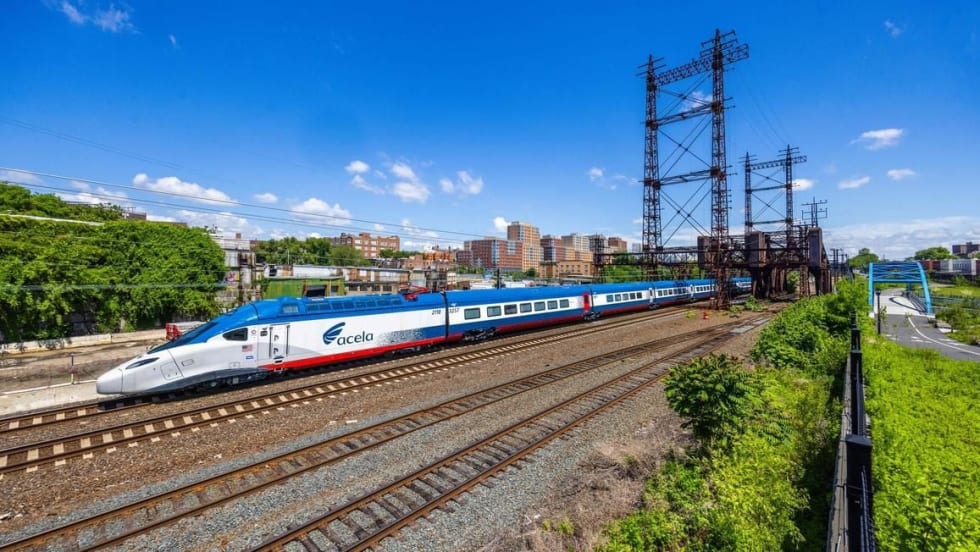
Alstom Partners With Universities to Build Rail Talent Pipeline
The partnerships include a new engineering scholarship fund at Alfred State College in Western New York and collaborations with transportation centers at the University of Pennsylvania and New York University.
Read More →
Chicago's NITA Act Moves Into Next Phase as Service Improvements Begin
Rider-focused improvements will begin rolling out across the system immediately as CTA, Metra, and Pace increase service this summer in the six-county region.
Read More →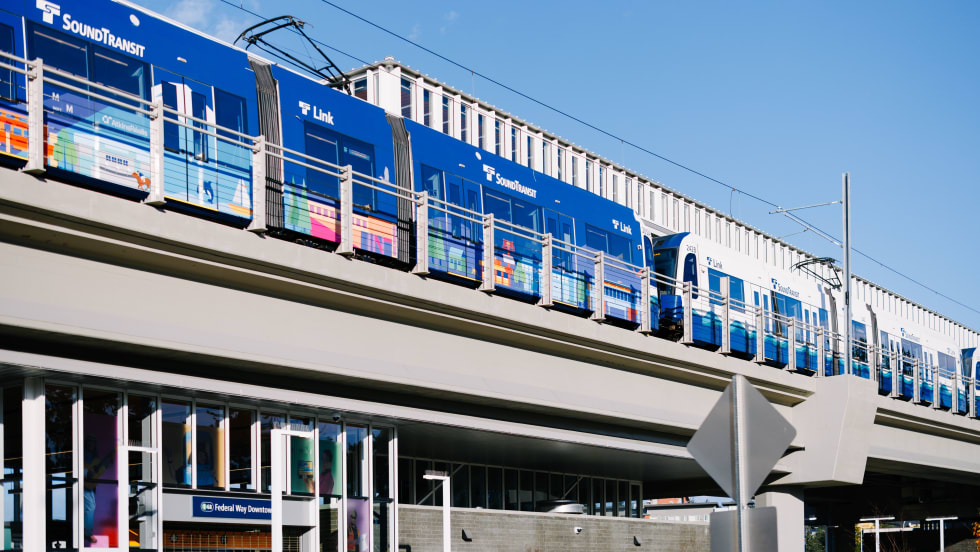
Seattle’s Sound Transit Adopts Updated ST3 System Plan
The updated system plan incorporates cost savings across the agency, including new revenue sources and financial policies, to set the agency on a sustainable path for the future.
Read More →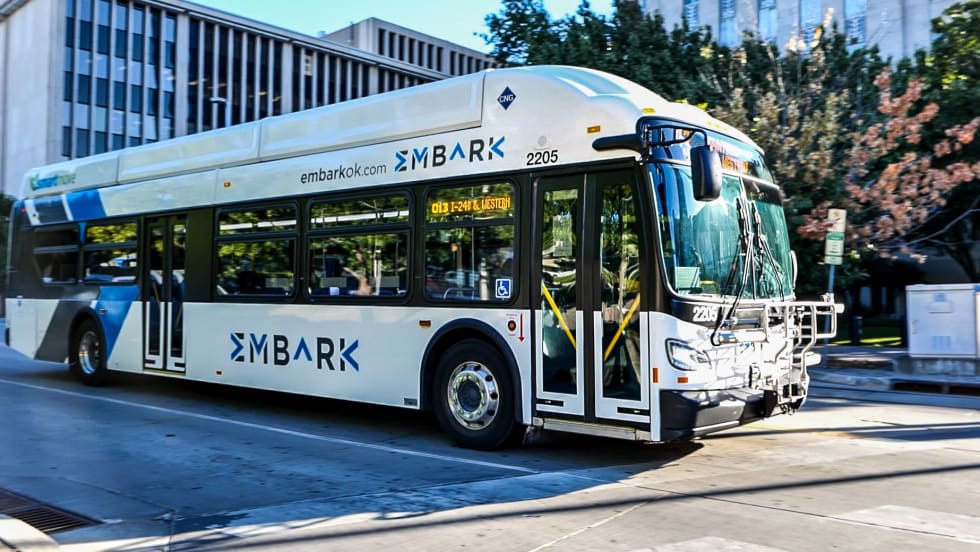
Inside Look: EMBARK Expands Fare-Free Transit Program Through New Public-Private Partnership
The OKC transit agency says sponsorship helps subsidize the Third Friday Free initiative while reducing barriers for first-time riders and boosting ridership across buses, streetcars, and river cruises.
Read More →