



Group: Vehicle emissions to increase 300% by 2050
Solutions to create paradigm shift include BRT, avoiding unnecessary trips and improving vehicle efficiency with cleaner fuels.

Emissions from transportation are the fastest growing source of global greenhouse gas emissions, with emissions expected to increase 300% by 2050, according to research by the Worldwatch Institute.
Today, emissions from transportation contribute to approximately 80% of the harmful air pollutants that result in 1.3 million premature deaths annually, according to Michael Replogle and Colin Hughes of the Institute for Transportation & Development Policy (ITDP). The two authored the fourth chapter, "Moving Toward Sustainable Transport,” in Worldwatch's book “State of the World 2012: Moving Toward Sustainable Prosperity,” published in April.
The largest financial commitment made at the Rio+20 Conference on Sustainable Development in June 2012 was a pledge by the eight largest multilateral development banks (MDBs) to commit 500 staff and dedicate $175 billion for more sustainable transportation in the coming decade. This unprecedented agreement was facilitated by the Partnership on Sustainable Low Carbon Transport (SLoCaT), which brings together 68 MDBs, civil society organizations, UN agencies, and research and industry organizations.
"This action promises to begin countering decades of unsustainable investments in transportation systems, such as building high-capacity motorways," said Michael Renner, Worldwatch sr. researcher and State of the World 2012 project co-director. "But it will require new resources for civil society groups to be able to ensure independent monitoring of impacts and follow-through by MDBs."
"If transportation investments and management policies foster walking, cycling, use of high quality public transportation and smart traffic management, growing urbanization can reduce consumption of scarce resources; protect public health; and deliver happier, nicer cities," said Michael Replogle, managing director, policy, and Founder of ITDP and “State of the World 2012” contributing author. "These unprecedented MDB financial and reporting commitments present an opportunity to leverage large shifts in domestic and private transportation investment and to build capacity for a paradigm shift."
Current transportation and land development patterns disadvantage the poor, often forcing them to choose between low incomes in informal-sector employment that is close to affordable housing, or somewhat higher-paying jobs that are reachable only if they spend a large share of their income and hours each day commuting. In many cities, the urban poor cannot afford public transportation and end up walking long distances. Additionally, in many places it is unsafe to walk.
The key to this approach is a new sustainability paradigm called "Avoid, shift and improve":
Avoid unnecessary trips with smarter planning, pricing, and telecommunications.
Shift trips to more sustainable modes with investments in bus rapid transit (BRT), walking, cycling and traffic management, by limiting and pricing parking, by applying polluter-pays incentives and offering better traveler information.
Improve vehicle efficiency with cleaner fuels, better-operated networks, and efficient vehicle technology adapted to local conditions and requirements.
In their State of the World chapter, Replogle and Hughes highlight three examples of this approach, revealing how it improves transport in urban areas:
BRT in Bogota, Colombia: In 2000, Bogota opened TransMilenio, a BRT system with nine routes extending 54 miles throughout the city. By 2011, TransMilenio's ridership was up to 1.7 million passengers daily and the fare for a single trip was about 85 cents.
Congestion and emission charging in London: Drivers who enter congested central London pay a "congestion charge." The drivers have the option to pay approximately $15 in advance, or they must pay the charge within a certain time after driving through the congested streets, or be fined up to about $184. The charge generates funds for public transportation, and bus use is up 6% during charging hours. A similar Low Emission Zone covers heavy goods vehicles across the whole city, charging more polluting trucks and buses approximately $150 to $300 to drive in the area.
Public bicycles in Hangzhou, China: With a population of 6.7 million, Hangzhou is one of China's fastest-growing cities. This growth comes with rapid motorization. In 2008, Hangzhou launched a bike-share program that currently provides 60,000 bikes. The program has alleviated pressure on roadways and is accessible to all because of its pricing scheme — the first hour of bike use is free and the second hour is approximately 15 cents. The city reports that 90% of total trips are made in that first free hour, and more than 25% of trips are made during peak commuting times.
More Bus
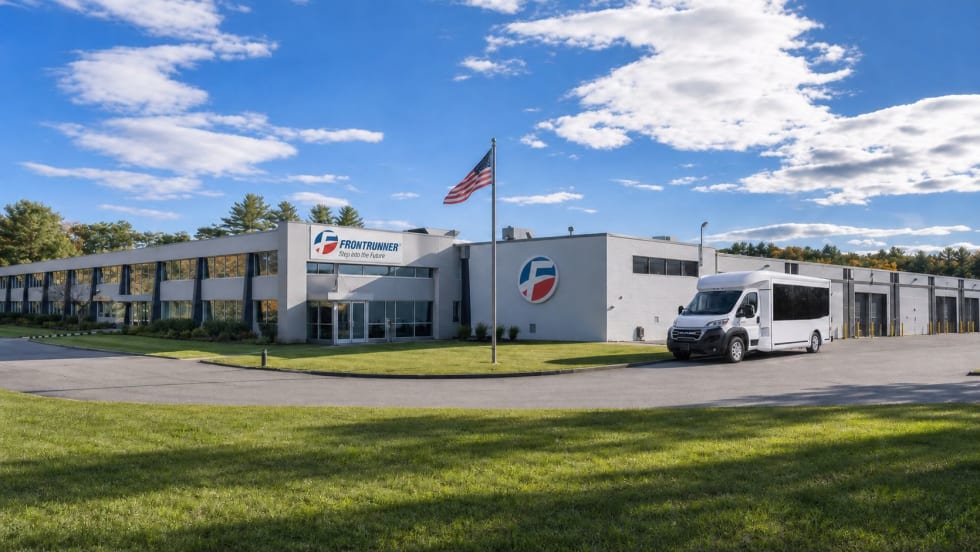
Frontrunner Bus Group Expands with New Massachusetts Headquarters
The significantly larger facility will provide the infrastructure needed to support the company’s growing workforce, advanced technologies, and expanding product line.
Read More →
Joshua Schank on Transportation Innovation, Risk, and the Future of Mobility
In this edition of METROspectives, Joshua Schank discusses lessons from launching LA Metro’s Office of Extraordinary Innovation, the challenges of advancing new mobility technologies, and much more.
Read More →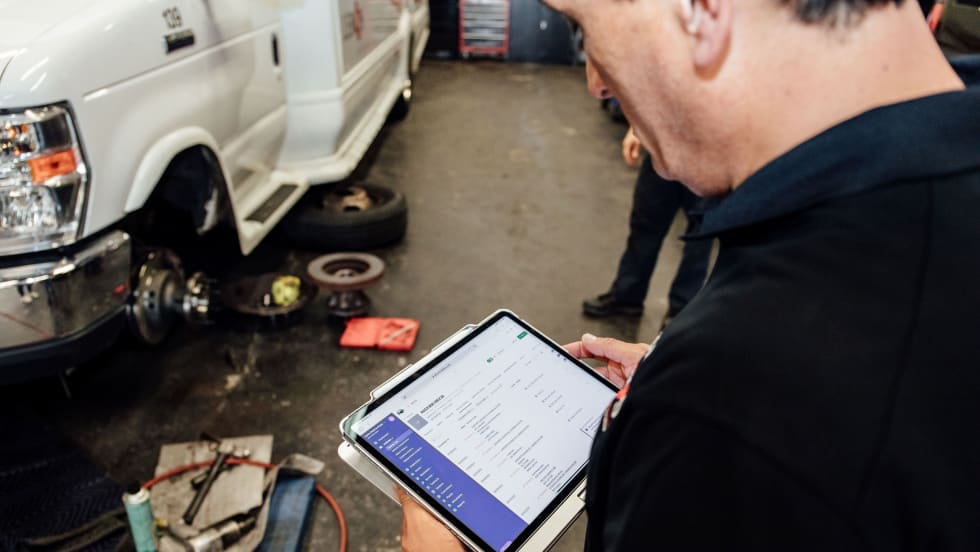
Reinventing Fleet Maintenance with Real-time Visibility and AI
Transit leaders need to know what needs fixing, where to look, who is responsible, when work is completed, and what it costs without having to chase information across disconnected systems.
Read More →
SamTrans Sets Priorities for Potential Connect Bay Area Revenue
The board-approved framework allocates future funding to maintaining service, rider improvements, equity initiatives, and infrastructure repairs.
Read More →
When Routine Fails: How Public Transit Must Adapt for the World Cup
The 2026 FIFA World Cup will test transit agencies’ ability to manage unpredictable travel patterns, making real-time data and operational flexibility critical to moving millions of visitors efficiently.
Read More →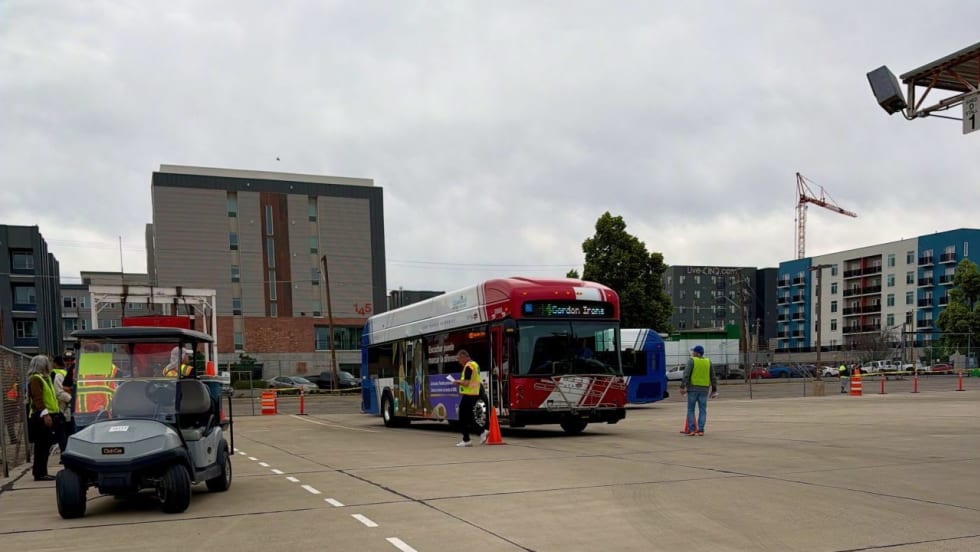
Photo Highlights from APTA's 2026 Mobility Conference
The photo gallery captures scenes from the conference, including the International Bus Roadeo, exhibit hall activities, the Bus Showcase, and much more.
Read More →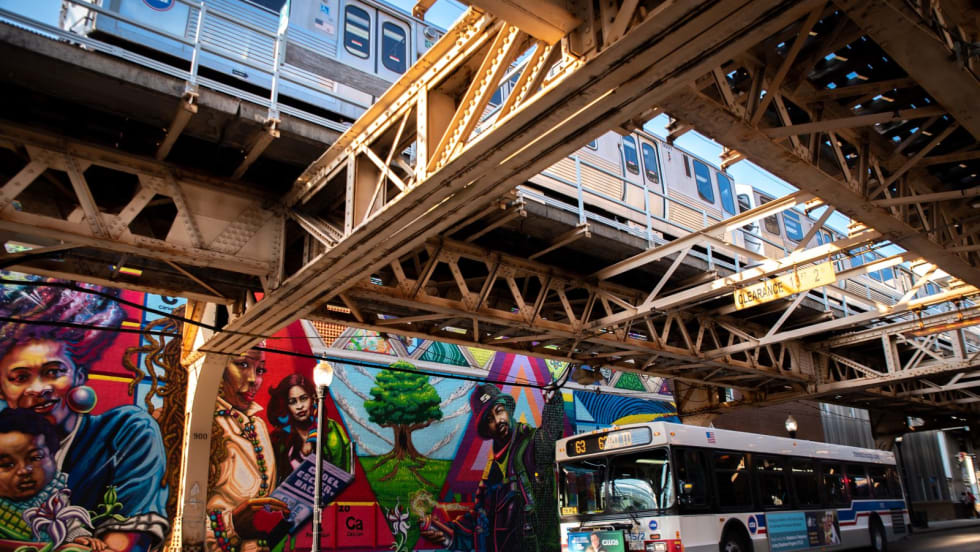
Chicago's NITA Act Moves Into Next Phase as Service Improvements Begin
Rider-focused improvements will begin rolling out across the system immediately as CTA, Metra, and Pace increase service this summer in the six-county region.
Read More →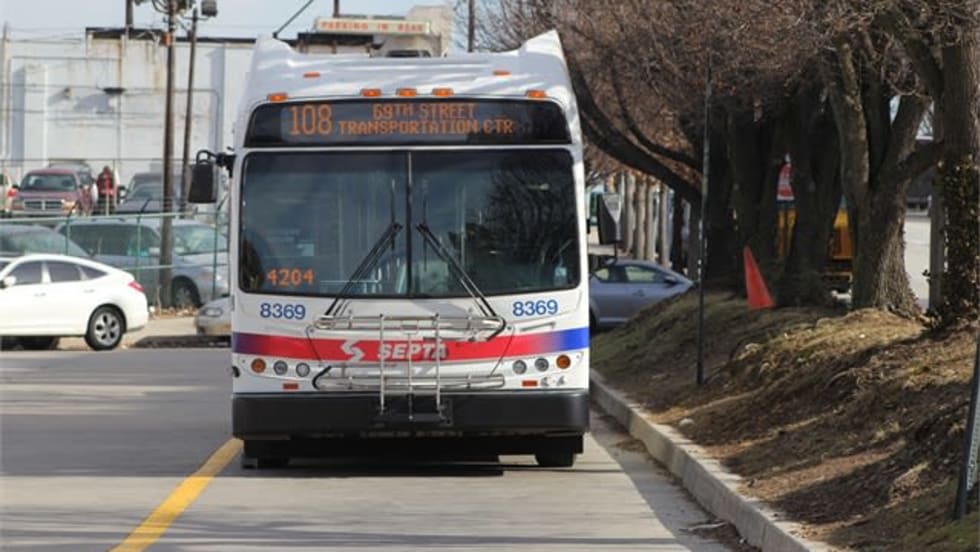
Philadelphia's SEPTA Approves Annual Transit Service Plan
Between 2021 and 2024, SEPTA held more than 200 public meetings — including 144 in-person sessions — throughout the SEPTA service region.
Read More →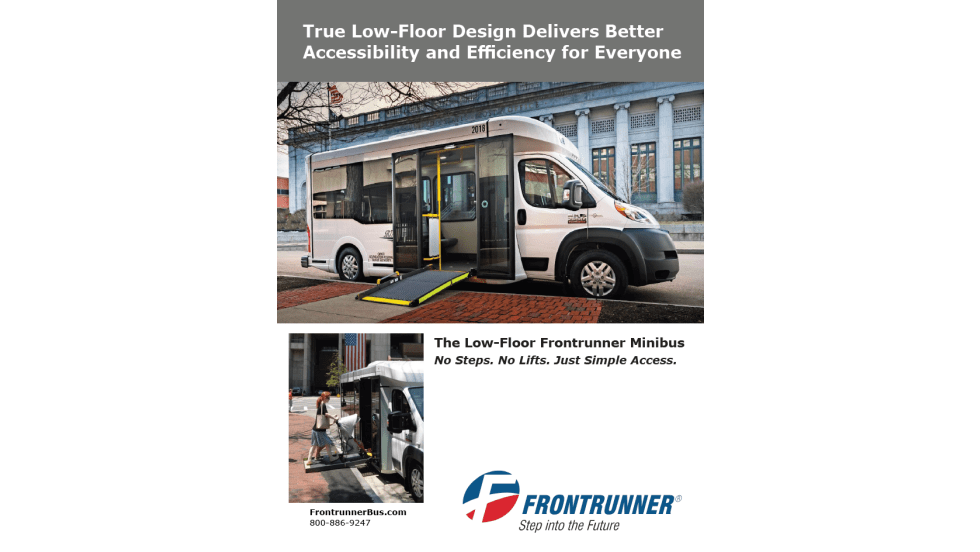
A True Low-Floor Minibus Design Delivers Better Accessibility and Efficiency for Everyone
As transit demands evolve, so should your fleet. Download the whitepaper to see how the Low-Floor Frontrunner Minibus compares to traditional options.
Read More →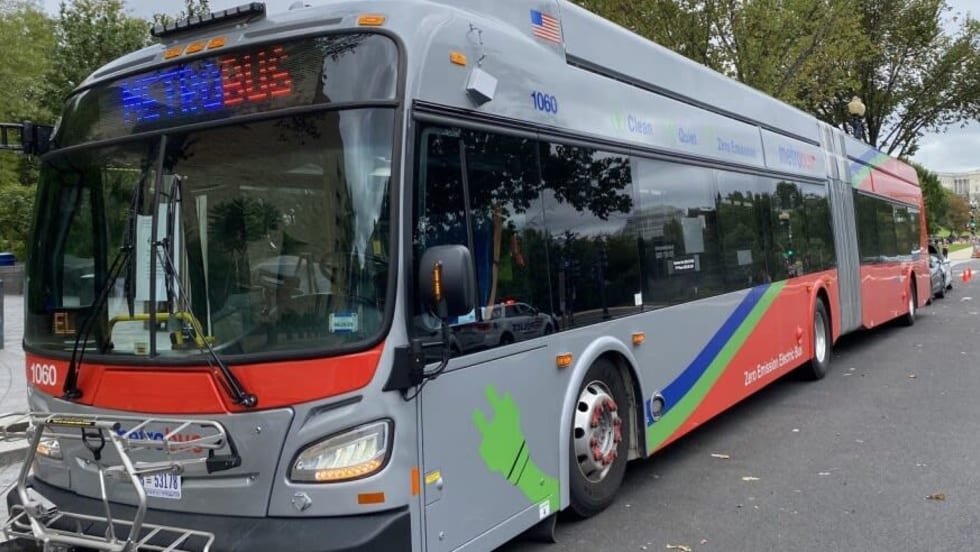
WMATA Debuts 'Fares Pay for Service' Awareness Campaign
The campaign was highlighted during a media event at the Paul S. Sarbanes Transit Center in Silver Spring, where WMATA’s GM/CEO Randy Clarke joined Metro Transit Police officers, WMATA management team, board members, and staff to expand fare enforcement and customer education efforts on Metro Bus routes throughout the region.
Read More →