



N.Y. MTA submits $65M claim for Irene storm losses
FEMA has so far approved a total of 59 project worksheets systemwide totaling $28M from losses due to flood and wind damage to the regional transit infrastructure related to Tropical Storm Irene, which hit the region on August 28, 2011.

The New York Metropolitan Transportation Authority (MTA) submitted its Federal Emergency Management Agency (FEMA) and insurance claims to recover the $65 million in losses it suffered due to flood and wind damage to the regional transit infrastructure related to Tropical Storm Irene, which hit the region in August 2011.
FEMA has so far approved a total of 59 project worksheets systemwide totaling $27.7 million covering multiple locations throughout the MTA service area. Each “project worksheet” was verified, including site visits and document reviews. Copies of contractors’ bids and contracts, audited payrolls including overtime payments, invoices for material procurement, project completion and more were included in the thousands of pages that were submitted to FEMA and more than 13 companies that insure the MTA.
“MTA employees in the field worked tirelessly, both to minimize damage in preparing for the storm and to make the repairs needed to restore service as quickly as possible,” said MTA Chairman/CEO Joseph J. Lhota.
Typically FEMA reimburses about 75% of approved costs. This recovery is expected to cover a significant portion of the MTA’s $25 million insurance deductible. The MTA is diligently working toward maximizing recovery from all sources.
The insurers are reviewing the claim and already have made a $5 million advanced payment.
Among the MTA’s operating agencies, Metro-North Railroad was worst hit with catastrophic washouts on the Port Jervis Line, where the raging Ramapo River flooded miles of track and left some dangling in mid-air when it receded. A series of mudslides on the Hudson Line, including one in Riverdale that required the long-term evacuation of an apartment building, also contributed to the claim.
Metro-North’s claim for losses is approximately $27 million of which $21 million is dedicated toward the West of Hudson. Metro-North repairs came in well below initial estimates made immediately after the storm and were completed expeditiously in just under three months.
New York City Transit’s claim for losses is approximately $22 million, including $8 million in overtime spent preparing for the storm. In addition, New York City Transit claimed $14 million in lost revenue when service was suspended for the first time ever.
Preparation for the storm included relocating the subway and bus fleets from flood-prone areas and securing assets along the tracks as well as at shops, yards and depots. In addition, the Department of Buses, in conjunction with NYC Office of Emergency Management, helped with the evacuation of residents in flood-prone areas. The final piece was testing and inspection of all right-of-way equipment and facilities prior to restoring service.
MTA Bridges and Tunnels lost nearly $9 million as a result of the storm, with the bulk of that due to revenue losses incurred through a large drop in traffic across all facilities. In addition, tolls were periodically suspended at several crossings to assist residents who were ordered or chose to evacuate, and the Rockaway bridges were closed for a period during the storm due to high winds.
Although felt less severely on Long Island, Tropical Storm Irene nonetheless required systemwide storm preparations and a massive after-storm clean-up at a significant cost to the Long Island Rail Road. The $5.7 million in damages includes the cost of the manpower mobilized for the event and the loss of revenue that resulted when the storm forced the LIRR to suspend service on its 11 branches beginning with a systemwide shutdown on August 27. Full service was not restored until three days later.
More Paratransit

King County Metro Makes ADA Paratransit Easier to Navigate
METRO's Innovative Solutions Award winner replaces complex service-area descriptions with an accessible, interactive map that puts paratransit information directly in customers’ hands.
Read More →
Jacksonville’s NAVI Project Charts a New Course for Autonomous Public Transportation
Through its NAVI program, JTA is showing how autonomous vehicles, intelligent infrastructure, and coordinated operations can work together to deliver everyday public transportation.
Read More →
Driving Smarter Paratransit
John Hanlon shares how AlphaRoute is leveraging AI-powered technology to help paratransit providers optimize operations, support frontline staff, and enhance the rider experience.
Read More →
METRO Magazine Announces 2026 Innovative Solutions Awards Winners
Projects Recognized for Advancing Mobility Through Technology, Accessibility, Workforce Innovation, and Operational Excellence
Read More →
Biz Briefs: STV teams with Amtrak, Motorcoach Operators Boost Fleet and Land Contracts, and More
From manufacturers and suppliers to transit agencies and motorcoach operators, these updates offer a snapshot of the projects, partnerships and business moves driving the industry forward.
Read More →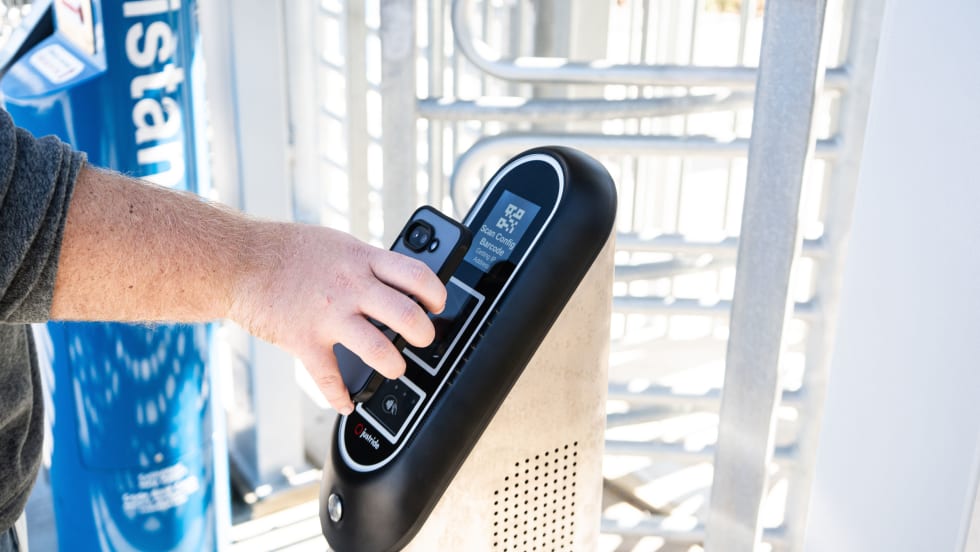
Biz Briefs: Masabi Teams with St. Louis Metro and More
In METRO's latest installment, we take a look at recent news from Transdev, Hitachi, and more partnerships making headlines across the transportation sector.
Read More →
New York MTA Leverages Zoning Program to Advance Station Accessibility
Accessibility enhancements at Nevins St Station will be financed through a development agreement tied to the MTA's Zoning for Accessibility initiative.
Read More →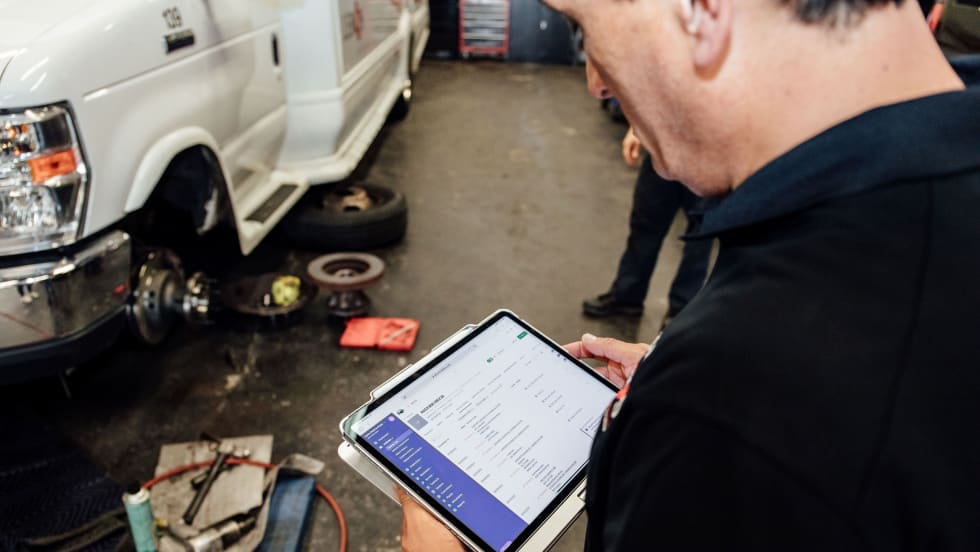
Reinventing Fleet Maintenance with Real-time Visibility and AI
Transit leaders need to know what needs fixing, where to look, who is responsible, when work is completed, and what it costs without having to chase information across disconnected systems.
Read More →
SamTrans Sets Priorities for Potential Connect Bay Area Revenue
The board-approved framework allocates future funding to maintaining service, rider improvements, equity initiatives, and infrastructure repairs.
Read More →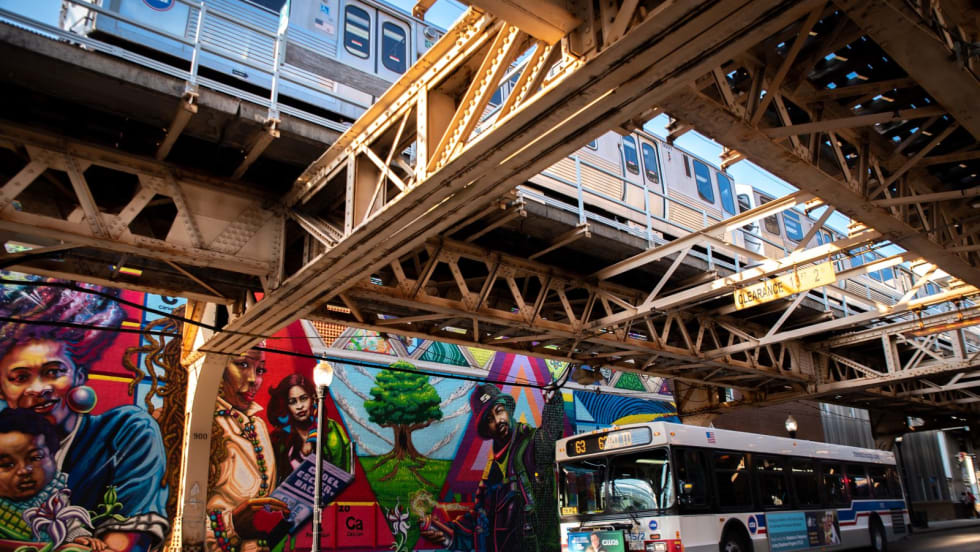
Chicago's NITA Act Moves Into Next Phase as Service Improvements Begin
Rider-focused improvements will begin rolling out across the system immediately as CTA, Metra, and Pace increase service this summer in the six-county region.
Read More →