



Study: Commuters go to great lengths to avoid sitting by strangers
The greatest unspoken rule of bus travel is that if other seats are available you shouldn’t sit next to someone else. As the passengers in the study claimed, “It makes you look weird."

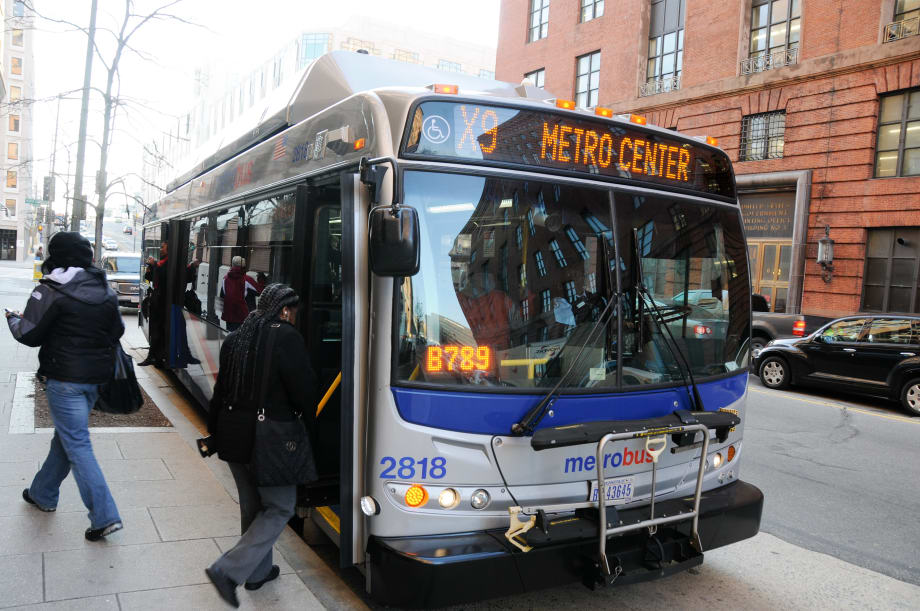
WMATA Photograph by Larry Levine.

You’re on the bus, and one of the only free seats is next to you. How, and why, do you stop another passenger sitting there? New research reveals the tactics commuters use to avoid each other, a practice the paper published in Symbolic Interaction describes as "nonsocial transient behavior."
The study was carried out by Esther Kim, from Yale University, who chalked up thousands of miles of bus travel to examine the unspoken rules and behaviors of commuters.
Over three years Kim took coach trips across the U.S. Kim’s first trip, between Connecticut and New Mexico, took two days and 17 hours, and this was followed by further adventures from California to Illinois, Colorado to New York, and Texas to Nevada.
“We live in a world of strangers, where life in public spaces feels increasingly anonymous,” said Kim. “However, avoiding other people actually requires quite a lot of effort and this is especially true in confined spaces like public transport.”
Kim found that the greatest unspoken rule of bus travel is that if other seats are available you shouldn’t sit next to someone else. As the passengers claimed, “It makes you look weird.” When all the rows are filled and more passengers are getting aboard the seated passengers initiate a performance to strategically avoid anyone sitting next to them.
“I became what’s known as an experienced traveler and I jotted down many of the different methods people use to avoid sitting next to someone else,” said Kim. “We engage in all sorts of behavior to avoid others, pretending to be busy, checking phones, rummaging through bags, looking past people or falling asleep. Sometimes we even don a ‘don’t bother me face’ or what’s known as the ‘hate stare.’”
The best advice from Kim’s fellow passengers was:
• Avoid eye contact with other people.
• Lean against the window and stretch out your legs.
• Place a large bag on the empty seat.
• Sit on the aisle seat and turn on your iPod so you can pretend you can’t hear people asking for the window seat.
• Place several items on the spare seat so it’s not worth the passenger’s time waiting for you to move them.
• Look out the window with a blank stare to look crazy.
• Pretend to be asleep.
• Put your coat on the seat to make it appear already taken.
• If all else fails, lie and say the seat has been taken by someone else.
“This all changes however when it is announced that the bus will be full so all seats should be made available,” Kim observed. “The objective changes, from sitting alone to sitting next to a ‘normal’ person.”
Kim found that race, class, gender and other background characteristics were not key concerns for commuters when they discovered someone had to sit next them. They all just wanted to avoid the "crazy person."
Kim found that this nonsocial behavior is also driven by safety concerns, especially for coach travel, which is perceived to be dangerous with ill-lit bus stations. Kim also found that passengers expected each other to be jaded by delays or other inconveniences.
“In a cafe, which is more relaxed, people often ask strangers to watch their stuff for a moment,” said Kim. “Yet at bus stations that rarely happens as people assume their fellow passengers will be tired and stressed out.”
“Ultimately this nonsocial behavior is due to the many frustrations of sharing a small public space together for a lengthy amount of time,” concluded Kim. “Yet this deliberate disengagement is a calculated social action, which is part of a wider culture of social isolation in public spaces.”
More Bus
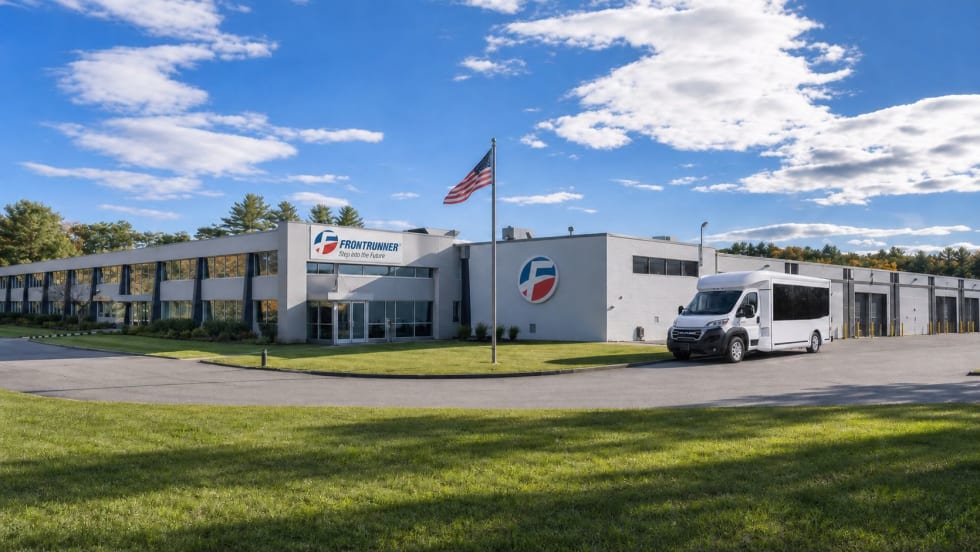
Frontrunner Bus Group Expands with New Massachusetts Headquarters
The significantly larger facility will provide the infrastructure needed to support the company’s growing workforce, advanced technologies, and expanding product line.
Read More →
Joshua Schank on Transportation Innovation, Risk, and the Future of Mobility
In this edition of METROspectives, Joshua Schank discusses lessons from launching LA Metro’s Office of Extraordinary Innovation, the challenges of advancing new mobility technologies, and much more.
Read More →
Reinventing Fleet Maintenance with Real-time Visibility and AI
Transit leaders need to know what needs fixing, where to look, who is responsible, when work is completed, and what it costs without having to chase information across disconnected systems.
Read More →
SamTrans Sets Priorities for Potential Connect Bay Area Revenue
The board-approved framework allocates future funding to maintaining service, rider improvements, equity initiatives, and infrastructure repairs.
Read More →
When Routine Fails: How Public Transit Must Adapt for the World Cup
The 2026 FIFA World Cup will test transit agencies’ ability to manage unpredictable travel patterns, making real-time data and operational flexibility critical to moving millions of visitors efficiently.
Read More →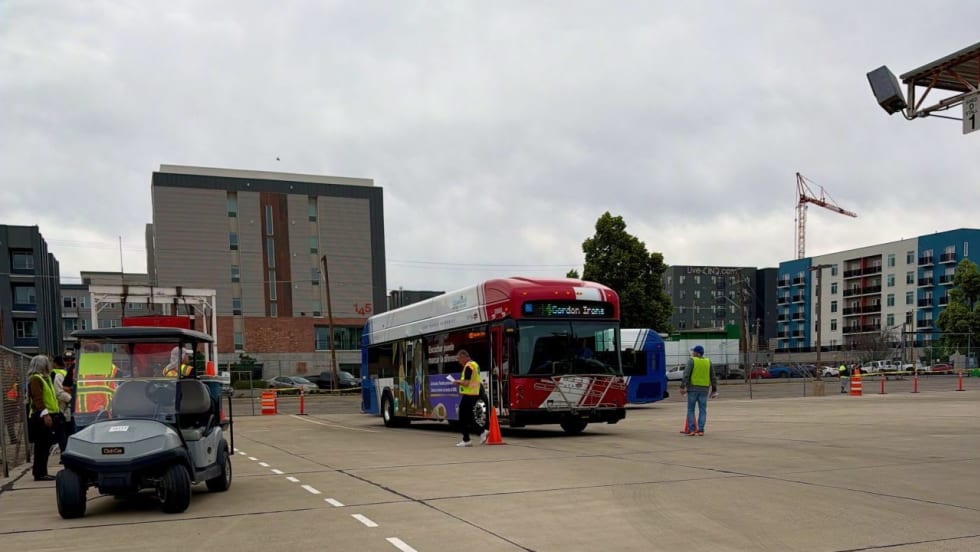
Photo Highlights from APTA's 2026 Mobility Conference
The photo gallery captures scenes from the conference, including the International Bus Roadeo, exhibit hall activities, the Bus Showcase, and much more.
Read More →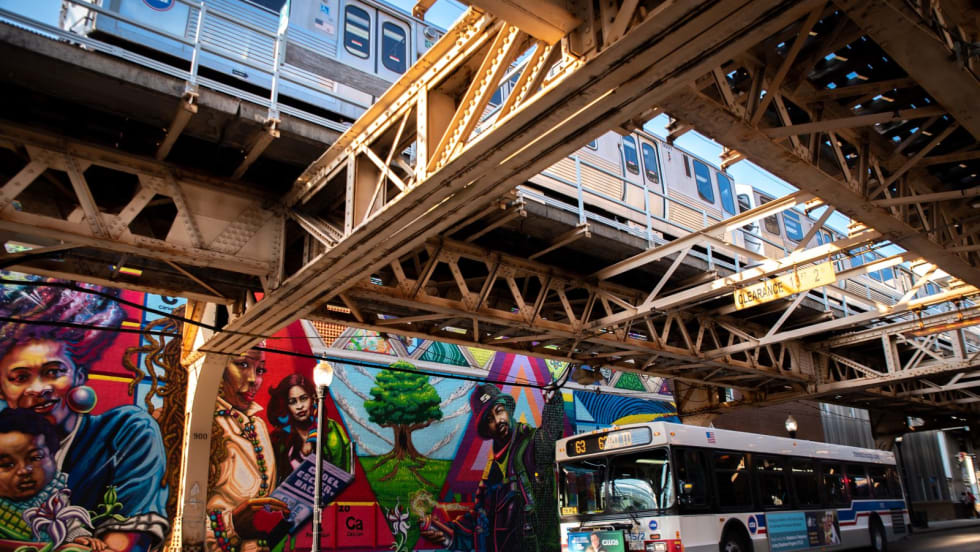
Chicago's NITA Act Moves Into Next Phase as Service Improvements Begin
Rider-focused improvements will begin rolling out across the system immediately as CTA, Metra, and Pace increase service this summer in the six-county region.
Read More →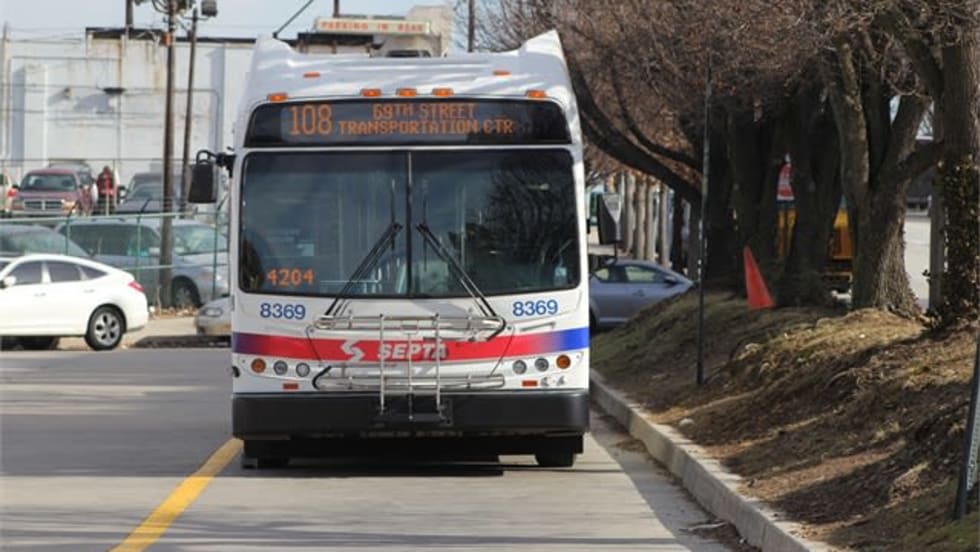
Philadelphia's SEPTA Approves Annual Transit Service Plan
Between 2021 and 2024, SEPTA held more than 200 public meetings — including 144 in-person sessions — throughout the SEPTA service region.
Read More →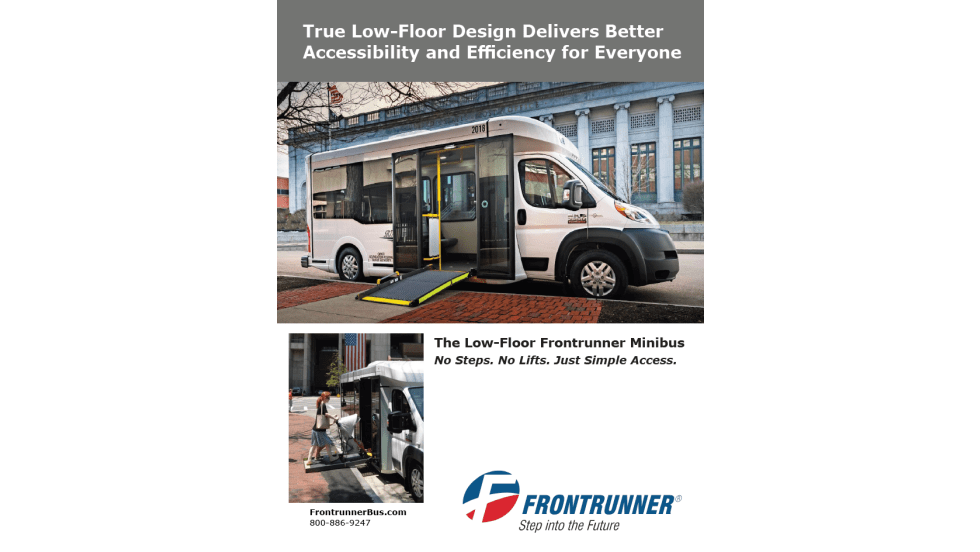
A True Low-Floor Minibus Design Delivers Better Accessibility and Efficiency for Everyone
As transit demands evolve, so should your fleet. Download the whitepaper to see how the Low-Floor Frontrunner Minibus compares to traditional options.
Read More →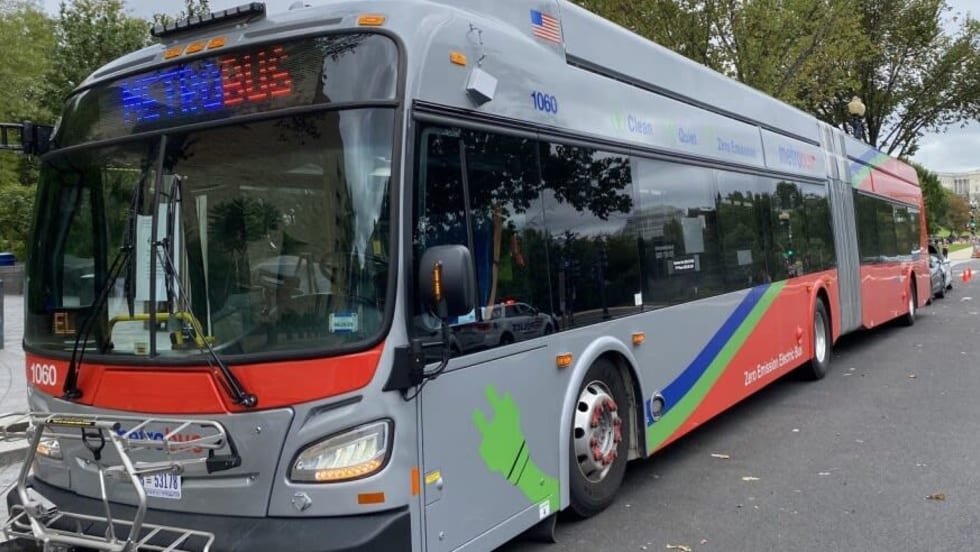
WMATA Debuts 'Fares Pay for Service' Awareness Campaign
The campaign was highlighted during a media event at the Paul S. Sarbanes Transit Center in Silver Spring, where WMATA’s GM/CEO Randy Clarke joined Metro Transit Police officers, WMATA management team, board members, and staff to expand fare enforcement and customer education efforts on Metro Bus routes throughout the region.
Read More →