



D.C. Metro completes 5 NTSB recs
Outstanding safety recommendations included, enhance the safety redundancy of [Metro’s] train control system by evaluating track occupancy data on a real-time basis and Implementing cable insulation resistance testing as part of Metrorail’s periodic maintenance program.

The National Transportation Safety Board (NTSB) closed five of the Washington Metropolitan Area Transit Authority's (Metro) outstanding safety recommendations.
“I am encouraged by this progress and want to commend Metro’s leadership for their hard work to make the system safer,” said Board Safety Committee Chair Mort Downey.
Of 22 remaining NTSB recommendations, Metro has submitted 12 for closure. Of those 12, the NTSB responded to four declaring them as “open — acceptable response(s),” meaning they will remain open pending submission of additional documentation. Metro is working to provide this information in the near future. Eight submittals are still under NTSB review.
“That leaves 10 recommendations to address,” said Metro GM/CEO Richard Sarles. “Within the next month or so, Metro will submit three additional recommendations for closure. And we are working to achieve closure for the remaining seven.”
Downey noted that some of the recommendations would take time, such as the replacement of the 1000-series Rohr railcars. The 1000-series cars will be replaced with new new Kawasaki 7000-series cars, which are currently going through a final design process.
The five recommendations closed by NTSB are:
1. Safety Recommendation R-09-6: Take action to enhance the safety redundancy of [Metro’s] train control system by evaluating track occupancy data on a real-time basis in order to detect losses in track occupancy and automatically generate alerts. Alerts should prompt actions that include immediately stopping train movements or implementing appropriate speed restrictions to prevent collisions.
2. Safety Recommendation R-10-8: Because of the susceptibility to pulse-type parasitic oscillation that can cause a loss of train detection by the Generation 2 General Railway Signal Company audio frequency track circuit modules, establish a program to permanently remove from service all of these modules within the Metrorail system.
3. Safety Recommendation R-10-14: Implement cable insulation resistance testing recommended as part of Metrorail’s periodic maintenance program.
4. Safety Recommendation R-10-15: Work with the Tri-State Oversight Committee to satisfactorily address the recommendations contained in the Federal Transit Administration’s March 4, 2010, final report of its audit of the Tri-State Oversight Committee and the Washington Metropolitan Area Transit Authority.
5. Safety Recommendation R-10-18: Review the Hazard Identification and Resolution Matrix process in your system safety program plan to ensure that safety-critical systems such as the automatic train control system and its subsystem components are assigned appropriate levels of risk in light of the issues identified in [the Fort Totten] accident.
More Rail

The Invisible Infrastructure of Passenger Flow
What a seat reservation system on Austria’s Railjet trains reveals about the future of rider experience, and why U.S. agencies should pay attention.
Read More →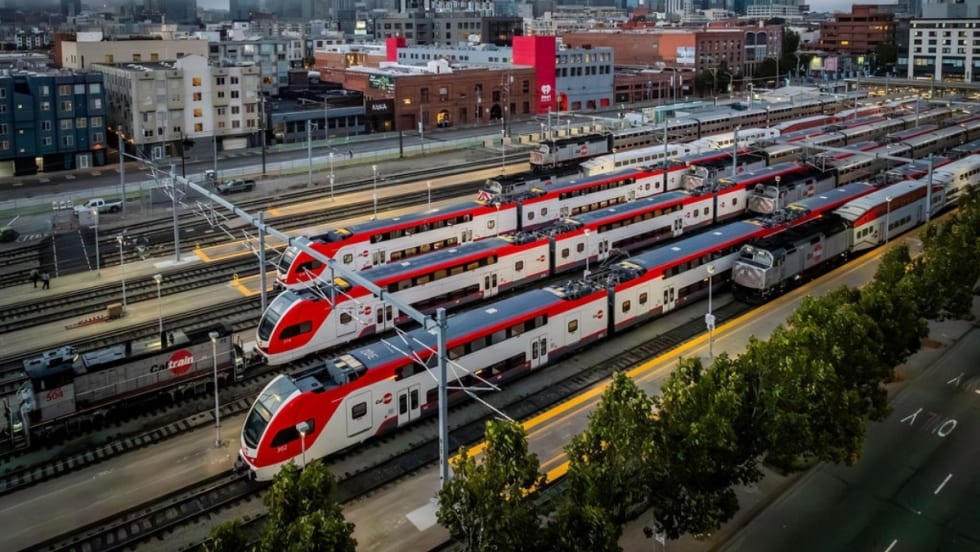
Caltrain Board Approves FY27 Budget, Endorses Efficiency Measures
The move ensures Caltrain service will continue operating as usual in the near term, but long-term financial challenges remain for the rail agency absent a new revenue source.
Read More →
Alstom Acquires Delaware Site to Support Amtrak NextGen Acela Fleet
The company is investing more than $55 million to acquire and improve the property and will employ approximately 100 people at this site once it is operational.
Read More →
When Routine Fails: How Public Transit Must Adapt for the World Cup
The 2026 FIFA World Cup will test transit agencies’ ability to manage unpredictable travel patterns, making real-time data and operational flexibility critical to moving millions of visitors efficiently.
Read More →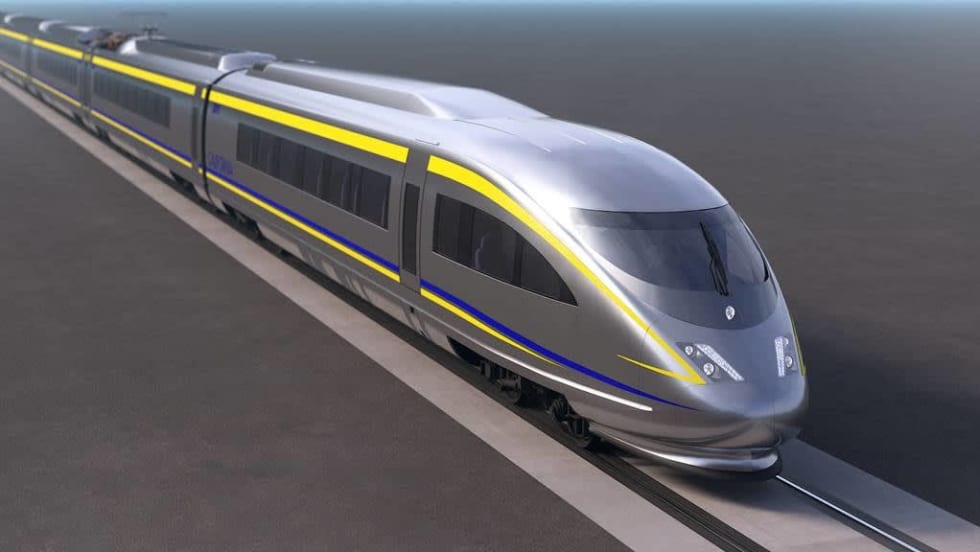
California Selects Team for Nation’s First True High-Speed Rail Track and Systems Contract
The board action follows completion of track installation at the 150-acre southern railhead in Kern County, which will serve as the staging and distribution hub for high-speed track and systems installation.
Read More →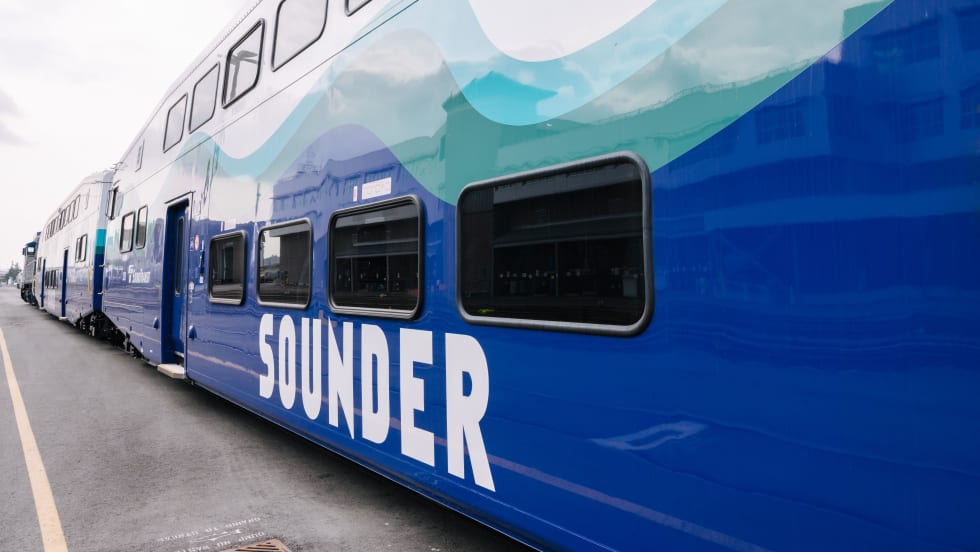
Seattle's Sound Transit Launches New Sounder Railcars into Service
Alstom manufactured all the cars under a $46.5 million contract and came into service in anticipation of summer crowds for soccer and baseball.
Read More →
Alstom Partners With Universities to Build Rail Talent Pipeline
The partnerships include a new engineering scholarship fund at Alfred State College in Western New York and collaborations with transportation centers at the University of Pennsylvania and New York University.
Read More →
Chicago's NITA Act Moves Into Next Phase as Service Improvements Begin
Rider-focused improvements will begin rolling out across the system immediately as CTA, Metra, and Pace increase service this summer in the six-county region.
Read More →
Seattle’s Sound Transit Adopts Updated ST3 System Plan
The updated system plan incorporates cost savings across the agency, including new revenue sources and financial policies, to set the agency on a sustainable path for the future.
Read More →
Inside Look: EMBARK Expands Fare-Free Transit Program Through New Public-Private Partnership
The OKC transit agency says sponsorship helps subsidize the Third Friday Free initiative while reducing barriers for first-time riders and boosting ridership across buses, streetcars, and river cruises.
Read More →