



D.C. Metro grows projects investment by $160M
The aggressive capital program, known as Metro Forward, includes projects to replace 95 buses; rehabilitate 100 buses, 42 escalators and 21 elevators; install event recorders on the 1000- and 4000-series railcars, and continue the rehabilitation of track and structures maintenance on the Red, Orange and Blue lines.

Washington Metropolitan Area Transit Authority’s (Metro) investment in projects to rebuild and modernize its railroad, trains, stations and buses grew by 26% to $770 million in FY2012, an increase of nearly $160 million, and is on track to continue ramping up to nearly a billion dollars this year, following years of underinvestment in maintaining the system.
In a presentation to the Metro Board Finance & Administration Committee, Metro staff will provide a detailed update on progress to rebuild the system.
“What these charts and graphs tell us is that customers are starting to benefit from more reliable service with a newer fleet of vehicles, and upgraded track and track components. These investments are also starting to deliver more reliable escalators and elevators following extensive modernization and replacement projects,” said Marcel Acosta, chair of the Board Finance & Administration Committee.
The fiscal year 2013 capital budget accelerates efforts to rebuild Metro. In the coming weeks, Metro will open the new Shepherd Parkway bus facility in Southwest Washington, D.C., and reopen the south entrance of the Dupont Circle station upon completion of the entrance escalator replacement project.
“Most importantly, we are making significant progress addressing federal safety recommendations and improving reliability by upgrading and replacing thousands of moving parts that make the system work,” said Metro GM and CEO Richard Sarles.
For example, during the year, Metro welded 1,229 joints, rehabilitated 1,445 linear feet of floating slabs and replaced 2,679 rail signs, 12 miles of running rail, and 21,336 cross ties.
The aggressive capital program, known as Metro Forward, includes projects to replace 95 buses; rehabilitate 100 buses, 42 escalators and 21 elevators; install event recorders on the 1000- and 4000-series railcars, and continue the rehabilitation of track and structures maintenance on the Red, Orange and Blue lines.
The report includes significant accomplishments over the last year, including:
• Rehabilitation of 36 escalators throughout the system
• Replacement of three escalators at Foggy Bottom station
• Rehabilitation of four elevators
• Acquisition of 166 new Metrobuses to replace older buses that have been removed from service
• Rehabilitation of 100 buses in midlife overhaul program
• Acquisition of 213 new paratransit vehicles
Metro’s aggressive schedule of work to rebuild the system over the past two years and proposed work schedule for the next several years will enable the transit system to catch up on maintenance projects including replacing ties, fasteners, frogs and running rail. Clearing the backlog on such maintenance projects caused by years of underinvestment will enable Metro to achieve a steady state of maintenance on the rail system by 2018, resulting in a safer, more reliable ride for customers.
In fiscal 2012 Metro also continued to advance critical work to meet NTSB recommendations, including the completion of a key recommendation to install Guarded #8 rail switches. Between 2008 and 2012, Metro installed 108 of the recommended 178 Guarded #8 switches, including 64 over the past two years. In addition, Metro moved ahead with the 7000-series rail car project to replace the 1000-series fleet, and continued work on track circuit and power cable replacement.
More Bus
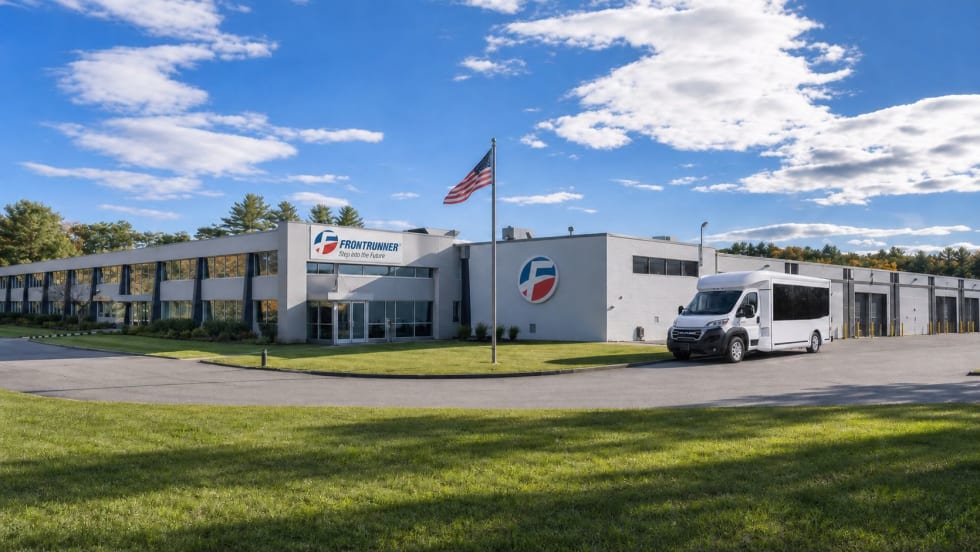
Frontrunner Bus Group Expands with New Massachusetts Headquarters
The significantly larger facility will provide the infrastructure needed to support the company’s growing workforce, advanced technologies, and expanding product line.
Read More →
Joshua Schank on Transportation Innovation, Risk, and the Future of Mobility
In this edition of METROspectives, Joshua Schank discusses lessons from launching LA Metro’s Office of Extraordinary Innovation, the challenges of advancing new mobility technologies, and much more.
Read More →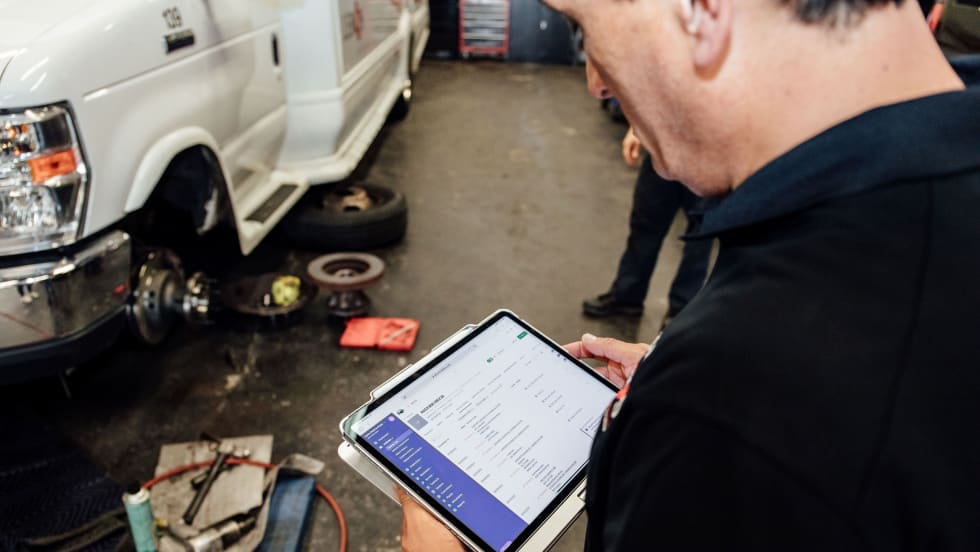
Reinventing Fleet Maintenance with Real-time Visibility and AI
Transit leaders need to know what needs fixing, where to look, who is responsible, when work is completed, and what it costs without having to chase information across disconnected systems.
Read More →
SamTrans Sets Priorities for Potential Connect Bay Area Revenue
The board-approved framework allocates future funding to maintaining service, rider improvements, equity initiatives, and infrastructure repairs.
Read More →
When Routine Fails: How Public Transit Must Adapt for the World Cup
The 2026 FIFA World Cup will test transit agencies’ ability to manage unpredictable travel patterns, making real-time data and operational flexibility critical to moving millions of visitors efficiently.
Read More →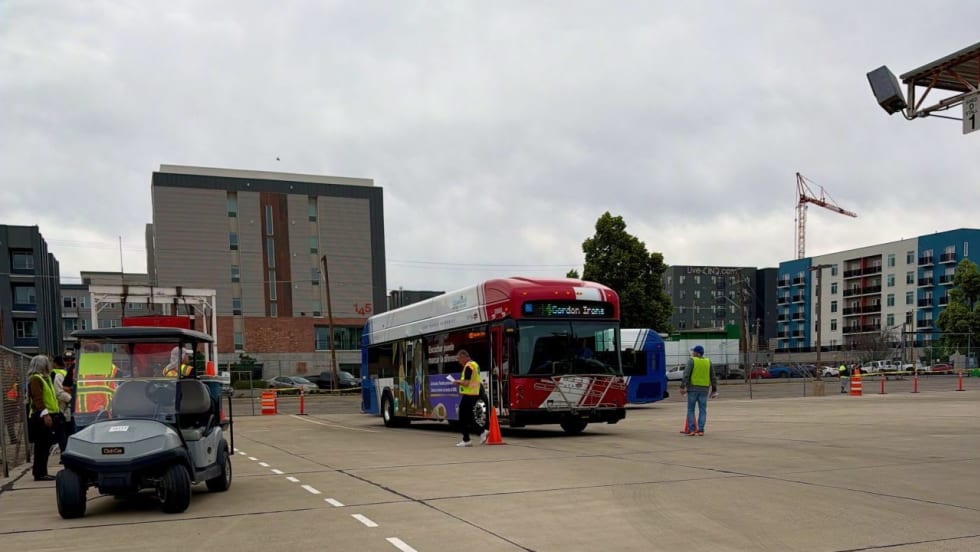
Photo Highlights from APTA's 2026 Mobility Conference
The photo gallery captures scenes from the conference, including the International Bus Roadeo, exhibit hall activities, the Bus Showcase, and much more.
Read More →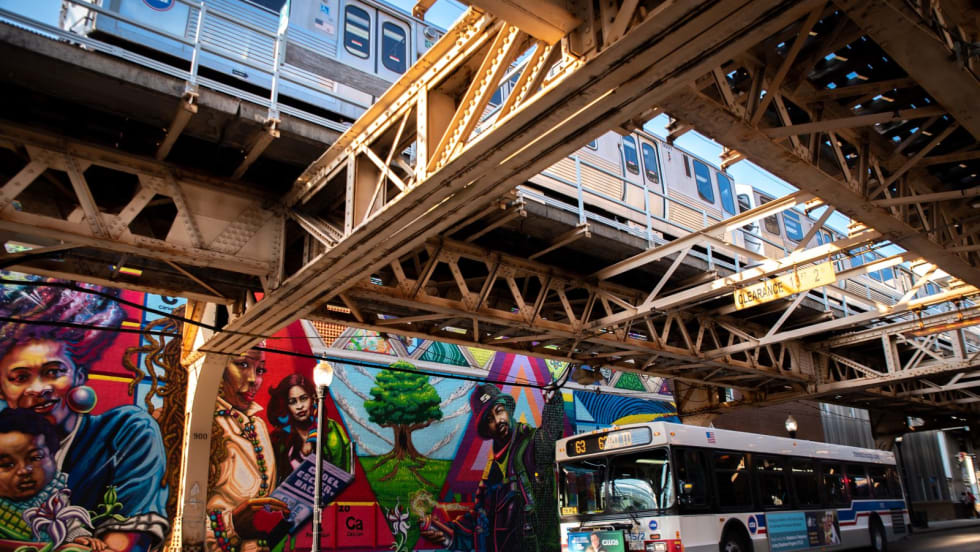
Chicago's NITA Act Moves Into Next Phase as Service Improvements Begin
Rider-focused improvements will begin rolling out across the system immediately as CTA, Metra, and Pace increase service this summer in the six-county region.
Read More →
Philadelphia's SEPTA Approves Annual Transit Service Plan
Between 2021 and 2024, SEPTA held more than 200 public meetings — including 144 in-person sessions — throughout the SEPTA service region.
Read More →
A True Low-Floor Minibus Design Delivers Better Accessibility and Efficiency for Everyone
As transit demands evolve, so should your fleet. Download the whitepaper to see how the Low-Floor Frontrunner Minibus compares to traditional options.
Read More →
WMATA Debuts 'Fares Pay for Service' Awareness Campaign
The campaign was highlighted during a media event at the Paul S. Sarbanes Transit Center in Silver Spring, where WMATA’s GM/CEO Randy Clarke joined Metro Transit Police officers, WMATA management team, board members, and staff to expand fare enforcement and customer education efforts on Metro Bus routes throughout the region.
Read More →