



FTA grants San Francisco $942M for light rail
The first phase of the T-Third Street light rail line went into service in 2007. Once the extension opens, the projected ridership along the entire 6.8-mile T-Third line is estimated to be 43,700 daily boardings per weekday, the highest ridership in the system.

U.S. Transportation Secretary Ray LaHood announced an agreement to provide $942.2 million from the Federal Transit Administration (FTA) to extend San Francisco’s Third Street light rail system through the city’s busy Chinatown neighborhood, bringing light rail back to the heavily transit-dependent Third Street corridor for the first time in 50 years.
The new T-Third Light Rail extension, part of the San Francisco Municipal Transportation Agency’s (MTA) Central Subway project, will run from the downtown business district north to Chinatown along one of the city’s most heavily-traveled corridors. Once completed, it will improve transit options between the Financial District and Union Square, while connecting Chinatown with existing Bay Area Rapid Transit District (BART) rail service, Caltrain and other transportation services.
The project construction is expected to create about 1,000 jobs by the end of this year, with many more jobs to follow as tunnel construction gets under way in 2013, according to the MTA.
Federal funding for the project is provided to the San Francisco MTA through FTA’s Capital Investment Program (New Starts). The $1.6 billion project will extend Muni light rail service by 1.7 miles of the T-Third line from the 4th Street Caltrain Station to Chinatown and includes construction of four new stations, three of them underground.
The first phase of the T-Third Street light rail line went into service in 2007. Once the extension opens, the projected ridership along the entire 6.8-mile T-Third line is estimated to be 43,700 daily boardings per weekday, the highest ridership in the system.
More Rail

The Invisible Infrastructure of Passenger Flow
What a seat reservation system on Austria’s Railjet trains reveals about the future of rider experience, and why U.S. agencies should pay attention.
Read More →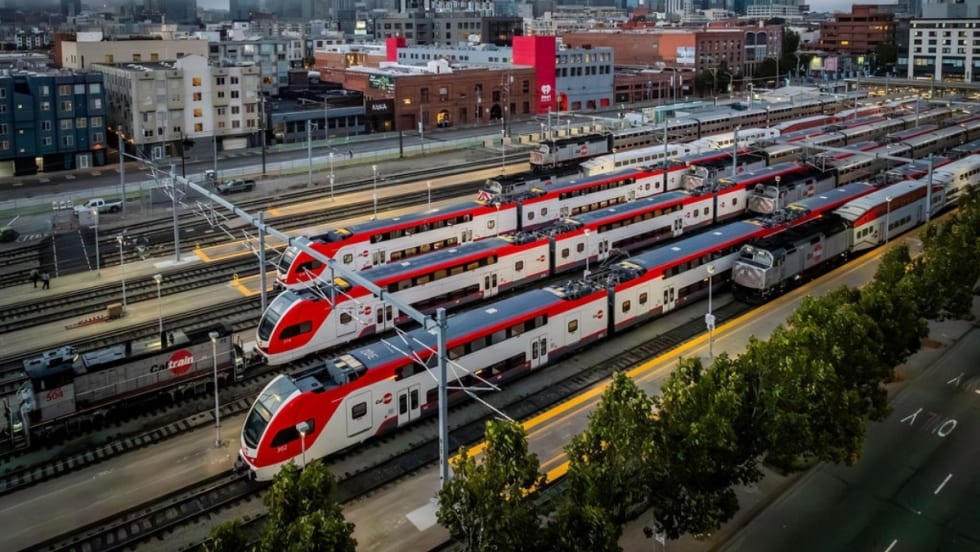
Caltrain Board Approves FY27 Budget, Endorses Efficiency Measures
The move ensures Caltrain service will continue operating as usual in the near term, but long-term financial challenges remain for the rail agency absent a new revenue source.
Read More →
Alstom Acquires Delaware Site to Support Amtrak NextGen Acela Fleet
The company is investing more than $55 million to acquire and improve the property and will employ approximately 100 people at this site once it is operational.
Read More →
When Routine Fails: How Public Transit Must Adapt for the World Cup
The 2026 FIFA World Cup will test transit agencies’ ability to manage unpredictable travel patterns, making real-time data and operational flexibility critical to moving millions of visitors efficiently.
Read More →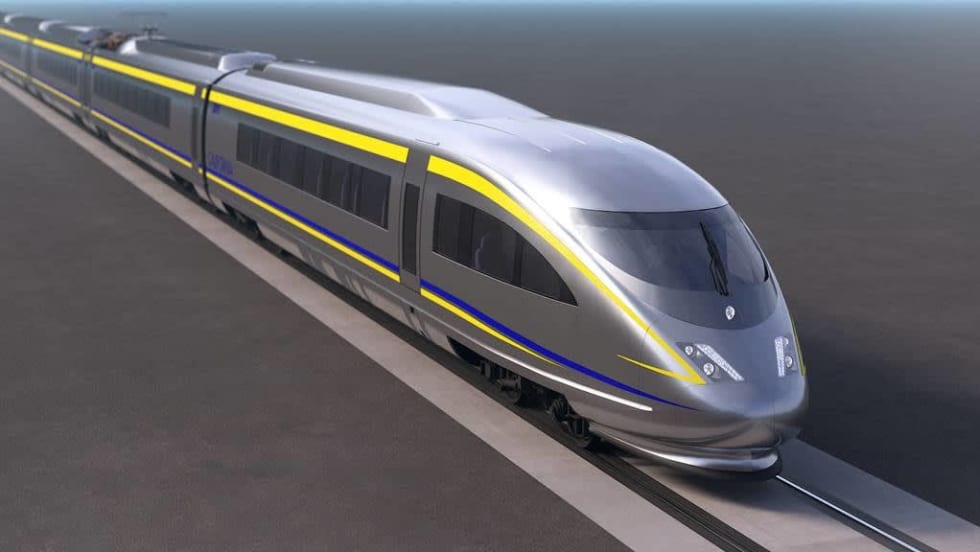
California Selects Team for Nation’s First True High-Speed Rail Track and Systems Contract
The board action follows completion of track installation at the 150-acre southern railhead in Kern County, which will serve as the staging and distribution hub for high-speed track and systems installation.
Read More →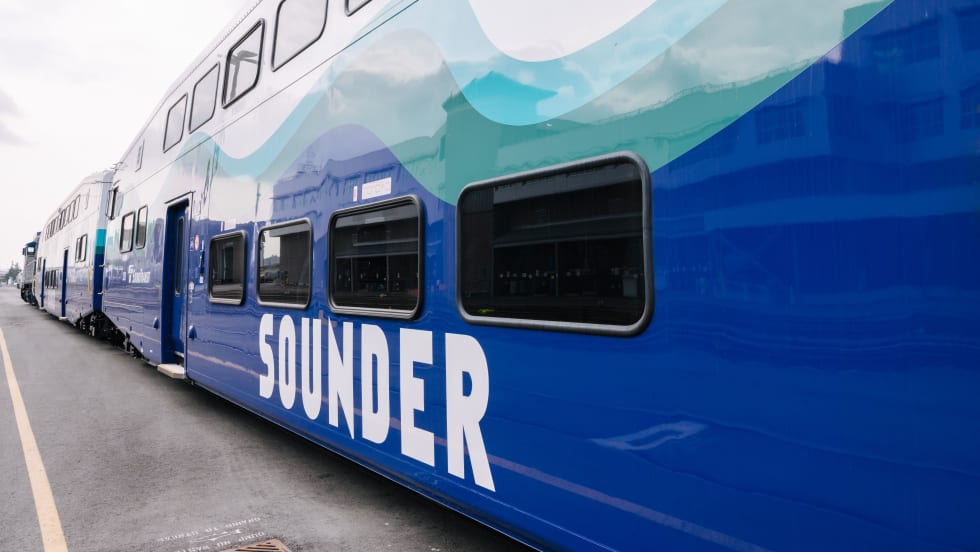
Seattle's Sound Transit Launches New Sounder Railcars into Service
Alstom manufactured all the cars under a $46.5 million contract and came into service in anticipation of summer crowds for soccer and baseball.
Read More →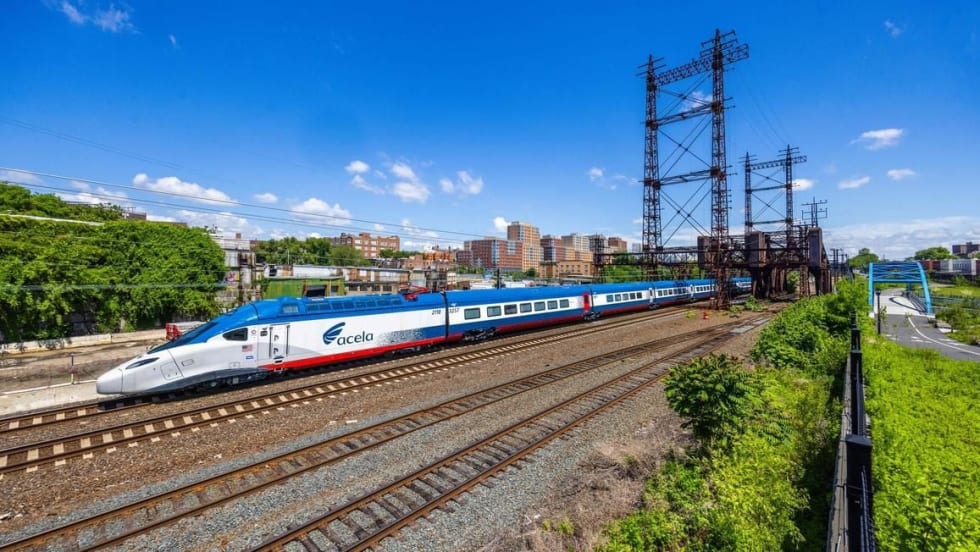
Alstom Partners With Universities to Build Rail Talent Pipeline
The partnerships include a new engineering scholarship fund at Alfred State College in Western New York and collaborations with transportation centers at the University of Pennsylvania and New York University.
Read More →
Chicago's NITA Act Moves Into Next Phase as Service Improvements Begin
Rider-focused improvements will begin rolling out across the system immediately as CTA, Metra, and Pace increase service this summer in the six-county region.
Read More →
Seattle’s Sound Transit Adopts Updated ST3 System Plan
The updated system plan incorporates cost savings across the agency, including new revenue sources and financial policies, to set the agency on a sustainable path for the future.
Read More →
Inside Look: EMBARK Expands Fare-Free Transit Program Through New Public-Private Partnership
The OKC transit agency says sponsorship helps subsidize the Third Friday Free initiative while reducing barriers for first-time riders and boosting ridership across buses, streetcars, and river cruises.
Read More →