



LIRR expands station waiting room hours
The 41 stations will have their waiting room hours extended until 10 PM in the evening on weekdays. LIRR station waiting rooms typically open between 5 AM and 6 AM on weekdays. Prior to the pilot, most station waiting rooms closed by mid-afternoon.

The MTA Long Island Rail Road (LIRR) launched a pilot program to extend the waiting room hours at 41 stations as part of its ongoing effort to improve customer service. The move was prompted in response to concerns raised by LIRR Commuter Council, which pressed for later afternoon and evening access to station facilities on behalf of customers.
The 41 stations will have their waiting room hours extended until 10 PM in the evening on weekdays. LIRR station waiting rooms typically open between 5 AM and 6 AM on weekdays. Prior to the pilot, most station waiting rooms closed by mid-afternoon.
“By expanding the waiting room hours in this pilot program, we are looking to provide an added level of customer service, said LIRR president Helena Williams. "We realize that our customers are traveling our system at all hours of the day. By making the waiting rooms available for greater periods, customers have the convenience of waiting for trains out of the elements. We’ve been working closely with the LIRR Commuter Council on this issue and we appreciate their input.”
Earlier this year in a pilot program, the LIRR extended waiting room hours until 10 PM on weekdays at 20 stations. The LIRR closely monitored conditions at these stations and determined that the extended hours did not result in significant additional cleaning or vandalism issues, allowing the pilot to be expanded.
The LIRR is now expanding this pilot program to include an additional 21 stations — bringing the total number of stations to 41. The LIRR will carefully monitor and assess the impact of extending the waiting room hours as the pilot program enters its second phase, and may modify or end the program at particular stations, if circumstances warrant, according to transit officials.
All station waiting rooms involved in the pilot program (with the exception of Ronkonkoma) have automated locks to open and close the waiting room doors. As is currently the practice at waiting rooms with automated locks, approximately five minutes prior to the scheduled closing time, an automated announcement is made in the waiting room to alert occupants that the doors will be locking to allow sufficient time to exit. Detectors within the waiting rooms alert the LIRR’s security department if someone remains in the waiting room once the doors are locked.
More Rail

CSA Group Releases Climate Resilience Standard for Transit, Passenger Rail
Developed with support from the Standards Council of Canada, CSA D700 guides assessing climate-related risks and planning adaptation measures for transit and passenger rail systems.
Read More →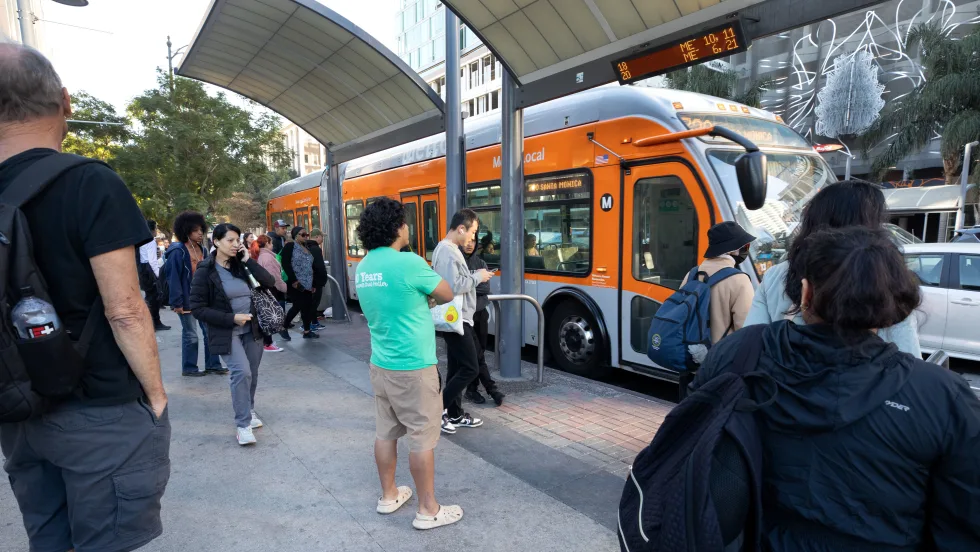
LA Metro September Ridership Climbs 3.9%, Led by Rail Growth
The agency recorded more than 27.2 million boardings, with rail ridership increasing 12.4% year over year and the D Line posting the largest gains.
Read More →
First Full MetroLink Rail Expansion Completed in 20 Years with $192M Airport Project
The project links two St. Louis-area airports by light rail while adding roadway and bike trail connections to improve regional access and mobility.
Read More →
Utilimarc Launches SmartReplace to Optimize Fleet Replacement Decisions
AI-powered SmartReplace helps fleets prioritize vehicle replacements, model budget scenarios, and build more defensible long-term strategies.
Read More →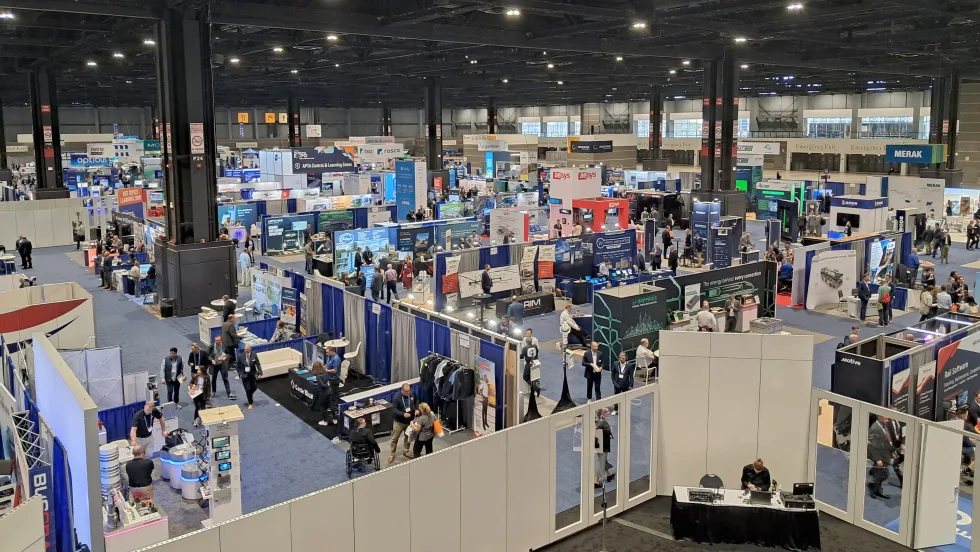
Scenes from APTA TRANSform & EXPO 2026
Transit leaders, manufacturers, and industry professionals gathered in Chicago to explore new technologies, share ideas, and discuss the future of public transportation.
Read More →
USDOT Awards $416 Million for Florida Rail Crossing Safety Upgrades, New Brightline Station
The projects aim to reduce risks for motorists and pedestrians at rail crossings while expanding passenger rail access along Florida’s Space Coast.
Read More →
OCTA Declares Emergency to Protect Rail Corridor From Coastal Erosion
The California agency is accelerating shoreline protection and plans to place approximately 690,000 cubic yards of sand along the San Clemente coast to protect a key passenger and freight rail link.
Read More →
More Than a Summer Job: Building the Next Generation of Transit Talent
The Delaware River Port Authority and PATCO have transformed their internship program into a hands-on professional development experience that introduces students to the breadth of transportation careers — and creates a pipeline for future employees.
Read More →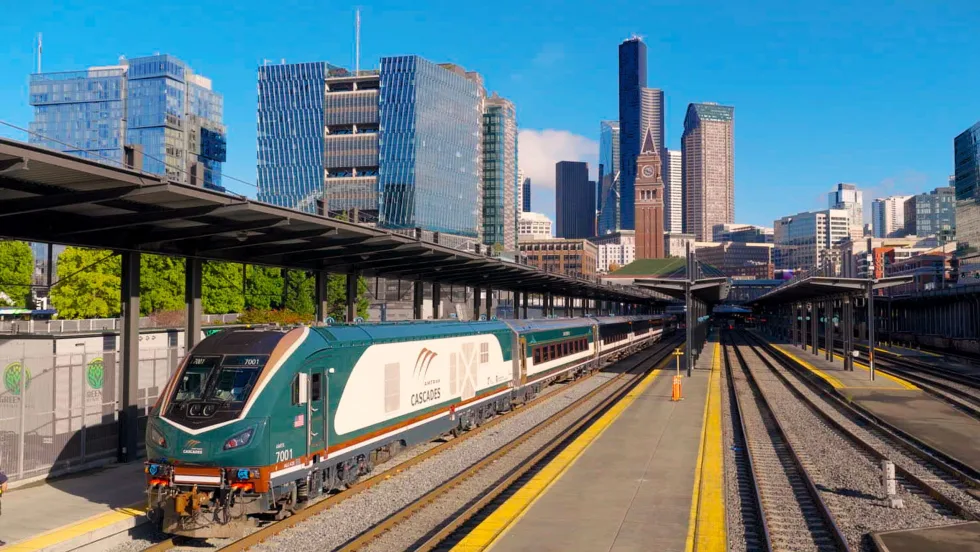
Airo Trains Make Their Amtrak Cascades Debut in the Pacific Northwest
Effective immediately, two cutting-edge Airo trainsets will join the Amtrak Cascades route, operating four daily trips between Vancouver, B.C., Seattle, Portland, and Eugene, Oregon, marking the first introduction of Airo trains into passenger service anywhere in the country.
Read More →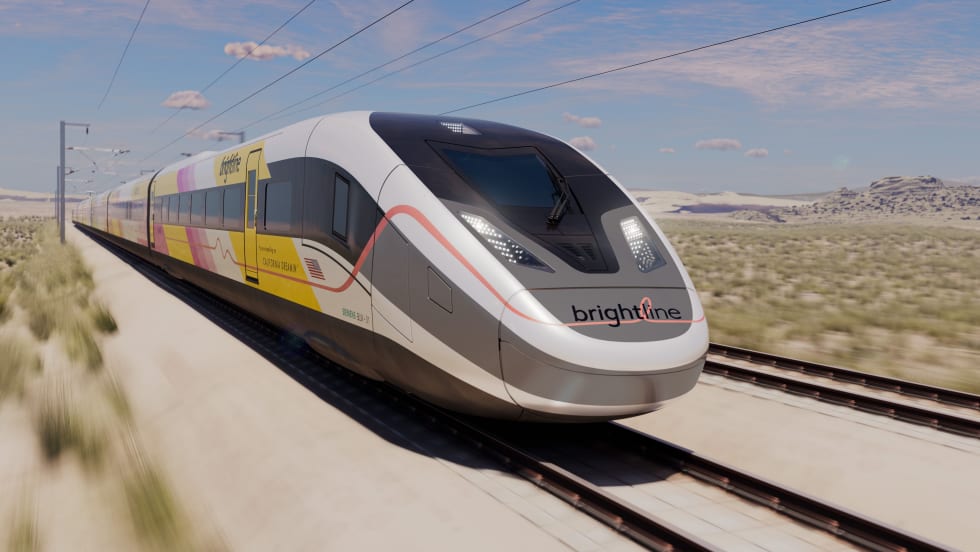
Florida's Brightline Announces Financial Restructuring
Brightline Florida says train operations will continue as normal as certain parent entities enter Chapter 11 and financial stakeholders provide $490 million in new long-term capital.
Read More →