



Peapod.com opens 100 digital rail station grocery stores
Commuters in Boston, Connecticut, New York, New Jersey, Philadelphia, Washington, D.C. and Chicago will be able to order groceries for delivery using their mobile devices at the company's digital grocery aisles on the train platforms.

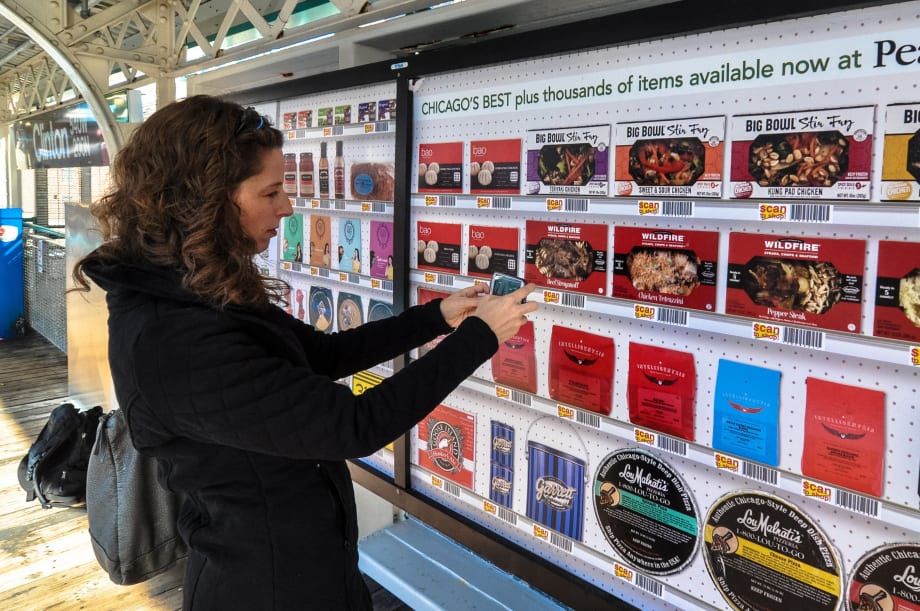

Virtual grocery store company, Peapod.com, is launching more than 100 sites at commuter rail stations in Boston, Connecticut, New York, New Jersey, Philadelphia, Washington, D.C. and Chicago.
The virtual store technology features billboards of larger-than-life grocery aisles on the train platforms. Commuters with iPhones, iPads or Android phones simply scan a QR code on the billboards to download a free PeapodMobile app and start shopping on the spot by scanning bar codes of the products displayed in the "aisles."
Peapod has teamed with national consumer products brands, including Barilla, Coca-Cola, Kimberly Clark, Proctor & Gamble and Reckitt Benckiser for the project. Commuters can make selections from Peapod's entire online store, and schedule home deliveries — for next day or even several days or weeks in advance —during their train rides.
"Getting your groceries on the way home from work just got a whole new meaning," said Mike Brennan, COO, Peapod. "With schedules that are more demanding than ever and people spending 200+ hours a year in transit, our hope is that consumers will take advantage of our virtual stores and mobile app while they're on the go and enjoy the time saved when they're at home."
Peapod's East Coast virtual store ads feature products that typically fill weekly grocery shopping baskets for busy households, including staples like coffee, condiments and cleaning products; soft drinks, snacks and cereal; milk and bread; health and beauty products; and fresh fruits and vegetables. In Chicago, virtual stores feature Peapod's selection of Chicago's Best prepared foods, sourced from 30 of the city's favorite restaurants and hometown brands, such as Wildfire, Big Bowl, Eli's cheesecake, Chicago Butter Cookies, Intelligentsia coffee and Goose Island Beer.
Once on the PeapodMobile app, customers have access to more than 11,000 popular and store-brand products, from grocery basics to farm-fresh produce; top quality meats and seafood; prepared foods and party trays; deli meats and cheeses, sliced to order; Kosher, organic and specialty foods; office, school and pet supplies. A variety of beer, wine and beverages are also available in select markets.
First-time Peapod customers will need to register on www.peapod.com in order to complete their first PeapodMobile order on their smartphones.
A recent report from Nielsen finds that more than one quarter (26%) of global respondents plan to purchase food and beverages via a device with Internet access in the next three to six months. Additionally, 61% of respondents said they used the Internet for grocery shopping research.
"We all know how challenging it can be to get the attention of consumers in a meaningful way. When we piloted the virtual aisles in Philadelphia and Chicago earlier this year, we found that the advertising stopped people, it engaged them,” Brennan said. “That's what we're after."
More Rail

The Invisible Infrastructure of Passenger Flow
What a seat reservation system on Austria’s Railjet trains reveals about the future of rider experience, and why U.S. agencies should pay attention.
Read More →
Caltrain Board Approves FY27 Budget, Endorses Efficiency Measures
The move ensures Caltrain service will continue operating as usual in the near term, but long-term financial challenges remain for the rail agency absent a new revenue source.
Read More →
Alstom Acquires Delaware Site to Support Amtrak NextGen Acela Fleet
The company is investing more than $55 million to acquire and improve the property and will employ approximately 100 people at this site once it is operational.
Read More →
When Routine Fails: How Public Transit Must Adapt for the World Cup
The 2026 FIFA World Cup will test transit agencies’ ability to manage unpredictable travel patterns, making real-time data and operational flexibility critical to moving millions of visitors efficiently.
Read More →
California Selects Team for Nation’s First True High-Speed Rail Track and Systems Contract
The board action follows completion of track installation at the 150-acre southern railhead in Kern County, which will serve as the staging and distribution hub for high-speed track and systems installation.
Read More →
Seattle's Sound Transit Launches New Sounder Railcars into Service
Alstom manufactured all the cars under a $46.5 million contract and came into service in anticipation of summer crowds for soccer and baseball.
Read More →
Alstom Partners With Universities to Build Rail Talent Pipeline
The partnerships include a new engineering scholarship fund at Alfred State College in Western New York and collaborations with transportation centers at the University of Pennsylvania and New York University.
Read More →
Chicago's NITA Act Moves Into Next Phase as Service Improvements Begin
Rider-focused improvements will begin rolling out across the system immediately as CTA, Metra, and Pace increase service this summer in the six-county region.
Read More →
Seattle’s Sound Transit Adopts Updated ST3 System Plan
The updated system plan incorporates cost savings across the agency, including new revenue sources and financial policies, to set the agency on a sustainable path for the future.
Read More →
Inside Look: EMBARK Expands Fare-Free Transit Program Through New Public-Private Partnership
The OKC transit agency says sponsorship helps subsidize the Third Friday Free initiative while reducing barriers for first-time riders and boosting ridership across buses, streetcars, and river cruises.
Read More →