



ROUSH shuttles service Colo. mountain visitors
Colorado Mountain Express’s price for propane autogas averages $1.72 per gallon, compared to the current average cost for gasoline at $3.80 per gallon in the area.

Colorado Mountain Express (CME), a year-round ground transportation provider for mountain visitors, is offering customers a greener ride to some of Colorado’s most breathtaking destinations aboard ROUSH CleanTech shuttle vans fueled by propane autogas. This move marks CME’s first step toward developing a shuttle fleet solely dependent on domestically produced, clean-burning alternative fuels.
“CME has been through years of testing alternative-fuel vehicles and we’re now ready to speak about our satisfaction with the performance of propane autogas,” said Robert Tschupp, VP/GM of CME. “Propane autogas has become the alternative fuel of choice for the shared-ride industry. This domestic fuel is not only more economical than gasoline, its clean-burning properties work to preserve the pristine environment in which we live and work — something that is extremely important to our company.”
CME’s four 15-passenger ROUSH CleanTech propane autogas-powered Ford E-350 vans have been serving Vail resorts during the past year while the company has been evaluating performance and savings. CME’s price for propane autogas averages $1.72 per gallon, compared to the current average cost for gasoline at $3.80 per gallon in the area.
According to Tschupp, each van is saving CME more than $18,600 at the pump and emitting 42,689 less pounds of carbon dioxide during the 160,000-mile life expectancy of each van.
For refueling the vans, CME worked with Ferrellgas to find publically accessible refueling locations most convenient for the company, given the areas they serve. “The fact that propane autogas has such a strong refueling network already in place was appealing to us when we weighed this alternative option against other clean fuels,” said Tschupp.
CME’s shuttle vans deliver the performance they require, especially important in this mountainous region. The ROUSH CleanTech propane autogas vans offer equivalent horsepower, torque and towing capacity compared to gasoline versions of the same models, with the additional benefit of 20% less nitrogen oxide emissions, 60% less carbon monoxide emissions, and up to 25% less greenhouse gases, according.
“CME joins a host of shared-ride transportation companies across the country that have taken notice of the benefits propane autogas brings to the table — not only for their company, but for their customers,” said Todd Mouw, vice president of sales and marketing for ROUSH CleanTech. “Whether the focus is on economics or the environment, propane autogas is the right choice for customers like CME working to create a more sustainable future for our nation and cleaner skies for their communities.”
More Technology
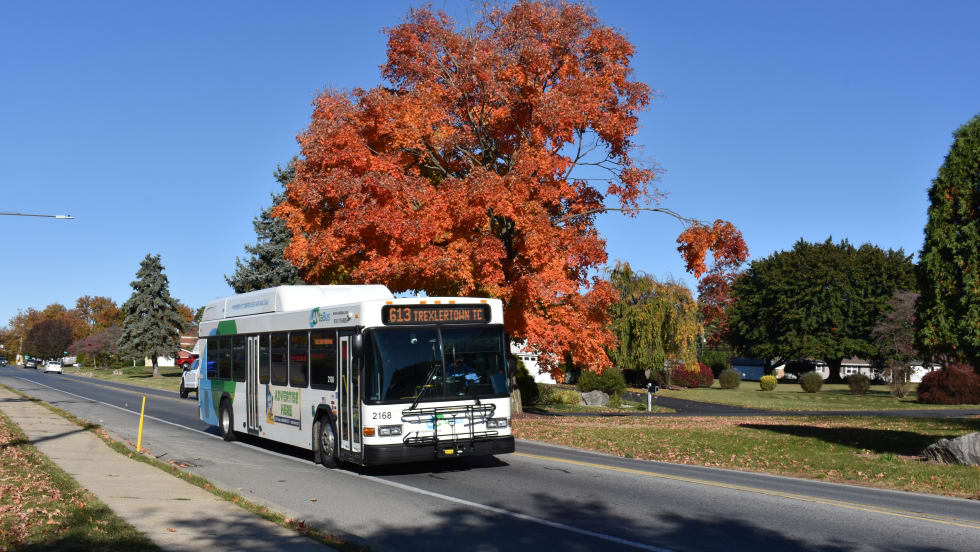
Biz Briefs: Masabi Partners with LANTA and More
In this edition, we spotlight the latest developments shaping the future of mobility.
Read More →
Joshua Schank on Transportation Innovation, Risk, and the Future of Mobility
In this edition of METROspectives, Joshua Schank discusses lessons from launching LA Metro’s Office of Extraordinary Innovation, the challenges of advancing new mobility technologies, and much more.
Read More →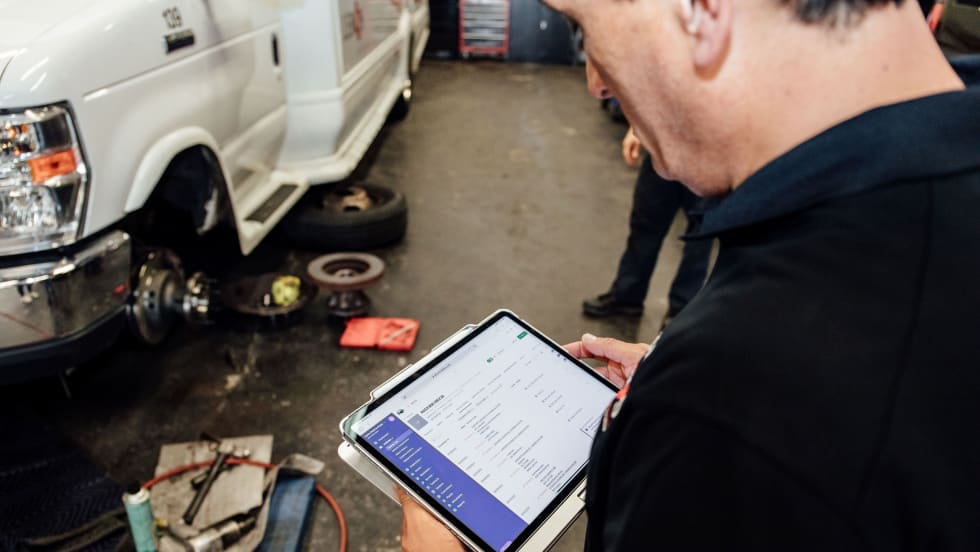
Reinventing Fleet Maintenance with Real-time Visibility and AI
Transit leaders need to know what needs fixing, where to look, who is responsible, when work is completed, and what it costs without having to chase information across disconnected systems.
Read More →
Alstom Acquires Delaware Site to Support Amtrak NextGen Acela Fleet
The company is investing more than $55 million to acquire and improve the property and will employ approximately 100 people at this site once it is operational.
Read More →
ABA's Ferguson Testifies in Support of BUS Act, National Standards for Bus Operators
The BUSES Act would create a nationwide framework preventing state and local governments from enforcing bus idling restrictions of less than 15 minutes, a threshold consistent with existing Environmental Protection Agency guidance.
Read More →
When Routine Fails: How Public Transit Must Adapt for the World Cup
The 2026 FIFA World Cup will test transit agencies’ ability to manage unpredictable travel patterns, making real-time data and operational flexibility critical to moving millions of visitors efficiently.
Read More →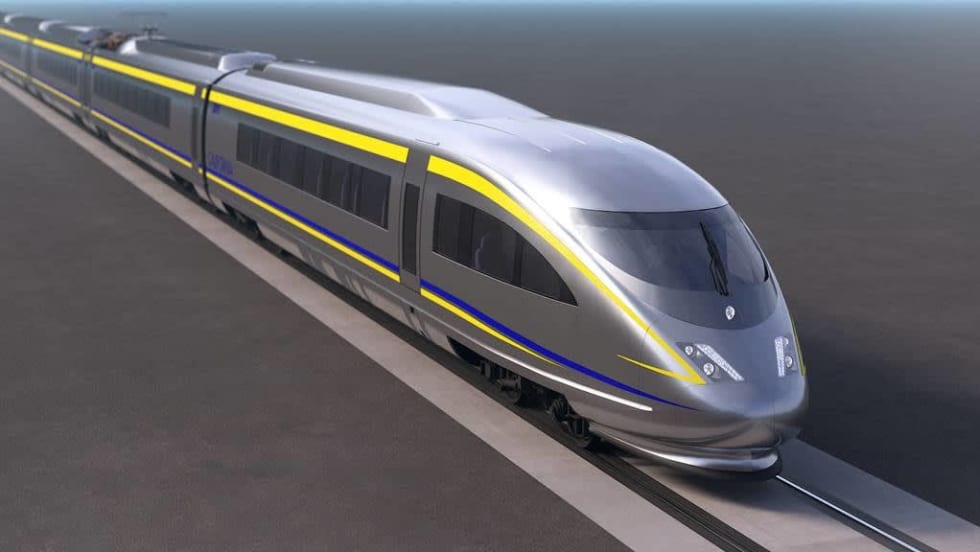
California Selects Team for Nation’s First True High-Speed Rail Track and Systems Contract
The board action follows completion of track installation at the 150-acre southern railhead in Kern County, which will serve as the staging and distribution hub for high-speed track and systems installation.
Read More →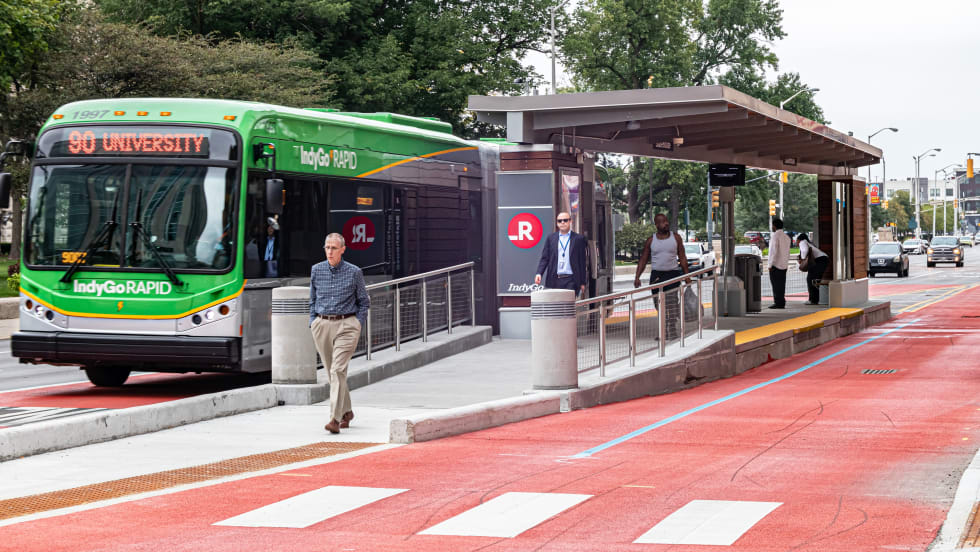
IndyGo, Cleveland RTA Expand Digital Fare Payment Options with Masabi
The new systems combine mobile apps, smart cards, and automatic fare capping to simplify payments, expand flexibility, and help riders access the lowest available fares.
Read More →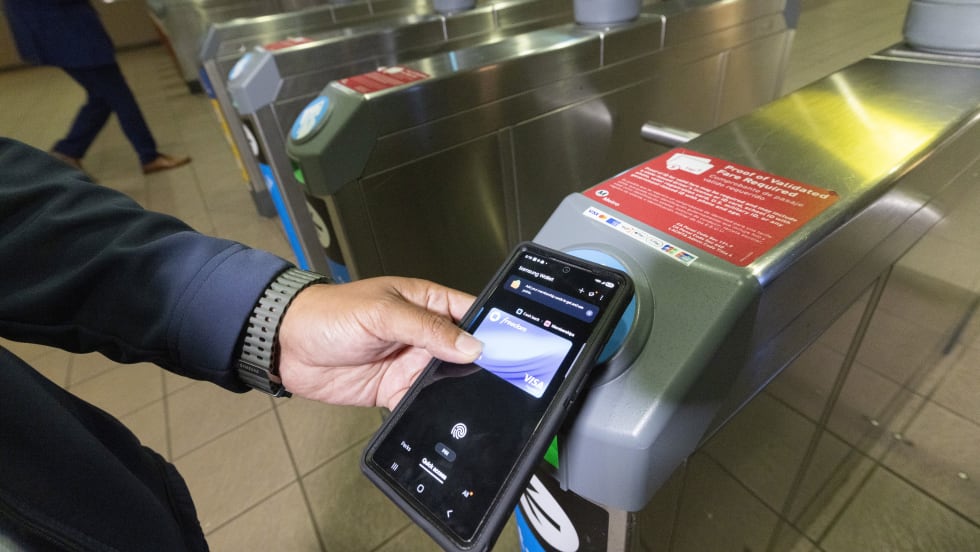
LA Metro Launches New Mobile App, Contactless Payment Options
Available on Metro and at 26 TAP-participating transit agencies, the system reduces waiting times, speeds boarding, and improves convenience systemwide, said the agency.
Read More →
Joshua Schank on Transportation Innovation, Risk, and the Future of Mobility
In this edition of METROspectives, the co-author of New Tricks for Old Bureaucracies, discusses lessons from launching LA Metro’s Office of Extraordinary Innovation, the challenges of advancing new mobility technologies, and much more.
Read More →