



UT Survey: Student requests
Late-night and off-campus services appear to be the most popular among the systems surveyed. An increase in bus routes ran a close second. One university just unveiled a trolley service and another is planning a parking app.

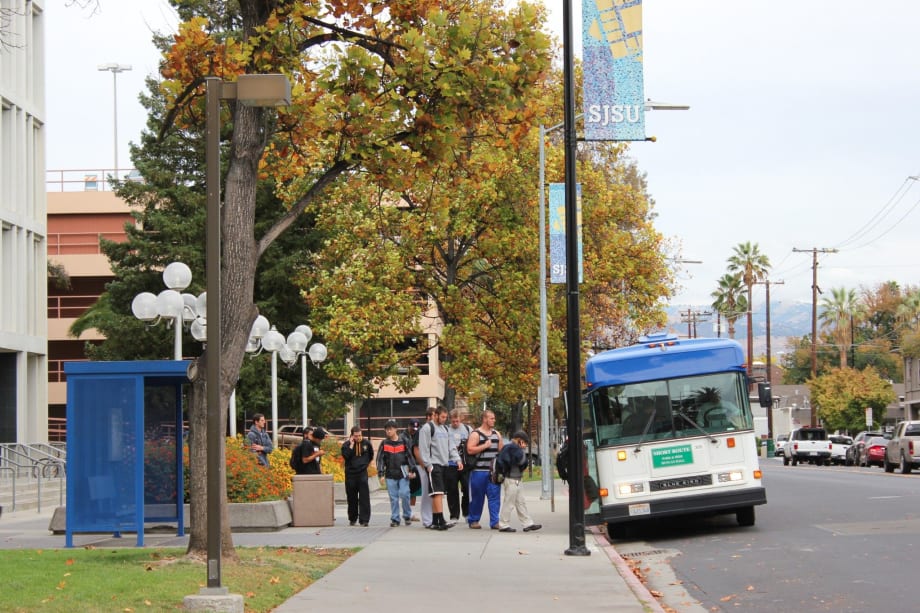
Photo credit: Christina Olivas, SJSU Marketing and Communications
In METRO Magazine’s November/December issue, we discussed with a handful of university transportation system operators what they are seeing at their operations, including student requests. We asked a few more operators to share what they are seeing at the campuses they serve.
Here are their responses:

“Parking is our top [requested] service. We have three on-campus garages, plus off-campus parking, with a shuttle running to campus. EcoPass is probably number two, [providing free bus service] for all students and employees. At night, people ask for our evening shuttle and event guide services. We have seen great interest in bike and car sharing. We are just beginning to talk about an app that would tell drivers how many spaces are left in each of our three parking garages.”
Patricia Harris, media relations director, interim associate VP, marketing and communications
San Jose State University
San Jose, Calif.

“Based on input from students and other transit users, Saginaw Valley State University [SVSU] worked with the two community bus systems that serve us (Saginaw Transit Authority Regional Services, or STARS, and Bay Metropolitan Transportation Authority, or Bay Metro), to improve their bus routes to and from campus. The new routes took effect at the start of the current academic year and have resulted in improved vehicle and pedestrian traffic flow. This added new stops at various points on campus and also resulted in SVSU installing a new transit shelter, where riders can connect with the buses from both systems if they wish.
"Regarding other requests, I have heard of students asking for weekend service, especially to visit the nearby shopping mall, but STARS discontinued Saturday service across their entire system this year, due to budget constraints. While initially troubling for some students, as they become familiar with campus and the region, most are able to find transportation through friends, since the shopping mall is only two miles from campus.”
J.J. Boehm, director of media and community relations
Saginaw Valley State University
University Center, Mich.
“In early 2010, the Centre Area Transportation Authority (CATA), in partnership with the Penn State Office of Transportation Services and the Penn State University Park Undergraduate Association (UPUA), extended its WHITE LOOP campus circulator service into the early morning hours each weekend while classes are in session, as the direct result of a request for service from the UPUA. The WHITE LOOP, one of four campus routes supported by Penn State but operated by CATA, provides frequent fare-free circulator service, linking the campus with downtown State College, the fraternity district and close-in off-campus apartments.”
Jacqueline Shreader, marketing manager
Centre Area Transportation Authority (Serving Penn State)
State College, Pa.

“Our trolley service is new; we just began it in October. To increase ridership and better accommodate students, we are looking at adjusting the schedule so the [two] trolleys come by the primary classroom buildings just as classes are out. Also, we just conducted a survey and results indicate that students want the service to go beyond intracampus. We hope to implement service to downtown, the major local mall and to the beach 15 minutes away during spring semester.”
Karen Rhine, news bureau chief, marketing & communications
Florida Institute of Technology
Melbourne, Fla.
“Currently, the requests that we receive from some faculty and staff and some students is to expand the hours of our current transportation services or to alter a route to include an area currently not on a route. There are two transportation services provided: the Saluki Express bus system and the Night Safety Transit Van. The Saluki Express provides a real-time information app for smartphones and is available to community members as well.
Users are able to route their requests or questions about service to one of two committees. The Saluki Express Bus system has a committee that meets regularly to assess ridership needs. The Night Safety Transit program also has a committee that meets to review operations. Requests to expand services is a budget-based discussion. Recently, a late-night route was added to Saluki Express on the weekends.”
Todd Sigler, director
Southern Illinois University
Carbondale, Ill.

“They are not asking for additional services as much as improvements in current services. We are responding to those by providing more online options, more reliable services, GPS, and on-demand ride request in the evenings. Students are also interested in eco-friendly transportation options, and we have provided ridesharing (Zimride) and carsharing (Zipcar) programs as alternative transportation options.”
Miriam Maddux, MPA, ombudsman & transit specialist, department of parking and transportation
Virginia Commonwealth University
Richmond, Va.
More New Mobility
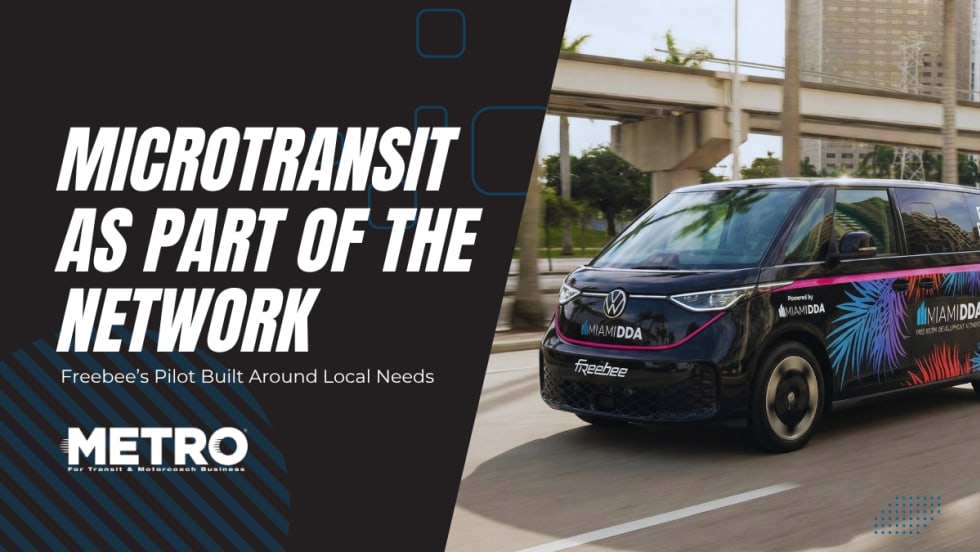
Microtransit's Next Test: Becoming Part of the Network
Freebee shows how electric microtransit is moving beyond pilots to fill network gaps, connect riders to transit, and prove lasting value.
Read More →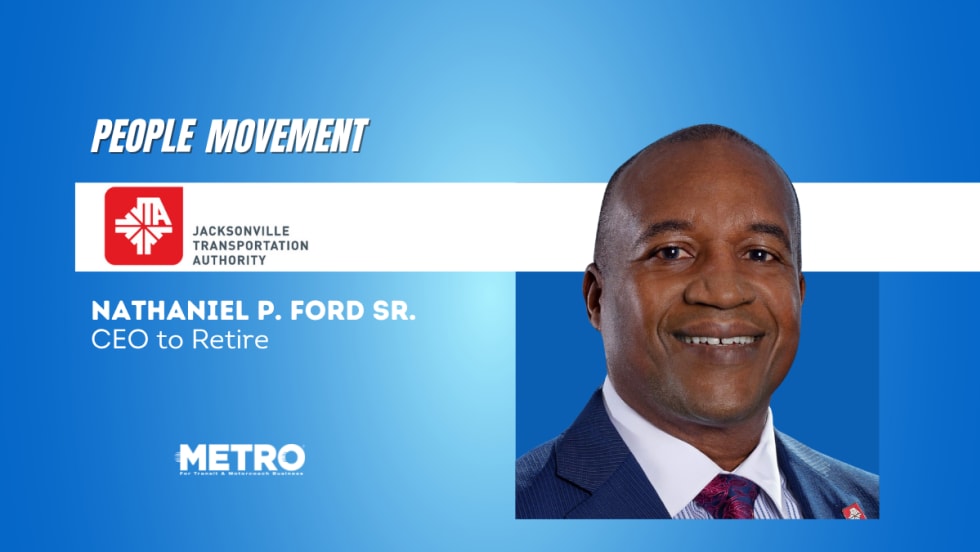
Ford to Leave JTA After More Than 10 Years as CEO
He plans to continue his work advancing innovative mobility solutions to improve the quality of life in communities across the nation. He did not announce specific plans.
Read More →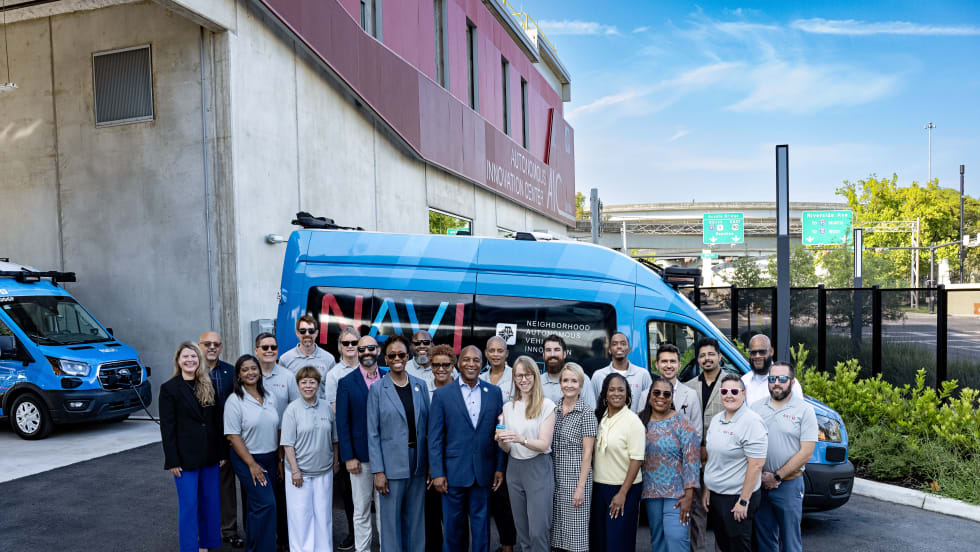
Florida's JTA Marks One Year NAVI Anniversary
During its first year of operation, NAVI has transported over 15,200 passengers and traveled more than 61,000 miles in autonomous mode without a safety incident caused by the autonomous driving system.
Read More →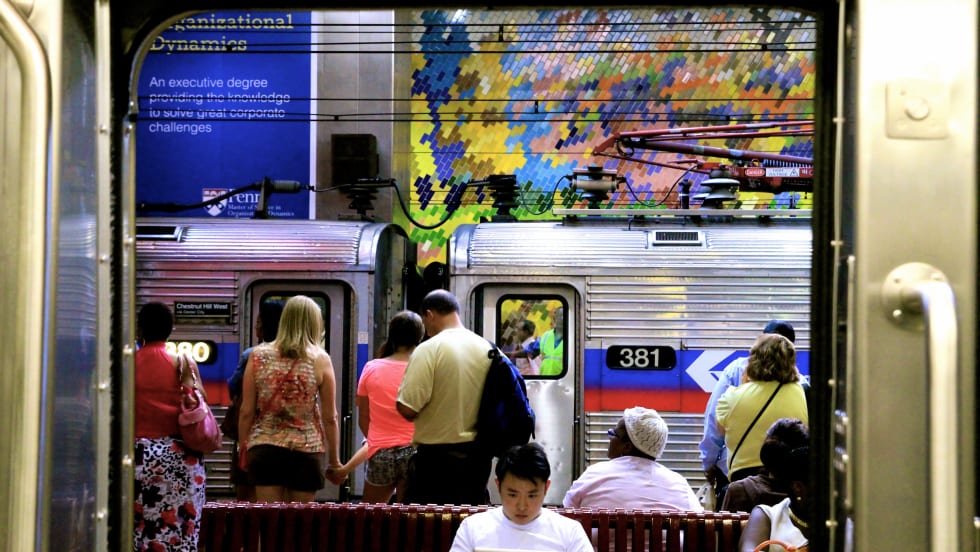
SEPTA Board Approves FY2027 Budget Amid Funding Challenges
The spending plan represents an increase of just 1.9% over the current year and includes investments in new buses, additional full-length fare gates, and other customer enhancements.
Read More →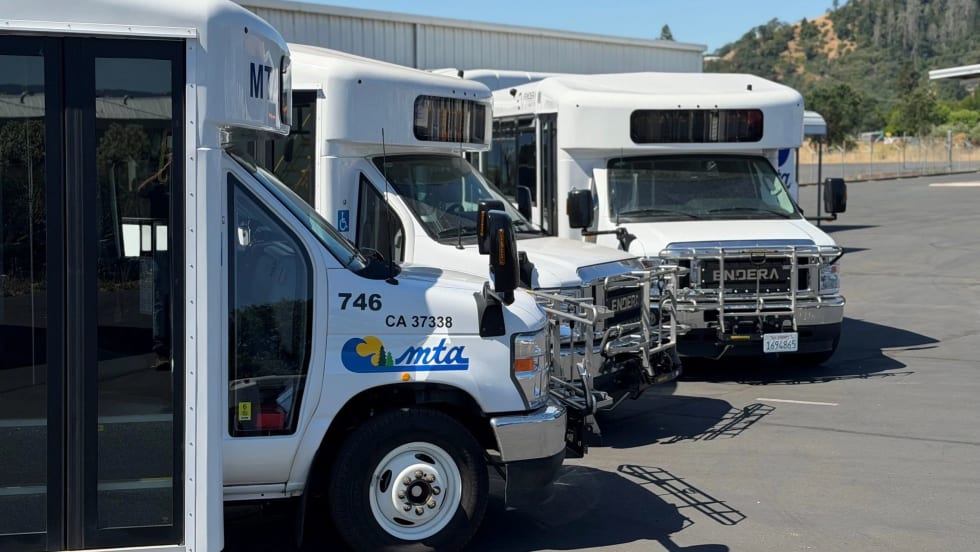
Biz Briefs: Endera Delivers to California, Safety Vision Teams with San Antonio's VIA, and More
From manufacturers and suppliers to transit agencies and motorcoach operators, these updates offer a snapshot of the projects, partnerships and business moves driving the industry forward.
Read More →
Modernizing Mobility with CharterUP CEO Armir Harris
From digital transformation to evolving customer demands, CharterUP's Armir Harris offers his perspective on the transportation industry's next chapter.
Read More →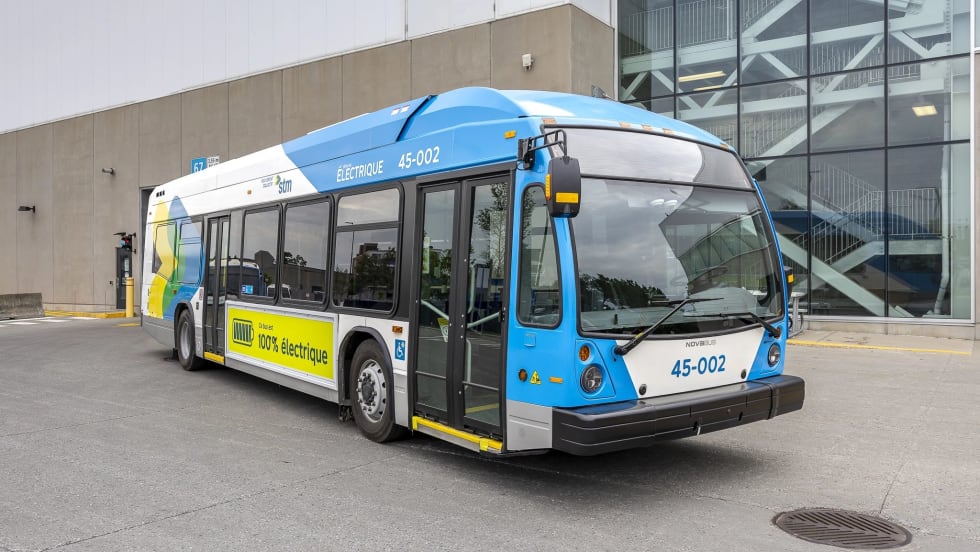
Biz Briefs: Montréal Debuts Nova Electric Buses and More
In this edition of Biz Briefs, we spotlight the latest developments shaping the future of mobility.
Read More →
6 Transit Management Lessons for Colleges and Universities Facing Seasonal Demand Swings
College transportation demand swings wildly throughout the year. Fleet strategies are starting to catch up.
Read More →
METROspectives: CharterUP CEO Armir Harris on Modernizing Mobility
From digital transformation to evolving customer demands, CharterUP's CEO Armir Harris offers his perspective on the transportation industry's next chapter.
Read More →Joshua Schank on Transportation Innovation, Risk, and the Future of Mobility
In this edition of METROspectives, Joshua Schank discusses lessons from launching LA Metro’s Office of Extraordinary Innovation, the challenges of advancing new mobility technologies, and much more.
Read More →