



APTA urges Congress to pass Sandy aid
This week the U.S. House of Representatives plans to vote on emergency aid, which will include federal funds to restore affected public transportation systems. In the last Congress, the U.S. Senate voted in favor of a $60 billion aid package, which would have included $10.8 billion for public transportation systems and mitigation activities that would prevent similar destruction from natural disasters in the future.

More than two months after Hurricane Sandy hit the Northeast, three of the largest public transit systems in the U.S. — the New York MTA, Port Authority – Trans Hudson (PATH), and NJ TRANSIT — along with those included in Presidential disaster declarations in 11 states and the District of Columbia, are still waiting for the federal government to come to their aid.
“As has been noted by others, federal aid has always been available to communities where natural disasters occurred,” said Melaniphy. “The time to act is now. The public transit systems in the Northeast that were severely impacted by Hurricane Sandy need emergency federal funds to address the unprecedented destruction in their transit systems.”
This week the U.S. House of Representatives plans to vote on emergency aid, which will include federal funds to restore affected public transportation systems. In the last Congress, the U.S. Senate voted in favor of a $60 billion aid package, which would have included $10.8 billion for public transportation systems and mitigation activities that would prevent similar destruction from natural disasters in the future.
In the new 113th Congress, the U.S. House of Representatives is beginning the legislative process on this issue with a vote later this week. APTA is urging House Members to vote for the Frelinghuysen amendment to H.R. 152, which will bring the federal funding for public transportation restoration and mitigation activities to $10.9 billion. Without the Frelinghuysen amendment, the House bill includes $5.4 billion in funding for public transportation.
“It is vitally important that Congress vote for the Frelinghuysen amendment,” said Melaniphy. “The New York and New Jersey region is the top economic area in our country. The millions of people in this region who depend on public transportation deserve the same assistance that other areas of the country have received when natural disasters have occurred.
“The damage incurred by Hurricane Sandy was devastating. The cost of bringing systems to their pre-storm condition cannot be achieved by the public transit agencies and local governments alone. Congress needs to make this legislation a top priority,” added Melaniphy.
More Paratransit

People Movement: Metrolink's Kettle Announces Retirement, Feakins to CEO at UZURV, and More
In this edition, we also cover recent appointments and announcements at King County Metro, SilverRide, and more, showcasing the individuals helping to shape the future of transportation.
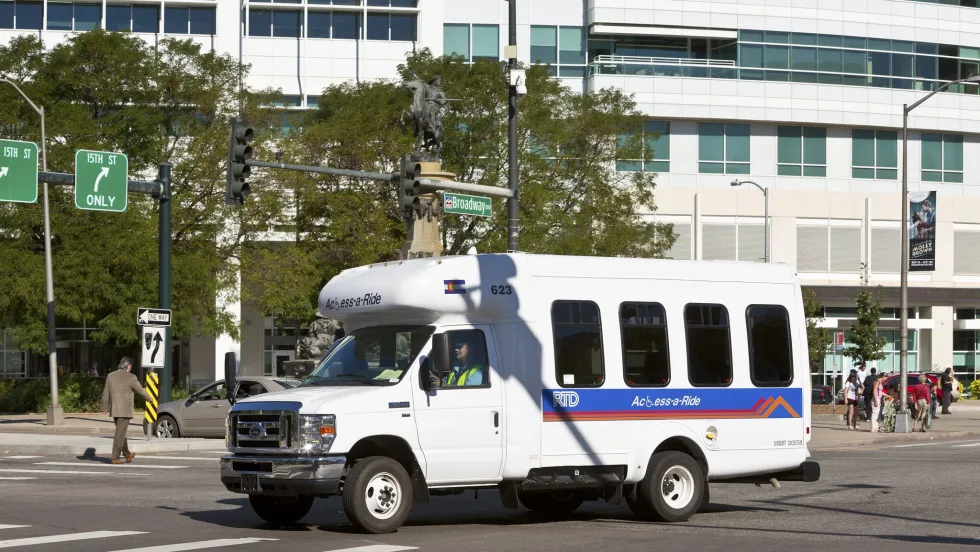
Denver RTD Committee to Review Paratransit Services, Improve Accessibility
The committee will oversee an independent study of paratransit operations, gather customer feedback, and recommend improvements to service reliability, accessibility, and accountability.
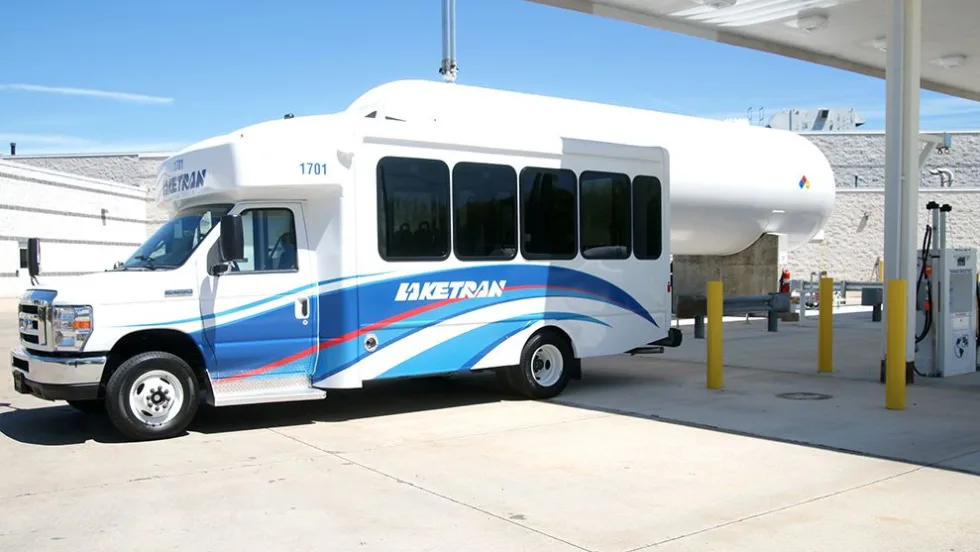
Laketran Cuts Fuel Costs, Boosts Efficiency with Propane-Powered Fleet
The Ohio transit agency is using propane-powered vehicles and on-site fueling infrastructure to cut fuel and maintenance costs while meeting growing demand for paratransit services.

Pierce Transit Moves to Expand Fleet Following Proposition 1 Approval
The agency authorized the purchase or refurbishment of up to 60 buses to support a 47% service expansion, as voters nationwide approved billions in new transit funding.
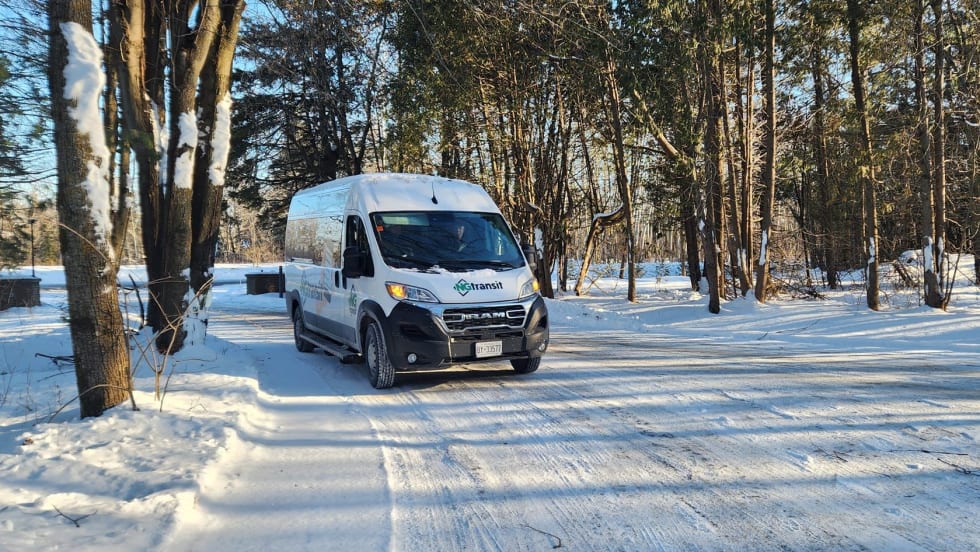
Right-Sizing Rural Transit: Lessons from North Grenville’s On-Demand Model
A small municipality shows how flexible service, rider needs, and public accountability can expand mobility with limited resources.
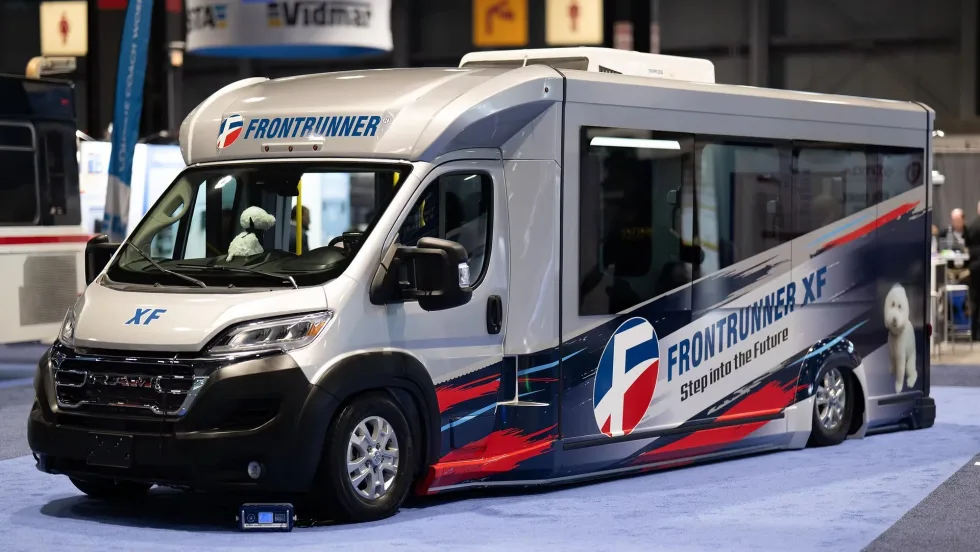
Frontrunner Bus Group Introduces XF Low-Floor Bus with Enhanced Accessibility
The new mid-sized bus features a full flat-floor design, eight-inch curbside step-in height, and zero-entry rear ramp to improve passenger access and operational flexibility.
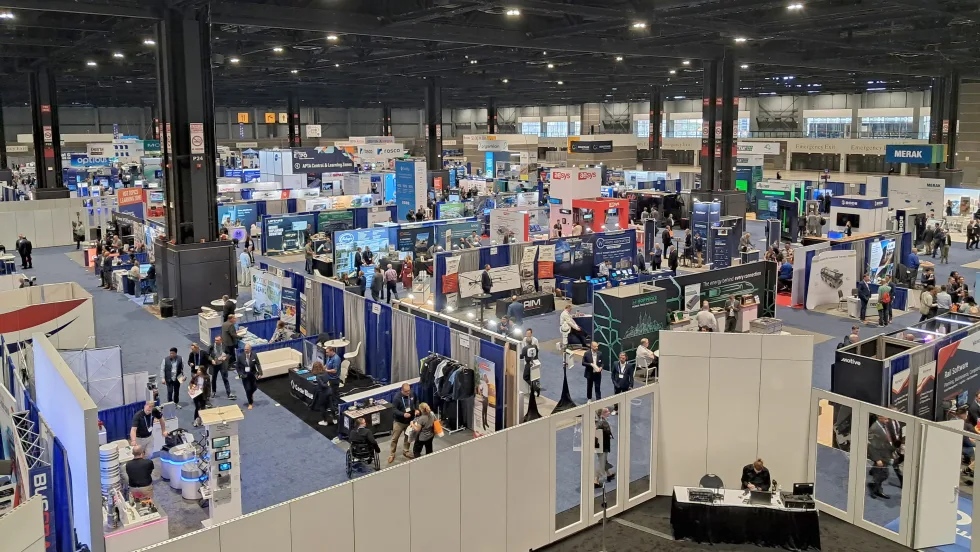
Scenes from APTA TRANSform & EXPO 2026
Transit leaders, manufacturers, and industry professionals gathered in Chicago to explore new technologies, share ideas, and discuss the future of public transportation.
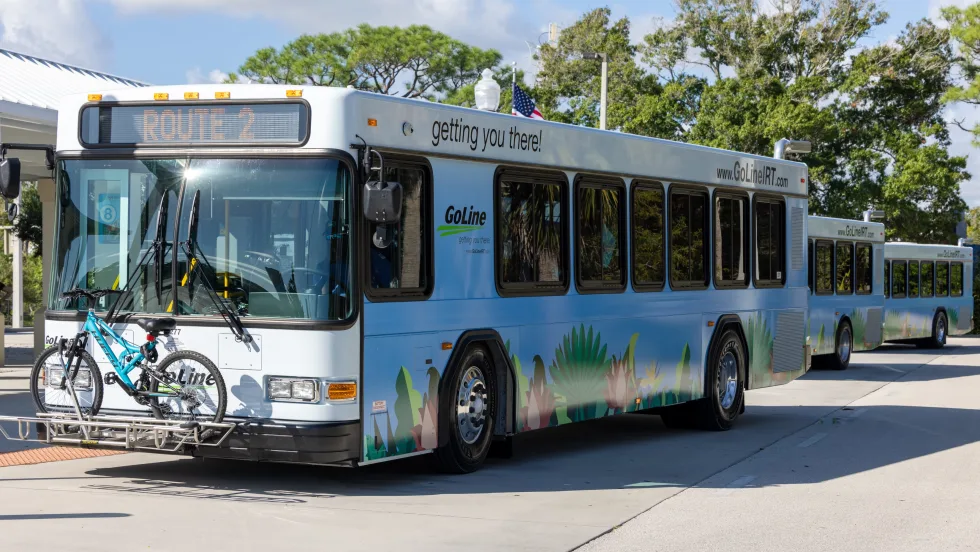
Indian River Transit’s Community-Focused Approach Earns National Recognition
Named APTA’s 2026 Outstanding Public Transportation System in its size category, Florida’s Indian River County transit system continues to grow ridership through fare-free service and a focus on evolving community needs.
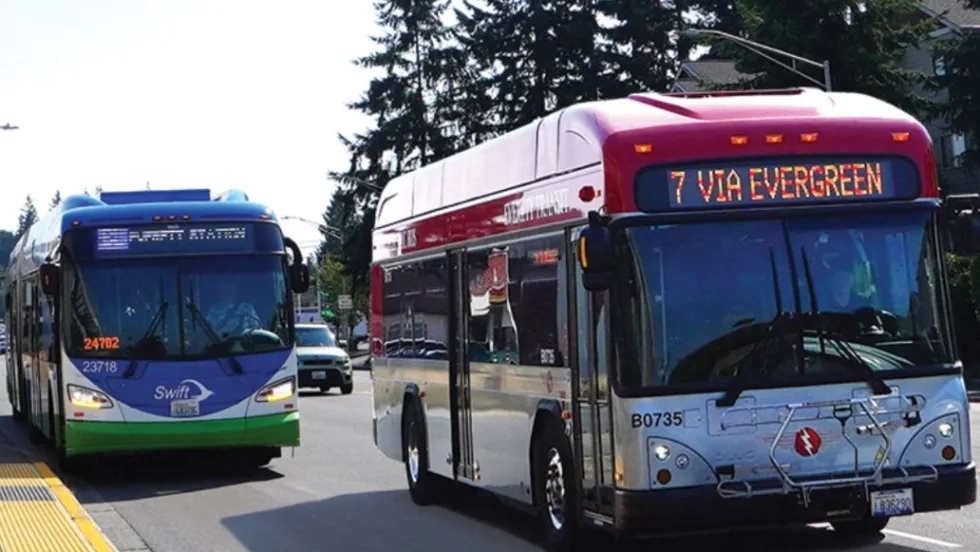
Everett Transit, Community Transit Outline Consolidation Agreement
The proposed agreement calls for a 50% increase in bus service in Everett, a new microtransit zone, continued paratransit service, and the transfer of Everett Transit operations to Community Transit.
Driving Smarter Paratransit
John Hanlon shares how AlphaRoute is leveraging AI-powered technology to help paratransit providers optimize operations, support frontline staff, and enhance the rider experience.