



Chicago RTA accuses airlines of dodging millions in taxes
Agency alleged that United Airlines and American Airlines operate rarely-occupied offices in Sycamore, Ill. that they use to avoid paying higher taxes from their actual offices in Chicago, and that these operations have deprived Chicago and Cook County taxpayers, as well as public transportation agencies, of nearly $300 million over the last seven years.

The Chicago Regional Transportation Authority (RTA) alleged that United Airlines and American Airlines operate offices in Sycamore, Ill. that they use to avoid paying higher taxes from their actual offices in Chicago.
These small, part-time offices are rarely occupied, and in at least one case, don’t appear to even have a computer. However, both multi-billion dollar companies claim they purchase their jet fuel — one of their largest expenses — from those offices.
The RTA alleged that these operations have deprived Chicago and Cook County taxpayers, as well as public transportation agencies, of nearly $300 million over the last seven years, according to a lawsuit filed Monday.
The RTA filed suit against Chicago-based United, while deferring formal action against American, as American is currently involved in bankruptcy proceedings.
“Governments across the country have been forced to do more with less. CTA, Metra and Pace have had to work with constrained budgets and have needed to raise fares and reduce service because the money’s just not there. Now we know why,” said RTA Executive Director Joe Costello. “These airlines happily accept taxpayer-supported services — like the mass transit that many of their customers and employees use — but don’t pay what is due to support those services. That is just wrong.”
CTA, Metra and Pace rely on sales tax revenues to operate mass transit in the six-county region. Public transit has been continually underfunded, and as a result each agency has been forced to raise fares and cut services.
Both airlines purchase and use millions of gallons of jet fuel in Chicago. Despite this, since 2001, United has claimed to "accept" jet fuel at its office in a Sycamore strip mall, while American has been "accepting" jet fuel at its small, windowless office inside Sycamore’s town hall since 2004, according to the RTA.
The companies have entered into 25-year agreements with Sycamore, guaranteeing the city as much as a half-million dollars every year that the airlines are allowed to claim that they "accept" jet fuel there, the RTA alleged. Most states collect sales tax based on where products are received while Illinois is one of only a few states that collect sales tax based on where a company claims a purchase was “accepted.”
If the airlines complied with Illinois law, and paid the appropriate sales tax, they would be taxed at a rate of 9.5%. Instead, the airlines claim to "accept" the fuel in Sycamore, where the sales tax rate is only 8%. According to the RTA, Sycamore then kicks back a large part of its share of the sales tax to the airlines, amounting to as much as $14 million a year.
The lawsuit, filed in the Circuit Court of Cook County, came about 18 months after the RTA filed similar lawsuits against far south suburban municipalities Kankakee and Channahon, which have similar tax-avoidance deals with retailers and other airlines.
“RTA is charged with ensuring the financial stability of mass transit in the region and with ensuring that CTA, Metra and Pace receive all revenue that they are entitled to,” Costello said. “We are calling on United, American and any other businesses engaged in these practices to do the right thing and cancel these agreements.”
A copy of the complaint and a video can be found here.
More Bus
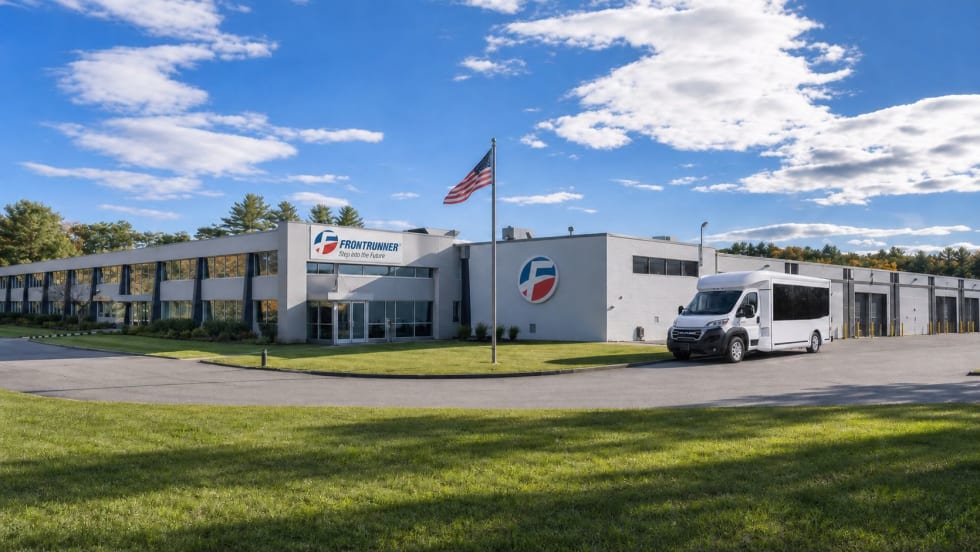
Frontrunner Bus Group Expands with New Massachusetts Headquarters
The significantly larger facility will provide the infrastructure needed to support the company’s growing workforce, advanced technologies, and expanding product line.
Read More →
Joshua Schank on Transportation Innovation, Risk, and the Future of Mobility
In this edition of METROspectives, Joshua Schank discusses lessons from launching LA Metro’s Office of Extraordinary Innovation, the challenges of advancing new mobility technologies, and much more.
Read More →
Reinventing Fleet Maintenance with Real-time Visibility and AI
Transit leaders need to know what needs fixing, where to look, who is responsible, when work is completed, and what it costs without having to chase information across disconnected systems.
Read More →
SamTrans Sets Priorities for Potential Connect Bay Area Revenue
The board-approved framework allocates future funding to maintaining service, rider improvements, equity initiatives, and infrastructure repairs.
Read More →
When Routine Fails: How Public Transit Must Adapt for the World Cup
The 2026 FIFA World Cup will test transit agencies’ ability to manage unpredictable travel patterns, making real-time data and operational flexibility critical to moving millions of visitors efficiently.
Read More →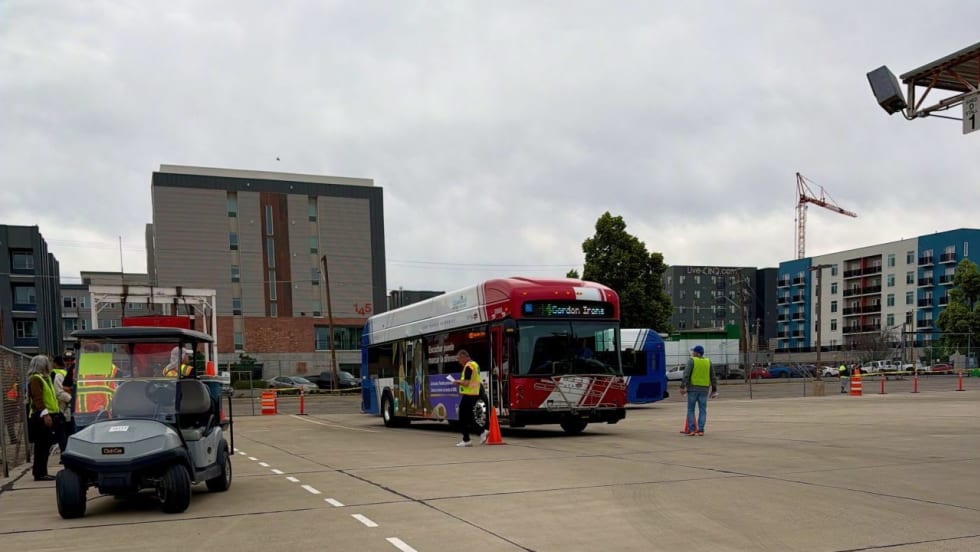
Photo Highlights from APTA's 2026 Mobility Conference
The photo gallery captures scenes from the conference, including the International Bus Roadeo, exhibit hall activities, the Bus Showcase, and much more.
Read More →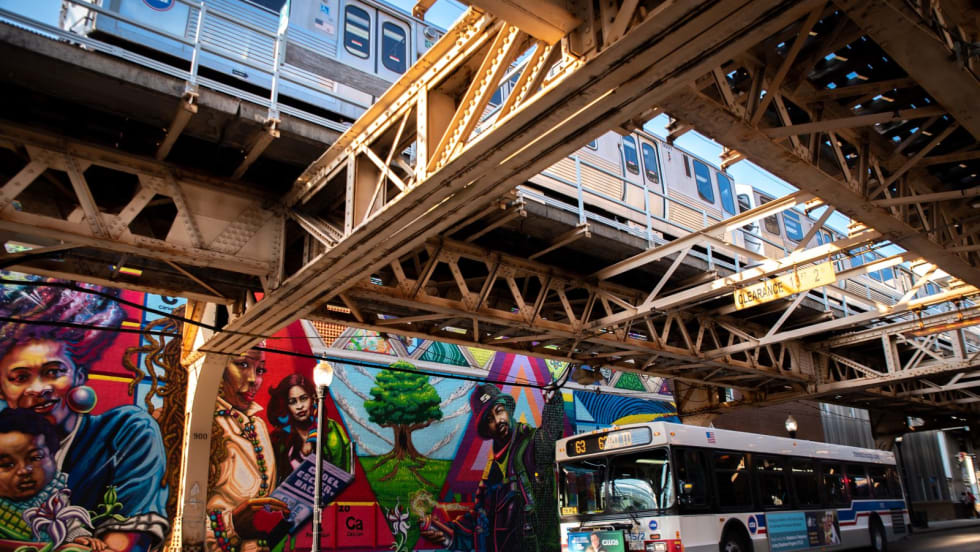
Chicago's NITA Act Moves Into Next Phase as Service Improvements Begin
Rider-focused improvements will begin rolling out across the system immediately as CTA, Metra, and Pace increase service this summer in the six-county region.
Read More →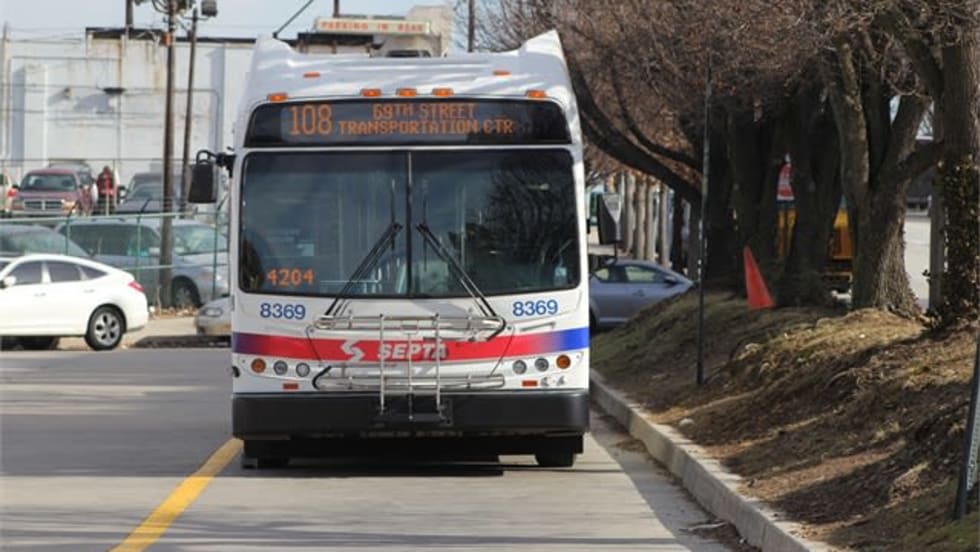
Philadelphia's SEPTA Approves Annual Transit Service Plan
Between 2021 and 2024, SEPTA held more than 200 public meetings — including 144 in-person sessions — throughout the SEPTA service region.
Read More →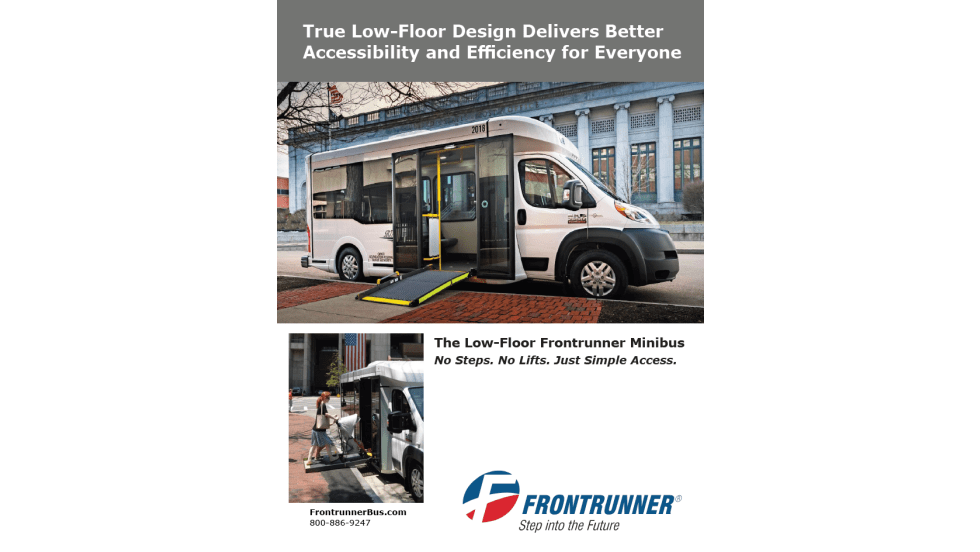
A True Low-Floor Minibus Design Delivers Better Accessibility and Efficiency for Everyone
As transit demands evolve, so should your fleet. Download the whitepaper to see how the Low-Floor Frontrunner Minibus compares to traditional options.
Read More →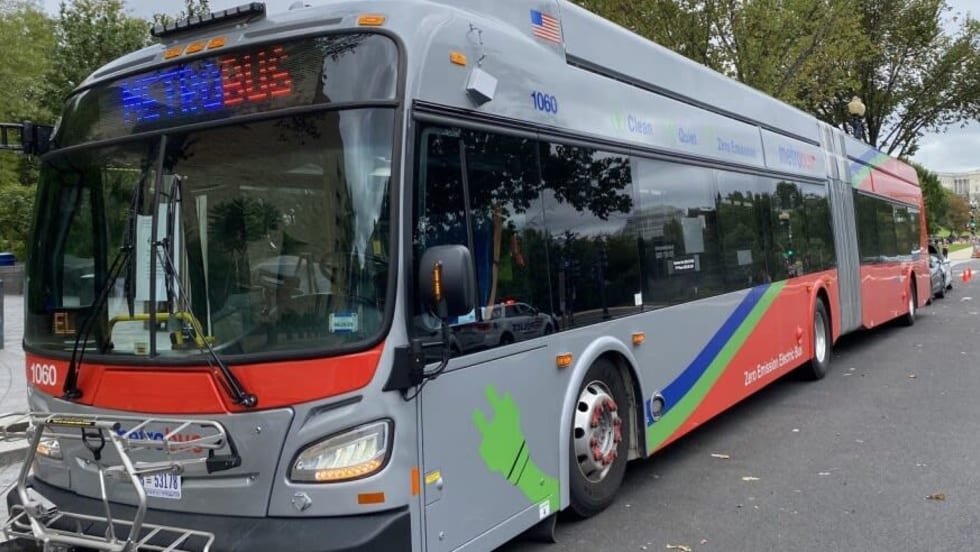
WMATA Debuts 'Fares Pay for Service' Awareness Campaign
The campaign was highlighted during a media event at the Paul S. Sarbanes Transit Center in Silver Spring, where WMATA’s GM/CEO Randy Clarke joined Metro Transit Police officers, WMATA management team, board members, and staff to expand fare enforcement and customer education efforts on Metro Bus routes throughout the region.
Read More →