



D.C. Metro unveils next-gen strategic plan
The plan, called Momentum, prioritizes items such as developing a next-generation communications infrastructure; acquiring additional railcars, power capacity and yard storage to operate all eight car trains during peak periods; and completing the Metrobus priority corridor network to serve more riders faster.

Washington Metropolitan Area Transit Authority’s (Metro) management presented the board of director’s Governance Committee with a staff draft of the agency’s strategic plan, called Momentum, which defines the next generation of Metro.
While Metro is currently going through a multi-year capital rebuilding effort to bring the system into a state of good repair, the agency is simultaneously beginning to plan for expansion to help ensure the long-term competitiveness of the National Capital Region and keep pace with demand from expected population growth.
To help identify the top priorities for action to its customers and stakeholders, Metro conducted public outreach, gathering direct feedback from more than 10,000 people and raising awareness among millions. The majority noted the importance of Metro in their decision-making to move to the Washington Metro area, and an additional nine out of 10 respondents agreed that their commutes played an important role in job selection decisions.
Metro planning director Shyam Kannan said that the agency’s first priority will be maximizing the current transit network, and utilizing every bit of capacity available as a foundation for future growth and expansion to meet the needs of the region of the future.
Other priorities identified in the plan include:
Developing a next-generation communications infrastructure to provide a seamless and intuitive customer experience, allowing travelers to navigate the region by transit effortlessly;
Acquiring additional railcars, power capacity and yard storage to operate all eight car trains during peak periods;
Completing the Metrobus priority corridor network to serve more riders and provide faster service;
Improving and expanding selected core stations to accommodate more customers;
Building new pedestrian connections between selected stations to provide new transfer options; and
Adding infrastructure to give the rail network the routing flexibility it lacks today.
The plan includes funding estimates that will be required to meet the near-term and longer-term strategic goals. The investment is outlined as a three-step approach:
$1 billion per year is necessary to continue to maintain safety and reliability of the system after the Metro Forward rebuilding effort returns it to a steady state of good repair;
An additional $500 million a year would allow Metro to maximize the capacity of the system’s core and prepare it for the transit projects that are coming on line in the region, and
$740 million additional per year would allow Metro to prepare for growth. Features of Metro’s long-range plan, identified for 2040 and beyond, are still under development, but include the possibility of building new tunnels in the core of the system to separate lines that currently share tunnels, building express tracks along the Silver/Orange lines in Virginia, as well as expansion of lines beyond their current termini.
The plan will be reviewed and edited by the board of directors, and further public outreach is planned before the document is finalized.
More Bus
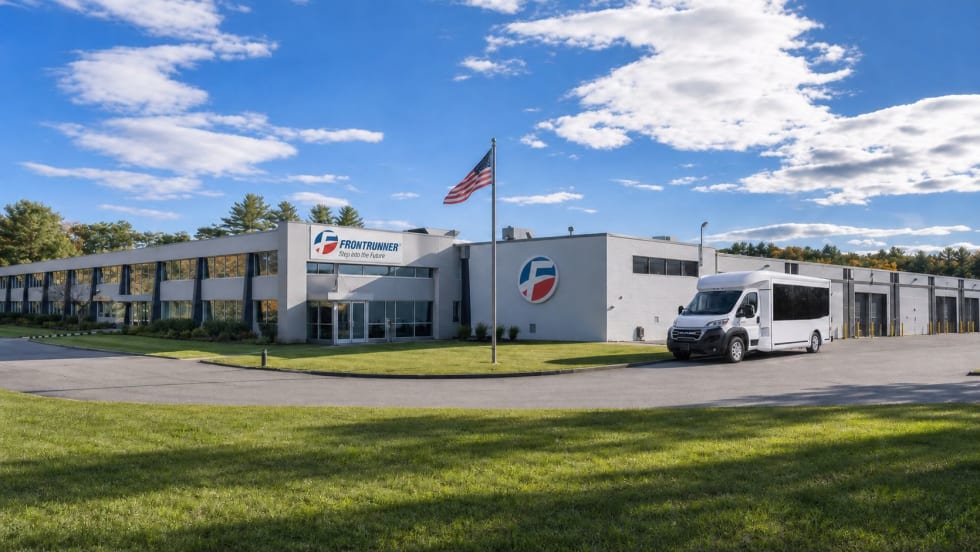
Frontrunner Bus Group Expands with New Massachusetts Headquarters
The significantly larger facility will provide the infrastructure needed to support the company’s growing workforce, advanced technologies, and expanding product line.
Read More →
Joshua Schank on Transportation Innovation, Risk, and the Future of Mobility
In this edition of METROspectives, Joshua Schank discusses lessons from launching LA Metro’s Office of Extraordinary Innovation, the challenges of advancing new mobility technologies, and much more.
Read More →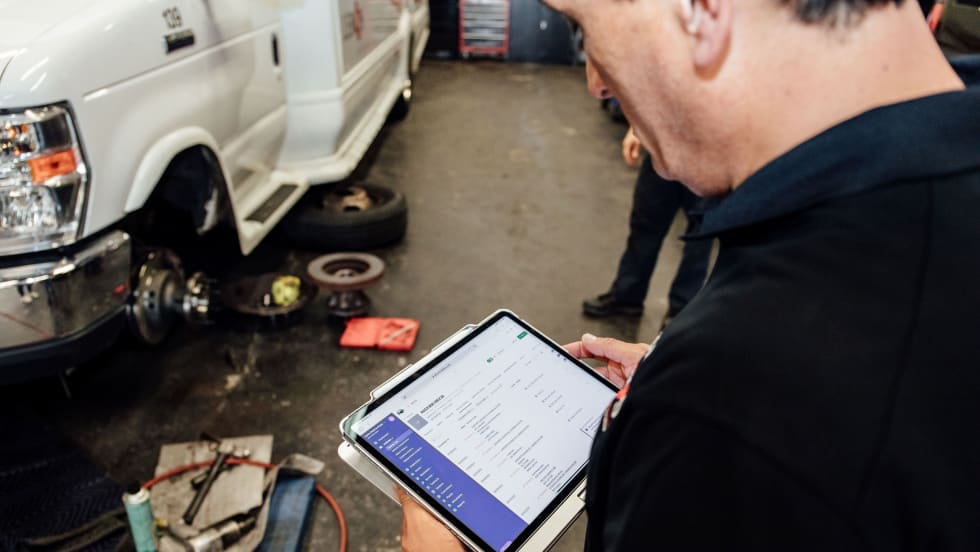
Reinventing Fleet Maintenance with Real-time Visibility and AI
Transit leaders need to know what needs fixing, where to look, who is responsible, when work is completed, and what it costs without having to chase information across disconnected systems.
Read More →
SamTrans Sets Priorities for Potential Connect Bay Area Revenue
The board-approved framework allocates future funding to maintaining service, rider improvements, equity initiatives, and infrastructure repairs.
Read More →
When Routine Fails: How Public Transit Must Adapt for the World Cup
The 2026 FIFA World Cup will test transit agencies’ ability to manage unpredictable travel patterns, making real-time data and operational flexibility critical to moving millions of visitors efficiently.
Read More →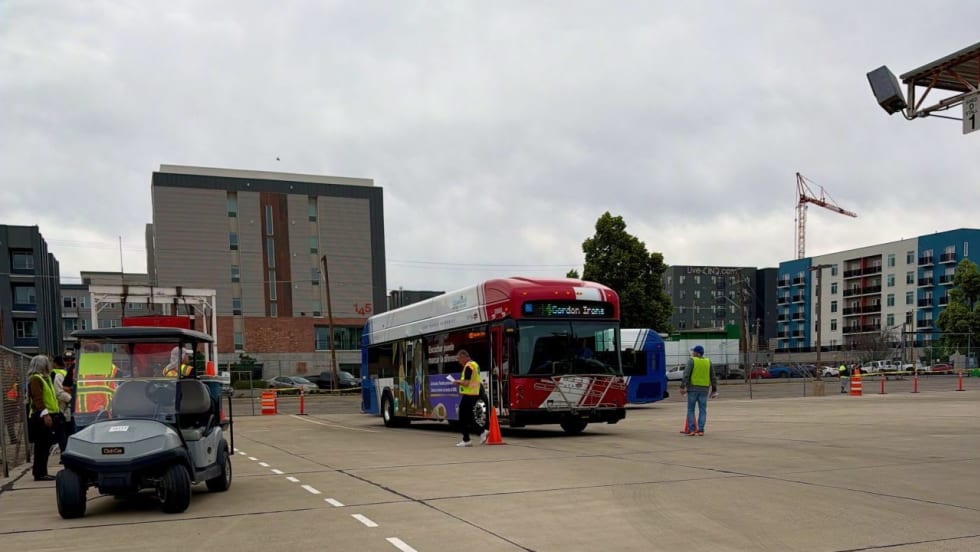
Photo Highlights from APTA's 2026 Mobility Conference
The photo gallery captures scenes from the conference, including the International Bus Roadeo, exhibit hall activities, the Bus Showcase, and much more.
Read More →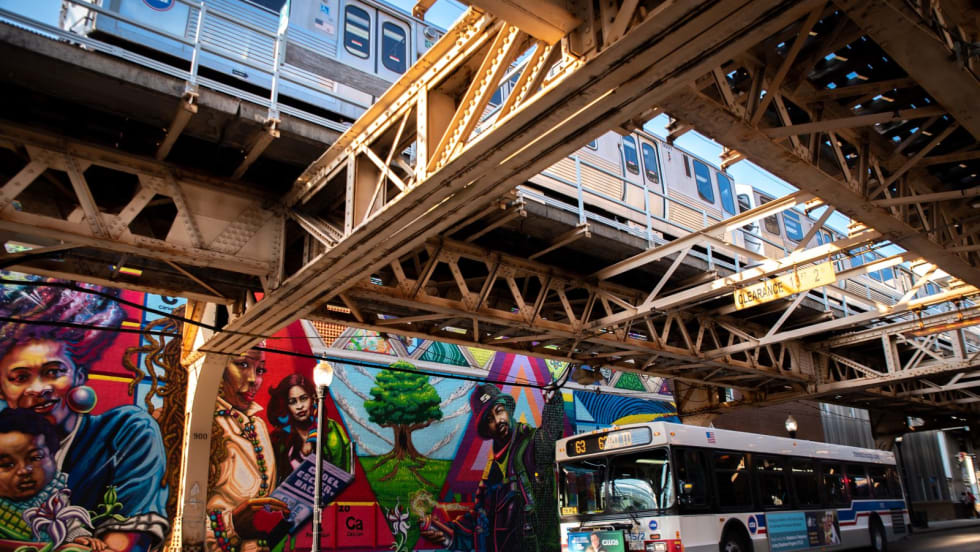
Chicago's NITA Act Moves Into Next Phase as Service Improvements Begin
Rider-focused improvements will begin rolling out across the system immediately as CTA, Metra, and Pace increase service this summer in the six-county region.
Read More →
Philadelphia's SEPTA Approves Annual Transit Service Plan
Between 2021 and 2024, SEPTA held more than 200 public meetings — including 144 in-person sessions — throughout the SEPTA service region.
Read More →
A True Low-Floor Minibus Design Delivers Better Accessibility and Efficiency for Everyone
As transit demands evolve, so should your fleet. Download the whitepaper to see how the Low-Floor Frontrunner Minibus compares to traditional options.
Read More →
WMATA Debuts 'Fares Pay for Service' Awareness Campaign
The campaign was highlighted during a media event at the Paul S. Sarbanes Transit Center in Silver Spring, where WMATA’s GM/CEO Randy Clarke joined Metro Transit Police officers, WMATA management team, board members, and staff to expand fare enforcement and customer education efforts on Metro Bus routes throughout the region.
Read More →