



German bus system to test Bombardier electric charging tech
PRIMOVE technology is based on inductive energy transfer. It is installed entirely under the road surface and under the floor of the vehicles. The charging process begins as soon as the vehicle completely covers the charging segment.

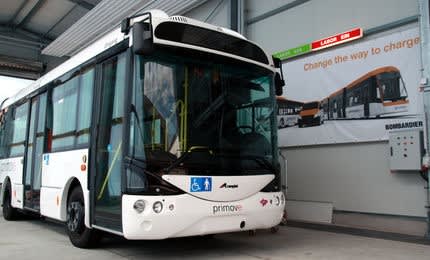

Mannheim, Germany-based regional operator Rhein-Neckar-Verkehr GmbH (RNV) is introducing electric buses equipped with Bombardier's PRIMOVE technology as part of a pilot project.
During the “PRIMOVE Mannheim” research project, electric buses will recharge wirelessly while passengers get on and off the vehicles at bus stops along a selected inner city route. The project aims to prove that electric buses can operate daily passenger services, even on demanding routes.
During an initial period of 12 months, two completely electrically powered and inductively charged electric buses will be trialled in daily passenger operation on the existing RNV bus route. Both e-buses, built by the Swiss manufacturer Carrosserie HESS AG, are also equipped with the new Bombardier MITRAC e-bus powertrain for city buses. In addition, an electric van equipped with wireless PRIMOVE technology will be tested as a RNV service vehicle.
The project will help to determine a framework for infrastructure, batteries, inductive energy transfer and daily operation by testing the new technology on a real-life route. The project partners aim to prove that a technology transfer towards e-mobility is viable. They will also gain insights into further improving low-emission public transport systems by focusing on the operating efficiency of daily transport services.
RNV GmbH was the first transport operator to use energy storage systems on its rail network; since 2009, light rail vehicles equipped with the MITRAC Energy Saver are operating successfully in the region. The use of PRIMOVE technology widens RNV’s commitment to efficient e-mobility to roads as well.

Bombardier’s invisible PRIMOVE charging technology is based on inductive energy transfer. It is installed entirely under the road surface and under the floor of the vehicles. The charging process begins as soon as the vehicle completely covers the charging segment.
The project partners will initially test the PRIMOVE technology during a testing and approval phase to collect information for the subsequent scheduled passenger operations, as well as for RNV’s internal operations and its training of personnel. Innovative features of the project include the planned optimization of the charging process by evaluating real-time data on the vehicle’s position on the route and its battery’s level of charging. Public relations and civic participation initiatives will involve passengers and residents of the city of Mannheim in the PRIMOVE trial.
More Bus

Biz Briefs: OCTA Taps Clean Energy for Hydrogen Station, Stadler to Supply Via Rail Vehicles, and More
From manufacturers and suppliers to transit agencies and motorcoach operators, these updates offer a snapshot of the projects, partnerships and business moves driving the industry forward.
Read More →
METRO Magazine Announces 2026 Innovative Solutions Awards Winners
Projects Recognized for Advancing Mobility Through Technology, Accessibility, Workforce Innovation, and Operational Excellence
Read More →
Biz Briefs: STV teams with Amtrak, Motorcoach Operators Boost Fleet and Land Contracts, and More
From manufacturers and suppliers to transit agencies and motorcoach operators, these updates offer a snapshot of the projects, partnerships and business moves driving the industry forward.
Read More →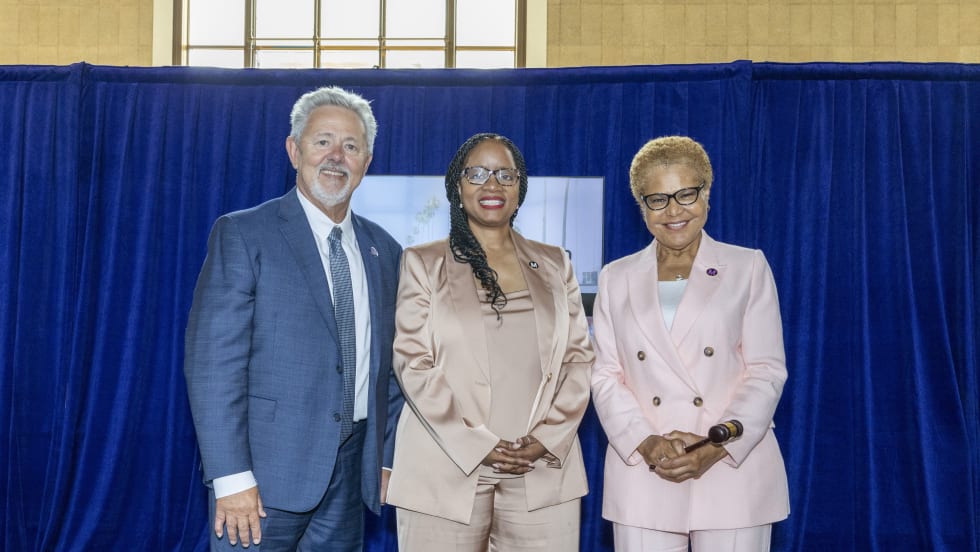
LA Metro Marks Banner Year, Sets Ambitious Goals for New Fiscal Year
Incoming LA Metro Board Chair and Los Angeles Mayor Karen Bass joined outgoing Board Chair Fernando Dutra and LA Metro CEO Stephanie Wiggins to review accomplishments from fiscal year 2026, which included the opening of new rail extensions, advancement of major transit projects, expanded safety programs, and new rider amenities.
Read More →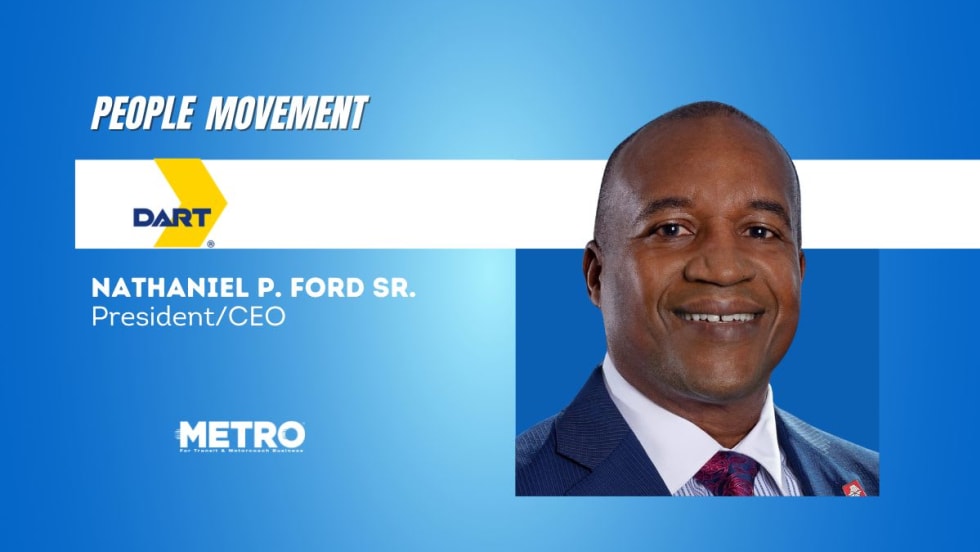
DART Taps Nathaniel P. Ford Sr. as Next President/CEO
Since 2012, Ford has served as the CEO of the Jacksonville Transportation Authority
Read More →
AC Transit’s Cecil Blandon on Building the Next Generation of Transit Maintenance Leaders
The agency’s maintenance chief discusses leadership, workforce development, zero-emission technology, and preparing technicians for the future of public transportation.
Read More →
Building the Next Generation of Transit Technology
In this edition of METROspectives, Luminator CEO Magnus Friberg discusses the company's transformation, the growing role of AI and software, and what's next for transit technology.
Read More →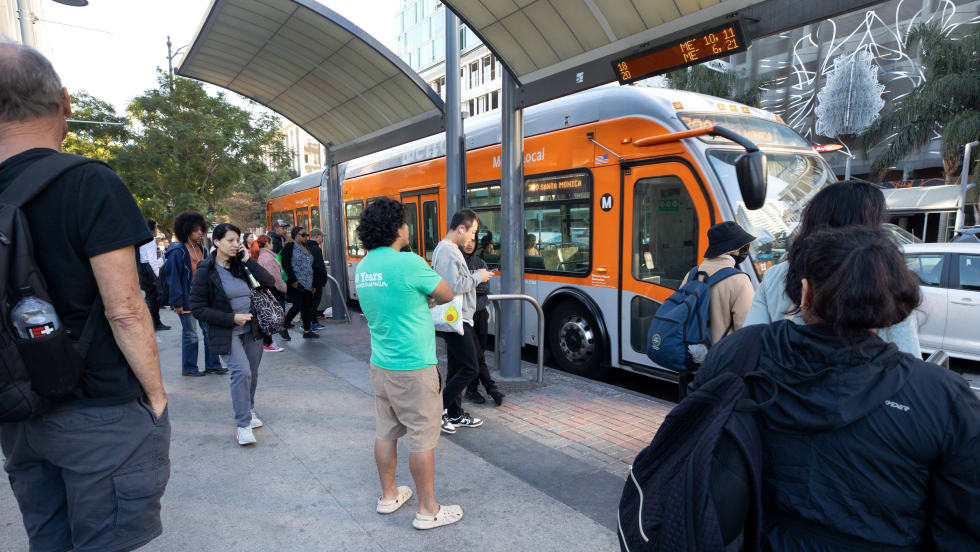
June LA Metro Ridership Surges 2 Million Year Over Year
Total June ridership increased for both weekdays and weekends. Weekday ridership was 953,820, which grew 8.4% from June 2025; Saturdays increased nearly 13% year-over-year to 708,826; and Sundays increased 7.7% to 611,534 from June 2025, according to LA Metro.
Read More →
Washington's Pierce Transit Board Sends Transit Funding Measure to November Ballot
With the adoption of Resolution 2026-006, the measure moves to the Pierce County Auditor, giving voters in the Pierce Transit service area the decision on whether to fund an expansion of local transit service within the agency’s service area.
Read More →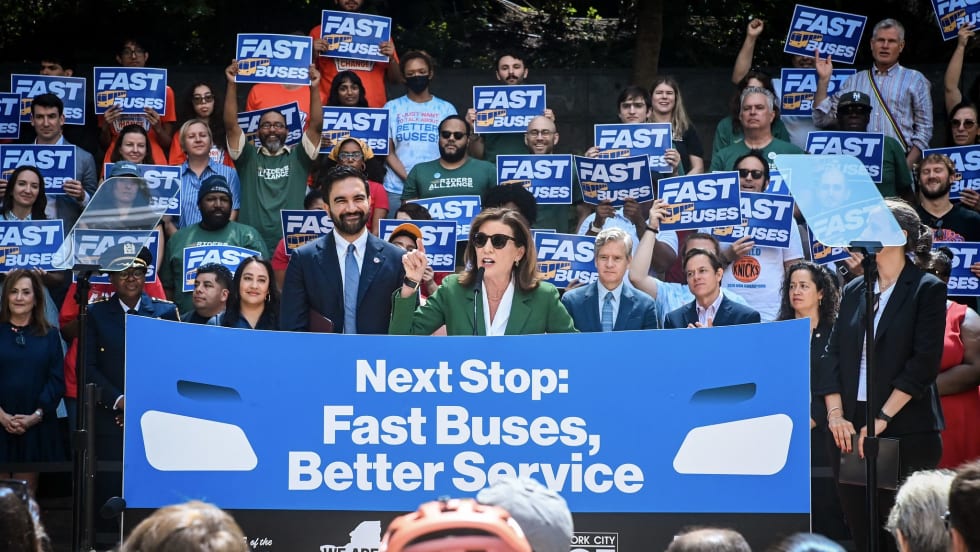
New York Unveils Sweeping Plan to Modernize City Bus Service
Next Stop: Fast Buses, Better Service identifies 50 priority bus corridors for improvements across the five boroughs and launches the City’s next generation of rapid bus service along five key routes.
Read More →