



Q'Straint, Sure-Lok expand, restructure sales team
Team will now be organized into four core segments: Transit, School Bus, Paratransit, and Personal Mobility. This strategic shift to a segmented approach was motivated by the desire to better serve customer needs.

Q’Straint and Sure-Lok announced a new market segmented sales restructuring effective Feb. 1 for the U.S. region. The sales team will now be organized into four core segments: Transit, School Bus, Paratransit, and Personal Mobility. This strategic shift to a segmented approach was motivated by the desire to better serve customer needs.
Special Needs equipment is becoming more pervasive in public and private vehicles and demographic studies are showing that the number of users necessitating securement continues to rise. The regulations mandating a transportation infrastructure that is accessible and flexible grow in sophistication. Finally, technology that makes securement safer, more efficient and user friendly requires complex engineering and integration experience. Now, the Q’Straint and Sure-Lok teams can further specialize their knowledge base in the transportation segments relevant to the customers they serve, according to a company statement.
“Most importantly, we wanted to improve our ability to respond to and support our customers and OEM partners”, said Q’Straint’s Director of Sales, Jim Reaume. Adding, “We also needed a structure that gave us the foundation and flexibility to support future growth. The changeover will take a bit of time, but our sales group is actively communicating with customers that may be affected to ensure a seamless transition.”
The Q’Straint and Sure-Lok Sales team was recently augmented with the addition of two additional sales reps. Coincident with this organizational announcement, Trisha Nolen has just been hired as the Southern Regional Sales Manager as part of the School Bus/Paratransit market segment. Trisha has 20-plus years of business and technical experience specific to the bus industry and is based in Dallas.
More Paratransit

Biz Briefs: RIPTA Unveils New Frontrunners, Clevland RTA Adds New Siemens, and More
In METRO's latest installment, we take a look at recent news from Siemens, Prevost, Dodge, and more partnerships making headlines across the transportation sector.
Read More →
King County Metro Makes ADA Paratransit Easier to Navigate
METRO's Innovative Solutions Award winner replaces complex service-area descriptions with an accessible, interactive map that puts paratransit information directly in customers’ hands.
Read More →
Jacksonville’s NAVI Project Charts a New Course for Autonomous Public Transportation
Through its NAVI program, JTA is showing how autonomous vehicles, intelligent infrastructure, and coordinated operations can work together to deliver everyday public transportation.
Read More →
Driving Smarter Paratransit
John Hanlon shares how AlphaRoute is leveraging AI-powered technology to help paratransit providers optimize operations, support frontline staff, and enhance the rider experience.
Read More →
METRO Magazine Announces 2026 Innovative Solutions Awards Winners
Projects Recognized for Advancing Mobility Through Technology, Accessibility, Workforce Innovation, and Operational Excellence
Read More →
Biz Briefs: STV teams with Amtrak, Motorcoach Operators Boost Fleet and Land Contracts, and More
From manufacturers and suppliers to transit agencies and motorcoach operators, these updates offer a snapshot of the projects, partnerships and business moves driving the industry forward.
Read More →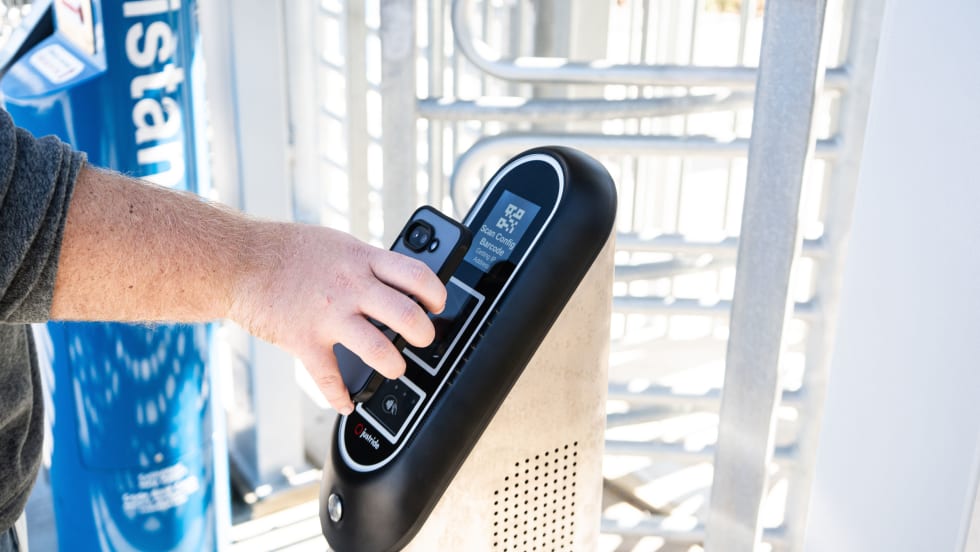
Biz Briefs: Masabi Teams with St. Louis Metro and More
In METRO's latest installment, we take a look at recent news from Transdev, Hitachi, and more partnerships making headlines across the transportation sector.
Read More →
New York MTA Leverages Zoning Program to Advance Station Accessibility
Accessibility enhancements at Nevins St Station will be financed through a development agreement tied to the MTA's Zoning for Accessibility initiative.
Read More →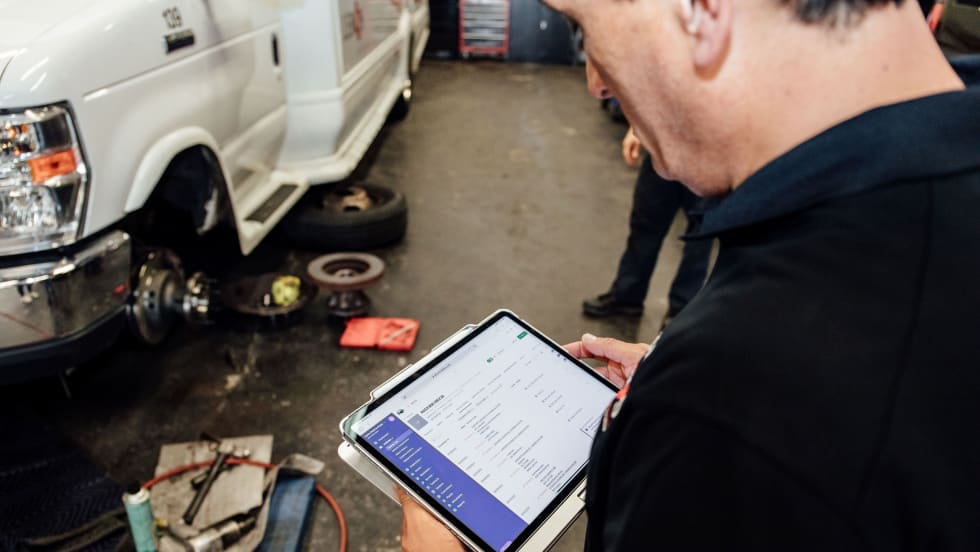
Reinventing Fleet Maintenance with Real-time Visibility and AI
Transit leaders need to know what needs fixing, where to look, who is responsible, when work is completed, and what it costs without having to chase information across disconnected systems.
Read More →
SamTrans Sets Priorities for Potential Connect Bay Area Revenue
The board-approved framework allocates future funding to maintaining service, rider improvements, equity initiatives, and infrastructure repairs.
Read More →