



Report: Rising gas prices may make public transit more attractive to Hoosiers
A 10% increase in gas prices over several years will increase bus ridership by 3.4% while a sudden 10% spike in gas prices is associated with a 1.15% increase in bus ridership in Indiana.


Photo courtesy Ball State Unidersity.

MUNCIE, Ind. — Rising gas prices over the coming decade may make public transportation significantly more attractive to Hoosiers, say three new reports from Ball State University.
In fact, ridership could more than double by 2035, meaning the customer base would expand well beyond the current “typical” users who are low-income residents who are most dependent on Indiana’s current 66 fixed-route public transportation systems.
Ball State’s Center for Business and Economic Research (CBER) found that almost 70% fixed-route bus riders are dependent on buses because they do not have access to a vehicle.
CBER also discovered that a 10% increase in gas prices over several years will increase bus ridership by 3.4% while a sudden 10% spike in gas prices is associated with a 1.15% increase in bus ridership in Indiana.
“Under conservative assumptions, we expect ridership to more than double by 2035,” said Michael Hicks, CBER director and economics professor. “In fact, we anticipate ridership to increase as public transportation becomes more acceptable among more affluent urban and suburban residents — something that state officials have been promoting for several years.”
“Public Transportation in Indiana: An Analysis of Ridership Surveys,” “The Effect of Gasoline Prices on Public Bus Ridership in Indiana” and “Fixed Route and Demand-Response Systems: Funding Methods, Benefits and Costs in Indiana” were produced by CBER for the Indiana Transportation Association. The studies may be found at http://cms.bsu.edu/academics/centersandinstitutes/bbr/currentstudiesandpublications.
The studies examine options for public transit, methods of funding and the impact of fixed-route bus transit in Indiana. In addition to Hicks, the research team included Dagney Faulk, CBER research director; and Kevin Kroll, a Ball State graduate assistant specializing in geographic information and CBER regional analysis.
Research indicated that the typical fixed-route bus rider in Indiana is a 19- to 34-year-old woman making less than $15,000 a year. She is likely to not own a car and to use the bus about five times per week for either school or work.
“For workers who do not have access to a private vehicle, lack of bus access or cuts to existing transit is likely to have an impact on their ability to get to work and maintain employment,” Hicks said. “Workers with at least one vehicle in the household are less likely to be affected by transit cuts.”
Research also found:
• Among survey respondents, 49% of riders had an annual household income below $15,000 while 9.6% of respondents’ households have an annual income exceeding $50,000.
• A third of transit riders use the bus system more than five days per week.
• Sixty percent of transit users described the primary purpose of their trip as getting to work or school.
• Indiana’s public transit systems provided about 35.2 million passenger trips and logged about 46.6 million vehicle miles.
• Survey responses indicate high levels of satisfaction with public transit among users.
“Our benefit-cost estimates also suggest that for each dollar of expenditure on public transit more than $3 of benefit are realized,” Hicks said. “We recommend a broader set of tax instruments approved through a local referenda process to fund transit.”
Ball State’s research clearly indicates that public transportation is valuable to Indiana’s economy, said Kent McDaniel, executive director of the Indiana Transportation Association.
“These reports clearly illustrate that the benefits of public, fixed-route transit systems outweigh the costs for both taxpayers as a whole and those who ride the transit system,” he said.
More Bus
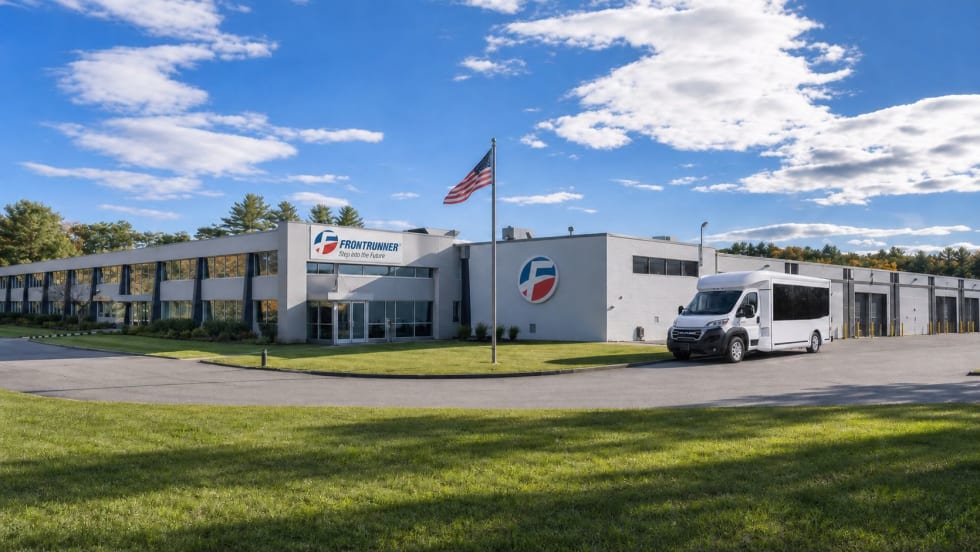
Frontrunner Bus Group Expands with New Massachusetts Headquarters
The significantly larger facility will provide the infrastructure needed to support the company’s growing workforce, advanced technologies, and expanding product line.
Read More →
Joshua Schank on Transportation Innovation, Risk, and the Future of Mobility
In this edition of METROspectives, Joshua Schank discusses lessons from launching LA Metro’s Office of Extraordinary Innovation, the challenges of advancing new mobility technologies, and much more.
Read More →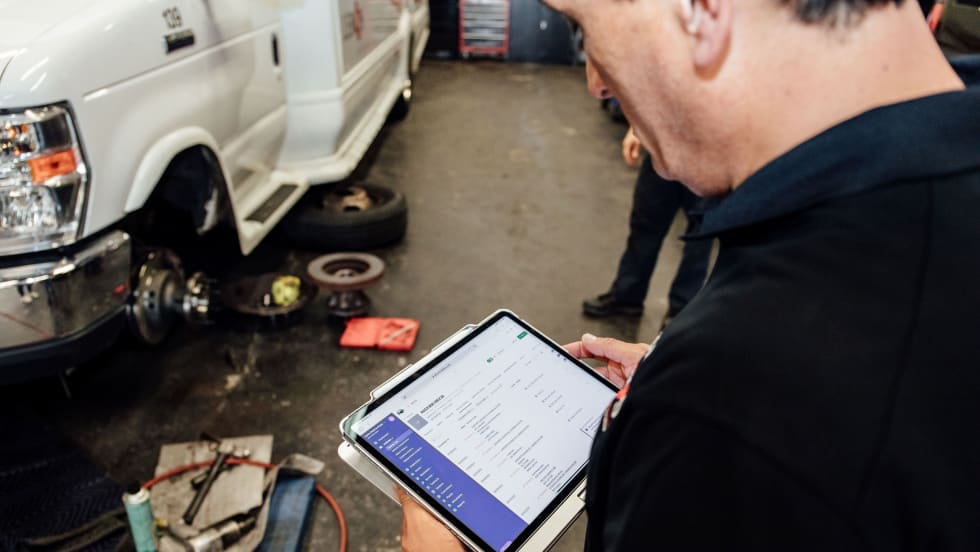
Reinventing Fleet Maintenance with Real-time Visibility and AI
Transit leaders need to know what needs fixing, where to look, who is responsible, when work is completed, and what it costs without having to chase information across disconnected systems.
Read More →
SamTrans Sets Priorities for Potential Connect Bay Area Revenue
The board-approved framework allocates future funding to maintaining service, rider improvements, equity initiatives, and infrastructure repairs.
Read More →
When Routine Fails: How Public Transit Must Adapt for the World Cup
The 2026 FIFA World Cup will test transit agencies’ ability to manage unpredictable travel patterns, making real-time data and operational flexibility critical to moving millions of visitors efficiently.
Read More →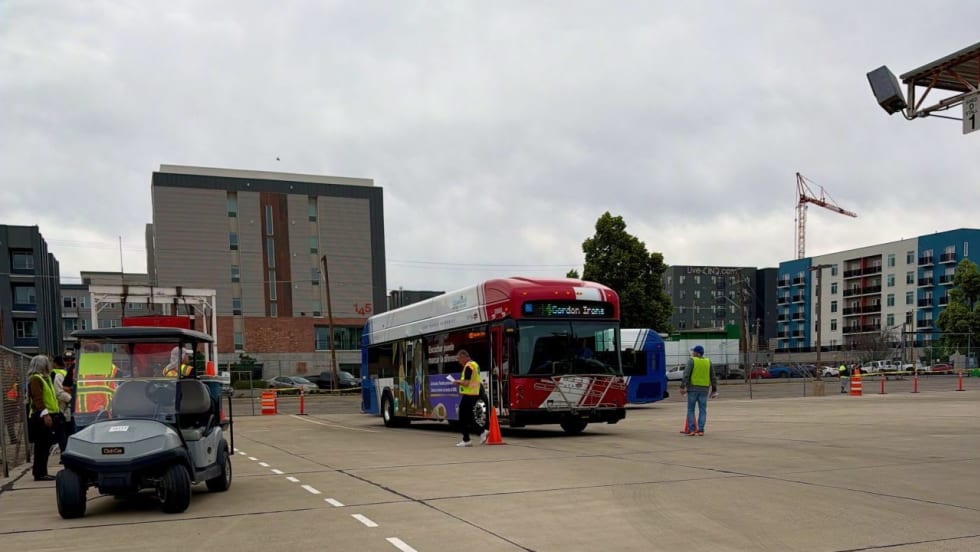
Photo Highlights from APTA's 2026 Mobility Conference
The photo gallery captures scenes from the conference, including the International Bus Roadeo, exhibit hall activities, the Bus Showcase, and much more.
Read More →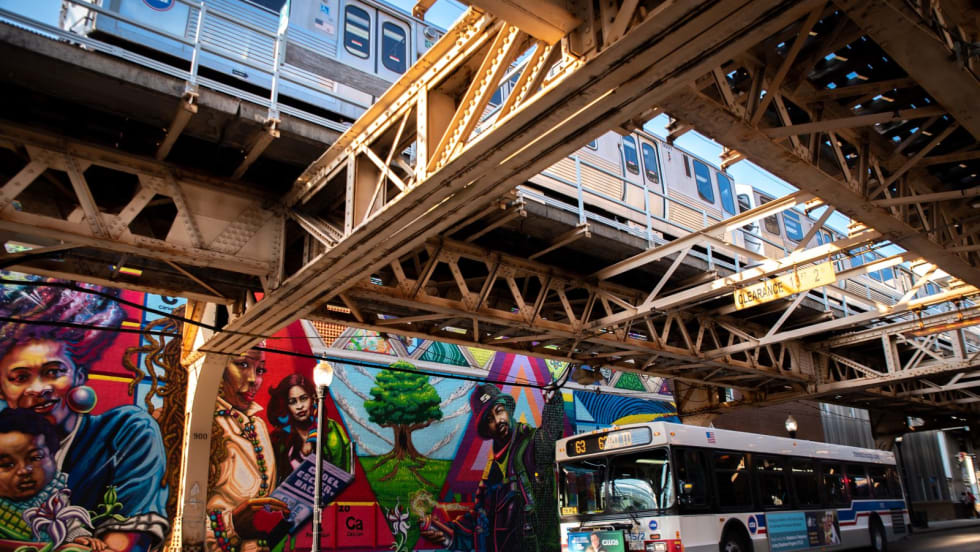
Chicago's NITA Act Moves Into Next Phase as Service Improvements Begin
Rider-focused improvements will begin rolling out across the system immediately as CTA, Metra, and Pace increase service this summer in the six-county region.
Read More →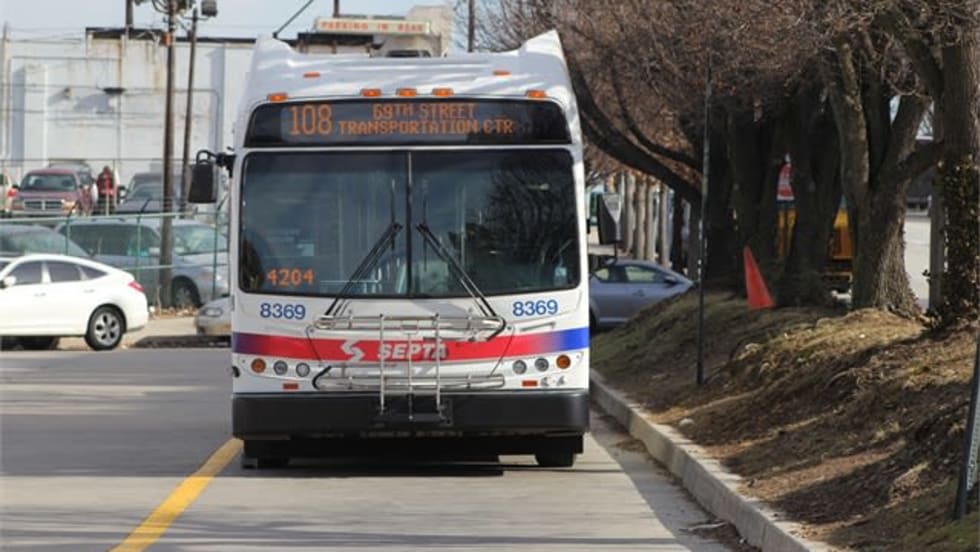
Philadelphia's SEPTA Approves Annual Transit Service Plan
Between 2021 and 2024, SEPTA held more than 200 public meetings — including 144 in-person sessions — throughout the SEPTA service region.
Read More →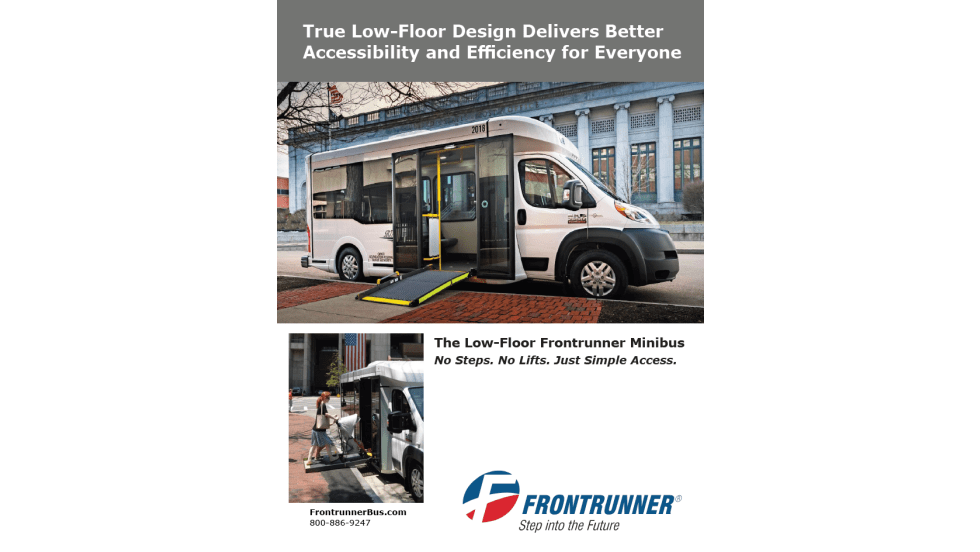
A True Low-Floor Minibus Design Delivers Better Accessibility and Efficiency for Everyone
As transit demands evolve, so should your fleet. Download the whitepaper to see how the Low-Floor Frontrunner Minibus compares to traditional options.
Read More →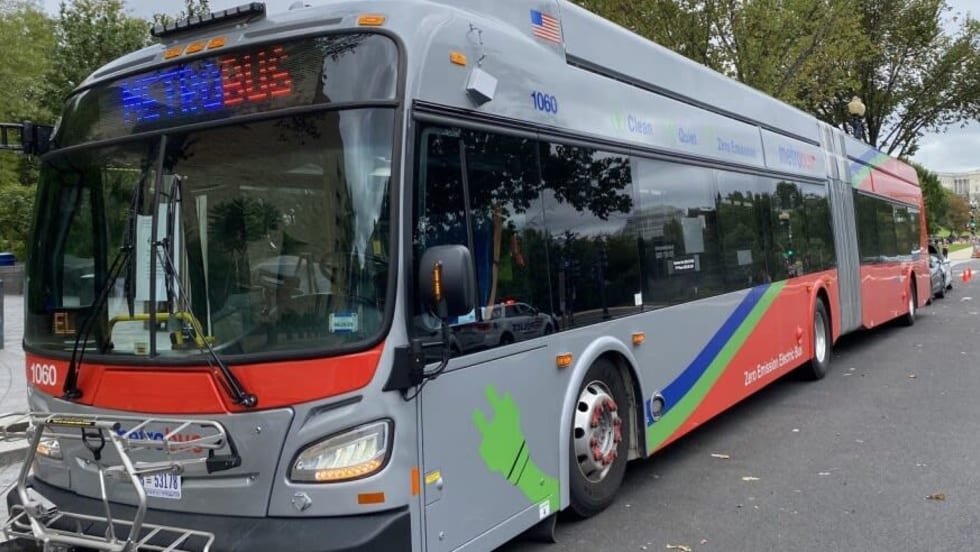
WMATA Debuts 'Fares Pay for Service' Awareness Campaign
The campaign was highlighted during a media event at the Paul S. Sarbanes Transit Center in Silver Spring, where WMATA’s GM/CEO Randy Clarke joined Metro Transit Police officers, WMATA management team, board members, and staff to expand fare enforcement and customer education efforts on Metro Bus routes throughout the region.
Read More →