



FTA releases $1.42B in third round of Sandy aid
The majority of the funds will go to the transit agencies that incurred the greatest expenses while preparing for and recovering from Hurricane Sandy — N.Y. MTA, PATH, NJ Transit and NYC DOT.

The FTA released a third round of storm-related reimbursements totaling $1.4 billion, which will go to the four transit agencies that incurred the greatest expenses while preparing for and recovering from Hurricane Sandy.
The agencies include, New York Metropolitan Transportation Authority (MTA), Port Authority Trans-Hudson Corp. (PATH), New Jersey Transit (NJ Transit) and the New York City Department of Transportation (NYC DOT). The remainder will be allocated to other transit agencies that incurred eligible storm-related expenses but have not yet received funds.
A total of $10.9 billion was appropriated for the disaster relief effort, which is administered through FTA’s Emergency Relief Program. The amount was reduced by 5%, or $545 million, because of the mandatory sequestration budget cut that took effect on March 1.
Earlier this month, FTA allocated nearly $554 million of the first $2 billion in aid to reimburse certain transit providers in New York, New Jersey, Pennsylvania and Connecticut. With the allocation, FTA met the 60-day Congressional deadline to get the initial funds out the door in order to reimburse hard-hit transit agencies for expenses incurred while preparing for and recovering from the storm.
The remainder of the $10.9 billion will be utilized for ongoing recovery efforts as well as to help agencies become more resilient in the face of future storms and disasters. The FTA published an Interim Final Rule in the Federal Register this week for FTA’s Emergency Relief Program outlining general requirements that apply to all the funds allocated related to Sandy and future grants awarded under this program.
A summary of how the funds are to be allocated is described below. A more detailed breakdown, and information on eligibility requirements, appears in the Federal Register:
$1.4 billion in disaster relief aid primarily to assist the transit agencies that incurred the greatest storm-related expenditures: the MTA, PATH, NJ Transit and NYC DOT. These funds are made available on a pro-rated basis, based on damage and cost assessments FTA has made with the Federal Emergency Management Agency and the transit agencies themselves.
A separate $21.9 million allocation to reimburse the NYC DOT as part of a consolidated request with other entities for various activities prior, during, and after the storm to protect the Staten Island Ferry, its equipment, and personnel, the East River Ferry service and Governors Island, including the public island’s Battery Maritime Building ferry waiting room.
$422,895 to reimburse four additional transit agencies for expenses incurred preparing for and recovering from the storm. These are the Greater Bridgeport Transit District ($21,783); the Massachusetts Bay Transportation Authority ($344,311); the Rhode Island Public Transit Authority ($1,179) and the Connecticut Department of Transportation, which is receiving $55,622 just for CTTransit bus-related expenses, as FTA previously allocated $2.8 million to MTA for Metro-North rail service serving southwestern Connecticut.
A table listing total allocations for funding recipients to date and a summary of their reimbursable expenditures is available here.
More Bus
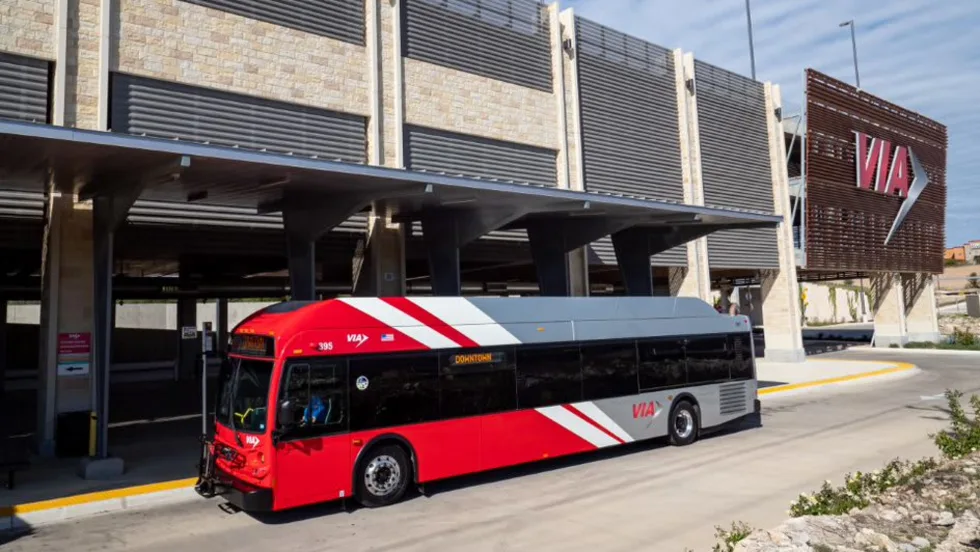
VIA, MBTA Reach Pre-Pandemic Ridership Milestones as Transit Use Climbs
VIA surpasses three million monthly trips for the first time since 2020, while the MBTA tops one million average weekday trips as both agencies report continued ridership growth.
What Transit Maintenance Facilities Should Know About Gas-Detection Placement
Proper gas-detector placement is critical to maintaining safety in transit maintenance facilities, requiring agencies to consider fleet fuel types, ventilation, shop operations, and ongoing equipment maintenance.

Improving Transit Safety and Reliability Through AI
Hayden AI’s Chief Growth Officer, Charley Territo, discusses how AI-powered camera enforcement is helping transit agencies keep bus lanes and stops clear, improve accessibility, and move from pilot programs to full-scale deployments.

Castro to Lead RTC of Southern Nevada and More in People Movement
In this edition, we also cover recent appointments and announcements at the STV, MCI, and more, showcasing the individuals helping to shape the future of transportation.
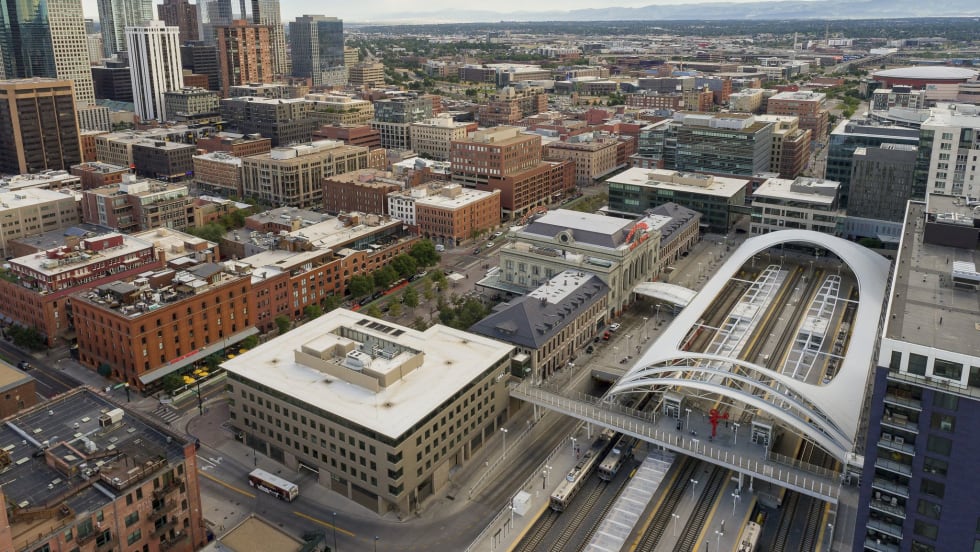
Study: Denver RTD Generates $2.1 Billion in Annual Economic Activity
An economic impact study finds the agency supports approximately 17,500 jobs, delivers $1.6 billion in annual community and mobility benefits, and generates $2.42 in economic value for every dollar invested.
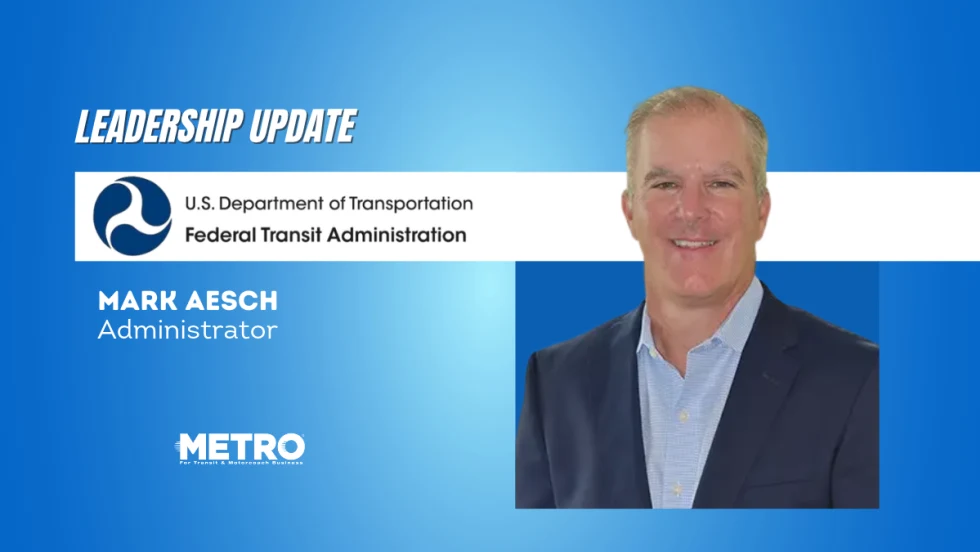
Mark Aesch Nominated to Lead Federal Transit Administration
The former Rochester transit chief and TransPro founder, who has also contributed to METRO Magazine, brings decades of industry experience and a focus on performance, accountability, and financial sustainability to the nomination.

Pierce Transit Moves to Expand Fleet Following Proposition 1 Approval
The agency authorized the purchase or refurbishment of up to 60 buses to support a 47% service expansion, as voters nationwide approved billions in new transit funding.
Transit Expands Agency Partnerships, Reaching 200 Official App Partners
COO Jake Sion discusses Transit’s growth, the success of its Transit Royale program, and how technology is helping agencies improve the rider experience.
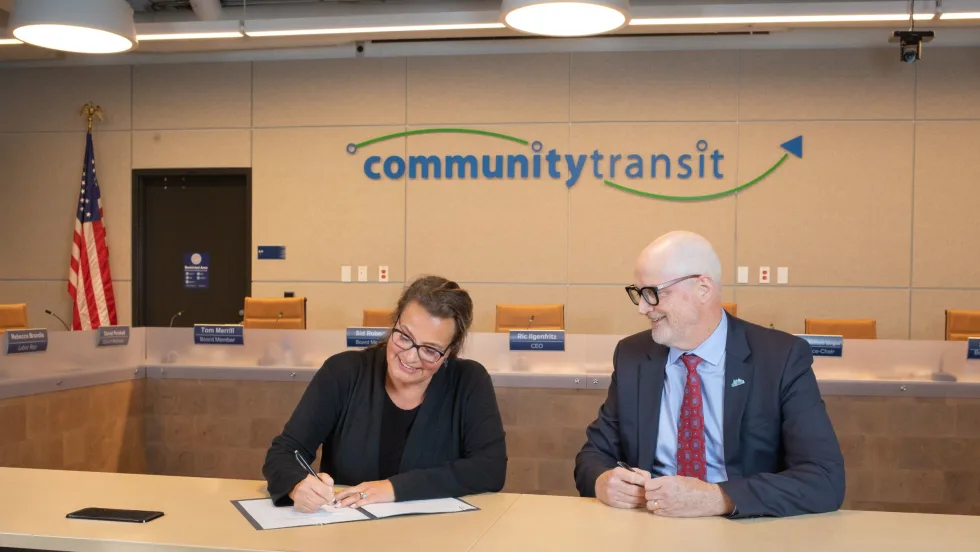
Everett Transit, Community Transit Approve Consolidation of Services
The agreement will bring Everett Transit into Community Transit’s network in April 2027, with plans to increase bus service by 50% by 2031 and expand regional connections.
Brian Dickson on Building Stronger, More Resilient Transportation Organizations
Bus Business Consultants Founder Brian Dickson discusses the leadership principles, operational discipline, and strategic planning that separate transportation companies positioned for long-term success from those stuck in survival mode.