



Northeast U.S. agencies awarded Sandy relief funds
The Disaster Relief Appropriations Act authorized a total of $10.9 billion, which is now reduced by 5%, or $545 million, because of the mandatory budget cuts known as sequestration that took effect on March 1.

The U.S. DOT announced the allocation of nearly $390 million in FY 2013 Disaster Relief Appropriations Act funds to reimburse the New York Metropolitan Transit Authority (MTA) and the Port Authority Trans-Hudson Corp. (PATH). The Southeastern Pennsylvania Transportation Authority (SEPTA) received a smaller reimbursement for expenses incurred while preparing for and recovering from Hurricane Sandy.
The Disaster Relief Appropriations Act authorized a total of $10.9 billion, which is now reduced by 5%, or $545 million, because of the mandatory budget cuts known as sequestration that took effect on March 1.
The funds are the first to be allocated as part of the disaster relief package enacted on Jan. 29, 2013, for the Federal Transit Administration’s (FTA) Public Transportation Emergency Relief Program, which allows FTA to make grants for eligible public transportation capital and operating costs in the event of a federally declared disaster. Up to $2 billion of this aid must be made available no later than March 30, 2013. Additional requests for reimbursement will be reviewed on a rolling basis and FTA will announce new funding allocations in the coming days.
The $390,079,724 million allocated will reimburse for labor, materials and capital costs incurred to protect vehicles, facilities and infrastructure; conduct emergency operations, including temporary transit service; and make immediate and permanent repairs, as follows:
The New York MTA is receiving $193,136,983 for repair and restoration of the Easter River tunnels; the South Ferry/Whitehall station; the Rockaway line; rail yards, maintenance shops and other facilities; and heavy railcars. The funds support work by New York City Transit; the Staten Island, Long Island and Metro-North railroads; and MTA Bus.
The PATH is receiving funds for two sets of projects: (1) $141,506,347 for efforts undertaken to address the storm’s catastrophic impact on commuter rail service between New York and New Jersey (including the Hoboken-World Trade Center service and service between Hudson and Essex counties in New Jersey and Manhattan). Funds were expended to set up alternative commuter service; repair electric substations and signal infrastructure; replace and repair rolling stock; and repair maintenance facilities. (2) $54,243,826 for the World Trade Center Hub project, which was inundated by approximately 125 million gallons of tidal water. Recovery efforts included pumping; cleaning up debris; and repairing or replacing damaged and destroyed equipment, such as electrical switchgear and substation equipment.
SEPTA is receiving $1,192,568 related to securing and protecting transit service serving Philadelphia and the counties of Bucks, Chester, Delaware and Montgomery prior to the storm; emergency activities during and after the storm to resume service as quickly as possible; and enhanced customer service to communicate with the public when service was suspended or resumed.
MAP-21 authorized FTA’s Emergency Relief Program, granting FTA the primary responsibility for reimbursing emergency response and recovery costs after an emergency or major disaster that affects public transportation systems. On Feb. 6, 2013, FTA issued a notice of funding availability outlining three eligible categories of funding for which applicants affected by Hurricane Sandy could request reimbursement through the new program.
More Paratransit

Biz Briefs: RIPTA Unveils New Frontrunners, Clevland RTA Adds New Siemens, and More
In METRO's latest installment, we take a look at recent news from Siemens, Prevost, Dodge, and more partnerships making headlines across the transportation sector.
Read More →
King County Metro Makes ADA Paratransit Easier to Navigate
METRO's Innovative Solutions Award winner replaces complex service-area descriptions with an accessible, interactive map that puts paratransit information directly in customers’ hands.
Read More →
Jacksonville’s NAVI Project Charts a New Course for Autonomous Public Transportation
Through its NAVI program, JTA is showing how autonomous vehicles, intelligent infrastructure, and coordinated operations can work together to deliver everyday public transportation.
Read More →
Driving Smarter Paratransit
John Hanlon shares how AlphaRoute is leveraging AI-powered technology to help paratransit providers optimize operations, support frontline staff, and enhance the rider experience.
Read More →
METRO Magazine Announces 2026 Innovative Solutions Awards Winners
Projects Recognized for Advancing Mobility Through Technology, Accessibility, Workforce Innovation, and Operational Excellence
Read More →
Biz Briefs: STV teams with Amtrak, Motorcoach Operators Boost Fleet and Land Contracts, and More
From manufacturers and suppliers to transit agencies and motorcoach operators, these updates offer a snapshot of the projects, partnerships and business moves driving the industry forward.
Read More →
Biz Briefs: Masabi Teams with St. Louis Metro and More
In METRO's latest installment, we take a look at recent news from Transdev, Hitachi, and more partnerships making headlines across the transportation sector.
Read More →
New York MTA Leverages Zoning Program to Advance Station Accessibility
Accessibility enhancements at Nevins St Station will be financed through a development agreement tied to the MTA's Zoning for Accessibility initiative.
Read More →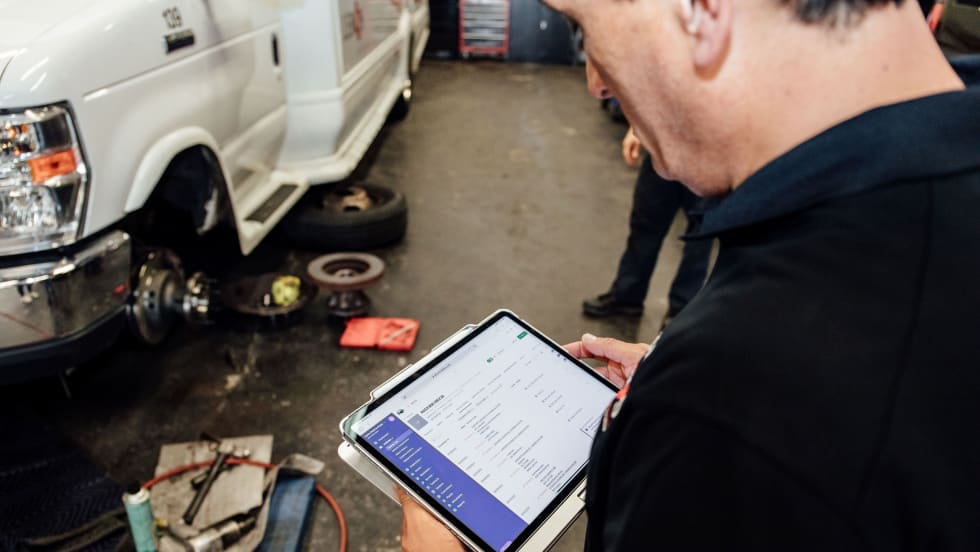
Reinventing Fleet Maintenance with Real-time Visibility and AI
Transit leaders need to know what needs fixing, where to look, who is responsible, when work is completed, and what it costs without having to chase information across disconnected systems.
Read More →
SamTrans Sets Priorities for Potential Connect Bay Area Revenue
The board-approved framework allocates future funding to maintaining service, rider improvements, equity initiatives, and infrastructure repairs.
Read More →