



Report: Home values performed 42% better near public transportation
Despite declines between 2006 and 2011, properties close to public transit showed significantly stronger resiliency. For example in Boston, residential property in the rapid transit area outperformed other properties in the region by an incredible 129%.

During the last recession, residential property values performed 42% better, on average, if they were located near public transportation with high-frequency service, according to a new study released by the American Public Transportation Association (APTA) and the National Association of Realtors.
"When homes are located near public transportation, they are among the most valuable and desirable in the area," said APTA President/CEO Michael Melaniphy. "This study shows that consumers are choosing neighborhoods with high-frequency public transportation because it provides access to up to five times as many jobs per square mile as compared to other areas in a given region. Other attractive amenities in these neighborhoods include lower transportation costs, walkable areas and robust transportation choices."
The study, “The New Real-Estate Mantra: Location near Public Transportation,” investigates how well residential properties located in a half-mile proximity to high-frequency public transportation or in the "public transit shed" have performed in holding their value during the recession compared to other properties in a given region.
While residential property values declined substantially between 2006 and 2011, properties close to public transit showed significantly stronger resiliency. For example in Boston, residential property in the rapid transit area outperformed other properties in the region by an incredible 129%.
Meanwhile in the Chicago public transit area, home values performed 30% better than the region; in San Francisco, 37%; Minneapolis-St Paul, 48%; and in Phoenix, 37%.
The study looked at five regions, which illustrate the types of high-frequency public transit systems throughout the U.S. High-frequency public transportation includes subway, light rail and bus rapid transit. This sample accurately projects the nationwide average (42%) variance among properties located near high-frequency public transportation and those that are located further away from public transit.
"Stable property values in areas with public transit access have a number of policy implications," said Melaniphy. "As Congress and state and local governments look for ways to accelerate economic growth, this study shows that investing in public transportation is a boon to revitalizing our economy."
More Bus

More Than a Summer Job: Building the Next Generation of Transit Talent
The Delaware River Port Authority and PATCO have transformed their internship program into a hands-on professional development experience that introduces students to the breadth of transportation careers — and creates a pipeline for future employees.
Read More →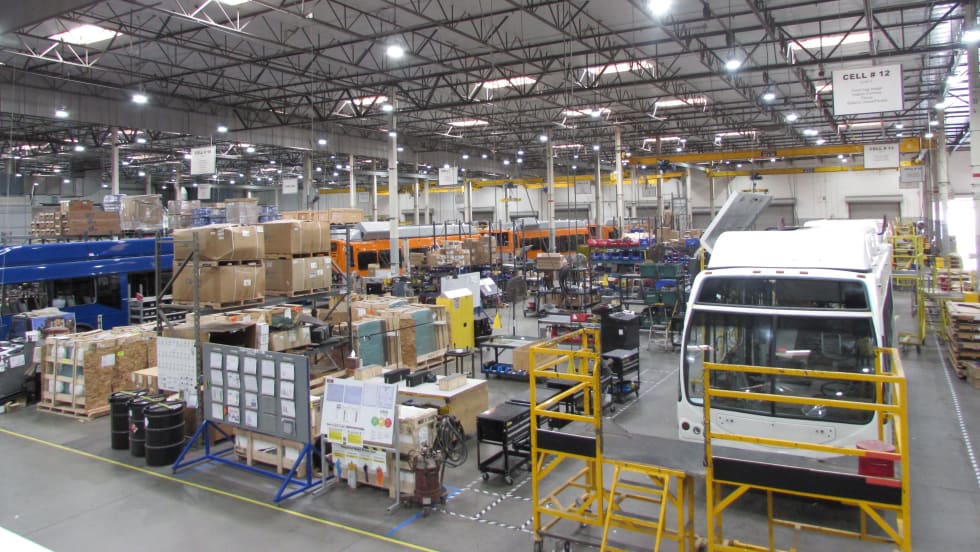
LA Metro Board Awards 220 Battery-Electric Bus Contract to ENC
The contract, which is the largest base award of battery-electric buses by a U.S. transit agency, will be built in Southern California, sustaining good jobs as LA prepares to welcome the world in 2028
Read More →
Public Transit Conference Returning to GFX in 2027, Call for Papers Now Open
The Call for Papers is now open, allowing transit agency professionals and industry experts to help shape the PTC educational program by submitting session ideas for consideration.
Read More →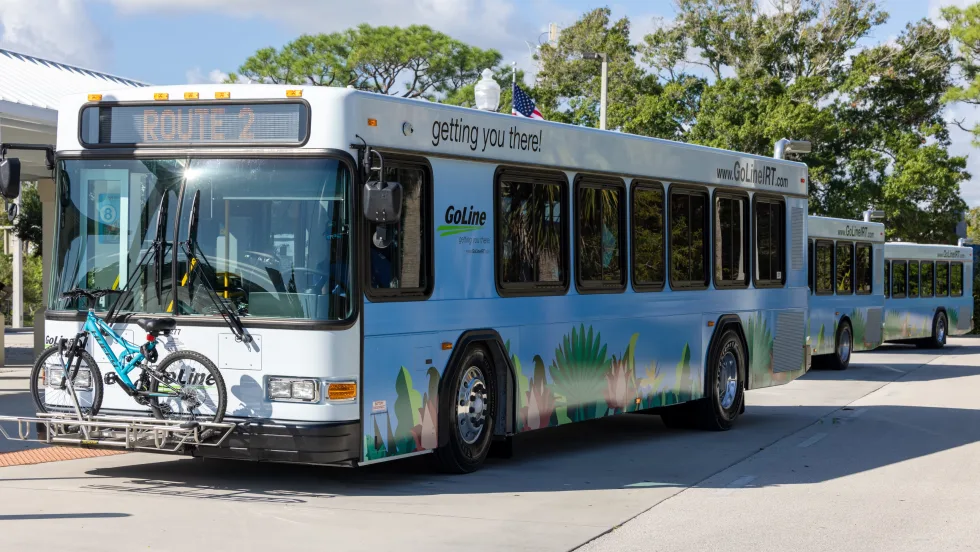
Indian River Transit’s Community-Focused Approach Earns National Recognition
Named APTA’s 2026 Outstanding Public Transportation System in its size category, Florida’s Indian River County transit system continues to grow ridership through fare-free service and a focus on evolving community needs.
Read More →
ENC Lands MATA Contract and More in Biz Briefs
In this edition of Biz Briefs, we spotlight the latest developments shaping the future of mobility.
Read More →
From Surviving to Thriving: Building Stronger Transportation Organizations
Bus Business Consultants founder Brian Dickson shares lessons on leadership, organizational health, and creating options for long-term success in a changing transportation industry.
Read More →
Everett Transit, Community Transit Outline Consolidation Agreement
The proposed agreement calls for a 50% increase in bus service in Everett, a new microtransit zone, continued paratransit service, and the transfer of Everett Transit operations to Community Transit.
Read More →
SEPTA Details Accelerate Vision for Transit System
The plan outlines investments in trolley modernization, new Metro and Regional Rail vehicles, accessible stations, and more frequent bus and rail service.
Read More →
Report: Transit Bus Manufacturing Supports 34,100 Jobs, $5.1B in GDP
The “Buses Mean Business” report examines the transit bus manufacturing industry’s economic footprint, supply chain, and rising demand for vehicle replacements.
Read More →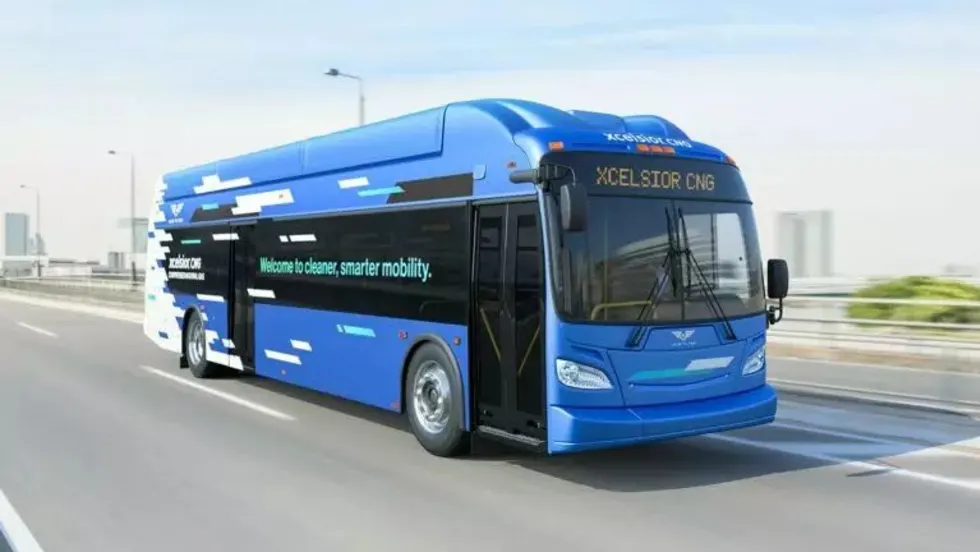
Biz Briefs: New Flyer Delivers in Columbus, Houston, Beep and Freebee Merge, and More
In this edition of Biz Briefs, we spotlight the latest developments shaping the future of mobility.
Read More →