



APTA: More than 35% of U.S. transit buses use alt fuels, hybrid tech
Statistics for early 2011 show that 18.6% of U.S. transit buses used compressed natural gas (CNG), liquefied natural gas (LNG) and blends. Almost 9% (8.8%) of public transit buses were hybrids and nearly 8% (7.9%) of public transit buses used biodiesel.

In celebration of Earth Day, the American Public Transportation Association (APTA) reminds us that taking public transit is among the most effective ways of reducing our daily carbon footprint because of its ability to take cars off the road.
When APTA examined the bus fleet alone, more than 35% of U.S. public transportation buses use alternative fuels or hybrid technology, as of January 1, 2011. This is a striking contrast to the 1.3% of automobiles that used alternative fuels in 2010, according to the Energy Information Administration’s (EIA) Annual Outlook.
“Public transportation is leading the way with environmentally efficient vehicles,” said APTA President and CEO Michael Melaniphy. “The public transit vehicle fleet is the proving ground for environmental technology that may someday become a part of the nation’s automobile fleet.”
APTA statistics for early 2011 show that 18.6% of U.S. transit buses used compressed natural gas (CNG), liquefied natural gas (LNG) and blends. Almost 9% (8.8%) of public transit buses were hybrids and nearly 8% (7.9%) of public transit buses used biodiesel.
“Today’s modern public transit bus is increasingly either a hybrid or is powered by fuels that are good for the environment,” said APTA Chair Flora Castillo. “The public transportation industry is a green industry and is committed to improving the environment.”
From operating environmentally-friendly bus and rail vehicles, building LEEDS certified facilities, using solar bus shelters, and recycling bus wash water, the U.S. public transportation industry — both public and private sectors — uses green technologies to further reduce carbon emissions, improve air quality, and help our country reach energy independence.
APTA noted that U.S. public transportation use saves 37 million metric tons of carbon emission every year. Additionally, since public transit use in the U.S. saves 4.7 billion gallons of gasoline annually, public transit riders are doing their part to help our nation be energy independent, according to APTA.
A carbon savings calculator is available here.
RELATED ARTICLE: Check out, "Earth day is every day for public transit industry."
More Bus

LA Metro Breaks Ground on Vermont BRT Project
The 12.4-mile corridor is projected to serve 66,200 daily riders, reduce travel times by up to 24%, and create the nation's busiest bus rapid transit corridor.
Read More →
Roman Cornell on ABC Companies’ Evolution and the Future of Passenger Transportation
The company’s CEO discusses carrying forward a third-generation family legacy, ABC’s continued evolution in passenger transportation, support for increasingly complex fleets, and how technology and continued investment could help operators improve uptime.
Read More →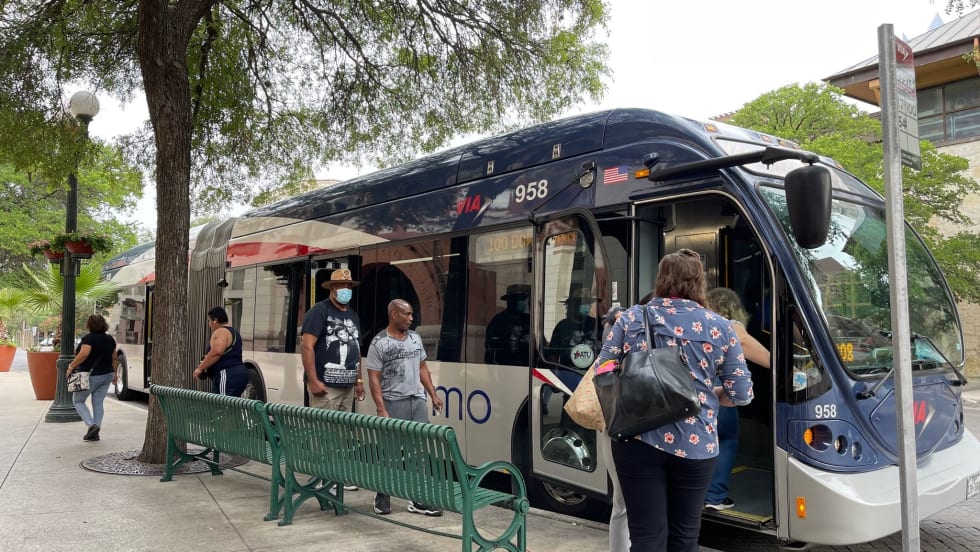
VIA Bus Ridership Grows 10.1% Through August 2026
San Antonio's VIA Metropolitan Transit reported the highest bus ridership growth among major Texas transit systems. Federal Transit Administration data ranked it second among the nation's 50 largest transit systems.
Read More →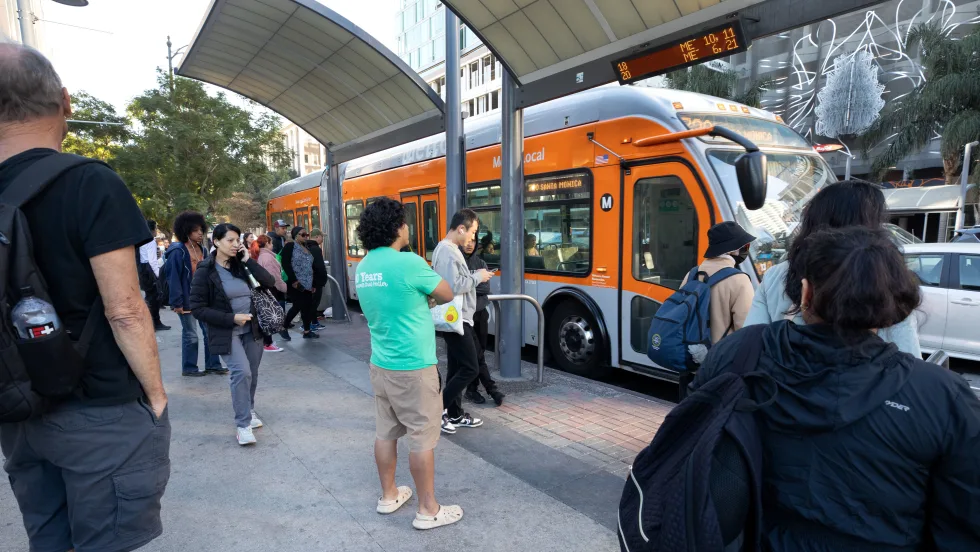
LA Metro September Ridership Climbs 3.9%, Led by Rail Growth
The agency recorded more than 27.2 million boardings, with rail ridership increasing 12.4% year over year and the D Line posting the largest gains.
Read More →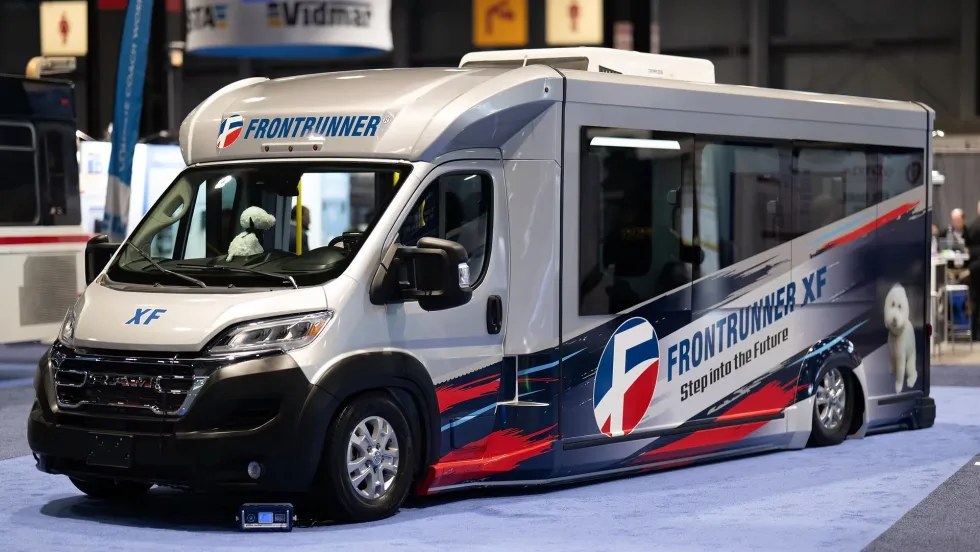
Frontrunner Bus Group Introduces XF Low-Floor Bus with Enhanced Accessibility
The new mid-sized bus features a full flat-floor design, eight-inch curbside step-in height, and zero-entry rear ramp to improve passenger access and operational flexibility.
Read More →
Scenes from APTA TRANSform & EXPO 2026
Transit leaders, manufacturers, and industry professionals gathered in Chicago to explore new technologies, share ideas, and discuss the future of public transportation.
Read More →
More Than a Summer Job: Building the Next Generation of Transit Talent
The Delaware River Port Authority and PATCO have transformed their internship program into a hands-on professional development experience that introduces students to the breadth of transportation careers — and creates a pipeline for future employees.
Read More →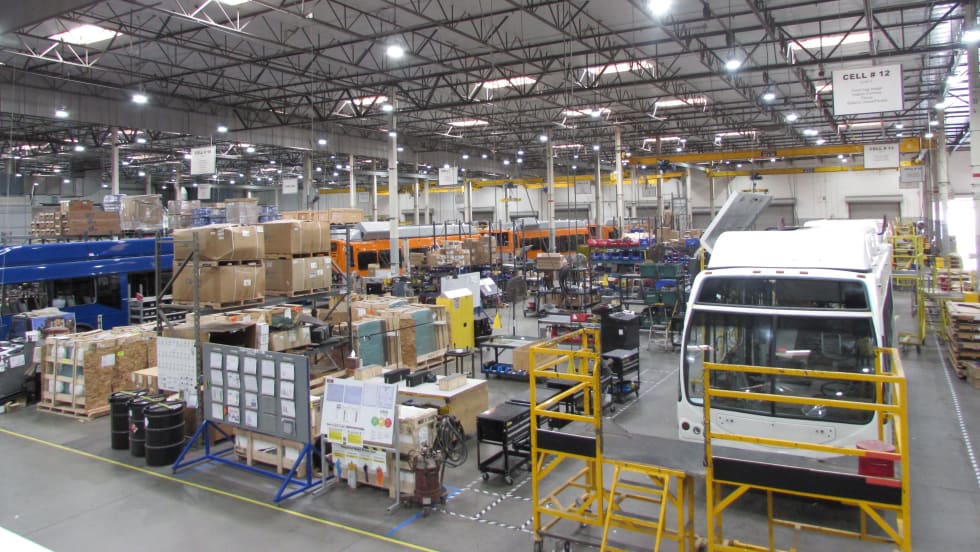
LA Metro Board Awards 220 Battery-Electric Bus Contract to ENC
The contract, which is the largest base award of battery-electric buses by a U.S. transit agency, will be built in Southern California, sustaining good jobs as LA prepares to welcome the world in 2028
Read More →
Public Transit Conference Returning to GFX in 2027, Call for Papers Now Open
The Call for Papers is now open, allowing transit agency professionals and industry experts to help shape the PTC educational program by submitting session ideas for consideration.
Read More →
Indian River Transit’s Community-Focused Approach Earns National Recognition
Named APTA’s 2026 Outstanding Public Transportation System in its size category, Florida’s Indian River County transit system continues to grow ridership through fare-free service and a focus on evolving community needs.
Read More →